

LYNN BARTELS | Polly Baca heartened by rise in Latino influence
The headline warmed Polly Baca’s heart: “Latino influence is growing at the Colorado Capitol.”
“The 72nd Colorado General Assembly has the largest Latino Caucus in its history,” The Denver Post reported on Jan. 13.
Baca has the distinction of being the first Latina elected to the Colorado Senate, in 1978, after she had served two terms in the state House.
Over the years, the Post, the Rocky Mountain News and other publications tracked the status of state lawmakers whose ethnicity was variously described as Spanish, Hispanic, Chicano, Latino and Mexican-American. Their numbers rose, fell and are rising again.
Baca’s sentiments often were sought out, and that happened when the topic was tackled again, this time by The Post’s Saja Hindi.
“I am so excited and encouraged by the number of Latino legislators that we currently have, and I’m particularly excited about this group of young Hispanic women or Latinas,” Baca told the newspaper.
Of the 100 state lawmakers, 14 are Latino.
Those numbers would have been hard to envision after the 2006 primary election, a low point in recent history for Hispanic activists.
Colorado Springs Mayor Lionel Rivera, the sole Hispanic in the crowded open race for Congressional District 5, came in fourth in the GOP primary. State Sen. Doug Lamborn, who came in first, still holds the seat.
Four Latino statehouse candidates also lost their primary bids. Among them was Rep. Val Vigil, a Democrat from Thornton who blamed his defeat in his Senate bid on racism and fears about illegal immigration. Other losing candidates downplayed the issue of ethnicity, but agreed the lack of Hispanic lawmakers in a state where Hispanics at the time comprised about 20 percent of the population was concerning.
Fast forward to 2010, when Paula Sandoval of Denver and Angela Giron of Pueblo were appointed to vacancies in the state Senate, marking the first time in history there was more than one Latina in that body. Then that December, another Latina, Irene Aguilar of Denver, was appointed to a vacancy.
“Three Latinas in the Senate,” Baca told The Denver Post at the time. “This is just so historic that it’s amazing.”
A few days later, the 2011 Legislature opened with eight Latinos, double the number elected in 2008.
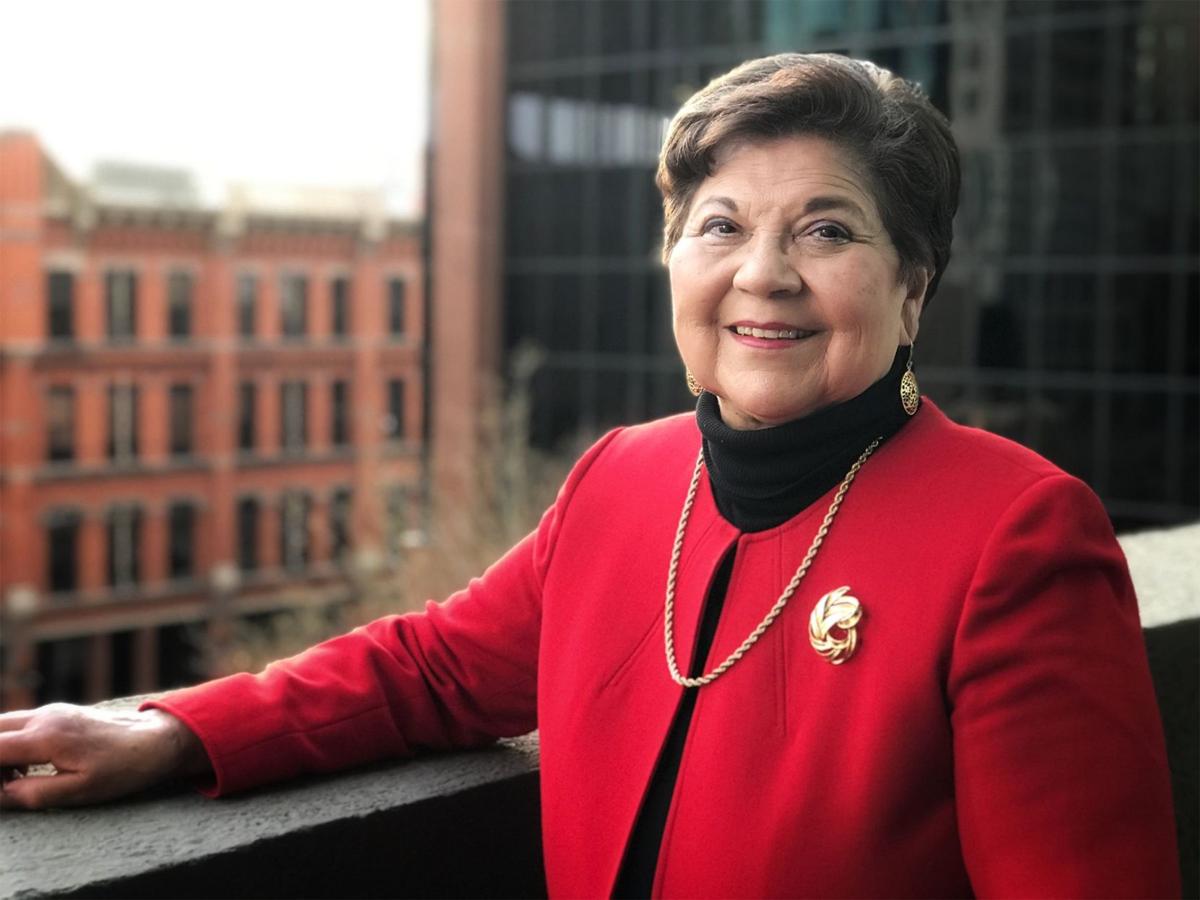

In the current Legislature, 13 of the 14 Latinos are Democrats, including Senate President Leroy Garcia, the first Latino to hold that post. Eight of the Latinos were first elected in 2018.
They learned the ropes last year and now have “ambitious” plans for this session, according to The Post.
“The members, who represent both rural and urban areas, passed legislation in areas of immigration, criminal justice and the economy,” the newspaper reported. “This year, they plan to tackle both traditional ‘Latino issues’ and ones that will affect all Coloradans — particularly middle- and low-income families.”
The lone Republican Latino is Rep. Dave Williams of Colorado Springs, whose mother is Latino. He is often at odds with his Democratic colleagues and believes President Trump is on the right track when it comes to immigration.
As for Baca, she grew up in Weld County, the daughter of José Manuel Baca and Leda Sierra Baca, descendants of the original families that in the 1600s traveled north from Mexico to what eventually became northern New Mexico and southern Colorado.
Her ancestors helped settle Trinidad and one served in Colorado’s territorial Legislature.
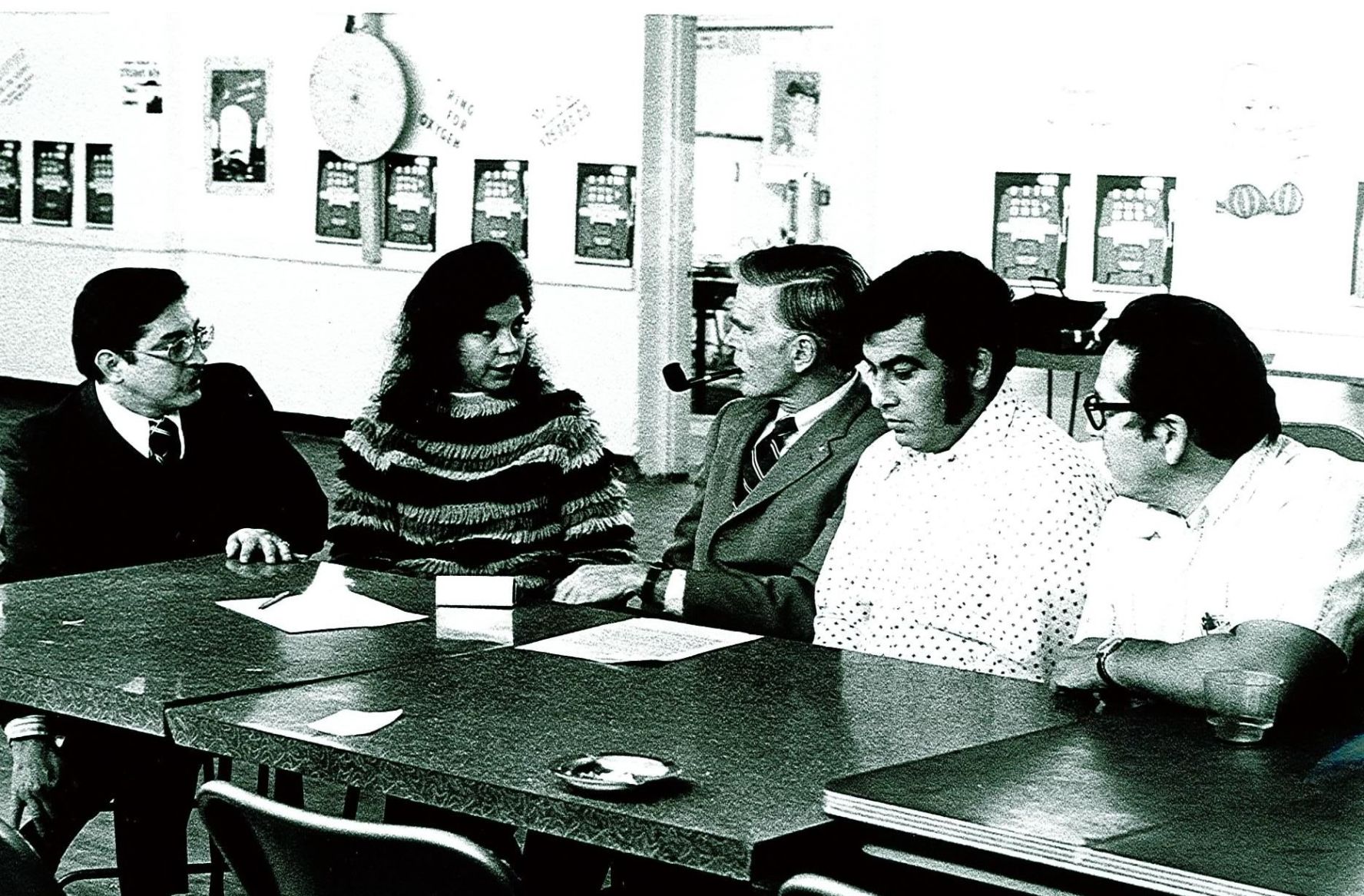
Baca’s foray into legislative politics occurred as Latinos were flexing their political muscle over issues ranging from bilingual education to police brutality to affirmative action.
“I worked for the Democratic National Committee in 1971 and 1972, and my job was to encourage what we then called Hispanics to run for office,” she said. “We were just beginning to get elected.”
Baca also was involved in the feminist movement, and had gone to meetings at the home of women’s rights activist Betty Friedan.
Among Baca’s many firsts: She was the first Latina nationally to be elected to both the House, first in 1974, and the Senate, first in 1978. In Colorado, she still holds the distinction of being the only Latina elected to both chambers.
“All these years later,” she said. “Can you believe it?”
She told The Post she won’t rest until the number of Latino lawmakers more closely resembles the state’s ethnic makeup.
Baca, who turns 79 next month, better get busy.
The latest U.S. Census numbers estimate that 21.7 percent of Colorado’s population is Latino or Hispanic, and that number is likely higher, given residents who are undocumented. That means she’s looking at 21 or so Latino lawmakers.
Lynn Bartels can be reached at againlynn@gmail.com
Colorado Politics Must-Reads:

Jeff Crank, Jessica Killin set to face off in 2 debates in Colorado’s 5th Congressional District
Ernest Luning
ernest.luning@coloradopolitics.com
Updated 6 hours ago
Republican U.S. Rep. Jeff Crank and Jessica Killin, his Democratic challenger, have agreed to debate twice in the weeks leading up to the general election in Colorado’s 5th Congressional District, their campaigns have said. Crank is seeking a second term...
Colorado judge explores sanctions against DOJ, ICE for rearresting man 4 days after release on bond
Michael Karlik
michael.karlik@coloradopolitics.com
Updated 8 hours ago
A federal judge in Colorado is considering sanctions against the government after immigration agents rearrested a man four days after an immigration judge found him suitable for release on bond. On July 28, U.S. Magistrate Judge N. Reid Neureiter ordered...

White House deploys private companies to help crack down on cybersecurity breaches
David Zimmermann
david-zimmermann@coloradopolitics.com
Updated 14 hours ago
The White House intends to use private companies in the United States to help crack down on cybersecurity breaches perpetrated by transnational criminal organizations. President Donald Trump signed a memorandum on Wednesday, directing his administration to employ the private sector...
Voters prefer socialist over MAGA candidate in 2028 matchup: Poll
Mabinty Quarshie
mabinty-quarshie@coloradopolitics.com
Updated 13 hours ago
New polling released this week suggests that a socialist candidate would defeat a Make America Great Again candidate in a hypothetical 2028 presidential matchup, a move that implies the reach of progressive leftists isn’t abating despite recent setbacks in Wisconsin....
Fort Carson garrison commander says staff cuts created ‘uncertainty and fear’
Mary Shinn
mary-shinn@coloradopolitics.com
Updated 10 hours ago
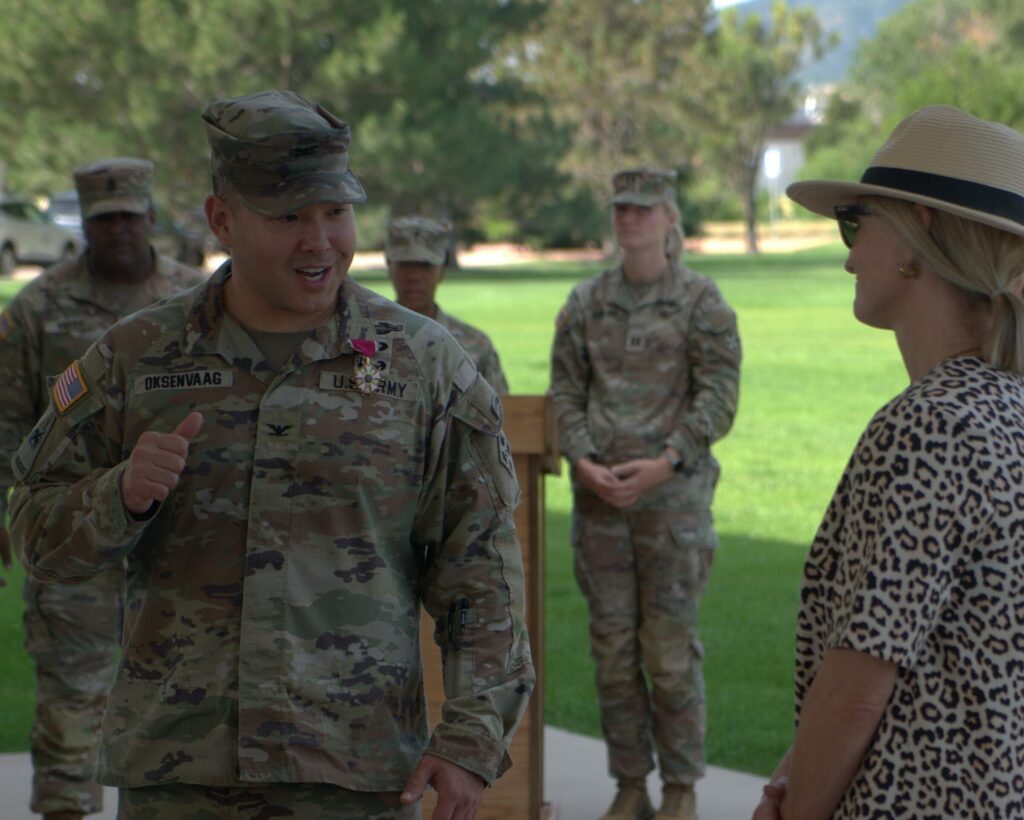
The Fort Carson garrison commander departed Wednesday after what he described as a difficult 18 months for installation and garrison staff. “I know the last 18 months has been marked by profound uncertainty and fear, but you weathered the storm...
Divided disciplinary panel censures Montezuma County judge after agreement reached
Michael Karlik
michael.karlik@coloradopolitics.com
Updated 15 hours ago
A disciplinary panel formally imposed a public censure, suspension, and further training on Montezuma County Court Judge Ian J. MacLaren on Tuesday by a 2-1 vote. Under constitutional Amendment H, which voters adopted in November 2024, MacLaren was set to...

Aurora police officer resigns after taking narcotics found during traffic stop
Kyla Pearce
kyla.pearce@gazette.com
Updated 10 hours ago
An Aurora Police Department officer resigned after investigators found that he took narcotics that were collected as evidence during a traffic stop. Michael Gallagher violated several agency policies, including substance abuse, tampering with evidence and lying in a criminal investigation,...
Douglas County measure to expand county commission advances to November ballot
Nicholas Fogleman
nicholas.fogleman@denvergazette.com
Updated 10 hours ago
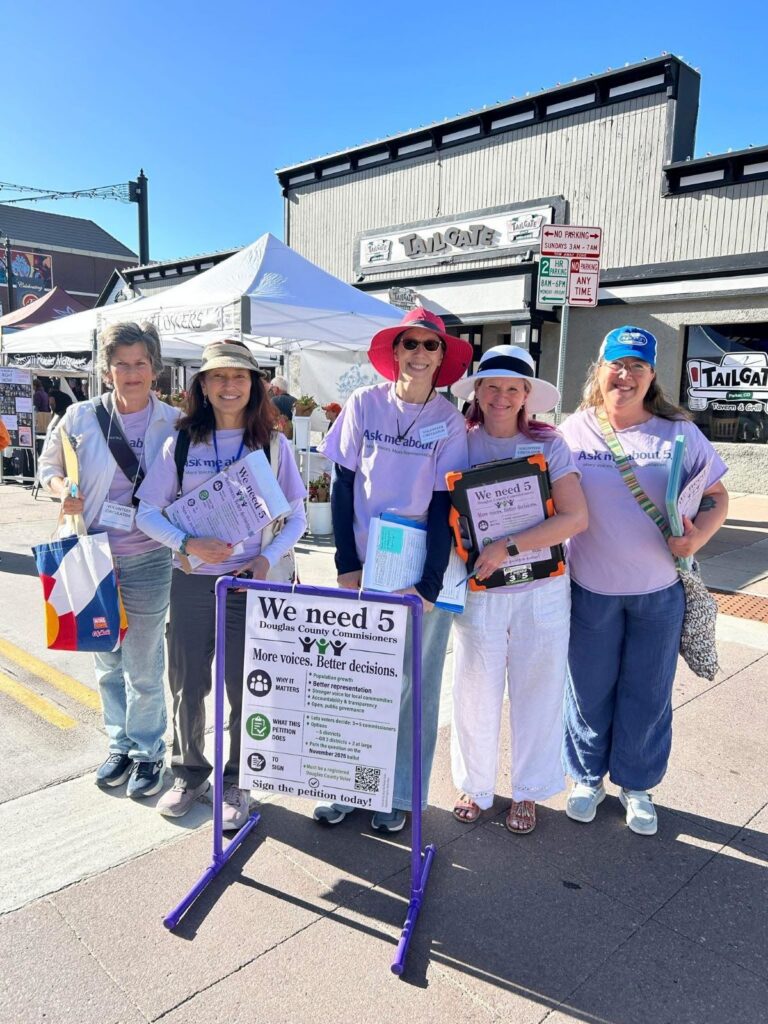
Douglas County voters will decide in November whether to expand the county’s Board of County Commissioners from three members to five after election officials certified a citizen-led petition effort Wednesday. The Douglas County Clerk and Recorder verified 20,434 petition signatures,...
Colorado’s Western Slope magistrate judges describe unique role in federal judiciary
Michael Karlik
michael.karlik@coloradopolitics.com
Updated 1 day ago
Two of Colorado’s federal judges stationed on the Western Slope spoke to lawyers on Wednesday about their unique roles, the ways their workloads differ, and the need for more criminal defense lawyers to take cases outside the Front Range. “Here...
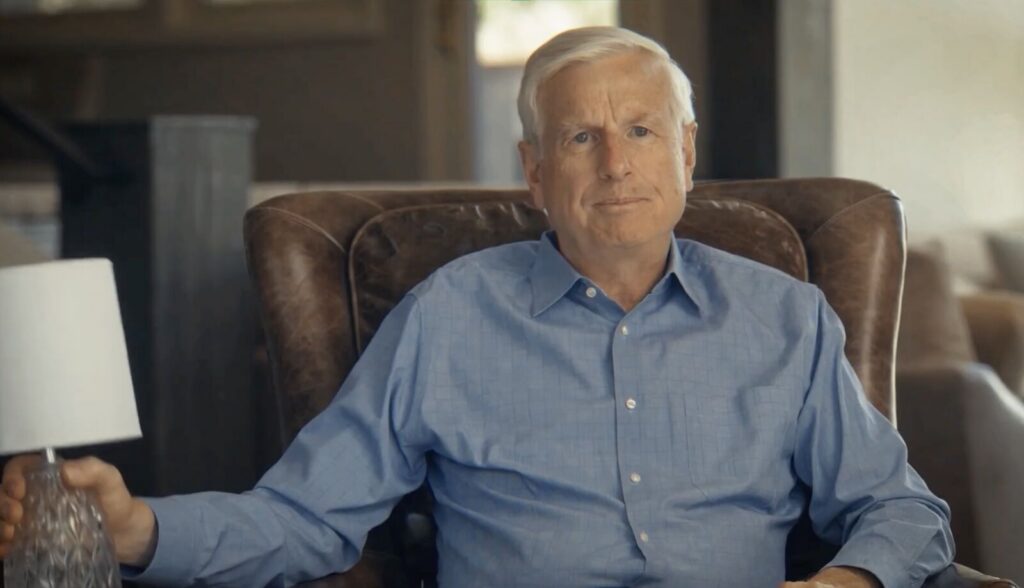
‘Ticked off’: Third-party U.S. Senate candidate in Colorado launches $1.3 million TV ad campaign
Ernest Luning
ernest.luning@coloradopolitics.com
Updated 7 hours ago
Bob Chew, the Forward Party nominee for U.S. Senate in Colorado, sends household objects flying in a TV ad set to run statewide through September, backed by $1.3 million in ad reservations across multiple platforms, his campaign told Colorado Politics....
PREV
PREVIOUS

CSU survey shows major public support for wolf reintroduction
Colorado State University released a survey Monday that showed overwhelming support for bringing the gray wolf back to the state. A ballot question in November, Initiative 107, will ask Coloradans to decide, but CSU’s measure 734 survey takers last August indicated 84% support reintroduction and 16% oppose it. The opinion cut across usual ideological and geographical lines […]

County officials to participate in elections "war games"
Secretary of State Jena Griswold announced on Monday that her office will conduct training to prepare county clerks for “worst-case scenarios” in elections administration. Known as Election Preparedness for Infrastructure and Cybersecurity training, the sessions have taken place in the past and been referred to as “war games, election style.” Participants discuss and review scenarios […]