

NOONAN | Drilling down to the details of oil & gas health risks in Colorado
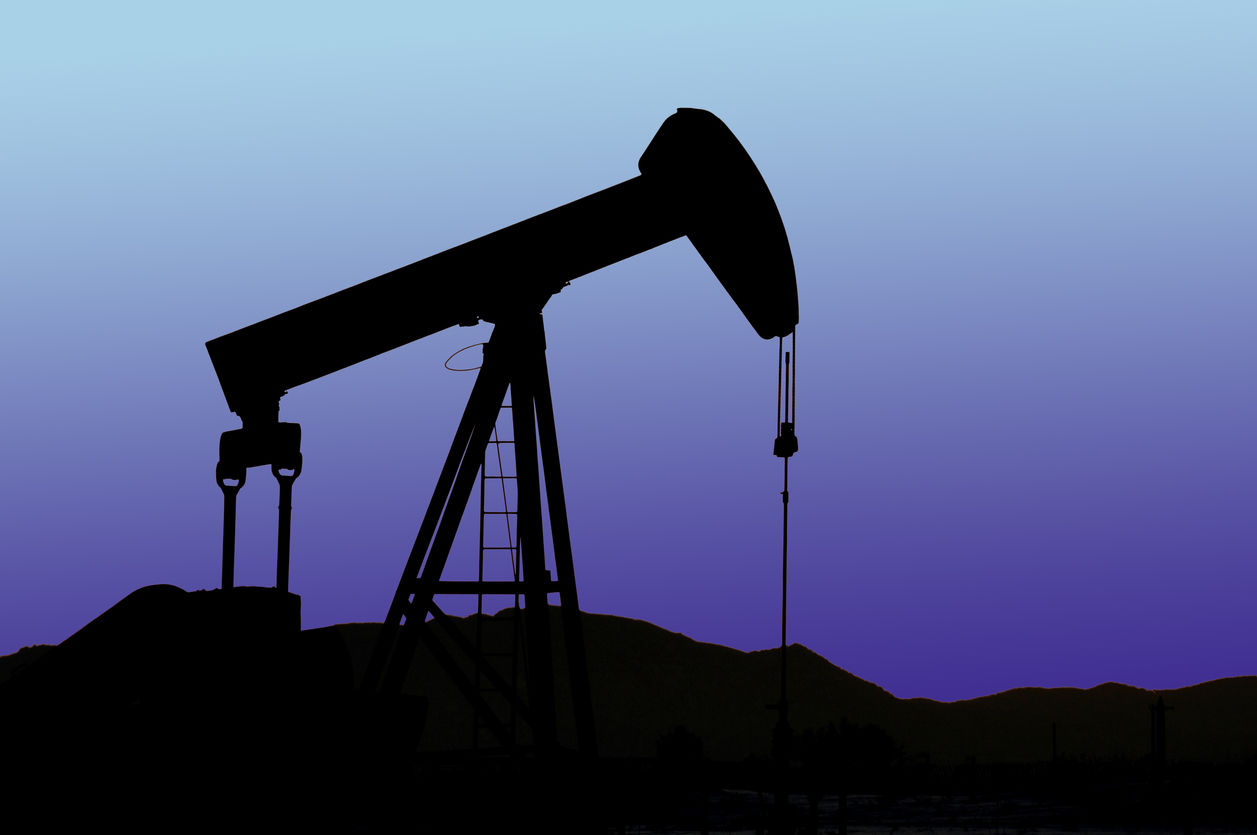
The oil and gas industry is sponsoring two rallies, one in Rifle and one in Loveland, against Air Quality Control Commission (AQCC) draft regulations three and seven that will affect the state’s compliance with the U.S. Clean Air Act and implementation of SB19-181.
The rallies are set for Dec. 10 in Rifle and Dec. 16 in Loveland as a forceful show of objection before air quality rule-setting Dec. 17-19 that, based on law, must “regulate the emission of air pollutants from oil and gas operations” with public health and safety as the priority.
In their 46 page analysis of how bad the draft regulations are, the Colorado Oil and Gas Association and Colorado Petroleum Council argue that “economics do not support much of the proposal.” The associations also claim that studies on bad air quality in Colorado are “generally overstated, misstate the facts, and fail to tell the whole story.” Further, they state that the recently offered Colorado Department of Health Human Health Risk Assessment for Oil and Gas Operations predicts limited, even rare human health risk from fossil fuel extraction.
Before anyone rushes to the rallies, it’s important to test the premises of the industry’s assertions. Let’s start with their view of the economics of government regulation related to public health and safety.
A survey of failed oil and gas legislation between 2012 and 2019 shows 24 bills that “died” because of oil and gas opposition, mostly on a cost basis. These include bills to analyze health data, disclose pipe locations, increase well inspections, improve well head integrity, and put more distance between schools and drilling activities.
Oil and gas producers generally deny that they’re making a big mess in the oil fields. And even if some messes are big, they say they can’t extract product profitably if they have to cinch down every methane leak, get permission to flare gas and perform additional safety activities. The industry also asserts that Colorado has the strongest rules of states that allow drilling. So the state, according to their arguments, should just stop with the new stuff.
Next, let’s do air quality. According to the industry associations, Front Range air just isn’t that bad. They say ozone pollution has steadily declined over 20 years. If Colorado exceeds the Environmental Protection Agency’s (EPA) clean air regulation of no more than 70 ozone parts per billion (ppb), it’s mostly because of “background emission sources and sources that originate outside Colorado’s boundaries.”
It’s true that wildfires, electricity production, and industry and vehicle emissions across the west cause air degradation in Colorado. But a 2017 article from our very own National Center for Atmospheric Research states that “motor vehicles and oil and gas operations are the two largest local contributors to summertime ozone” in the Front Range.
The article states that background level ozone in the Front Range is about 40-50 ppb, but in summer, numbers often exceed the allowable 70 ppb. Vehicles mostly affect Denver’s smog. The northern Front Range gets its high numbers from oil and gas, at 30 to 40 percent of local ozone on high pollution days. The question in front of the AQCC is simple: what part of Colorado’s pollution can it control? It can regulate vehicle, power plant, and oil and gas emissions. The fossil fuel industry, based on the Clean Air Act and SB19-181, will have to clean up its contribution to any overage.
Finally, the health risks of oil and gas drilling deserve deep, comprehensive study. The industry opposed legislation related to measuring the health risks of their operations. Methane, benzene, and other dangerous chemicals are outcomes of fracking. Exposure causes short- and long-term health complications. To figure out the danger, much improved measurement of methane leaks and gas flaring must occur. A question is who’s going to pay – the industry that creates the health risk or the people who live with the risk.
Oil and gas wants four hours to make their case during the AQCC meeting Dec. 17-19. Let’s all show up at the Dec. 10 and 16 comment hearings and Dec. 17 rule-setting, contribute, and after the rules are done, hope we can breathe easy.
Paula Noonan owns Colorado Capitol Watch, the state’s premier legislature tracking platform.



Colorado’s precarious position protecting from wildfires | Paula Noonan
Paula Noonan
paula-noonan@coloradopolitics.com
Updated 5 hours ago
Fourteen firefighters died in the Storm King Mountain fire west of Glenwood Springs in 1994 when 2,115 acres burned. In August 2020, the Grizzly Creek fire burned 32,631 acres along the Interstate 70 corridor east of Glenwood causing mudslides from flooding...

We must deliver on cost of living | GUEST COLUMN
Colorado Politics
colorado-politics@coloradopolitics.com
Updated 5 hours ago
By Ryan Gonzalez Insurance premiums are on the rise. Property taxes are increasing. Groceries are becoming more expensive. Gas prices are reaching record levels. Housing costs are becoming unsustainable. These are the concerns I hear from people in my district....

Dan Haley on the role of oil and gas in Colorado’s energy future | The OpEdge Podcast
Tony Olivero
tony.olivero@gazette.com
Updated 13 hours ago
Dan Haley, executive director of Coloradans for Responsible Energy Development, joins The OpEdge to discuss the role of oil and natural gas in Colorado’s energy future amid the state’s aggressive push toward “net zero.” Haley tells host and investigative columnist...

Rural hospitals don’t want special treatment, just a chance to care for locals | PODIUM
Colorado Politics
colorado-politics@coloradopolitics.com
Updated 1 day ago
By Kevin Stansbury As chief executive of Lincoln Health, my responsibility is simple: ensure the people of eastern Colorado have access to high-quality healthcare close to home when they need it most. That mission has never been easy. Rural hospitals...
Blue states should avoid disasters | Hal Bidlack
Hal Bidlack
hal-bidlack@coloradopolitics.com
Updated 2 days ago
Back when I was teaching political science at the U.S. Air Force Academy (and amazingly to me, a week from this column’s publication will mark 20 years since my retirement from active duty. Where the heck did that time go?)...
Right-to-hunt ballot measure’s a cruel, anti-wildlife solution to a nonexistent problem | GUEST COLUMN
Colorado Politics
colorado-politics@coloradopolitics.com
Updated 2 days ago
By Eric Washburn I love to hunt. Every year I try to hunt big game in Colorado and waterfowl in Louisiana. This year, I applied for five Colorado big game licenses — elk, deer, pronghorn, moose and bighorn sheep. I...

Jena Griswold’s record: corruption, incompetence | Dick Wadhams
Dick Wadhams
dick-wadhams@coloradopolitics.com
Updated 5 days ago
There is no statewide elected official going back decades who is as breathtakingly corrupt and incompetent as Secretary of State Jena Griswold, who is now running for attorney general of all things. And compliant ruling Democrats know it. Their silence...

Kiros exudes why Colorado’s political times are a-changin’ at annual Denver Dems gala | Miller Hudson
Miller Hudson
miller-hudson@coloradopolitics.com
Updated 5 days ago
Among Colorado’s few remaining bipartisan rituals are county and state party dinners. I was particularly intrigued by last week’s Denver Democratic Party’s 2026 Annual Gala, a “New Deal for a New Era.” Their glossy program featured an artist’s Technicolor rendering...

Livestock grazing regulations need flexible updates | Rachel Gabel
Rachel Gabel
rachel-gabel@coloradopolitics.com
Updated 5 days ago
The Bureau of Land Management last updated their livestock grazing regulations the year I graduated from high school. I am 49. Assessing rangeland health can’t be done once and not revisited. This year is a prime example that managers must...

Taxpayers donate to tax increase campaign | Jon Caldara
Jon Caldara
jon-caldara@coloradopolitics.com
Updated 6 days ago
Give the man his due. President Donald Trump has undeniable talents. Colorado politicians are learning. Chief among The Don’s skills is taking the self-serving, ethically dubious behavior of previous politicians and putting it on steroids. Or, to borrow from the...
PREV
PREVIOUS

SLOAN | Impeachment's implications for Cory Gardner? Maybe not so much
Kelly Sloan As the impeachment debacle grinds into the holiday season, thoughts begin to gravitate toward how it will all turn out; not, of course, whether or not President Trump will be impeached by the House – he almost assuredly will be – nor if he will be convicted by the Senate – he almost […]
BIDLACK | Beware those ballot titles; some could backfire on all of us
Hal Bidlack It’s possible, that to regular readers, I might come off as a, well, policy nerd (Ed: No!). I like to understand the details of a proposal, and I prefer to consider the full scope of legislative actions. Like I said, I’m a nerd (Ed: well, if you say so…). To start off today’s missive, let’s […]