Read Michener’s ‘Centennial’ | Jon Caldara

If you’ve been reading my columns, you’ve noticed I’m basically illiterate. I blame my dyslexia and public education, but my Olympic-level laziness could be the driving factor.
Anyway, I basically can’t read (and, still, I graduated from CU Boulder, so another endorsement of public higher education).
So, for me to recommend a book is like a nun recommending sexy lingerie. How can you take it seriously? But how can it not get you thinking?
As we celebrate Colorado’s 150th birthday, may I strongly suggest you read, or re-read, James Michener’s classic novel “Centennial”, which arguably presents one of the most accurate portraits of the Colorado character.
I understand this is a sizable ask. The book is massive. Now that phonebooks are extinct, parents put “Centennial” on chairs for their little kids to reach the table.
I listen to books on tape. So, when I saw this book took 50 hours, I almost went back to my comic book (which we now call “graphic novels,” like that is somehow going to impress women).
It’s not that “Centennial” gives an accurate accounting of Colorado’s history, it doesn’t. It’s that it colors a painting of the true Colorado spirit and the bravery of those who built this beautiful, once rugged state.
Michener masterfully shows our dry high-plains as a stage for life and death struggles. He describes the personalities that would say goodbye to all they knew to chance a survival in an untamed, savage and mysterious territory.
If there was one word that encapsulated his story, it’s the same word that encapsulates what made Colorado the destination state for hundreds of years: risk.
To modern generations “risk” is seen as “danger” or synonymous with gambling, a roll of the dice. But that’s not risk.
“Risk” is the quest to manifest a goal over calculated odds. Risk is to employ one’s talents and resources to obtain a potentially unreachable outcome.
Every entrepreneur understands risk, knowing even when you do everything right, failure is still an easy outcome.
Michener’s book captures a Colorado now lost. It’s a Colorado where courageous people risk writing their own biography. To build. To create. To do it their way, or not do it at all.
Mitchner’s book became a sensation about the time the nation was celebrating it’s bicentennial. It’s story, the Colorado story, was a proxy for the American story.
As we look at 150 years of Colorado statehood, we also get to examine how Colorado has changed since “Centennial” was first published in 1974. Growing up in the 1970s in Colorado, I saw that spirit of risk and self-direction.
The state was still drawing oil-and-gas wildcatters, artists of all stripes and even a new tech entrepreneur that dealt in one and zeros, not rocks and cattle.
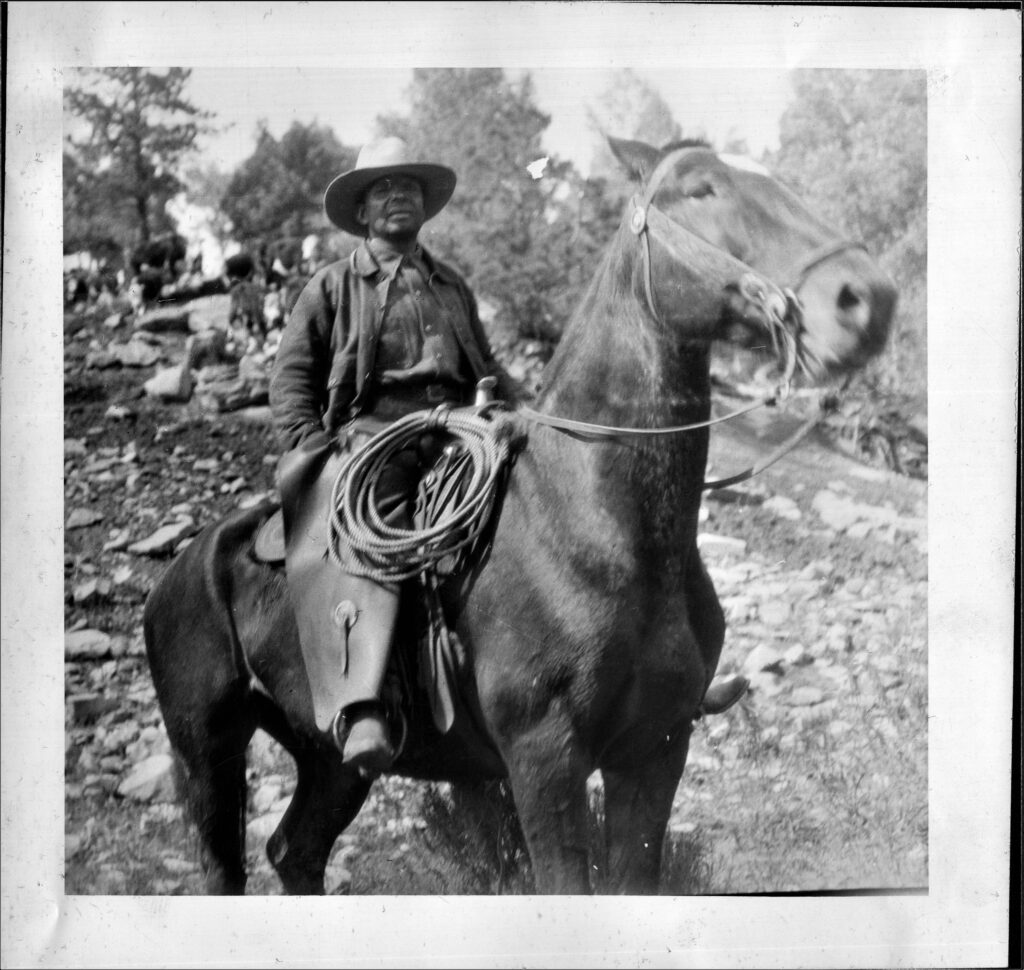
Now 50 years later, it’s hard to recognize many of the Colorado qualities Michener celebrated.
Colorado no longer beckons people to be left alone. It beckons people who want someone else to manage things. The frontier mentality has given way to the HOA mentality.
Risk has become something government promises to protect us from instead of something free people willingly embrace.
Every new regulation is sold as safety. Every permit is justified as protection. Every entrepreneurial gamble is treated with suspicion until a bureaucrat approves it.
We still have mountains, rivers and those impossible sunsets that make even lifelong Coloradans stop for a moment. The scenery survived.
But scenery alone isn’t the magic.
The magic was always the people willing to bet everything on themselves — men and women who crossed plains, climbed passes, dug mines, started businesses, built ranches and towns, and accepted failure was the price of having the freedom to try.
Michener understood Colorado wasn’t merely a place. It was a state of mind.
Reading “Centennial” today feels less like reading historical fiction and more like opening a time capsule from a state that’s slipping away. It reminds us this state wasn’t made extraordinary by government. It was made extraordinary by people.
It was made extraordinary by people who demanded to be free enough to fail spectacularly or succeed beyond imagination.
As Colorado turns 150, I hope we remember the spirit that created it. Because mountains are forever. A culture isn’t.
And once that spirit is gone, no amount of preservation can bring back the Colorado that Michener knew.
Jon Caldara is president of the Independence Institute in Denver and hosts “The Devil’s Advocate with Jon Caldara” on Colorado Public Television Channel 12. His column appears Sundays in Colorado Politics.

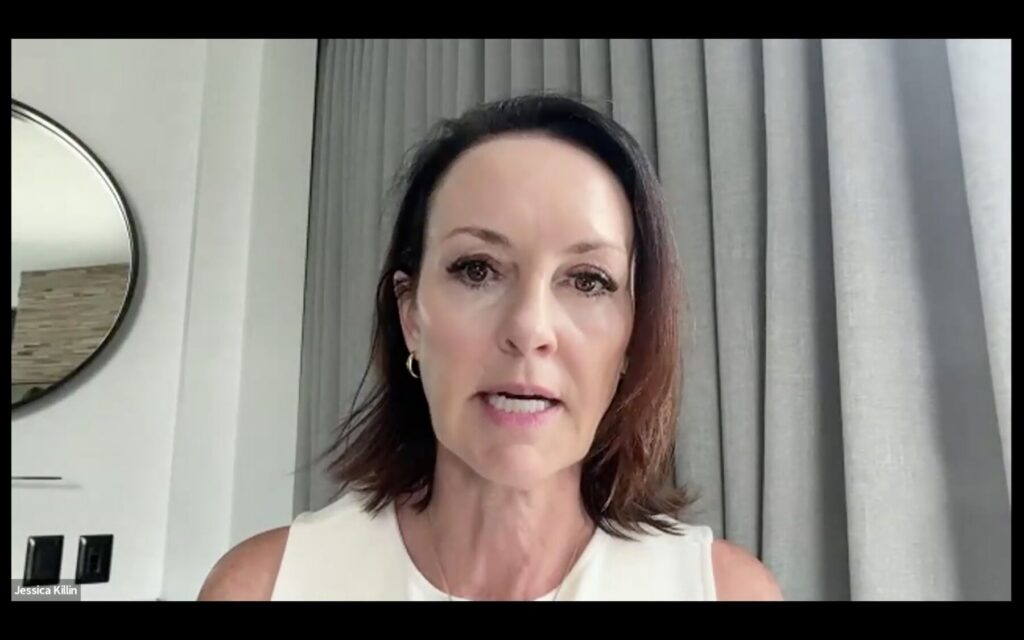
Crank challenger Jessica Killin signs on to new centrist Democratic group’s ‘Promise to America’
Ernest Luning
ernest.luning@coloradopolitics.com
Updated 5 hours ago
Jessica Killin, one of the Democrats running in Tuesday’s primary for the chance to challenge U.S. Rep. Jeff Crank in Colorado’s 5th Congressional District, joined with more than a dozen incumbent Democratic lawmakers and candidates this week signing on to...
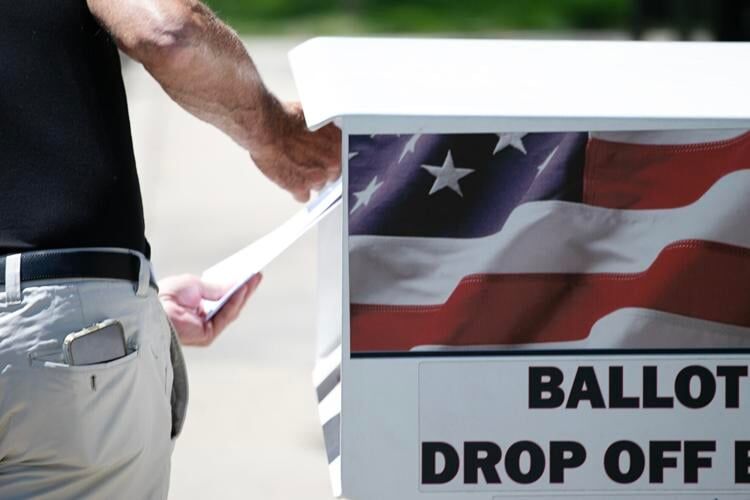
Who’s spending in Colorado to get your vote?
Marianne Goodland
marianne.goodland@coloradopolitics.com
Updated 17 hours ago
Groups that raise unlimited amounts of money have spent about $20 million in May and June to try and influence Colorado voters’ choices in the upcoming June 30 primaries. By law, these groups cannot coordinate with the candidates they support....
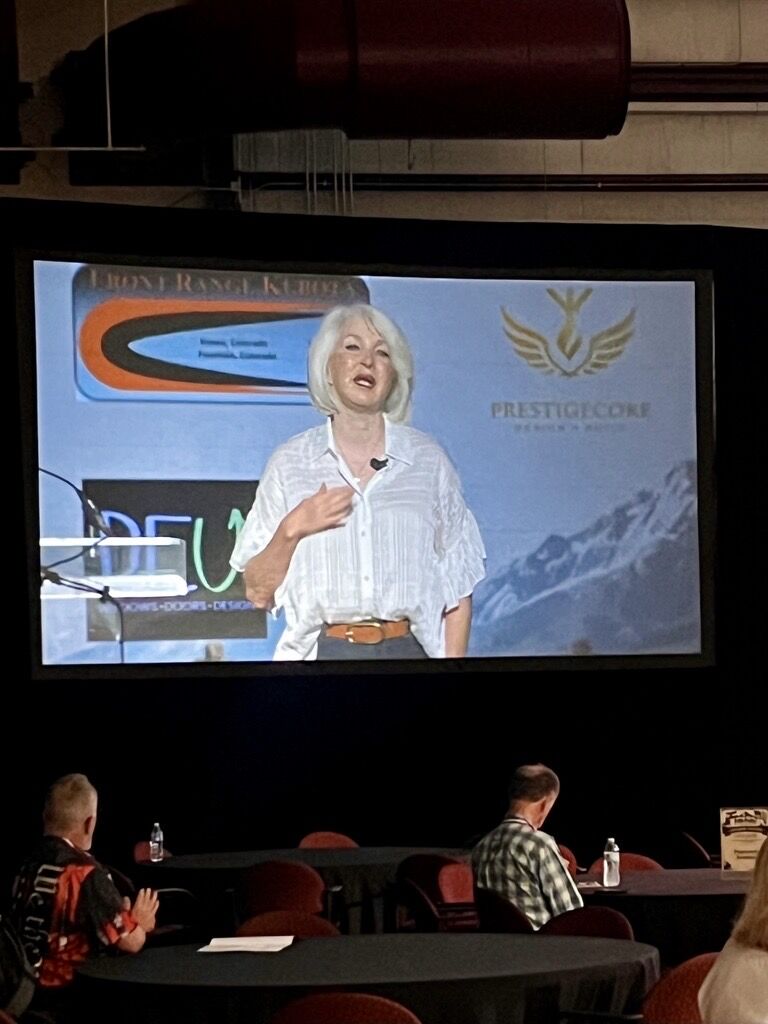
Tina Peters tells supporters to ‘stand up and fight back’ at Castle Rock event
Marissa Ventrelli
marissa.ventrelli@coloradopolitics.com
Updated 1 day ago
Tina Peters, the former Mesa County clerk recently released from prison, warned supporters that what happened to her could happen to them, too, if they did not “stand up and fight back” at an event at the Douglas County Fairgrounds....
Will one unqualified AG replace another? | George Brauchler
George Brauchler
george-brauchler@gazette.com
Updated 2 days ago
Colorado Democrats are poised to nominate another attorney general candidate with de minimis relevant credentials or experience. Far from disqualifying, Colorado’s recent voting history mirrors that of America in favoring biography over experience, partisanship over policy, and emphasizing what divides...
Pueblo’s mayor keeps stirring the pot | Dennis Maes
Dennis Maes
dennis-maes@coloradopolitics.com
Updated 2 days ago
Pueblo Mayor, Heather Graham, has clearly proven to be a disciple of the Donald Trump school of governance. And, like her mentor, she is experiencing the same catastrophic results. The format is to ignore what the electorate approved and expects...
The perils of Colorado’s unregulated abortions | GUEST COLUMN
Colorado Politics
colorado-politics@coloradopolitics.com
Updated 2 days ago
By Tom Perille How did the movement which grew out of a genuine concern for the health and safety of women become the same movement that undermines women’s health and safety today? Despite good intentions, it was a long route...
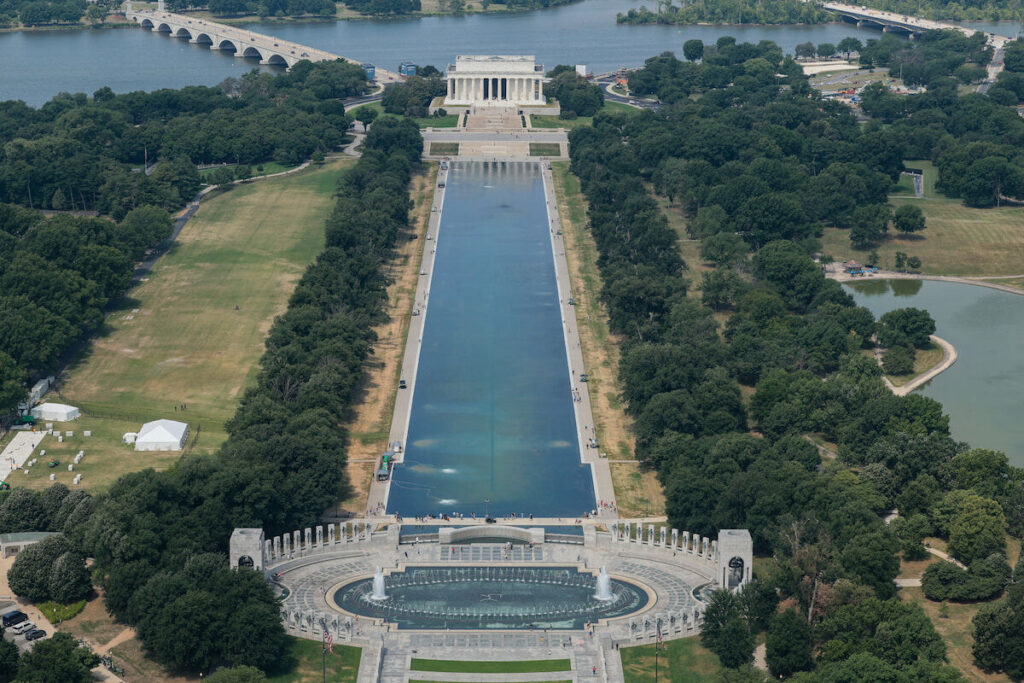
Colorado to participate in Great American State Fair in Washington
Marissa Ventrelli
marissa.ventrelli@coloradopolitics.com
Updated 11 hours ago
Visitors to Washington, D.C. for the country’s 250th anniversary will have the opportunity to learn about Colorado’s natural beauty and culture during the Great American State Fair, a World’s Fair-style event that opened Thursday at the National Mall. While all...

Phil Weiser leading Michael Bennet in Colorado’s Democratic gubernatorial primary, internal poll finds
Ernest Luning
ernest.luning@coloradopolitics.com
Updated 2 days ago
Attorney General Phil Weiser holds a lead over U.S. Sen. Michael Bennet among likely voters less than a week before ballots are due in Colorado’s Democratic gubernatorial primary, according to a new poll released Thursday by a group backing Weiser....
Sans seniors, what does Colorado’s uninterested early turnout say about our disengaged electorate? | Paula Noonan
Paula Noonan
paula-noonan@coloradopolitics.com
Updated 3 days ago
This primary election is poorly attended. Evidence is in the numbers. About 10% of active registered voters are deciding this year’s primaries with seven days to go. If that number triples by June 30, only 30% of voters will decide...
Who gets to decide Colorado’s economic future? | GUEST COLUMN
Colorado Politics
colorado-politics@coloradopolitics.com
Updated 3 days ago
By Sarah Blackhurst Colorado’s prosperity depends on industries that grow our food, build our future and power our homes. But today, these sectors face an invisible threat from 5,000 miles away: the European Union’s Corporate Sustainability Due Diligence Directive (CS3D)....