

Colorado ended surprise medical bills. Now, it’s Congress’ turn

In May, Colorado became one of the few states to ban surprise medical bills. A surprise medical bill is another name for an expensive out-of-network bill that a patient receives – by surprise – because the patient was treated at a medical facility or by a practitioner outside of their insurance network.
And, since the hospital is not bound to any contractual pricing obligations with the insurance company, it can charge the patient more than double the usual price for medical services (e.g., $17,850 for a urine test). It doesn’t help that insurance companies turn a blind eye to their customers. But why should they care? They aren’t responsible for the bill – you are.
Without the corporate resources of a national insurance conglomerate, Americans have no effective way of appealing surprise medical bills. Coloradans, as a result, have had their wages garnished and liens placed on their homes because they couldn’t afford to pay for their high out-of-network bills.
They were a part of a nationwide crisis of Americans going into debt to pay for surprise medical bills. Nationally, one in six insured hospital patients received a surprise medical bill in 2017. Given these odds, it’s no wonder that nearly 70 percent of the country is worried about getting a high out-of-network bill.
Given the scope of the problem, federal legislation is needed to end surprise medical bills nationally. Fortunately, Congress is currently trying to solve this issue. Our representatives are deliberating a number of solutions, but only one stands out as the best way to end surprise medical bills: The STOP Surprise Medical Bills Act (or STOP Act).
Louisiana U.S. Sen. Bill Cassidy, who is also a doctor, introduced the STOP Act in May – and since then it has received bipartisan support. If his bill becomes law, it wouldn’t matter whether the patient was treated by an in-network or out-of-network health-care provider. Regardless of a patient’s network status, they would be charged in-network prices and would only be responsible for the percentage of the medical bill they agreed to when enrolling in the insurance plan. In other words, there would be no surprises. Patients are protected from surprise medical bills.
There are, however, two other options Congress is considering. The first one is a proposal by Rep. Richard Neal to have federal bureaucracies work with health-care industry stakeholders (i.e. lobbyists) to recommend fixed prices on medical services. This wouldn’t work: the industry doesn’t have any meaningful incentives to protect patients and would likely recommend lucrative prices for its services. Instead of ending surprise medical bills, Neal’s proposal would drive up costs for patients.
The next option is including a fix in a large funding bill at the end of the year. If lawmakers choose to wedge a solution in a general funding bill, it would result in an ineffectual attempt at addressing surprise medical bills. Thorough legislation is needed to end the problem – and this is where the STOP Act emerges as the clear victor.
The bill, however, needs more support in the Senate.
Our state has taken the lead on ending surprise medical bills – and, in that spirit, I hope Colorado’s Rep. Jason Crow, Rep. Ken Buck, and Sen. Cory Gardner put a federal stop to this predatory practice by supporting the STOP Act. With their support, we can help end one of the most egregious business practices in recent history.
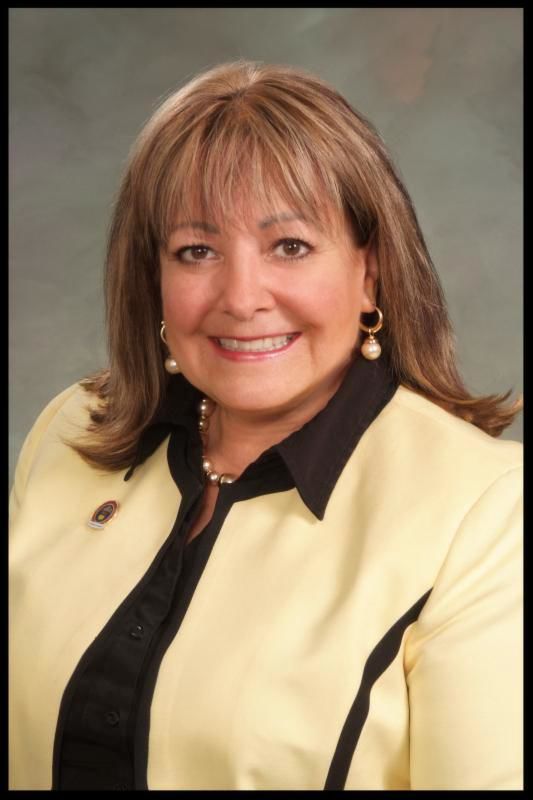
Beth Martinez Humenik, a Republican, represented District 24 in the Colorado state Senate 2015 to 2019.


As education conflicts abound across Colorado, who puts the kids first? | Paula Noonan
Paula Noonan
paula-noonan@coloradopolitics.com
Updated 10 hours ago
Elected school boards and the Colorado Department of Education (CDE) have hit the headlines with fired superintendents, superintendent resignations, failures of oversight, and misdirected dollars. Cherry Creek School District’s superintendent was fired. Jefferson County Schools’ superintendent found a less stressful...

Clock is ticking on Colorado’s new AI rules | PODIUM
Colorado Politics
colorado-politics@coloradopolitics.com
Updated 10 hours ago
By Aashis Luitel On Jan. 1, organizations using covered automated systems must begin complying with Senate Bill 26-189, Colorado’s new Automated Decision-Making Technology Act. They can identify those systems and start building the processes the statute clearly requires. What they...

Meghan Shay on recovery, responsibility and second chances | The OpEdge Podcast
Tony Olivero
tony.olivero@gazette.com
Updated 2 days ago
Step Denver and Step Springs CEO Meghan Shay joins The OpEdge to explore addiction recovery, homelessness, and the role of accountability in lasting change. Shay tells host and investigative columnist Jimmy Sengenberger why she believes recovery is built on personal...

The outrages mount | Hal Bidlack
Hal Bidlack
hal-bidlack@coloradopolitics.com
Updated 2 days ago
My kindly and forgiving editors understand that, from time to time, I can’t help myself from leaping atop my rickety soapbox to vent. And, like many other political commentators have already done, I could easily fill this entire missive with...

Rural Colorado deserves a tax holiday | GUEST COLUMN
Eric Mulder
jstooksberry@gmail.com
Updated 2 days ago
Spend enough time in Colorado’s Eastern Plains, the San Luis Valley, or the Western Slope, and you’ll see boarded-up storefronts, schools consolidating classrooms, and small rural communities stretching every dollar to keep basic services afloat. Once the backbone of Colorado’s...

Weiser’s leadership crucial for rural win-win | Rachel Gabel
Rachel Gabel
rachel-gabel@coloradopolitics.com
Updated 6 days ago
Attorney General Phil Weiser is going to win the gubernatorial election. That said, Colorado agriculture and rural communities have a 30-year track record of finding the win-win be it for species or industries or habitat. Former Governor Roy Romer possessed...

A Colorado history lesson for Victor Marx | Dick Wadhams
Dick Wadhams
dick-wadhams@coloradopolitics.com
Updated 5 days ago
Victor Marx, who narrowly won the Republican nomination for governor by one half 1% after boasting of a massive 44-point lead, is just as misguided on Colorado political history. During the primary, Marx made a clumsy attempt to denigrate his...

‘Be prepared to march in the streets’ | Miller Hudson
Miller Hudson
miller-hudson@coloradopolitics.com
Updated 10 hours ago
It was early in 1974 when I first met Tim Wirth as he announced his candidacy for Congress, challenging Republican incumbent Don Brotzman. Although I had only resided in Colorado two years, I was drafted to serve as a Democratic...

‘CoCo’ would take taxpayers for a ride | Jon Caldara
Jon Caldara
jon-caldara@coloradopolitics.com
Updated 3 days ago
Colorado wants taxpayers to spend another $4.73 billion on passenger rail. Don’t worry. They have a plan. Which is a little like your brother-in-law announcing he’s launching another exciting restaurant venture after his last three restaurants ended in bankruptcy. Please....

The through line from Donald Trump to Victor Marx | SONDERMANN
By Eric Sondermann
by-eric-sondermann@coloradopolitics.com
Updated 1 week ago
Over 10 years ago, before Donald Trump could ever defeat Hillary Rodham Clinton, he had to first engineer a hostile takeover of the Republican Party. Prior to his descent of that golden escalator, the previous seven Republican presidential nominees had...
PREV
PREVIOUS

BIDLACK | Come on, Colorado, we can do better than 35%
Hal Bidlack Well, we just finished our off-off-year election, and once again the good people of Colorado confused the heck out of me. Or rather, I should say that about a third of Colorado voters really confused me. It appears that about 35% of eligible voters bothered to mail in their ballots this election cycle. […]

OPINION | Colorado businesses are working to ensure economic opportunity, a sustainable world for all
Jeff Wasden We are facing significant challenges in Colorado and the United States – income inequality, access to quality education, skyrocketing housing prices, congestion and crumbling infrastructure, rising healthcare costs and growing climate concerns. Here in Colorado, we are also facing changes to family medical leave, minimum wage, and our health-care system. Politicians love to […]