

You may need a college degree to figure out your Colorado ballot
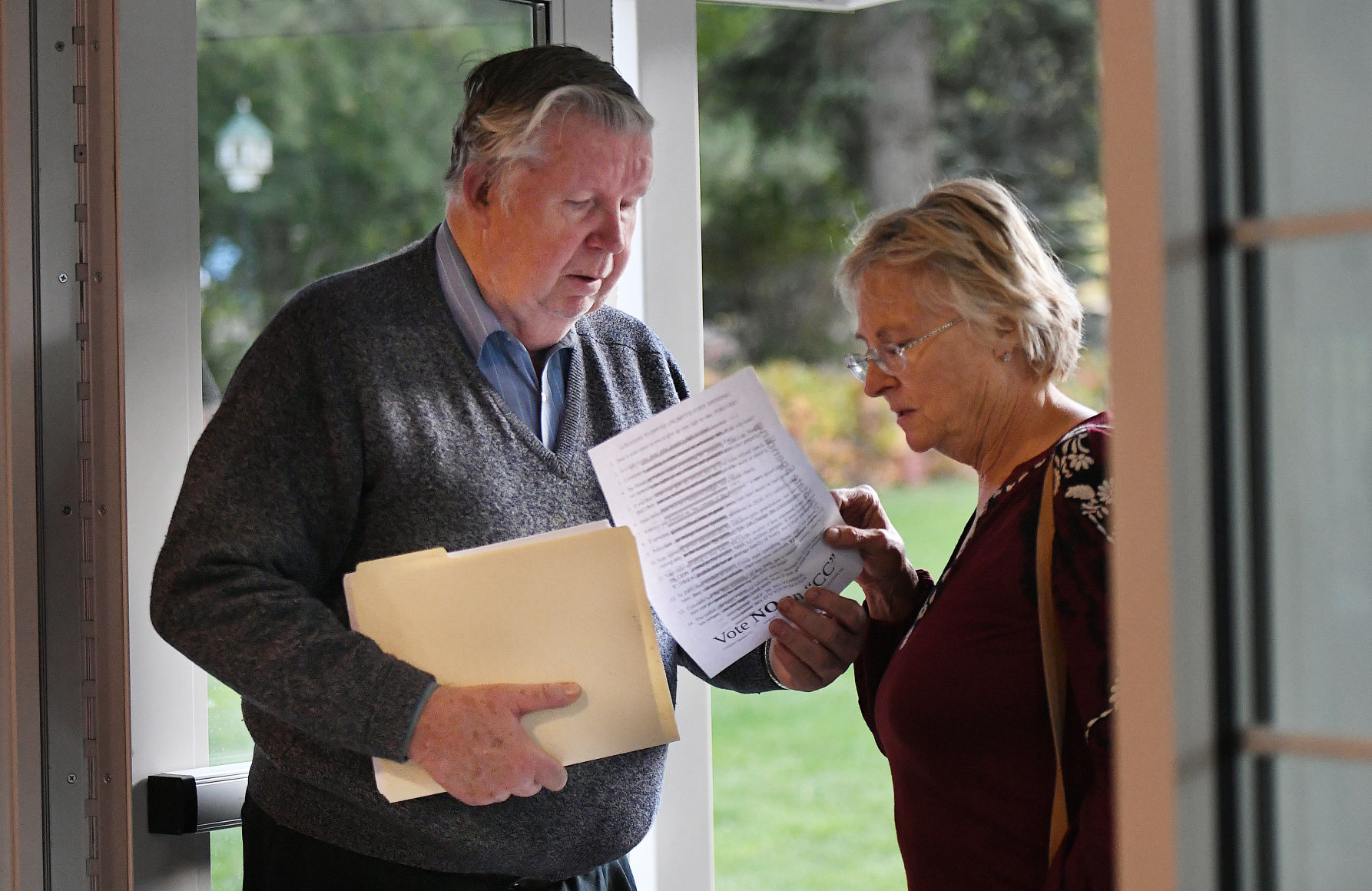
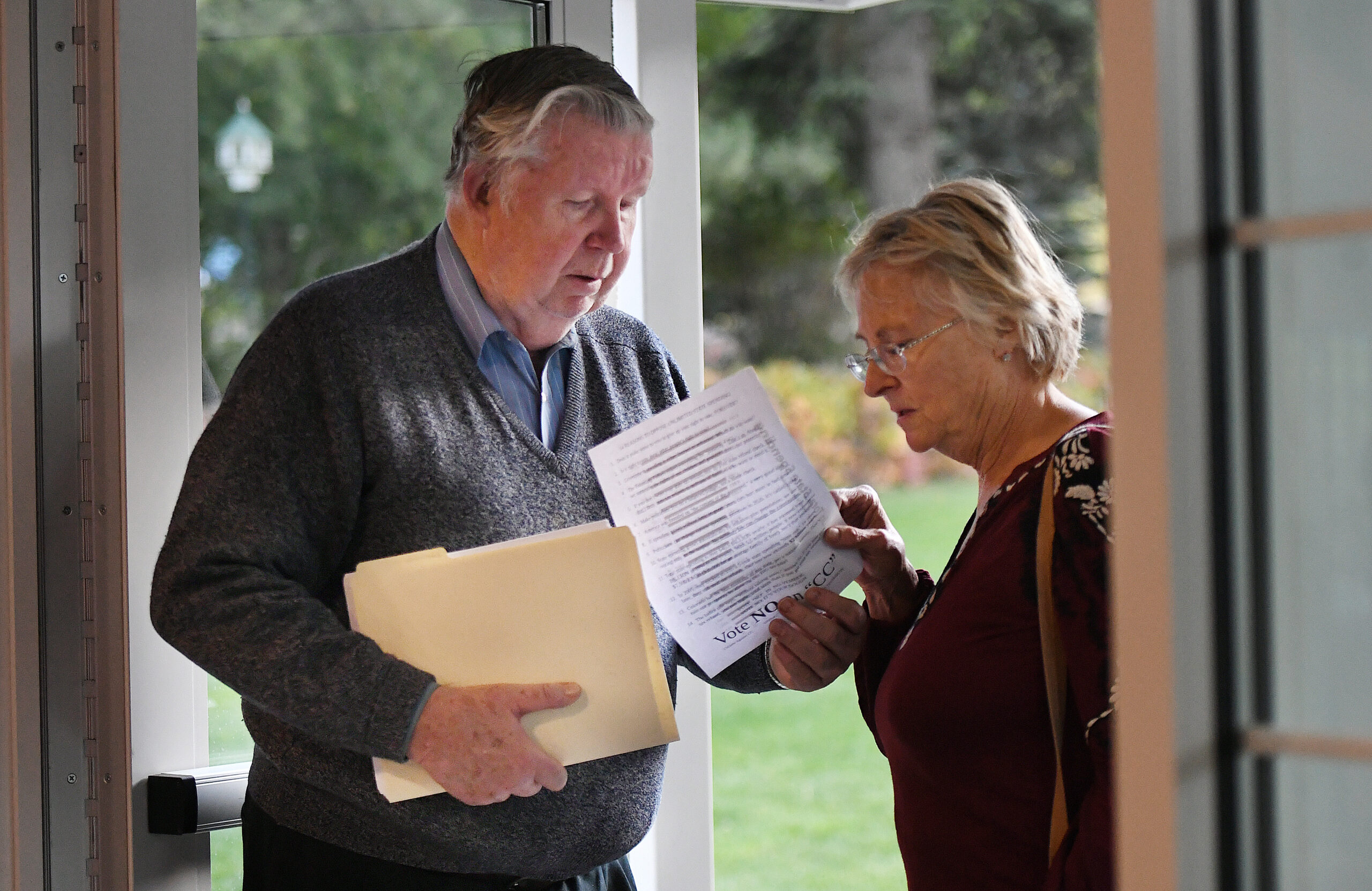
You don’t have to be a rocket science to figure out the Nov. 5 ballot in Colorado. A college degree, however, would help.
Propositions CC and DD are “very difficult” to understand, says their readability index.
Proposition CC would let the state keep refunds granted by the Taxpayer’s Bill of Rights to fund schools and education.
Proposition DD would legalize sports betting by putting a tax on it. A projected $29 million would flow into the state water plan.
The wonky legalese landing in mailboxes this week isn’t quite so clear.
Gambling.com pointed out Monday that Proposition DD scored so poorly on the Flesch Kincaid Grade Level Calculator it would require a college degree to decipher.
“With just a few weeks before the Nov. 5 Colorado election, even would-be legal sports bettors are having trouble understanding just what they’re voting on,” wrote Ryan Butler for the Gambling.com website on Monday.
Proposition CC scored just as poorly, according to the calculator.
Granted, Colorado is one of the country’s best-educated states. More than 47% of adults have education beyond K-12.
Blame the politicians.
Both measures were written and referred to the ballot by the legislature last spring.
Language matters, especially to unengaged voters.
In 2016, removing a reference to slavery in the state constitution failed by less than half a percentage point.
Amendment T’s loss was attributed to confusing language.
Legislators voted unanimously to refer the measure to the ballot, asking, “Shall there be an amendment to the Colorado constitution concerning the removal of the exception to the prohibition of slavery and involuntary servitude when used as punishment for persons duly convicted of a crime?”
Amendment T also needed a college degree.
But the same was true last year when Amendment A passed with more than 66% support.
Voters were asked a more straightforward question: “Shall there be an amendment to the Colorado constitution that prohibits slavery and involuntary servitude as punishment for a crime and thereby prohibits slavery and involuntary servitude in all circumstances?”
For what it’s worth, Flesch Kincaid rated this blog “plain English,” which could be understood by an eighth-grader.


US service member missing after Iran shot down fighter jet has been rescued, US officials say
Associated Press
associated-press@coloradopolitics.com
Updated 13 hours ago
JERUSALEM — President Donald Trump announced early Sunday that the U.S. had rescued an aviator nearly two days after he was shot down over Iran. The extraction came after a frantic search in what appears to be a remote, mountainous region of...

Low and slow meets forever: US postage stamps honor lowrider car culture | OUT WEST ROUNDUP
The Associated Press
the-associated-press@coloradopolitics.com
Updated 5 days ago
NEW MEXICO Stamps honor lowrider culture ALBUQUERQUE — From Mexican American and Chicano barrios in the American Southwest to the halls of the Smithsonian on the National Mall and even the streets of Japan, lowrider culture has become part of...

Colorado Politics Calendar Apr. 6-12
Rachael Wright, Special to Colorado Politics
rachael.wright@coloradopolitics.com
Updated 5 days ago
CoPo’s weekly political calendar will help you find political and public-policy events throughout Colorado. It includes candidate and issue campaign events, public policy meetings, court hearings, state and local party conventions, assemblies, debates, rallies, parades, speaking engagements, traveling dignitary appearances,...

Democrats rebounding without learning necessary lessons | SONDERMANN
Eric Sondermann
eric-sondermann@coloradopolitics.com
Updated 2 days ago
“When we fight, we win!” That, reportedly, was the chant heard over and over again at the Colorado Democratic Assembly a week ago. It suggests that pugilism has been the piece missing from the Democratic toolkit. Perhaps it was just...
An April Fool’s Day to remember | Capitol M | Week of April 4, 2026
Marianne Goodland
marianne.goodland@coloradopolitics.com
Updated 3 days ago
The lighter side of the Capitol, and if light were weight, the Capitol would have lifted off better than the Artemis II rocket on April Fool’s Day. There was a plethora of Fools at the Capitol for April Fool’s Day...
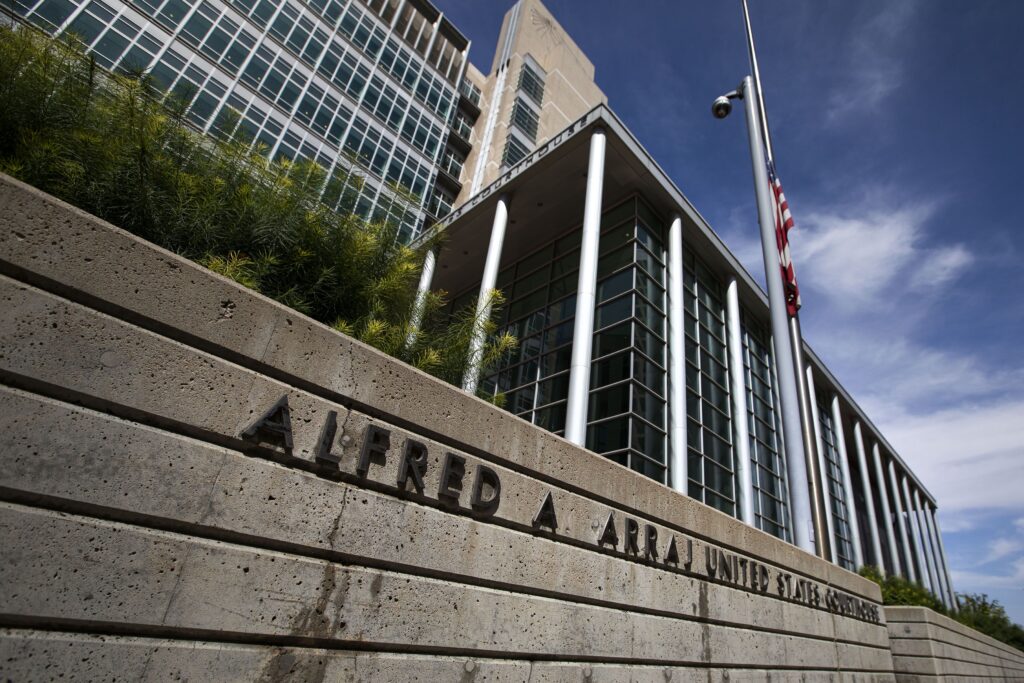
Federal judge sides with Mesa County school district in ex-student’s First Amendment claims
Michael Karlik
michael.karlik@coloradopolitics.com
Updated 2 days ago
A federal judge concluded last week that Mesa County Valley School District 51 and three of its administrators did not violate the First Amendment rights of a former student when they imposed minor discipline in response to disruptive behavior. In...

Colorado Supreme Court intervenes in 4 ongoing cases
Michael Karlik
michael.karlik@coloradopolitics.com
Updated 2 days ago
The Colorado Supreme Court recently moved to intervene in four ongoing cases, including two criminal prosecutions, a civil lawsuit, and a child welfare proceeding. At least four of the court’s seven members must agree to hear a case outside of...
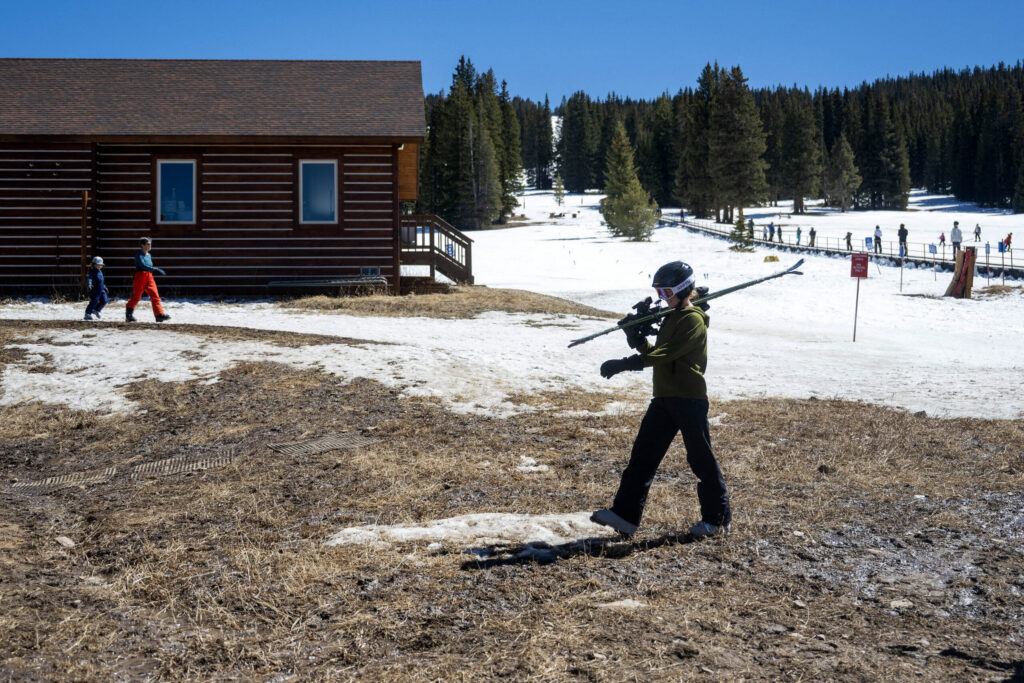
Colorado ski resorts announce early closures amid historic snowpack lows, high temperatures
Kyla Pearce
kyla.pearce@gazette.com
Updated 1 day ago
Vail Resorts is the latest area to announce season closure Wednesday As Colorado’s historically low snowpack year comes to a close and spring conditions take over the mountains, the state’s major ski resorts are announcing closing dates — some of...

Kentucky Gov. Andy Beshear set to headline Colorado Democrats’ annual fundraising dinner
Ernest Luning
ernest.luning@coloradopolitics.com
Updated 2 days ago
Kentucky Gov. Andy Beshear, one of the Democrats’ top 2028 presidential prospects, is scheduled to deliver the keynote address at the Colorado Democratic Party’s annual fundraising dinner in June in Denver, the party said Friday. Serving his second term as...
Gov. Polis names new leaders for Colorado health agencies in wake of Medicaid turmoil
Marianne Goodland
marianne.goodland@coloradopolitics.com
Updated 2 days ago
Gov. Jared Polis, on Thursday, announced he was appointing Gretchen Hammer to serve as acting executive director of the Colorado Department of Health Care Policy and Financing, and deputy executive director Stephanie Beasley to become the next commissioner of the...
PREV
PREVIOUS

Denver City Council committee considers proposal for elected sheriff
Monday marked the first time Denver City Council members publicly weighed Councilwoman Candi CdeBaca’s proposal to amend the city charter and allow voters to elect the county’s sheriff – a policy widespread throughout the state. Denver’s mayor is currently tasked with selecting the sheriff, and CdeBaca presented her plan to change that during the council’s newly […]

Aurora school board candidates weigh in on charters, district leadership, more
In Aurora, voters will select three new board members to lead the city’s school district this November. Five candidates are running to fill three seats on the seven-member school board. There are no incumbents running this election, but two of the candidates, Amber Drevon and Barbara Yamrick, have previously served on the school board. To […]