

Will Democratic presidential candidates’ energy plans kill off fossil fuels?
Most Democratic presidential candidates running for president have rallied around a shared goal: cutting greenhouse gas emissions to net-zero by 2050.
However, few candidates appear to appreciate the ambition of that target, or explicitly say that it would necessitate almost entirely ending the use of fossil fuels such as coal, oil, and gas.
Fossil fuels – petroleum, natural gas, and coal – accounted for 80% of U.S. total energy consumption in 2018, according to the Energy Information Administration.
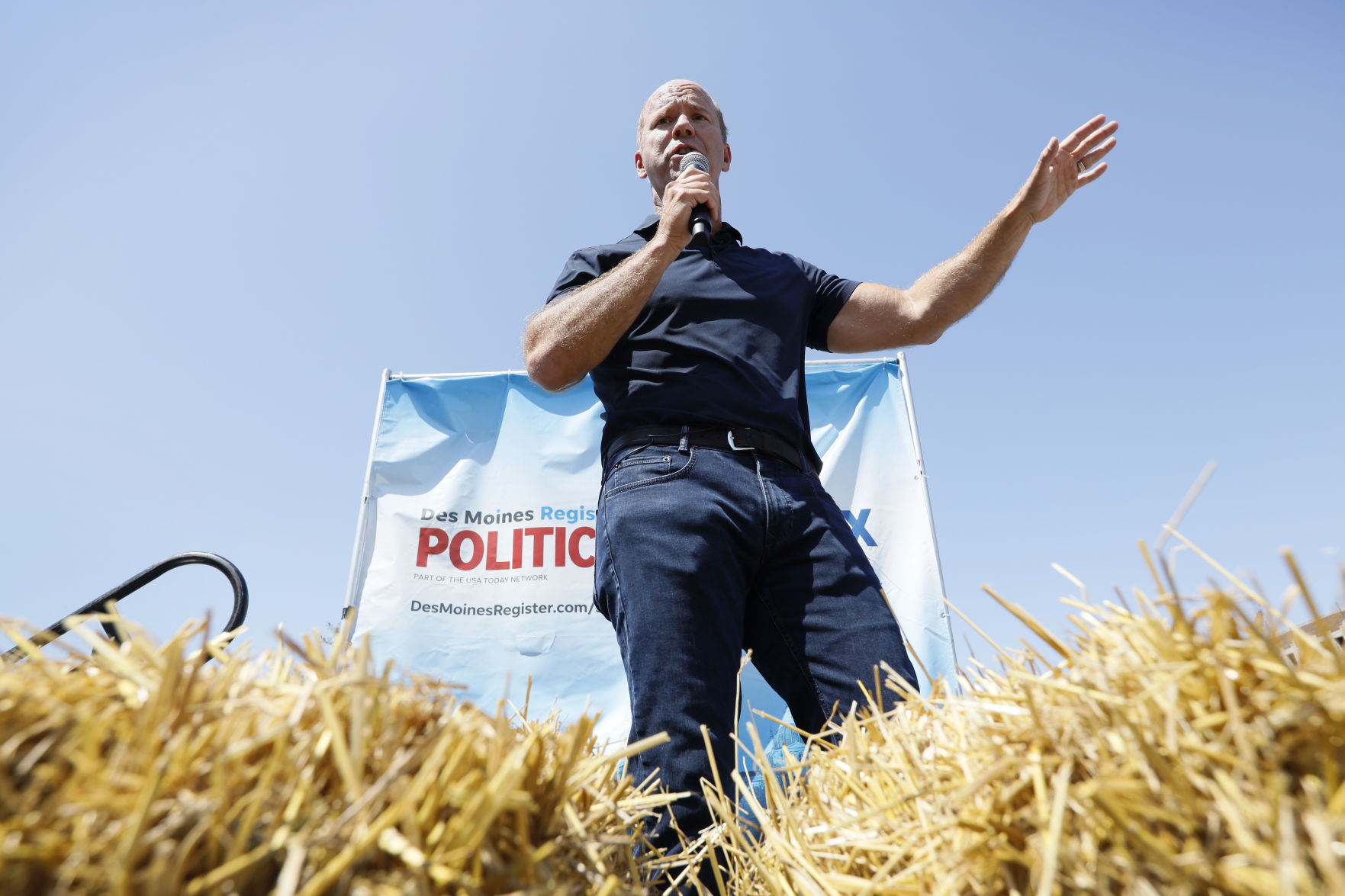
“Getting to net-zero by 2050, which some people try to diminish, will take a herculean effort and will require a reorganization of our energy economy in ways never imagined before,” said John Delaney, a presidential candidate and former congressman from Maryland, in an interview with the Washington Examiner.
Net-zero emissions means that no more carbon emissions are produced within the country than are eliminated from the atmosphere. Although many Democrats have embraced the goal of net-zero, few have outlined policy prescriptions for reaching the goal, or mentioned how they would get Americans to stop using fossil fuels.
The exception is Jay Inslee, who has offered a comprehensive plan for ending the use of fossil fuels, which includes more immediate, specific goals of eliminating coal by 2030 and having fossil fuel-free electricity by 2035. His agenda includes working with Congress to ban the technique of fracking for natural gas, and rejecting new fossil fuel infrastructure such as pipelines.
Inslee, the governor of Washington state, accused frontrunner Joe Biden during last month’s presidential debate of not sufficiently committing to eliminate fossil fuels from the U.S. economy.
“Joe Biden showed that has no real plan to end coal, stop new fossil fuel infrastructure, or end fracking,” said Inslee campaign manager Aisling Kerins. “We are out of time, and it’s clear Joe Biden still doesn’t have a strong-enough plan to save us from the climate crisis.”
Under pressure from Inslee, Biden suggested during the debate that he would in fact end the use of coal and ban fracking.
But his campaign later walked back the debate statements, reiterating his support for more limited policies targeting fossil fuels, including ending government subsidies for the industry, which is a pledge most other candidates have also made.
Most candidates, including Biden, have also vowed to ban new oil and gas drilling leases on public lands – nearly a quarter of U.S. greenhouse emissions come from energy production on public lands. But they leave the door open for fossil fuel use more broadly.
“Joe Biden is committed to achieving a 100% clean energy economy and net-zero emissions by 2050,” a Biden spokesman said. “He supports eliminating subsidies for coal and gas and deploying carbon capture and sequestration technology to create economic benefits for multiple industries and significantly reduce carbon dioxide emissions.”
Presidential candidate Michael Bennet of Colorado has said he favors an “all-of-the-above strategy that transitions Colorado to cleaner sources of energy while growing the economy.” In the Senate, Bennet “has fought to retain wind and solar tax credits and led bipartisan legislation to clean up coal emission from plants and expand the market for liquefied natural gas,” a campaign statement says.
In May, Bennet, a U.S. senator, said he wanted to commit $1 trillion for underwriting research and projects to address climate change, and has called for reaching net-zero U.S. emissions by midcentury. Bennet also would require utilities to offer consumers green-energy options.
Bennet’s timetable of net-zero emissions no later than 2050 is longer than some activists have called for, but he said it was realistic and in line with what scientists say is needed.
In July, Bennet co-sponsored a bill called the Climate Risk Disclosure Act, which would require companies to assess their contribution to climate change and share that information with investors and the public.
Bennet is a member of the Senate Democrats’ Special Committee on the Climate Crisis.
Paul Bledsoe, a former climate adviser to President Bill Clinton, says candidates need to be more specific about how they would treat fossil fuels and transparent about the technological and political hurdles of doing so.
“Biden and other moderate candidates must emphasize that the market is already phasing out coal over time, but that their climate policies still allow a role for natural gas as a low-carbon transition fuel for some time,” said Bledsoe, who is now a strategic adviser at the Progressive Policy Institute. “This distinction is crucial to success in swing states like Pennsylvania, Ohio, and Michigan.”
Some experts, however, say Biden and other candidates are simply reflecting reality when they are being coy phasing out fossil fuels.
To reach the net-zero goal, the United Nations climate panel envisions keeping fossil fuels in use by pairing coal or gas plants with carbon capture technology, which can remove emissions from a power plant and store it underground.
“To get to net-zero emissions, we’re going to have to start phasing out electricity from coal and gas that doesn’t involve carbon capture,” said Jeff Navin, a former chief of staff at the Energy Department in the Obama administration. “Biden seems to get that coal and gas are either going to die or learn how to be part of a zero-emissions future via carbon capture.”
Eliminating fossil fuels is hard. It is true that coal used for electricity in the U.S. is declining due to competition from cheaper natural gas and renewables. Wind and solar are the largest sources of new electricity generation in the U.S., but renewables are still a small share of the overall energy mix.
It is natural gas, which emits half the carbon of coal, that has mostly replaced coal in the electricity sector, supplying 35% of current U.S. power, compared to about 17% from renewable sources, the EIA says. Natural gas use reached a record high in 2018, rising across all economic sectors, including residential, commercial, and manufacturing.
“The future for renewable energy is better than would have thought five to years ago, but even so, to get net-zero, we need to have carbon capture and storage for fossil fuels in the mix,” said David Doniger, senior strategic director of the Natural Resources Defense Council’s Action Fund.
Delaney’s climate change plan calls for Congress to pass a carbon tax that he says would encourage producers to switch away from fossil fuels, reducing carbon emissions 90% by 2050. The rest of the missions reductions would come from investments in carbon capture.
“I would like for there to be no fossil fuels by 2050,” Delaney said. “But I also believe the scale of this problem is so significant that we have to be pursuing lots of different strategies in the event we can’t get off fossil fuels by 2050. There is a risk when you make impossible promises. The risk is no one takes you seriously.”
Colorado Politics and The Associated Press contributed.

DeGette challenger Melat Kiros trounces 15-term Democratic incumbent in Denver delegate vote
Ernest Luning
ernest.luning@coloradopolitics.com
Updated 2 days ago
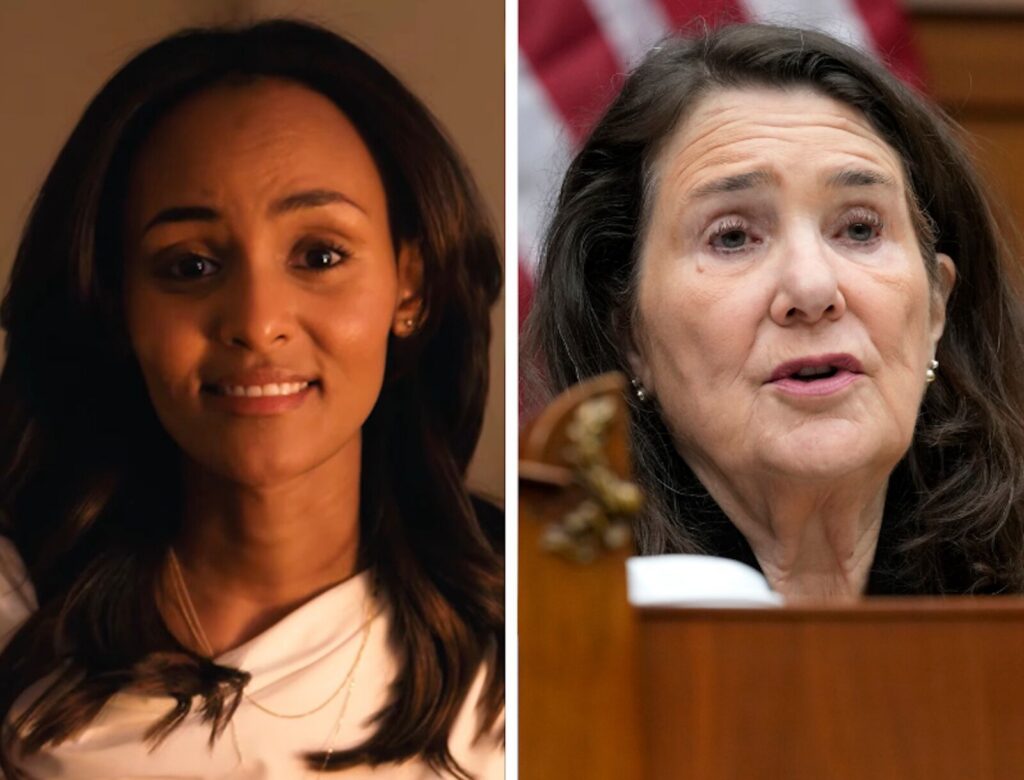
The 28-year-old, first-time candidate challenging Democratic U.S. Rep. Diana DeGette in this year’s primary soundly defeated the 15-term incumbent in a delegate preference poll conducted Saturday at a county party assembly in Denver. Melat Kiros, the daughter of Ethiopian immigrants...
Army veterans Jessica Killin, Joe Reagan qualify for Democratic primary ballot in Colorado’s 5th CD
Ernest Luning
ernest.luning@coloradopolitics.com
Updated 2 days ago
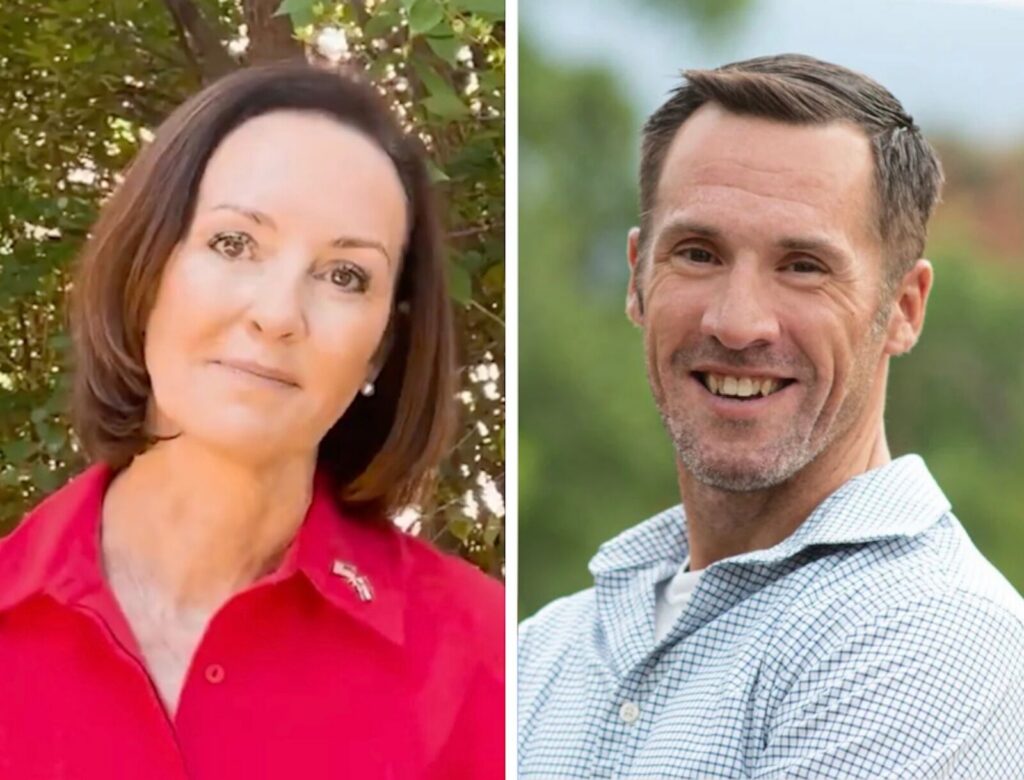
Democratic congressional candidates Jessica Killin and Joe Reagan secured spots Saturday in Colorado’s June primary to decide who will run against Republican U.S. Rep. Jeff Crank in a district that’s only ever sent GOP lawmakers to Congress. The two Democrats,...
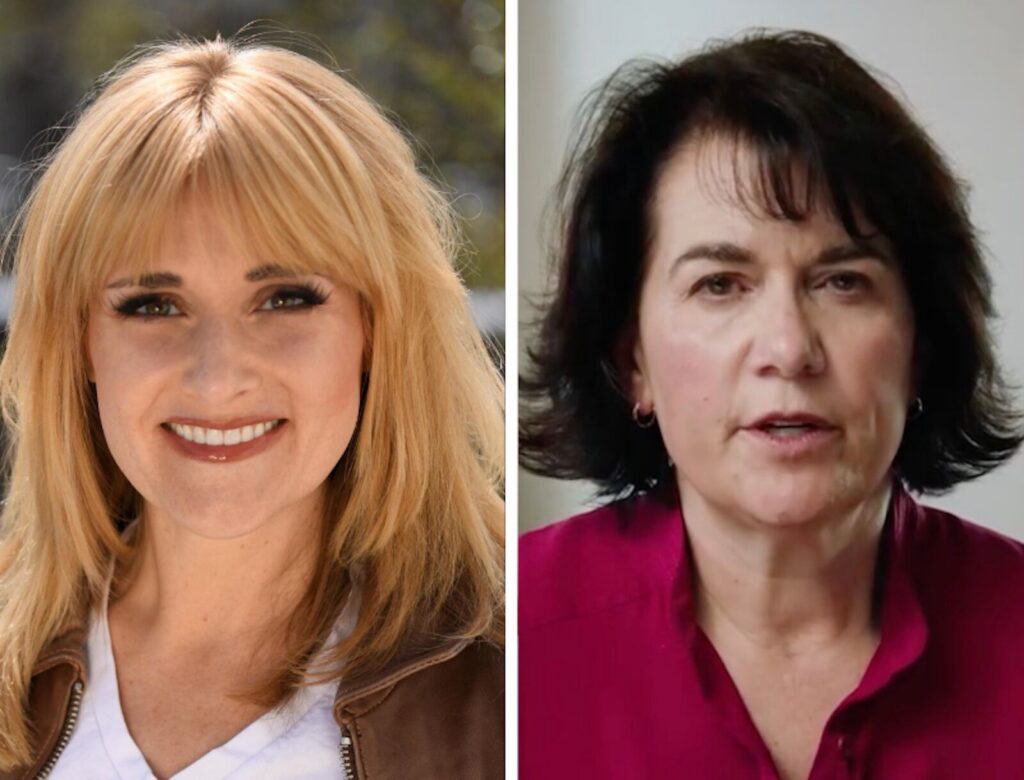
Boebert challenger Eileen Laubacher joins lawsuit aimed at blocking her from Democratic assembly
Ernest Luning
ernest.luning@coloradopolitics.com
Updated 4 days ago
A Denver District Court judge on Thursday permitted Democratic congressional candidate Eileen Laubacher to join a lawsuit filed by one of her primary opponents seeking to prevent Laubacher from participating in the party’s assembly process in a bid to qualify...

Colorado GOP chair Brita Horn says she’ll resign next month, points to ‘divide within our party’
Ernest Luning
ernest.luning@coloradopolitics.com
Updated 5 days ago
Colorado Republican Party Chair Brita Horn said Thursday that she will resign her position next month following the GOP’s state assembly, citing what she described as an “enduring divide” within the party “marked by vitriol and hostility.” Horn’s announcement came...
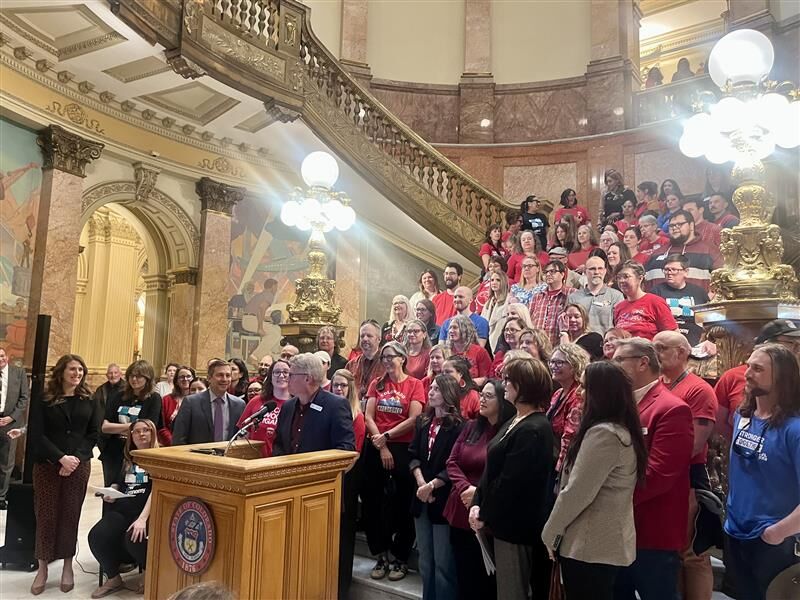
Senate committee moves forward with Colorado ballot measure to redirect TABOR refunds to schools
Marianne Goodland
marianne.goodland@coloradopolitics.com
Updated 4 days ago
A Senate panel on Thursday voted along party lines to move forward with a bill that would ask voters for permission to eliminate Taxpayer’s Bill of Rights refunds and redirect those dollars to K-12 public education. The 6-3 vote in...

Colorado committee recommends rejecting alcohol, marijuana tax hike to fund mental health care
Marissa Ventrelli
marissa.ventrelli@coloradopolitics.com
Updated 20 hours ago
In a rare move, Colorado’s Capital Development Committee unanimously recommended that another legislative committee reject a bill asking voters to approve higher excise taxes on alcohol and marijuana to fund a new mental health hospital in Aurora. Sponsored by Rep....

Republican Jeff Crank, Democrat Jessica Killin qualify by petition for Colorado’s 5th CD primary
Ernest Luning
ernest.luning@coloradopolitics.com
Updated 5 days ago
Republican U.S. Rep. Jeff Crank and Jessica Killin, one of the Democrats challenging the first-term incumbent, have both qualified for the primary ballot in Colorado’s 5th Congressional District after turning in a sufficient number of petition signatures, state election officials...
Split vote by Colorado Title Board stops ballot push to privatize Pinnacol Assurance
Marianne Goodland
marianne.goodland@coloradopolitics.com
Updated 3 days ago
The Colorado Title Board, a three-member panel that sets the language for ballot measures, recently reversed a prior decision and blocked a proposal to privatize Pinnacol Assurance from moving forward. The main issue decided by the title board is whether...
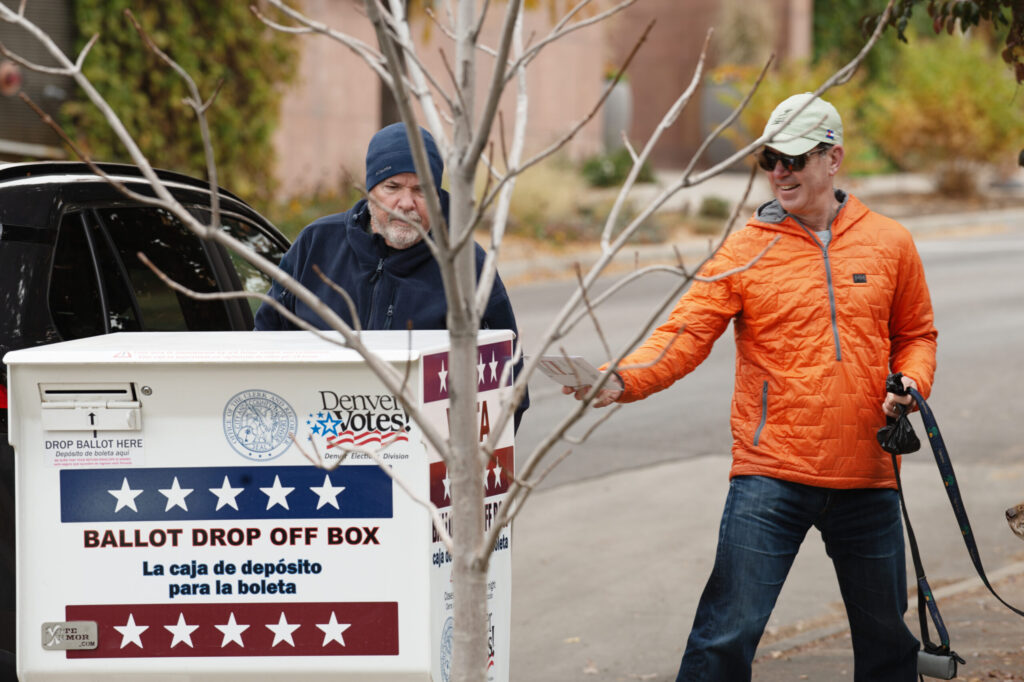
Colorado joins multi-state call to keep ICE away from polling locations
Jacob Mauk
jacob.mauk@denvergazette.com
Updated 1 week ago
Colorado Secretary of State Jena Griswold announced Monday that the state has formally requested written confirmation from the Department of Homeland Security that ICE agents will not be stationed at polling locations during the 2026 election cycle, according to a...
Can deliberation save democracy? | Vince Bzdek
Vince Bzdek
vince.bzdek@gazette.com
Updated 1 week ago
In September 2019, 523 Americans traveled to Dallas for an experiment called “America in One Room.” The gathering was designed to test a theory: Could representative citizens deliberate productively even in an era of intense polarization? The event focused on...
PREV
PREVIOUS

DougCo superintendent warns charter schools not to arm teachers (VIDEO)
The Douglas County School District superintendent laid down an ultimatum on school security Tuesday, saying that charter schools that arm teachers aren’t welcome in his district. Thomas Tucker issued the warning while testifying before the state legislature’s School Safety Committee. Thomas Tucker, Douglas County School District superintendent, testifies before the state legislature on Tuesday, Aug. […]

Colorado disbars 'respected' attorney Dennis Hartley over misdeeds
Dennis Hartley reigned as a top attorney in Colorado Springs for years, defending Oklahoma City bomber Timothy McVeigh and homegrown murderers including Timothy Nicholls, who killed his three children for an insurance payoff. But this week, the long legal career of Hartley, 77, ends without fanfare, the result of a rare disbarment after a laundry […]