

COVER STORY | Declaring independence: 8 views on unaffiliated Coloradans
They’re the state’s biggest voting bloc, outnumbering Democrats by over a quarter of a million votes and Republicans by even more.
Some say they embody our maverick spirit and our Western way of bucking politics as usual. Colorado is in fact second only to Alaska in the percentage of its voters who register without a political party, and their share of the electorate is growing fast.
Officially “unaffiliated” but better known as independent, they long have had the ability to swing elections in our perennially purple state – whether by design or default – which arguably makes them the sleeping giant of Colorado politics.
Each of the two major political parties regularly attempts to rouse them in hopes of enlisting their aid – while also mindful the giant could wake up on the wrong side of the bed.
It is, after all, the unaffiliateds who are credited with having swung Colorado to Hillary Clinton in 2016 even as their unaffiliated counterparts in some other, battleground states carried the day for Donald Trump.
Colorado’s unaffiliated voters also are said to have been instrumental, even pivotal, in bringing about last fall’s Democratic sweep of state government – a visceral response, pollsters have concluded, among independents to the Trump presidency.
Yet, if Trump is toxic to GOP efforts to woo unaffiliateds, the same bloc appeared no more likely to buy into the unsuccessful, Democrat-backed tax hikes and frack ban on last November’s ballot than were Republicans.
Their persistent presence as a political force raises wide-ranging questions for the two parties that at once court and fear them. Can their force be harnessed by either party? Or, is it more like trying to herd cats – given how they represent a political movement that, by definition, isn’t really a movement at all?
Are they principled moderates residing philosophically somewhere between the major parties, or are they at best fickle and perhaps even downright disinterested in politics altogether – voting only grudgingly because society has conditioned them to?
And just what is their place in the political pecking order by the lights of Rs and Ds? Co-equals – or cheap dates to be coaxed and flattered before Election Day and then ignored the morning after?
If it’s the latter, it may help explain a vote this year by the legislature raising the bar on unaffiliated candidates for office. Is it a case of, “We like you as voters, but as elected officeholders, not so much”?
We put those and other questions to eight players in Colorado politics who have had a stake of one kind or another in the trajectory of unaffiliated voters, and we asked them to weigh in on the points they found most compelling.
Contributors include a couple of Coloradans who ran for office unsuccessfully as unaffiliateds; one of them also is a local elected official who points out how little party affiliation matters in municipal government.
There also are a couple of prominent former state lawmakers who left their parties – one R, one D – and explain why.
There’s a respected pollster who draws some pointed conclusions about the trajectory of the unaffiliated vote, and there’s a sober appraisal of independent candidates’ prospects at the polls – by the point man for a statewide and nationwide effort, centered in Colorado, to organize and unleash the unaffiliateds.
A lot of political potential – but can it be tapped?

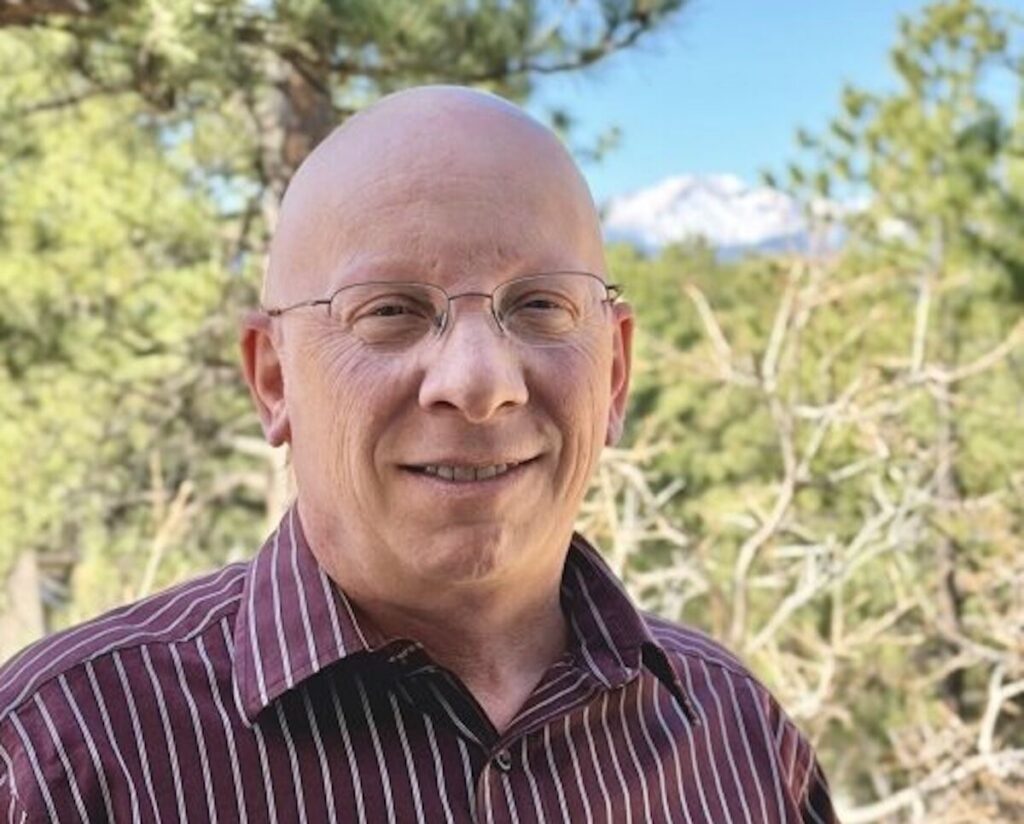
Colorado Republicans elect software engineer Craig Steiner to fill vacant state chairman position
Ernest Luning
ernest.luning@coloradopolitics.com
Updated 13 hours ago
The Colorado Republican Party on Saturday elected Craig Steiner to fill the party’s vacant state chair position at a state central committee meeting in Buena Vista, just over a week before primary ballots go out to voters and five months...
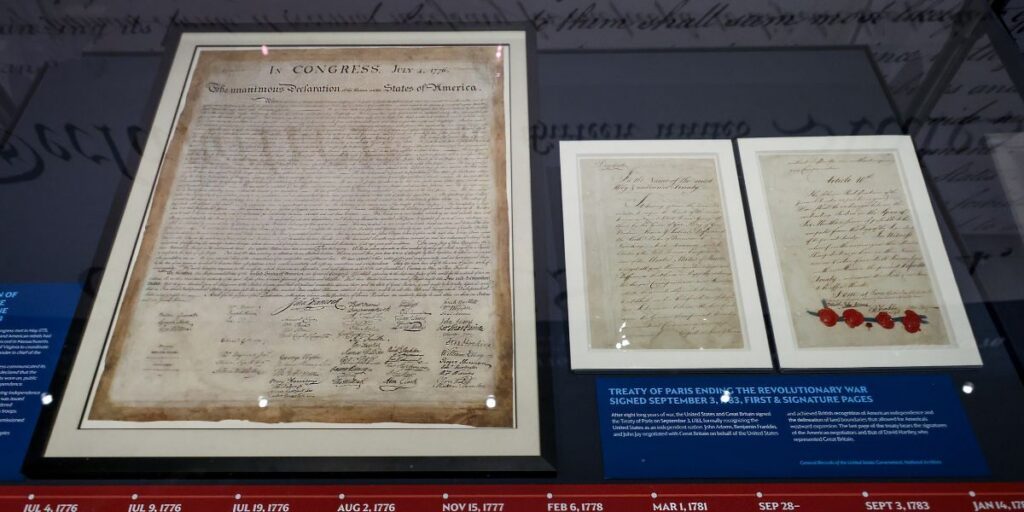
Founding documents reconnect us to our shared American roots – and rebelliousness | Vince Bzdek
Vince Bzdek
vince.bzdek@gazette.com
Updated 19 hours ago
When you first lay eyes on the actual founding documents of our country that, for the first time in history, have traveled together from their gilded cages in Washington to visit us out here in the hinterlands, you’re struck not...
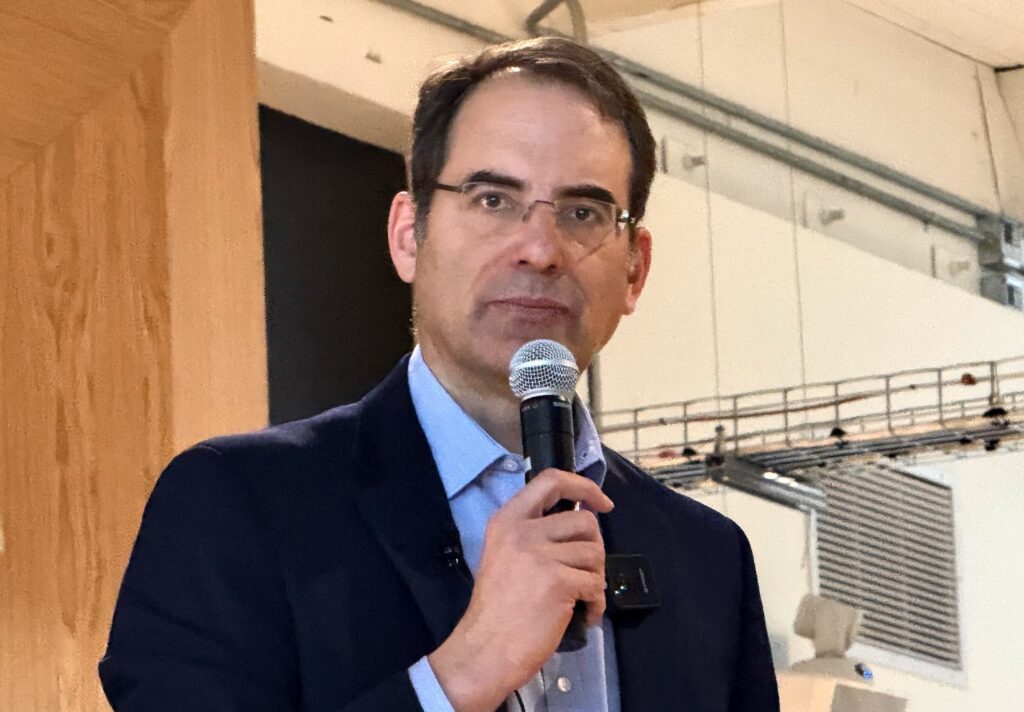
Attorney General Phil Weiser’s underdog campaign for Colorado governor| Cronin and Loevy
Tom Cronin Bob Loevy
tom-cronin-bob-loevy@coloradopolitics.com
Updated 11 hours ago
Phil Weiser, 58, Colorado’s attorney general, is in a heated race against U.S. Sen. Michael Bennet, 61, for the Democratic nomination for governor. They are friends and share mostly similar progressive, Democratic policy views. Primary election day is June 30....
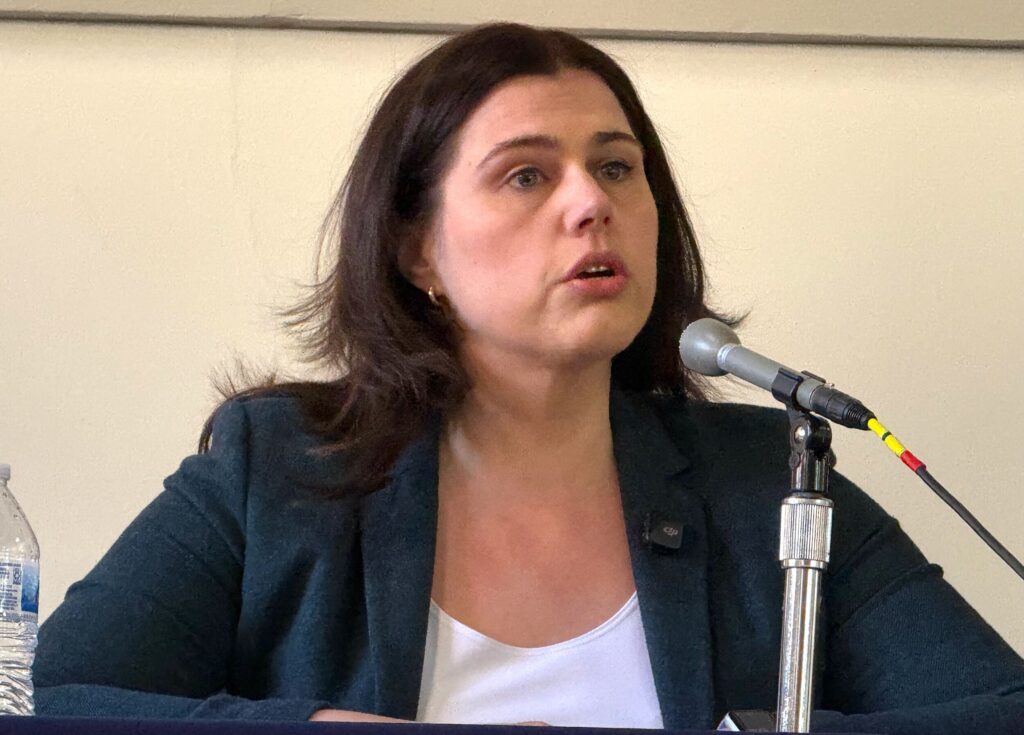
Would you hire Jena Griswold to handle your case? | SONDERMANN
By Eric Sondermann
by-eric-sondermann@coloradopolitics.com
Updated 5 days ago
If you were in a child custody dispute with a former spouse, would you hire an attorney with experience in family law or would you trust your case to an operative with virtually zero mastery? If you were getting ready...
Colorado Politics Calendar June 1-7
Rachael Wright, Special to Colorado Politics
rachael.wright@coloradopolitics.com
Updated 4 days ago
CoPo’s weekly political calendar will help you find political and public-policy events throughout Colorado. It includes candidate and issue campaign events, public policy meetings, court hearings, state and local party conventions, assemblies, debates, rallies, parades, speaking engagements, traveling dignitary appearances,...
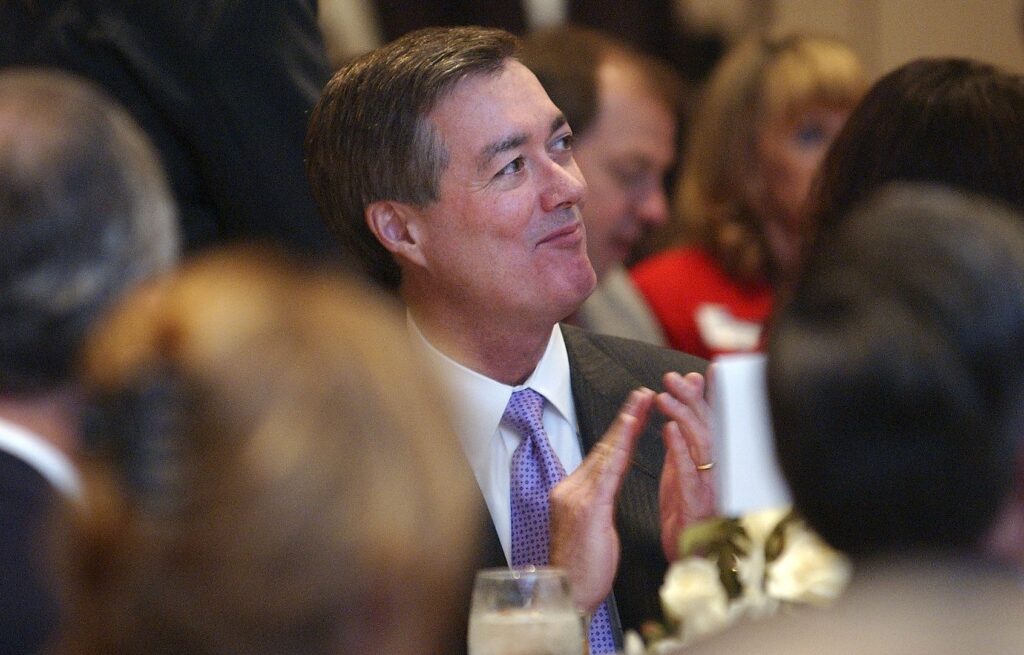
Colorado General Assembly Dems kill early effort to protect children from online content | A LOOK BACK
Rachael Wright, Special to Colorado Politics
rachael.wright@coloradopolitics.com
Updated 4 days ago
Twenty-Five Years Ago This Week: Legislation sponsored by state Rep. Tim Fritz, R-Loveland, sought to use software to prevent children from violent, pornographic, or hateful materials. But after the Senate Judiciary Committee attached an “unfriendly” amendment, House Bill 01-1376 died...
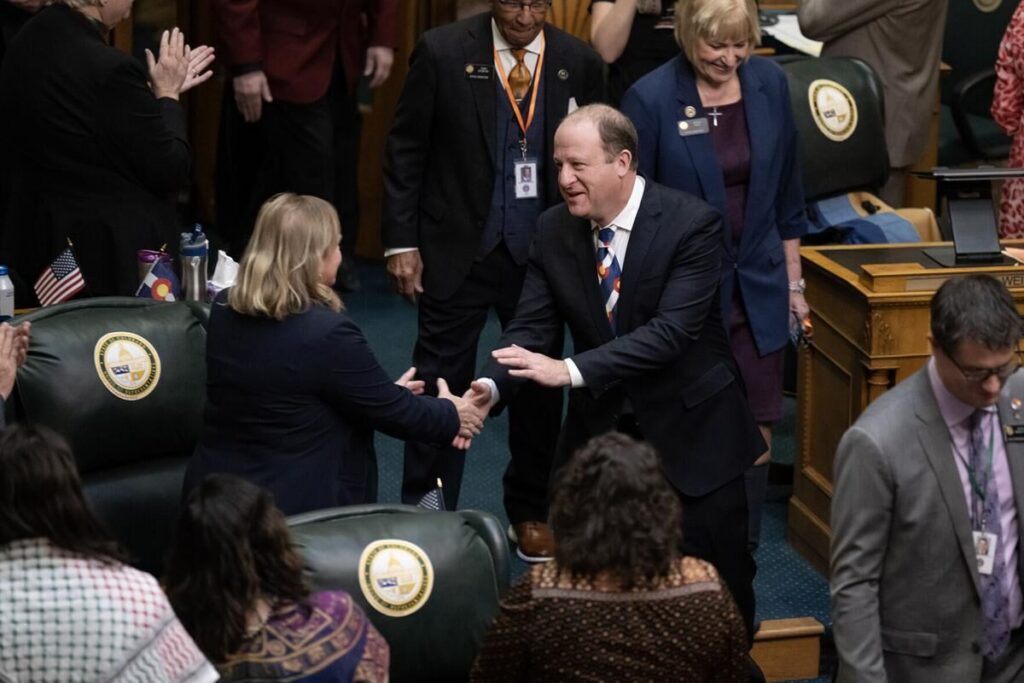
Gov. Jared Polis vetoes bill requiring disclosure from administration lobbyists
Marianne Goodland
marianne.goodland@coloradopolitics.com
Updated 20 hours ago
Gov. Jared Polis on Friday vetoed a bill that would have required executive branch lobbyists to follow much of the same disclosure rules that already govern other Capitol lobbyists. Lobbyists for organizations are required to state their clients’ position on...
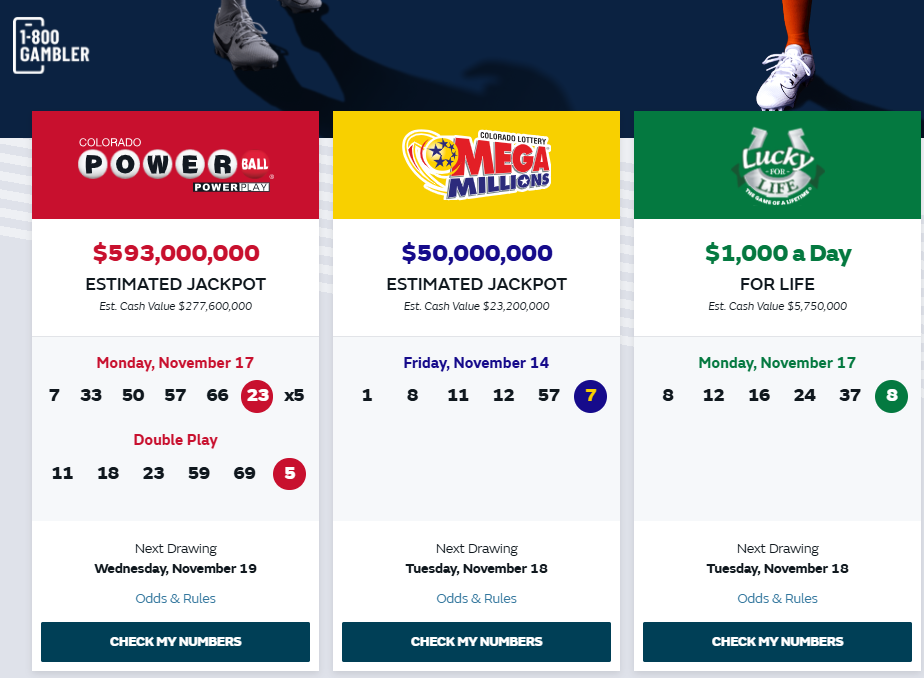
Gov. Jared Polis blocks Colorado Lottery’s move to allow credit card sales
Marianne Goodland
marianne.goodland@coloradopolitics.com
Updated 20 hours ago
Gov. Jared Polis on Friday signed legislation to block the Colorado Lottery’s move to allow the purchase of tickets with credit cards, effectively reversing his earlier position. Last November, Polis had said that he supported the decision of the Colorado...
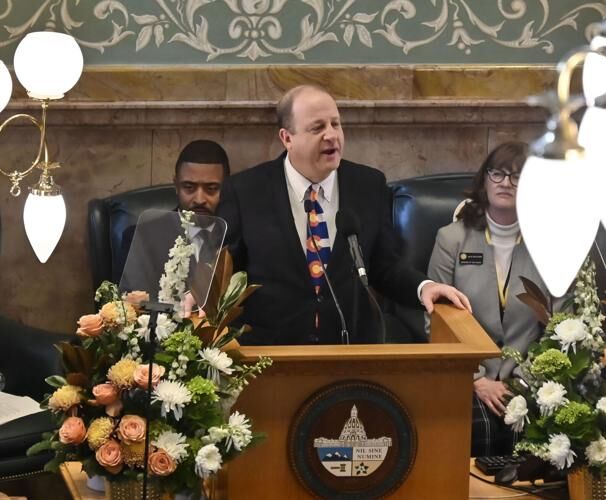
Colorado governor vetoes union dues bill — again
Colorado Politics
colorado-politics@coloradopolitics.com
Updated 2 days ago
Gov. Jared Polis on Friday vetoed yet again legislation that would have made it easier for labor organizations to impose dues on non-union members, a decision long expected after the legislature approved the measure without securing the buy-in of businesses....

Colorado Democratic attorney general candidates clash over experience and Trump lawsuits
Marianne Goodland
marianne.goodland@coloradopolitics.com
Updated 2 days ago
Colorado’s four Democratic candidates for attorney general clashed sharply Thursday night in a debate that repeatedly returned to one theme — whether the state’s top lawyer should be a courtroom veteran or a political fighter. The contenders additionally sparred over...
PREV
PREVIOUS
DECLARING INDEPENDENCE | Colorado’s unaffiliateds are starting to pack a punch at the polls
The importance of the Colorado unaffiliated voter in our state’s politics and policymaking has been growing over time. Just over 10 years ago, there were 3.2 million registered voters in Colorado. At that time, voter affiliation by party was evenly divided, with 33% identifying as Democratic, 33% Republican and 33% unaffiliated. Many talk about politics […]

Polis to sign bills on alcohol, justice and wages Tuesday
Gov. Jared Polis’ office on Saturday announced a flurry of post-Memorial Day bill signings to address criminal justice, social programs, jobs, wages and even an expansion of where one can drink alcohol at the National Western Center in Denver. The latter bill basically says if you buy a drink at the National Western Stock Show or […]