

Colorado’s national parks work to reopen, assess damage from government shutdown
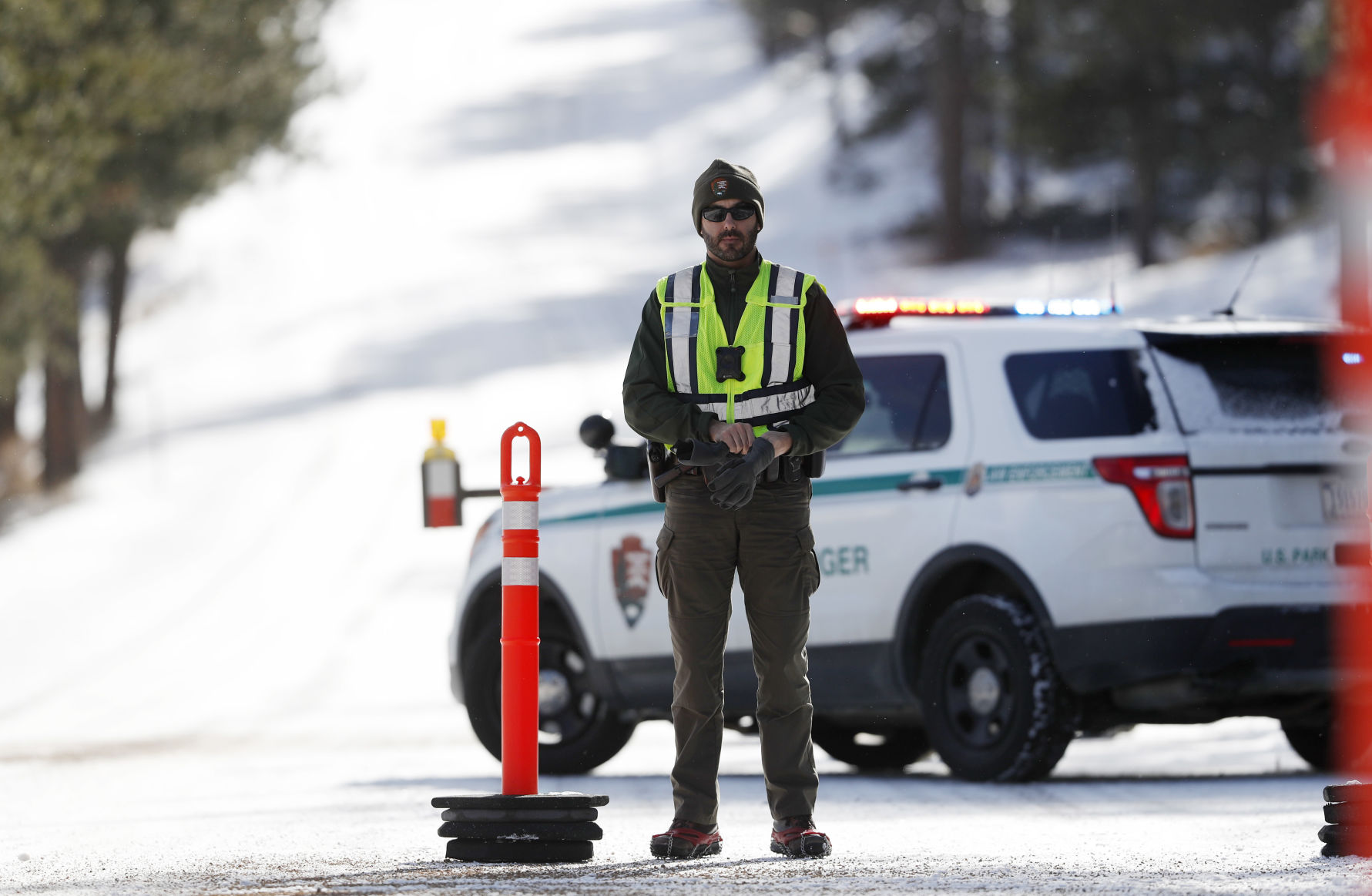
National parks in Colorado and across the country are scrambling to fully reopen after the temporary end to the longest government shutdown in U.S. history.
President Donald Trump on Friday announced an end to the 35-day partial government shutdown, agreeing to fund federal agencies through Feb. 15 while negotiations over border security resume.
The deal he reached with congressional leaders contains no new money for a wall along the U.S.-Mexico border over which Trump shut down a quarter of the federal government.
The U.S. Department of the Interior, which administers the nation’s national parks and monuments, took to Instagram to share its gratitude:
“We’re back online and honored to continue sharing the beauty and wonder of America’s public lands. As all of the government reopens, we want to thank those respectful and protective of these important places during the shutdown. Many employees worked without pay and members of the public volunteered to keep #publiclands safe and clean, and to ensure they’ll continue to be a proud legacy for future generations.”
Reopening dates for national parks will depend on their staff size and “complexity of operations,” P. Daniel Smith, the deputy director of the National Park Service, said in a statement.
“Some parks which have been closed throughout the lapse in appropriations may not reopen immediately, but we will work to open all parks as quickly as possible,” Smith said.
Rocky Mountain National Park, whose 104th birthday was Saturday, is resuming all normal visitor services and operations, spokeswoman Kyle Patterson said.
“Park staff are happy to be back at work providing services to park visitors and protecting the park’s amazing resources,” Patterson said in an email. She expects to have more information on the schedule for its reopening as well as the necessary maintenance and repairs early this week.
Rocky Mountain National Park was partially open during the shutdown and started to provide basic services like toilet cleaning, trash disposal, snowplowing and entrance station staffing during the second week of January. No entrance fees were collected, and services were funded with revenue generated by recreation fees.
Florissant Fossil Beds National Monument, near Colorado Springs, resumed normal operations as of Sunday, a spokesman said.
Three other national parks in Colorado — Great Sand Dunes, Black Canyon of the Gunnison and Mesa Verde — remained open during the shutdown without visitor services. Their websites did not have information on their plans to reopen on Sunday.
During the shutdown, parks across the country were overwhelmed by destruction, including multiple deaths, improper disposal of waste and vandalism, including cutting down protected Joshua trees at the Southern California national park. Many others that remained partially open had overflowing trash cans and toilets, and lost weeks of entrance fees and related revenue.
Theresa Pierno, president and CEO of the National Parks Conservation Association, stressed the amount of triage work that rangers will face when they return.
“For rangers, it will mean returning to our national parks, assessing the terrible damage done to them while they were open with such limited staff, and once again welcoming visitors to the places they all love …?” she said.
“Now is when the real work begins. The damage done to our parks will be felt for weeks, months or even years.”
Pierno also urged those in Capitol Hill and the White House to dedicate themselves to finding a permanent funding solution for the sake of federal workers and America’s public lands.
“We implore lawmakers to use this time to come to a long-term funding agreement and avoid another disaster like this,” she said.
“Federal employees, businesses, communities and national parks deserve better.”

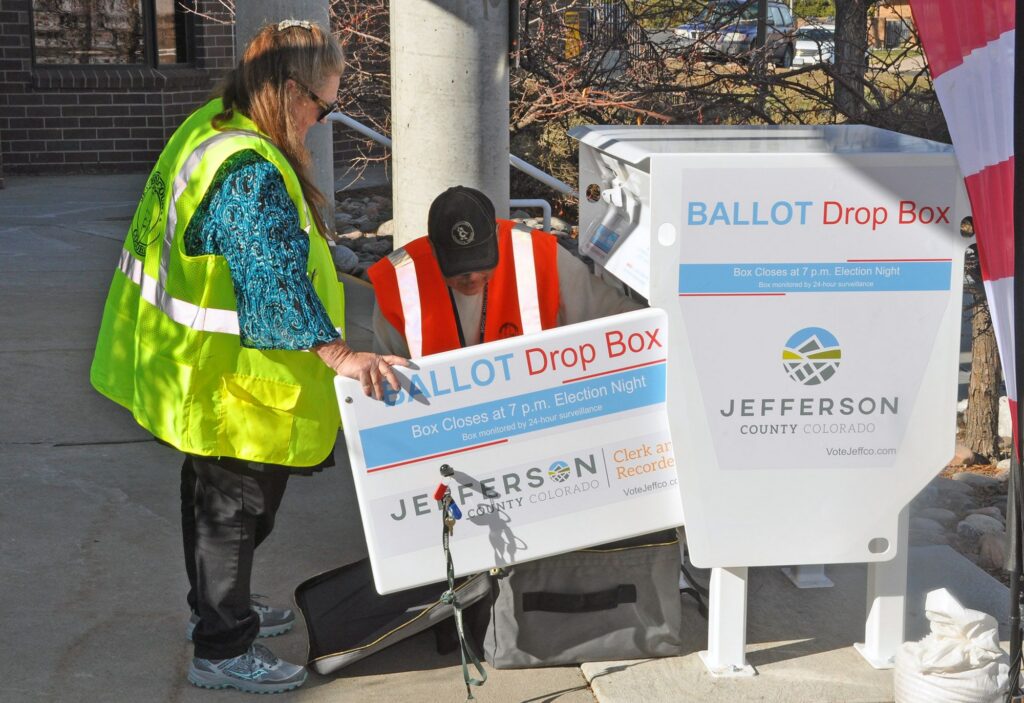
Democratic ballots outpace Republicans’ as Colorado’s primary vote starts to trickle in
Ernest Luning
ernest.luning@coloradopolitics.com
Updated 4 hours ago
With less than two weeks left before ballots are due in Colorado’s primary election, election officials have logged in ballots from just under 6% of the state’s 4 million active, registered voters, the Colorado Secretary of State’s Office said Thursday....
Colorado court upholds murder conviction despite jury disobeying instructions
Michael Karlik
michael.karlik@coloradopolitics.com
Updated 9 hours ago
Colorado’s second-highest court upheld an Arapahoe County defendant’s murder conviction last month, even though jurors found he was not the one who shot the victim and the evidence suggested he was not present for the shooting. A three-judge Court of...

July 1 brings new Colorado rules on ammunition purchases, wildfire‑risk scoring and wildlife enforcement
Marissa Ventrelli
marissa.ventrelli@coloradopolitics.com
Updated 12 hours ago
Colorado will usher in a new set of laws on July 1 that touch everything from ammunition sales to insurance transparency and wildlife trafficking enforcement Here is a look at some of the state’s new laws: Ammunition sales Sponsored by...
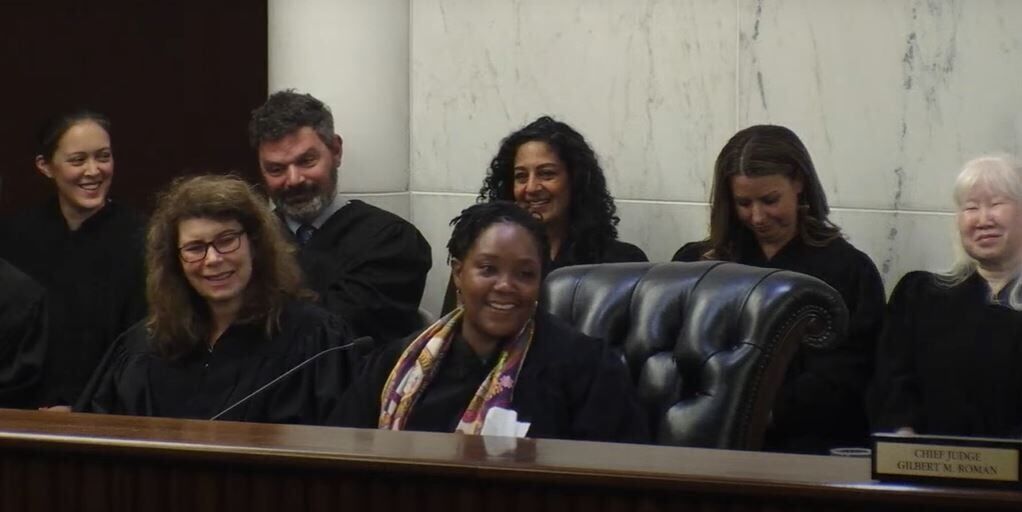
Divided appeals court reverses conviction after judge declined to define ‘bludgeon’
Michael Karlik
michael.karlik@coloradopolitics.com
Updated 14 hours ago
Colorado’s second-highest court reversed a Jefferson County defendant’s felony menacing conviction on Thursday, concluding that the trial judge’s failure to define “bludgeon” for jurors may have affected the outcome. A three-judge Court of Appeals panel divided in unusual ways in...

Poll finds majority believe US military action against Iran was a mistake
Brady Knox, Washington Examiner
brady.knox.washington.examiner@gazetteedit.wpenginepowered.com
Updated 13 hours ago
A poll found a wide majority of U.S. voters believed the decision to launch military action against Iran was a mistake. The Beacon Research and Shaw & Company Research poll for Fox News was conducted from June 12-15, meaning many...
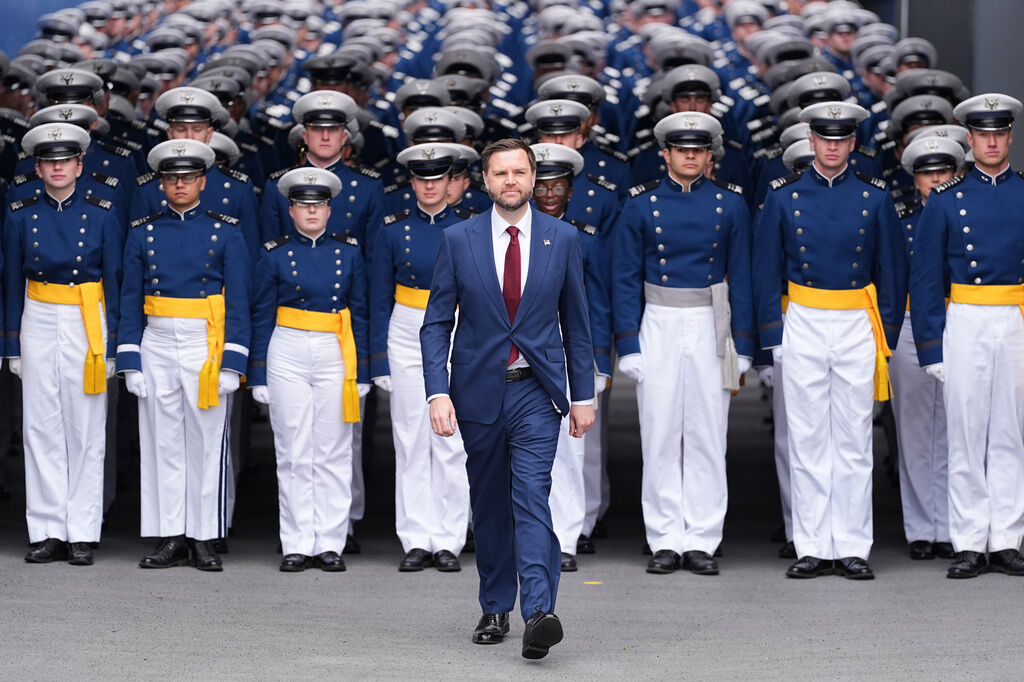
For Vance, Iran deal presents opportunity and risk
W. James Antle III Washington Examiner
wjamesantleiiiwashingtonexaminer@wpstage.coloradopolitics.com
Updated 16 hours ago
Vice President JD Vance has a lot riding on the deal to end the war in Iran. The memorandum of understanding between the United States and Iran came together at the outset of Vance’s book tour, but that’s not the...
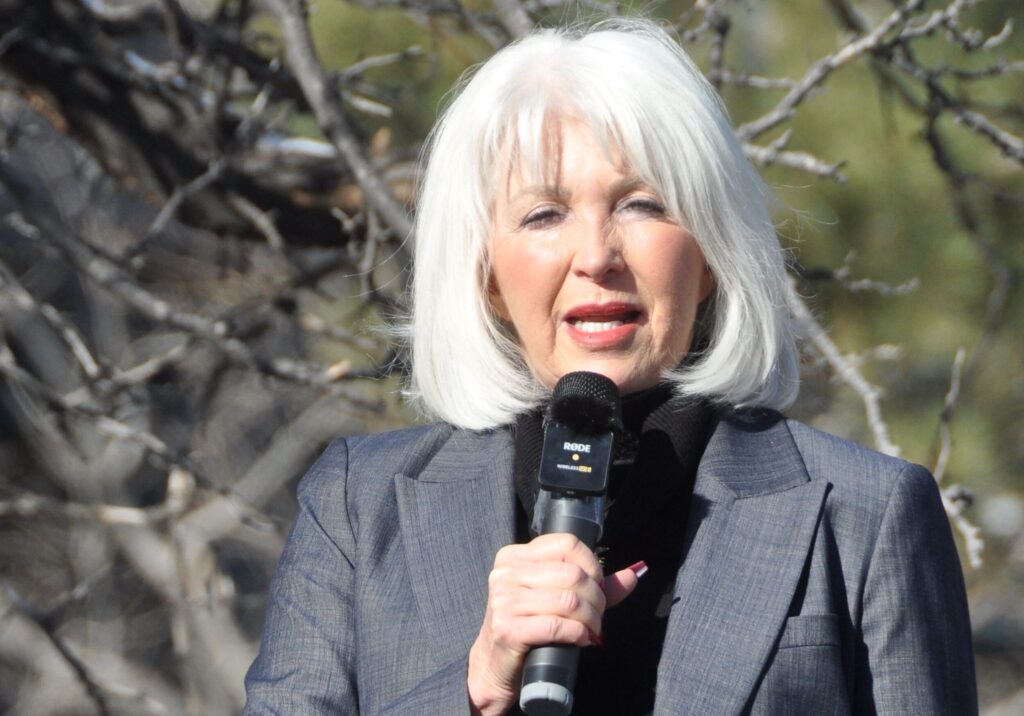
10th Circuit dismisses Tina Peters’ challenge to confinement as moot
Michael Karlik
michael.karlik@coloradopolitics.com
Updated 5 hours ago
The Denver-based federal appeals court granted the state’s unopposed request on Wednesday to dismiss former Mesa County clerk Tina Peters’ challenge to her confinement as moot. Although Peters received a commutation of her prison sentence last month from Gov. Jared...
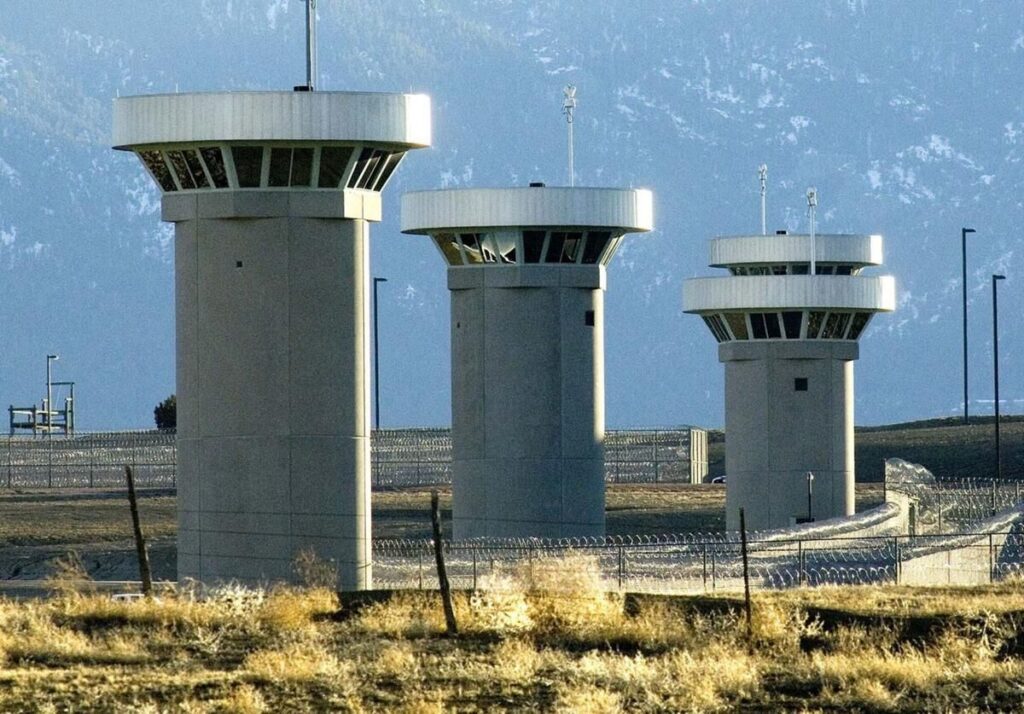
Federal judge declines to recuse from death penalty case after Supermax visit
Michael Karlik
michael.karlik@coloradopolitics.com
Updated 7 hours ago
A federal judge declined to recuse herself last month from a death penalty case arising out of Colorado’s “Supermax” prison, finding that her tour of the facility earlier this year did not bias her decision-making. U.S. District Court Judge Charlotte...

Amid public pressure, Colorado candidates tackle social media regulations for minors
Bethany Johnson
bethany.johnson@denvergazette.com
Updated 15 hours ago
Following the accidental overdose of her daughter in 2020, Patti Lujan pursued a lawsuit against Snapchat, the social media platform that, she claimed, connected her daughter with a drug dealer. In a news release announcing the lawsuit, Lujan alleged that...

Denver gets more time to answer FAA questions in probe regarding Key Lime lease denial
Deborah Grigsby
deborah.smith@denvergazette.com
Updated 14 hours ago
The City of Denver has asked the Federal Aviation Administration for additional time to gather information and prepare its response to the federal agency’s investigation of the city’s 2025 denial of a Denver International Airport ground lease expansion for Key...
PREV
PREVIOUS

Bennet, Neguse propose sweeping public-lands measure
Two Colorado Democrats in Congress say they’ll introduce legislation to protect about 400,000 acres of public land in Colorado. The Colorado Outdoor Recreation and Economy Act is to be introduced Monday by U.S. Sen. Michael Bennet and U.S. Rep. Joe Neguse, D-Boulder. It’s described as the biggest Colorado public-lands protection bill in 26 years in […]

Women make big gains in state capitols, but men still rule
Following a record-setting election for women, state legislatures across the country are convening this year with at least 17 new women in top leadership roles. But those gains are offset by another reality: At least a dozen women who led their legislative chambers or caucuses last year will no longer be doing so because of […]