

Report hammers Colorado-based US Olympic Committee in Nassar sex scandal
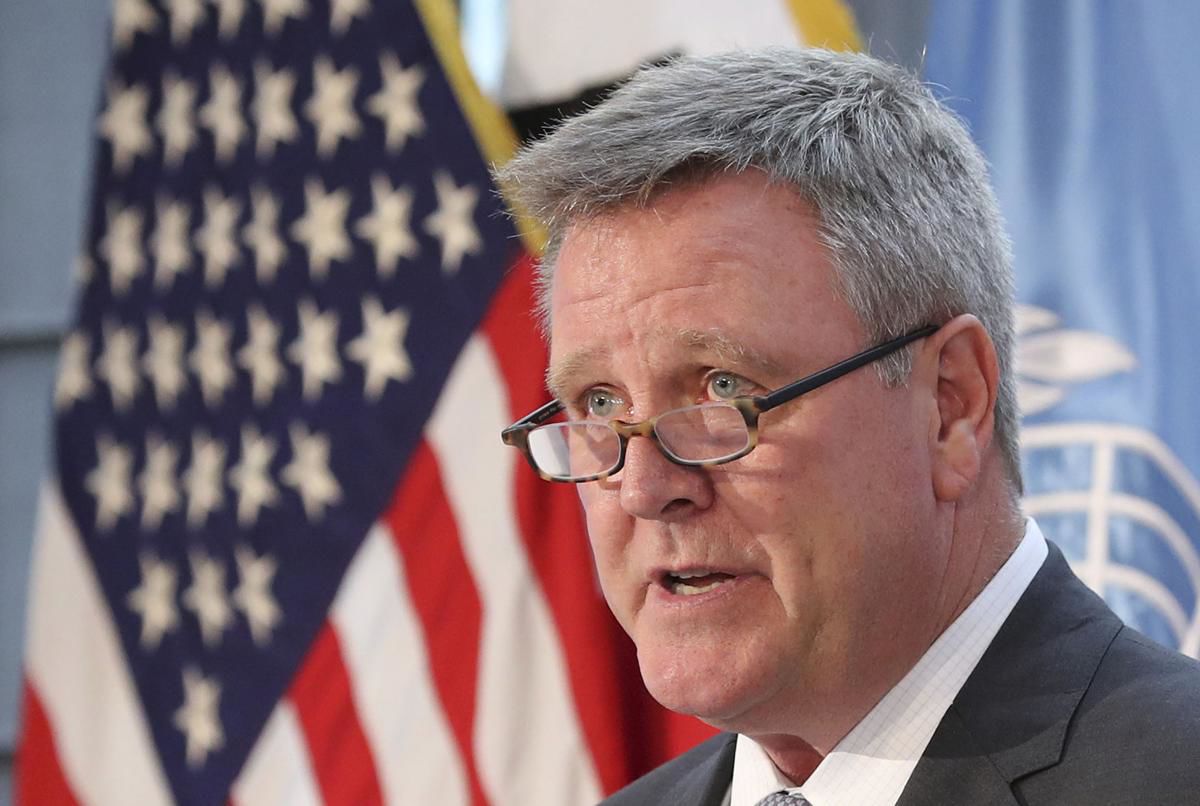
Top leaders at the U.S. Olympic Committee in Colorado Springs were complicit in a yearlong “concealment” of abuse allegations that led to the sexual assaults of dozens of gymnasts, says a scathing internal review released Monday.
Former USOC CEO Scott Blackmun and his top deputy for athlete performance were told of the perverted practices of USA Gymnastics team Dr. Larry Nassar more than a year before his attacks on athletes became public, but they did nothing to prevent further attacks, the report says.
“Inaction and concealment had consequences: dozens of girls and young women were abused during the yearlong period between the summer of 2015 and September 2016,” the report found.
The report claims Blackmun deleted email traffic that referenced Nassar and intentionally hid what he knew from the Olympic Committee’s board of directors, who found out about the scandal in a newspaper account.
The report, commissioned by the USOC, found it was among several oversight bodies that “facilitated” thousands of sexual assaults by Nassar on hundreds of victims.
The long-anticipated report says leaders failed to protect athletes and failed to heed their calls for help while ignoring red flags that should have led them to act. It also accuses former USOC boss Blackmun of sitting on his hands after he was informed of Nassar’s misdeeds in 2015.
“Numerous institutions and individuals enabled his abuse and failed to stop him, including coaches at the club and elite level, trainers and medical professionals, administrators and coaches at Michigan State University and officials at both United States of America Gymnastics and the United States Olympic Committee,” the report said.
The report had one immediate impact: The USOC fired its chief of sports performance, Alan Ashley, Monday after it was revealed that he, along with Blackmun, knew about the Nassar case but failed to act.
Nassar was sentenced in January to up to 175 years behind bars for what was described as a prolific pattern of sexual assaults on athletes. But investigators say much more than a perverted doctor allowed so many attacks to take place.
“What happened cannot be explained by Nassar, whose conduct, however reprehensible, was a manifestation of a far broader constellation of factors and conditions in elite gymnastics and Olympic sport that left young athletes vulnerable to abuse and led Olympic organizations astray from the priority of athlete safety,” the report said.
The report came as no surprise at USOC headquarters, which has undergone unprecedented turmoil this year with the departure of Blackmun and a shakeup of its board of directors as the nation’s Olympic sports have been roiled by sexual assault scandals that have spread far beyond gymnastics.
“This year, the USOC has already taken important actions to strengthen athlete safeguards and help the USOC be more effective in our mission to empower and support athletes,” new CEO Sarah Hirshland said in a statement.
“Sexual abuse, harassment and discrimination have no place in the U.S. Olympic and Paralympic community, and it’s on all of us – member organizations, institutions and individuals alike – to foster a healthy culture for competitive excellence. We will use the findings … to do everything possible to prevent something similar from happening in the future.”
The USOC board is set to meet Friday in San Francisco, where the Nassar report will top the agenda.
The report is especially tough on Blackmun, claiming the CEO knew of the sexual abuse allegations within gymnastics in 2015 but did nothing to prevent further attacks until Nassar’s actions were made public by an Indiana newspaper a year later. Blackmun also didn’t tell the Olympic Committee’s board about the allegations, investigators said.
“According to witness interviews, USOC board members remained unaware of the allegations and the potential ongoing threat to athletes until the Indianapolis Star published its account of Nassar’s abuse in September 2016,” the report said.
For a year after Blackmun learned of the Nassar allegations, the doctor still had free reign over Olympic facilities, and no steps were taken to prevent him from finding more victims, the investigation found.
“Nor did Mr. Blackmun initiate any internal review or other assessment to gather facts regarding Nassar, the athlete concerns, the scope of the alleged misconduct or Nassar’s ability to gain access to athletes at USOC-owned and operated facilities, such as the U.S. Olympic Training Center in Colorado Springs, Colorado,” the report said.
The report was issued by a law firm hired by the USOC to investigate.
“Investigators from the global law firm Ropes & Gray LLP, led by partners Joan McPhee and James P. Dowden, had complete control over the investigation, the questions asked, the documents reviewed, and the findings made,” the law firm said in a statement.
Investigators reviewed more than 1.3 million pages of documents and interviewed more than 100 witnesses.
They found that the Olympic Committee leaders were so focused on making money and winning medals that they failed to properly govern the sports it oversees. USOC controls the charters of more than four dozen Olympic sports, giving it broad power to discipline misconduct. But those powers were not brought to bear, the report found.
“As the USOC was adapting its governance model and increasing its focus on generating revenue and medals, the USOC was also adopting a service-oriented approach toward the NGBs that involved providing resources without accompanying oversight,” the report found.
The Olympic Committee said the report’s findings will lead to changes.
“The USOC will share information about additional actions it is taking as a result of these findings,” the USOC said in an email.
The report also will spur action in Congress, where lawmakers have spent much of the past year studying sexual assault in Olympic sport.
The USOC gets its authority from federal law. The Ted Stevens Sports Act puts the Colorado Springs committee in charge of picking teams and ruling over governing bodies.
Congress already has made some changes, including a provision that requires the USOC and its governing bodies to report allegations of sexual assault to police.
Congress also is pushing to allocate more money to the USOC’s U.S. Center for Safe Sport, a Denver-based nonprofit charged with investigating alleged sexual assaults, maintaining a roster of those banned from sports for sexual abuse and educating athletes and coaches.
The USOC also is awaiting a review of its governance and its relationship with the 50 sports governing bodies it sanctions. That won’t be ready until 2019.
The review is an important step, said Susanne Lyons, who will take over as USOC board chairwoman next month.
“The USOC board commissioned this independent investigation because we knew we had an obligation to find out how this happened and to take important steps to prevent and detect abuse. We now have a much more comprehensive view of individual and institutional failures,” Lyons said in a statement.
“Everyone in the Olympic and Paralympic community, including the USOC, must learn from the report and take appropriate actions to strengthen protections for athletes. We recognize that we must do more, and we will do more.”

Rubio says any future nuclear proliferation deals have ‘to involve’ China and Russia
Washington Examiner Staff, Washington Examiner
washington.examiner.staff.washington.examiner@gazetteedit.wpenginepowered.com
Updated 50 seconds ago
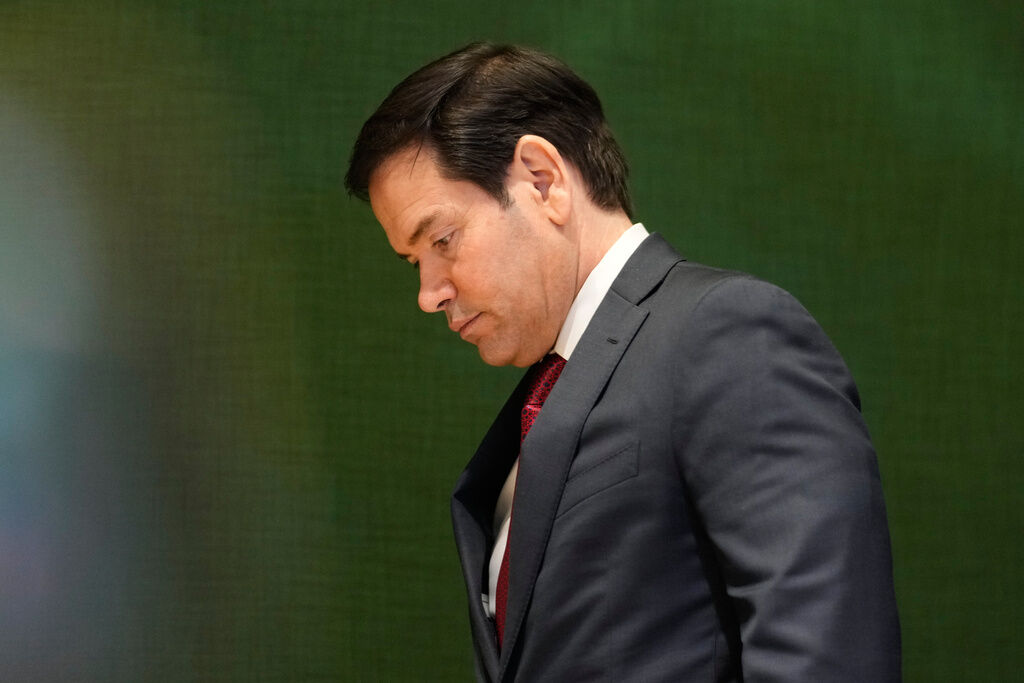
During a visit to the Caribbean on Wednesday, Secretary of State Marco Rubio was asked about recent talks in Geneva regarding weapons of mass destruction and the prospect of future nuclear weapons agreements. He responded that any such deal would...
Hillary Clinton deposition paused after Benny Johnson shares photo from inside hearing
Molly Parks, Washington Examiner
molly.parks.washington.examiner@gazetteedit.wpenginepowered.com
Updated 13 minutes ago
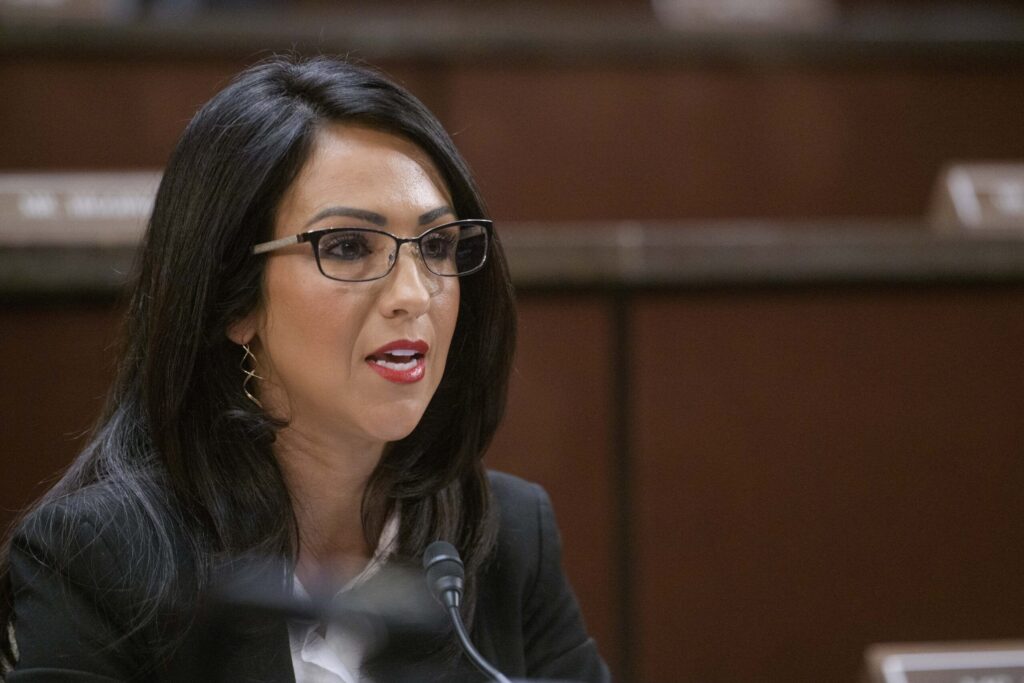
The House Oversight Committee has paused the deposition of former first lady and Secretary of State Hillary Clinton on Thursday after political commentator Benny Johnson shared a photo on social media of the closed-door hearing. Rep. Lauren Boebert (R-CO), who...

Colorado district attorneys oppose bipartisan bill limiting government access to bought data
Marissa Ventrelli
marissa.ventrelli@coloradopolitics.com
Updated 26 minutes ago
A bipartisan coalition of Colorado lawmakers is advancing a bill that would prohibit police from purchasing personal consumer data without a warrant, setting up a clash with prosecutors who warn the measure could hamper criminal investigations. House Bill 1037, sponsored...
Lawmakers propose raising excise taxes on alcohol, marijuana to fund mental health spending
Marissa Ventrelli
marissa.ventrelli@coloradopolitics.com
Updated 28 minutes ago
Colorado lawmakers hope to refer a measure to the November ballot that would increase excise taxes on alcohol and marijuana, with the revenue going toward mental health and civil commitment facilities around the state. House Bill 1301, sponsored by Rep....
10th Circuit appoints ex-Colorado solicitor general to argue issue after federal government declines
Michael Karlik
michael.karlik@coloradopolitics.com
Updated 14 hours ago
The Denver-based federal appeals court took the unusual step earlier this month of appointing an attorney to independently argue a key issue in a criminal sentencing appeal after the government indicated it would not contest the defendant’s view of the...

Greeley voters halt landmark development project
Hap Fry, Special to The Gazette
hap-fry@gazette.com
Updated 14 hours ago
GREELEY – The landscape-altering Cascadia development project has been put on ice, according to unofficial results of a city referendum on the project Tuesday. The proposed development would have included an 8,600-seat multiuse arena and ice center that would be home to the Colorado Eagles,...
State audit: Rape kit backlog reduced but more work needed to hit goal
Jenny Deam
jenny-deam@coloradopolitics.com
Updated 2 hours ago
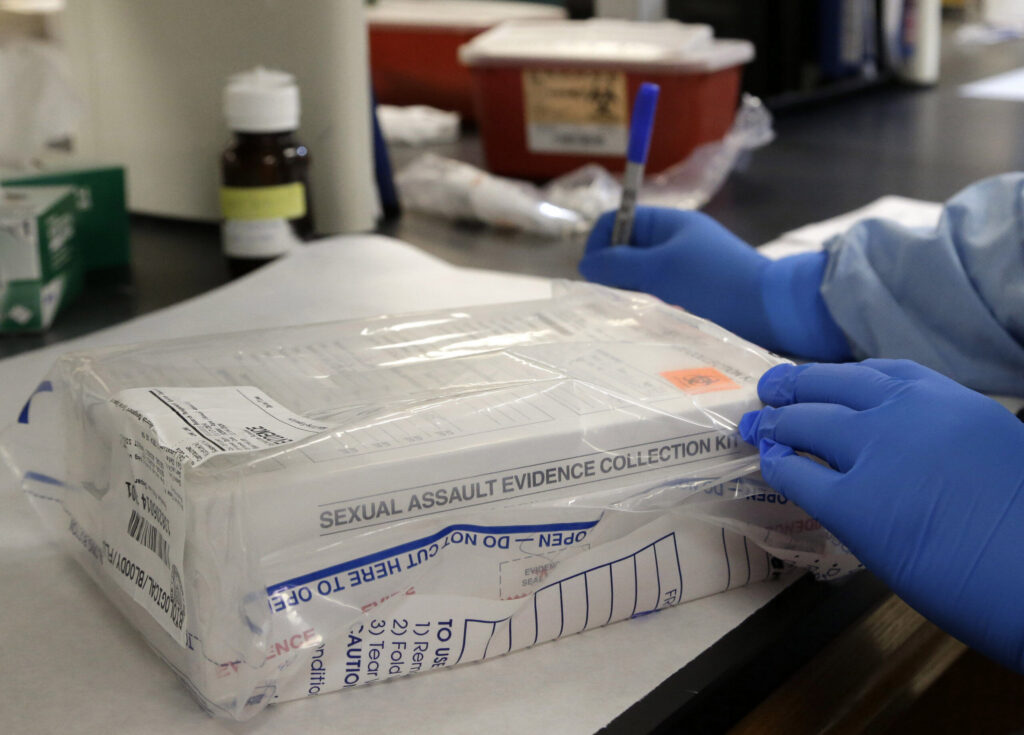
In the past year, the Colorado Bureau of Investigation has slashed the time it takes to process DNA collected in sexual assault cases, but the agency still is far short of its turnaround goal, the state auditor reported on Wednesday....

Polis administration awards $7.2 million to cut emissions from large buildings
Scott Weiser
scott.weiser@gazette.com
Updated 2 hours ago
The Colorado Energy Office awarded $7.2 million Wednesday to help owners of large buildings across the state pursue high-impact projects that reduce greenhouse gas emissions through improved energy efficiency and electrification. The grants, drawn from federal Climate Pollution Reduction Grant...
Daniel Domenico to take over as Colorado’s chief federal judge
Michael Karlik
michael.karlik@coloradopolitics.com
Updated 20 hours ago
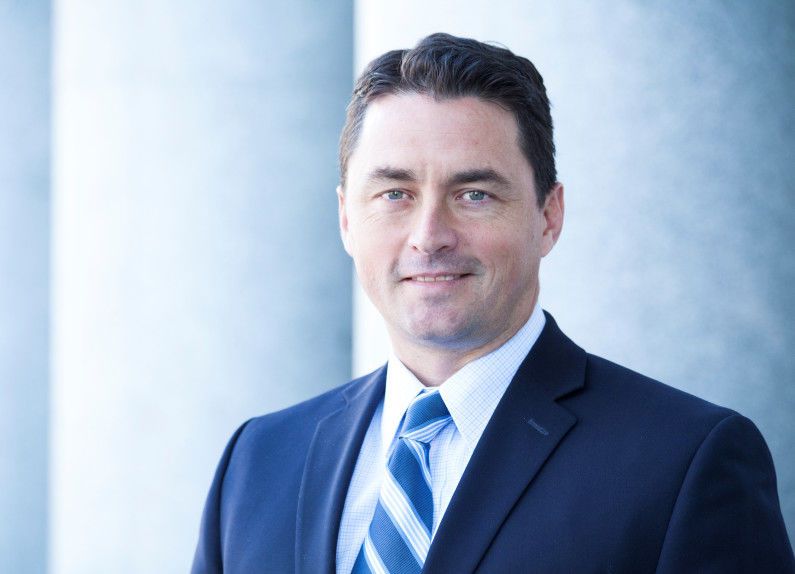
Daniel D. Domenico will become the new chief judge of Colorado’s federal trial court next week, a role that encompasses the administration of the court as well as a judicial caseload. Under federal law, the chief judge of a U.S....
10th Circuit upholds violations, sanctions against Colorado Springs mental health hospital
Michael Karlik
michael.karlik@coloradopolitics.com
Updated 21 hours ago
The Denver-based federal appeals court agreed earlier this month that the government properly cited and penalized a Colorado Springs psychiatric hospital for failing to protect its staff from known risks posed by patients. The Occupational Safety and Health Administration inspected...
PREV
PREVIOUS

Colorado economy on pace to keep growing in 2019, says CU report
BOULDER – A recent report says the Colorado economy will continue to grow next year, but perhaps at a slower pace. The Daily Camera reports the 2019 Colorado Business Economic Outlook Forecast shows that Colorado, despite slower growth, will still be in the top 10 states next year for employment growth. The report, compiled by […]
State Sen.-elect Pettersen: Fixing education must start earlier
A panel of conservative and liberal education experts agreed Monday night at Colorado Christian University in Lakewood that tax dollars invested in early childhood programs pay better dividends than trying to catch up after children fall behind in school. “It’s some of the best investments we can make with our taxpayer dollars, early on,” said […]