

Study: Crashes on the rise in Colorado, other states where marijuana is legal
Crashes have increased by up to 6 percent in Colorado, Nevada, Oregon and Washington – all of which have legalized recreational marijuana – compared with neighboring states, new research from the Insurance Institute for Highway Safety and Highway Loss Data Institute shows.
But officials caution that it’s difficult to directly link crashes to marijuana use because testing is infrequent and inconsistent – and the amount of marijuana in a person’s system doesn’t necessarily relate to impairment.
“Despite the difficulty of isolating the specific effects of marijuana impairment on crash risk, the evidence is growing that legalizing its use increases crashes,” Insurance Institute for Highway Safety and Highway Loss Data Institute President David Harkey said in a news release.
The frequency of claims per insured vehicle year rose a combined 6 percent after the start of retail sales of recreational marijuana in Colorado, Nevada, Oregon and Washington, compared with four control states, Idaho, Montana, Utah and Wyoming, the release says.
Retail sales of recreational marijuana began in Colorado in January 2014 and in Washington in July 2014. Sales started in Oregon in October 2015 and in Nevada in July 2017.
The analysis is based on collision loss data from January 2012 through October 2017, the release says. “Analysts controlled for differences in the rated driver population, insured vehicle fleet, the mix of urban versus rural exposure, unemployment, weather and seasonality.
A separate study examined police-reported crashes from 2012 to 2016 before and after retail sales began in Colorado, Oregon and Washington, the release says. Estimates show that compared with neighboring states that didn’t legalize marijuana sales, the three states combined saw a 5.2 percent increase in the rate of crashes per million vehicle registrations.
The Insurance Institute for Highway Safety and Highway Loss Data Institute researchers compared Colorado with Nebraska, Wyoming and Utah, and they compared Oregon and Washington with Idaho and Montana, the release says. The study controlled for differences in demographics, unemployment and weather.
“The size of the effect varied by state,” the release says. “Although the study controlled for several differences among the states, the models can’t capture every single difference. For example, marijuana laws in Colorado, Oregon and Washington differ in terms of daily purchase limits, sales taxes and available options for home growers. These differences can influence how often consumers buy marijuana, where they buy it and where they consume it.”
But the 5.2 percent increase in police-reported crash rates after legalization of recreational marijuana use is consistent with the 6 percent increase in insurance claim rates estimated by HLDI.
The number of highway deaths involving Colorado drivers who had marijuana in their system grew again in 2017, but at the same time, traffic fatalities in which drivers had enough marijuana in their bloodstream to be deemed legally impaired dropped sharply, from 52 in 2016 to 35 last year, a state study shows.
The reason for this seeming contradiction: Marijuana can remain in the bloodstream for weeks, so a positive blood test may not mean a driver was stoned at the time of a deadly crash.
Gov. John Hickenlooper told The Gazette’s editorial board this month that “one of the big issues” facing the next governor will be traffic fatalities.
Last year, 648 people died in crashes across Colorado, the highest total since 2004, the Colorado Department of Transportation reported.
Hickenlooper emphasized the importance of gathering accurate data despite the expense involved.
“We need to measure whether people have marijuana in their systems,” he said.
The blood test for marijuana use costs $300 and will show someone has used marijuana in the past 30 days, whereas the test for drunken driving costs $30, Hickenlooper said.
When someone is suspected of driving drunk and having used marijuana, often authorities will only test for impairment from alcohol because its cheaper and sufficient for a DUI charge.
State officials don’t have the authority to tell local municipalities how to test drivers, Hickenlooper said.
“The state offered to pay the local municipalities – they are the ones who more often than not investigate highway fatalities, it’s not the state troopers that decide who gets a blood test,” he said. “They say, ‘We don’t care.'”

Healthcare freefall: UNC’s new medical school aims to tackle Colorado’s rural doctor shortage
Hap Fry, Special to The Gazette
hap-fry@gazette.com
Updated 2 days ago
Editor’s Note: Colorado’s healthcare system is entering a period of accelerating instability — a “tsunami,” as multiple leaders describe it — driven by collapsing hospital finances, shrinking Medicaid reimbursements, disappearing services and a political fight over who is responsible for...
Healthcare freefall: Economic ripple effects grow as Colorado hospitals face financial strain
Thelma Grimes
thelma.grimes@coloradopolitics.com
Updated 19 minutes ago
Colorado’s hospital systems aren’t just a network of clinics and emergency rooms — they are also one of the state’s largest economic engines. So some 10 hospitals identified at any given time as vulnerable to closure, the alarm extends far...
Gubernatorial candidates Phil Weiser, Greg Lopez spar, as Marx skips debate
Deborah Grigsby
deborah.smith@denvergazette.com
Updated 18 minutes ago
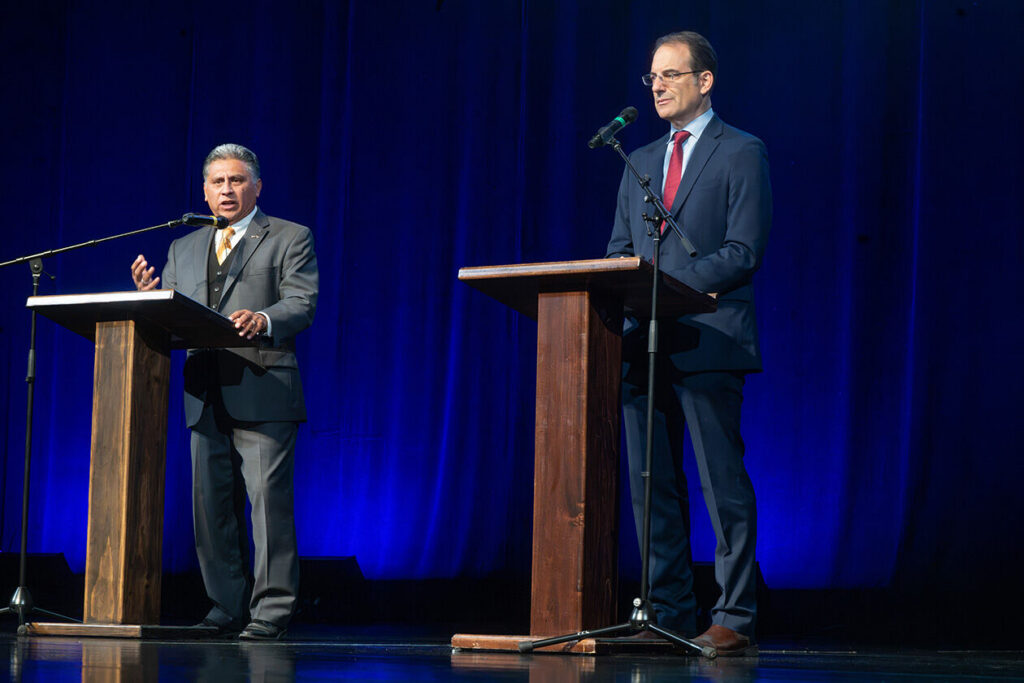
Two of the candidates for Colorado governor squared off in a televised debate on Thursday night, when Attorney General Phil Weiser, the Democratic nominee, and former U.S. Rep. Greg Lopez, an unaffiliated candidate, delved into issues of affordability, data center...
Troops, taxes, war dominate Colorado’s 5th CD debate between Jeff Crank, Jessica Killin
Deborah Grigsby
deborah.smith@denvergazette.com
Updated 22 minutes ago
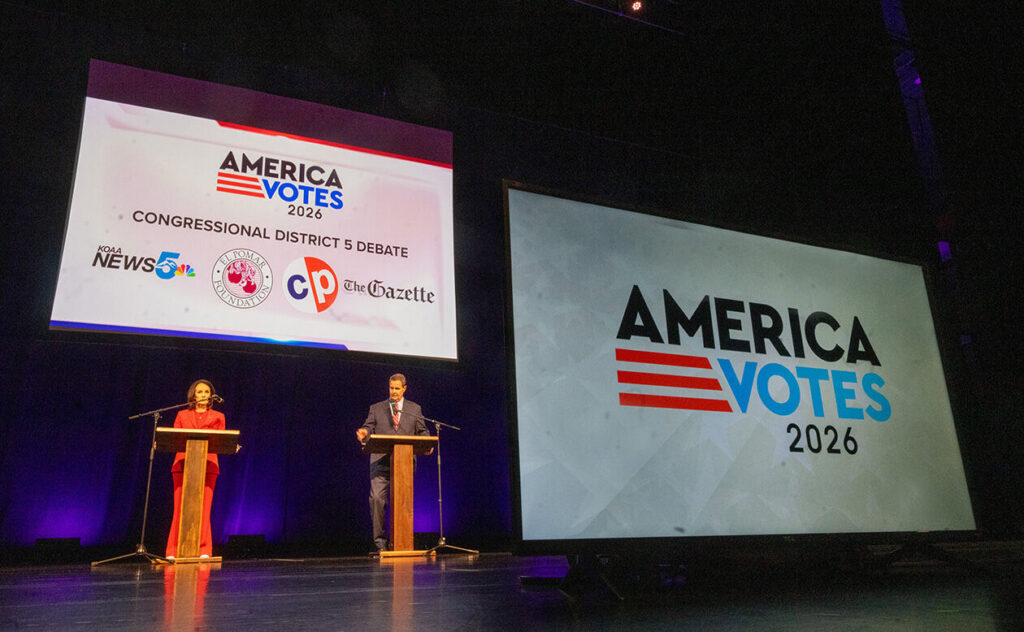
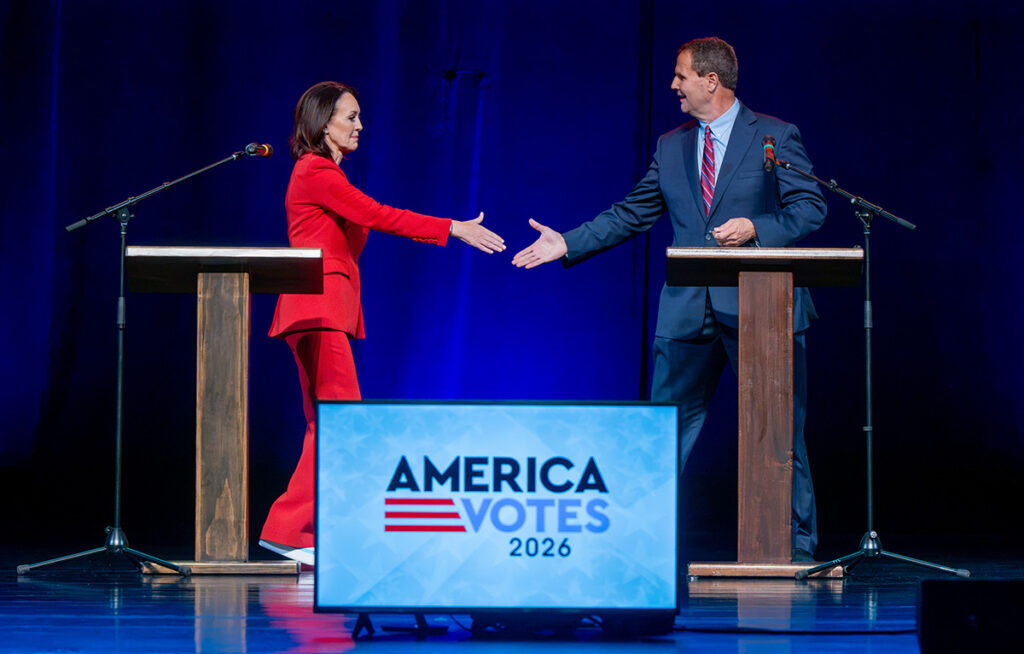
Republican U.S. Rep. Jeff Crank and Democratic challenger Jessica Killin on Thursday night clashed over the war in Iran, the federal budget and healthcare when they took the stage in Colorado Springs for a sold-out debate in the race to...
5th Congressional debate watchers hope for civility, truthfulness
Cleo Westin
cleo-westin@coloradopolitics.com
Updated 25 minutes ago
A few hundred people watched Rep. Jeff Crank and veteran Jessica Killin square off in a debate for the 5th Congressional District at the Pikes Peak Center for the Performing Arts on Thursday evening. Many of them sported campaign insignia...
WATCH: Republican US Rep. Jeff Crank, Democratic challenger Jessica Killin debate in Colorado’s 5th CD
Ernest Luning
ernest.luning@coloradopolitics.com
Updated 15 hours ago
Republican U.S. Rep. Jeff Crank and Jessica Killin, his Democratic challenger, are scheduled to meet for a televised debate in the race to represent Colorado’s 5th Congressional District on Thursday night. The candidates are set to take the stage at...
Colorado gubernatorial candidates Phil Weiser, Greg Lopez to face off Thursday in televised debate
Ernest Luning
ernest.luning@coloradopolitics.com
Updated 12 minutes ago
Two of the candidates for governor of Colorado are set to square off in a televised debate for the first time Thursday night, when Attorney General Phil Weiser, the Democratic nominee, and former U.S. Rep. Greg Lopez, an unaffiliated candidate,...
Colorado officials warn of e-bike safety amid increase in serious youth injuries
Matt Kyle
matt.kyle@denvergazette.com
Updated 11 hours ago
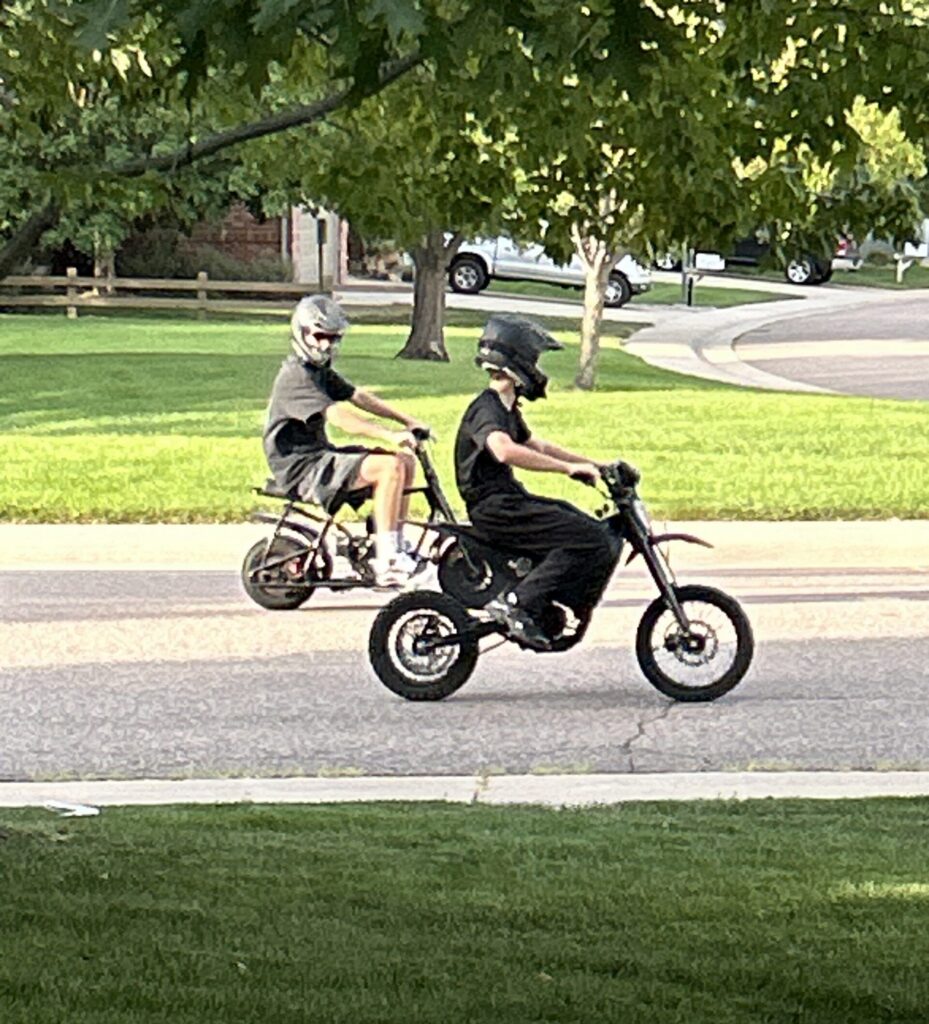
Serious injuries involving e-bikes, e-scooters and children have risen significantly in Colorado over the past year and a half. Traumatic injuries involving e-bikes have risen 184%, according to Alicia Melven, Colorado injury prevention and outreach specialist for Children’s Hospital Colorado’s...
Colorado State Fair youth golf tournament celebrates 11 years
Marianne Goodland
marianne.goodland@coloradopolitics.com
Updated 17 hours ago
Twenty-eight teams tee off Friday at Walking Stick Golf Course in Pueblo for a tournament supporting 4-H, Future Farmers of America and capital improvements at the Colorado State Fair. Now in its 11th year, the Partners of Youth in Ag...

Controversial two-bag furbearer limit heads to CPW meeting under legal threat
Marianne Goodland
marianne.goodland@coloradopolitics.com
Updated 17 hours ago
Next week’s Colorado Parks and Wildlife Commission meeting in La Junta is likely to open under the cloud of threatened legal action. Safari Club International and the Sportsmen’s Alliance Foundation warned the commission this month that its July vote imposing...
PREV
PREVIOUS
The Colorado Springs Gazette: Media give Polis a 'rich guy' pass
The Democrat-friendly mainstream media frown on wealthy Republicans running for office. These politicians cannot possibly understand the common, hard-working taxpayers of America. Make the rich man a liberal Democrat and we see far less concern. “Is Mitt Romney too rich to be president?” asked a headline in U.S. News & World Report, when the Republican […]

Colorado marijuana sales exceeded $1B through August
A Colorado reports shows marijuana sales in the state have exceeded $1 billion as of August of this year, with tax revenue from those sales reaching $200 million. The Denver Post reports the state Department of Revenue report indicates medical and recreational marijuana sales are on track to break last year’s record of more than […]