

Who are the bigger suckers for fake news? Dems or GOP? Read on …

Chances are you’ve seen fake news pass through your social media feeds, but are you good at spotting it? Two Colorado State University-Pueblo seniors set out to find out last spring. Now, they are taking their research on fake news on the road and around the globe to present at two conferences.
Chianna Schoenthaler and Michele Bedard, both mass communications students, sought to determine whether “there is a correlation between a media consumer’s understanding of the difference between satirical news versus fake news and varying socio-demographic factors” as part of a research class.
In other words, the students said they wanted to know who was more likely to believe actual fake news – not satire that’s created for entertainment, or clickbait, but news that’s made up to achieve a goal, most often politically.
Sam Ebersole, who taught the research class, had the students design a research project that was in some way related to the topic of fake news – a buzzword that was constantly on the minds of politicos and those in the media throughout and following the 2016 election. Now, Bedard and Schoenthaler say they see it everywhere, and it hasn’t become at all less frequent since they started their research more than a year ago.
The students found in their small sample size that people who identified as independent were able to better pick out fake news, Ebersole said. Republicans were the least likely to. Democrats fell somewhere in the middle.
Participants ranged from young adults – college freshmen – to seasoned media professionals.
Most surprising to the two student researchers? The lack of current event knowledge among young people, they said.
“I just assumed so many other students would have that same outlook that they need to be literate in the media. It was kind of disturbing, really,” Bedard said.
Schoenthaler said, as anticipated, young people use social media as a main source of news. But they’re more likely to believe a headline based on the source and whether that source has a reputation for being truthful or leaning to a certain end of the political spectrum.
Now, they’re presenting that research at the Web Conference 2018 in Lyon, France – a prestigious international conference about the future of the World Wide Web – and at the DePauw University Honors Research Conference in Indiana.
And the research keeps becoming even more relevant. When special counsel Robert Mueller indicted 13 Russian citizens for conspiring to interfere with the 2016 election last week, Bedard said she feels that it’s good there’s action being taken on the subject of fake news.
The students and Ebersole now joke that they may never get completely away from fake news. Ebersole said he keeps a Google Drive folder of fake news headlines. And the students have a running list they’re always adding to, too.
“I don’t know if any of us can be savvy enough,” Ebersole said of the growing number of stories he now sees. “Sometimes I look at these things and say wow that is extremely clever how they presented it.”

An April Fool’s Day to remember | Capitol M | Week of April 4, 2026
Marianne Goodland
marianne.goodland@coloradopolitics.com
Updated 2 days ago
The lighter side of the Capitol, and if light were weight, the Capitol would have lifted off better than the Artemis II rocket on April Fool’s Day. There was a plethora of Fools at the Capitol for April Fool’s Day...
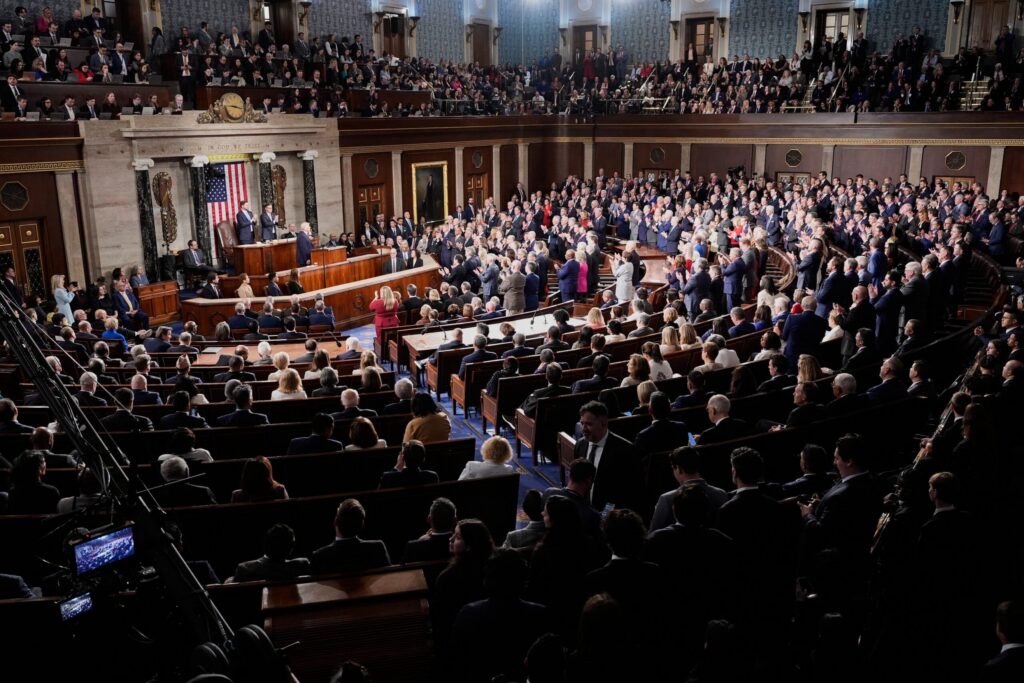
Democrats rebounding without learning necessary lessons | SONDERMANN
Eric Sondermann
eric-sondermann@coloradopolitics.com
Updated 9 hours ago
“When we fight, we win!” That, reportedly, was the chant heard over and over again at the Colorado Democratic Assembly a week ago. It suggests that pugilism has been the piece missing from the Democratic toolkit. Perhaps it was just...
Colorado Politics Calendar Apr. 6-12
Rachael Wright, Special to Colorado Politics
rachael.wright@coloradopolitics.com
Updated 3 days ago
CoPo’s weekly political calendar will help you find political and public-policy events throughout Colorado. It includes candidate and issue campaign events, public policy meetings, court hearings, state and local party conventions, assemblies, debates, rallies, parades, speaking engagements, traveling dignitary appearances,...
Federal judge sides with Mesa County school district in ex-student’s First Amendment claims
Michael Karlik
michael.karlik@coloradopolitics.com
Updated 23 hours ago
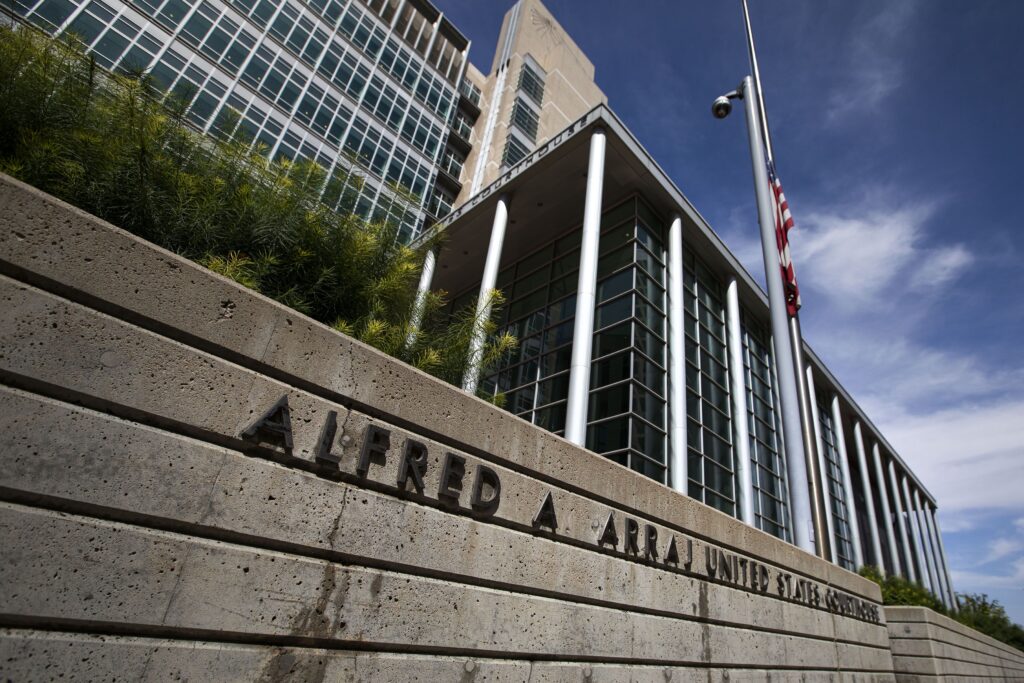
A federal judge concluded last week that Mesa County Valley School District 51 and three of its administrators did not violate the First Amendment rights of a former student when they imposed minor discipline in response to disruptive behavior. In...

Colorado Supreme Court intervenes in 4 ongoing cases
Michael Karlik
michael.karlik@coloradopolitics.com
Updated 1 day ago
The Colorado Supreme Court recently moved to intervene in four ongoing cases, including two criminal prosecutions, a civil lawsuit, and a child welfare proceeding. At least four of the court’s seven members must agree to hear a case outside of...
Colorado ski resorts announce early closures amid historic snowpack lows, high temperatures
Kyla Pearce
kyla.pearce@gazette.com
Updated 7 hours ago
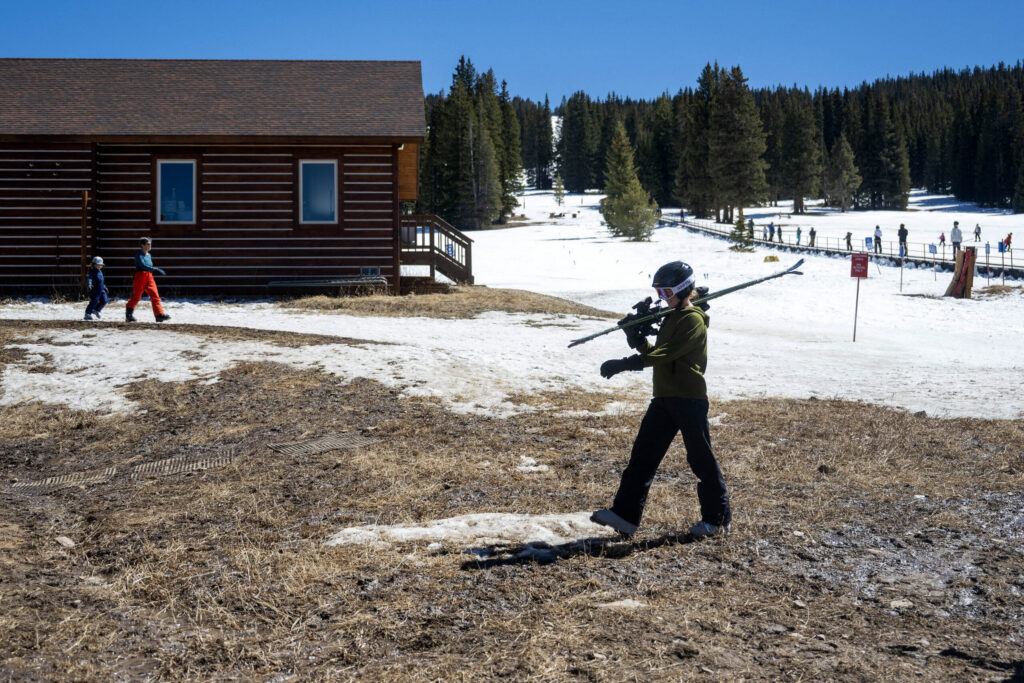
Vail Resorts is the latest area to announce season closure Wednesday As Colorado’s historically low snowpack year comes to a close and spring conditions take over the mountains, the state’s major ski resorts are announcing closing dates — some of...

Kentucky Gov. Andy Beshear set to headline Colorado Democrats’ annual fundraising dinner
Ernest Luning
ernest.luning@coloradopolitics.com
Updated 1 day ago
Kentucky Gov. Andy Beshear, one of the Democrats’ top 2028 presidential prospects, is scheduled to deliver the keynote address at the Colorado Democratic Party’s annual fundraising dinner in June in Denver, the party said Friday. Serving his second term as...
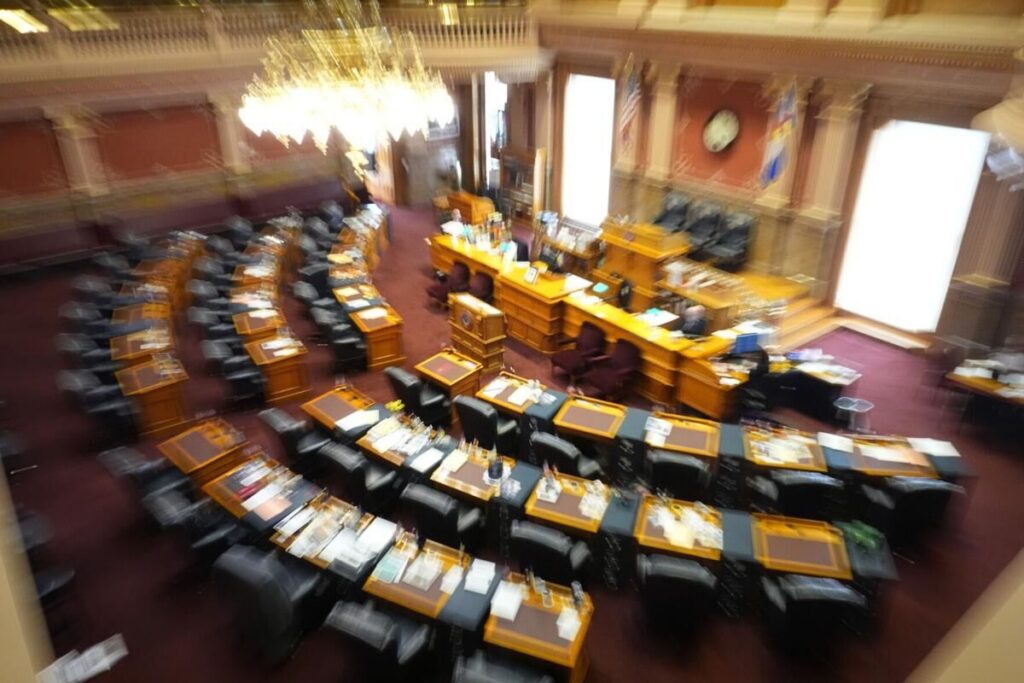
Gov. Polis names new leaders for Colorado health agencies in wake of Medicaid turmoil
Marianne Goodland
marianne.goodland@coloradopolitics.com
Updated 1 day ago
Gov. Jared Polis, on Thursday, announced he was appointing Gretchen Hammer to serve as acting executive director of the Colorado Department of Health Care Policy and Financing, and deputy executive director Stephanie Beasley to become the next commissioner of the...
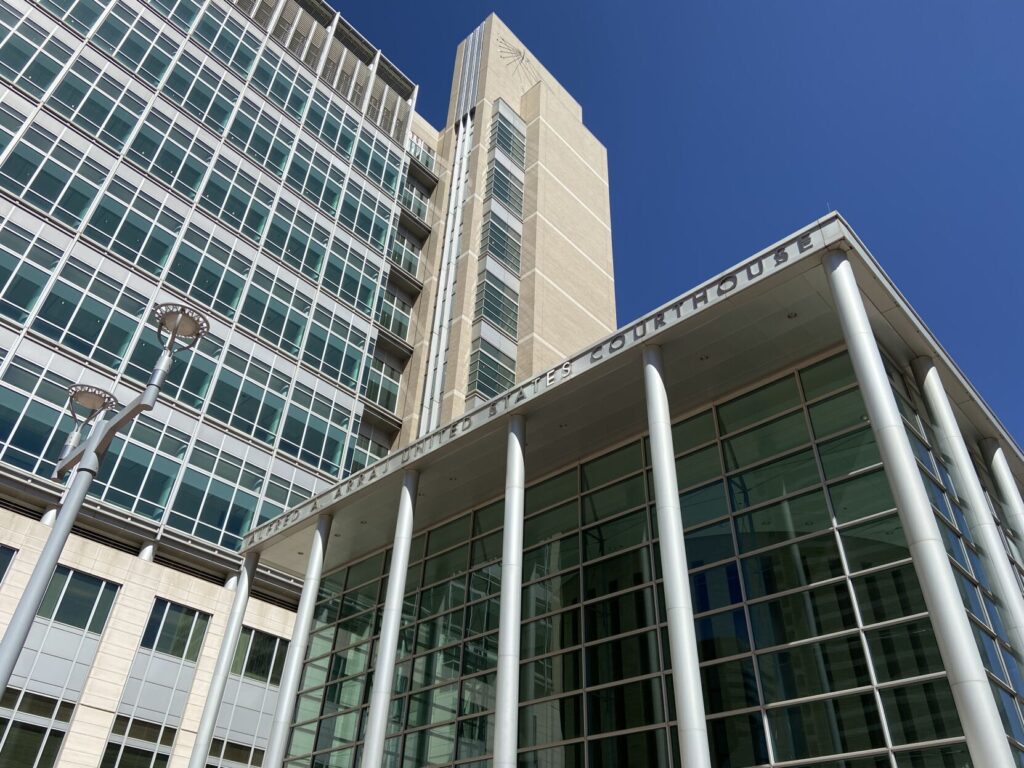
Federal judge releases man immediately as consequence for immigration judge disobeying orders
Michael Karlik
michael.karlik@coloradopolitics.com
Updated 1 day ago
A federal judge ordered a man’s immediate release from immigration detention on Thursday after finding an immigration judge disregarded his prior orders requiring a bond hearing. For the past year, Colorado’s federal district court has faced a flood of “habeas corpus”...
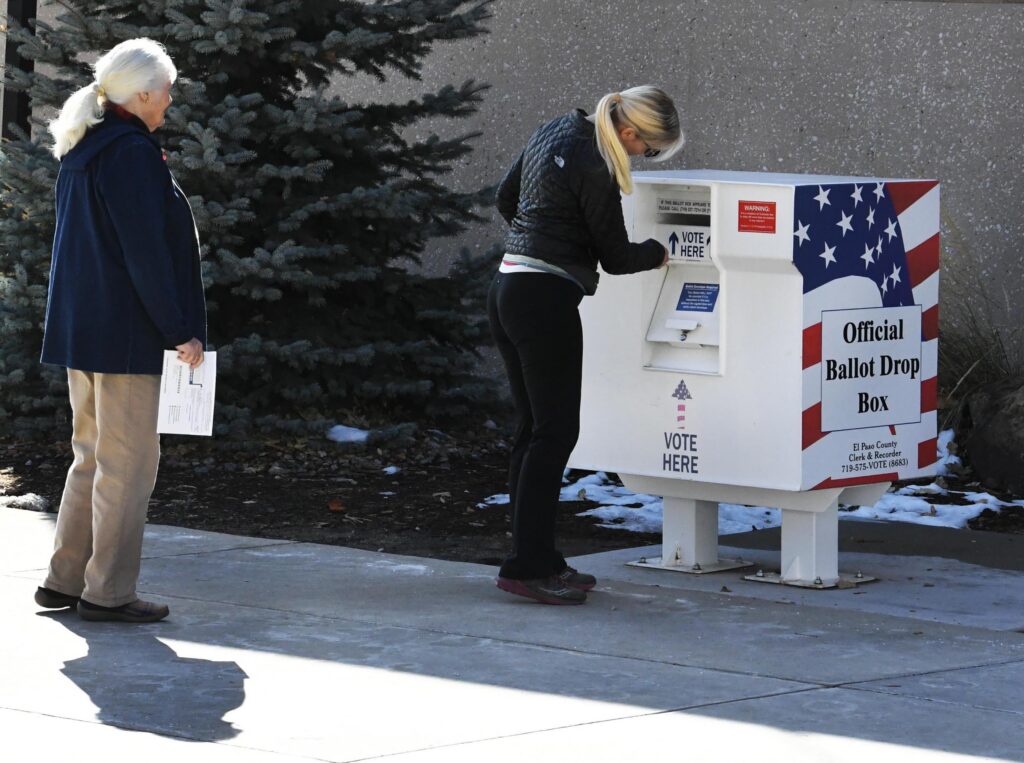
Colorado sues Trump administration, calling new election order ‘unconstitutional’
Marissa Ventrelli
marissa.ventrelli@coloradopolitics.com
Updated 7 hours ago
Colorado Attorney General Phil Weiser has joined a multistate coalition suing President Donald Trump over a new executive order on elections, arguing the directive unlawfully intrudes on states’ authority to run their own voting systems and threatens access to mail...