

Sen. Cory Gardner stands ground on marijuana vs. Jeff Sessions’ taunts

Blame Cory Gardner. Democrats have been doing that for a while, but now U.S. Attorney General Jeff Sessions is down on the senator from Colorado, claiming the fellow Republican is using pot to trip up the Justice Department. On Tuesday Gardner wasn’t backing down.
Gardner is blocking Trump nominees over Sessions’ decision in January to rescind protections for the marijuana industry in states that have legalized and regulated pot.
“Sen. Gardner’s holds on Justice nominees remain in place as he and our staff continue to talk with the Department of Justice and discuss a path forward which recognizes Colorado’s state’s rights and ensures law enforcement has the authority and tools needed to protect our communities,” Gardner spokesman Casey Contres. “These discussions continue to be necessary and we appreciate their willingness to have them. Sen. Gardner is also working with a bipartisan group of senators from across the political spectrum and they continue to look at ways Congress can take action to preserve states’ rights. Sen. Gardner appreciates the positive conversations he continues to have with Department of Justice and they will continue.”
Sessions told a law enforcement conference in Washington on Monday that Gardner is the reason why the administration still hasn’t filled important jobs, including justice officials in charge of national security and the department’s criminal and civil rights divisions.
“These are critically important components,” Sessions told the National Sheriff’s Association. “… But because right now one senator’s concerns over unrelated issues – like reversing federal law against marijuana – we can’t even get a vote.”
Sessions added, “I’m attorney general of the United States. I don’t have the authority to say that something is legal when it is illegal, even if I wanted to. I cannot and will not pretend that a duly enacted law of this country – like the federal ban on marijuana – does not exist. Marijuana is illegal in the United States-even in Colorado, California, and everywhere else in America.”
Read the full text of the address by clicking here.
Trump’s inability to fill vacancies and confirm nominees has been unusual, given the GOP control of the executive and legislative branches.
The Associated Press noted on Monday, however, that many of the Justice Department slots were open for months before Gardner’s standoff began in January. Gardner has worked alongside Colorado’s Democratic Sen. Michael Bennet of Denver to defend the industry, including banking support.
Gardner is chief among the Colorado leaders who have called foul and suggested Sessions is bluffing, including Democratic Gov. John Hickenlooper and Republican Attorney General Cynthia Coffman.
Hickenlooper said shutting down the industry in the state is logistically unrealistic, that the Justice Department doesn’t have the manpower or the budget to raid otherwise-legal businesses, then take on the massively expensive litigation against a thriving industry with an army of employees.
The question, ultimately, is likely to come down to whether Colorado regulates marijuana tightly enough to satisfy the attorney general, who has a long history of opposing marijuana, illegal or otherwise.
The National Fraternal Order of Police, however, sides with Sessions.
“Sen. Gardner has come out swinging to defend the pot industry in his state,” the police union’s president, Chuck Canterbury, said in a statement two weeks ago. “However, the fact that he believes Colorado can profit from the sale of this illegal drug does not give him the right to hold up or delay the appointment of critical personnel at the Justice Department. … Sen. Gardner does a real disservice to the nation as a whole, and we urgently ask him to reconsider his rash and ill-advised obstructionism.”
Sales of recreational and medical marijuana topped $1.5 billion in Colorado last year, up from $1.3 billion in 2016 and $996 million in 2015, the Department of Revenue reported this month.
Colorado voters legalized recreational marijuana in 2012.
In October 2016 the pro-industry Marijuana Policy Group released a report that indicated marijuana has eclipsed oil and gas as the state’s chief industry, estimating pot’s total economic impact on the state at nearly $2.4 billion in 2015.

Federal judge directs plaintiff to revise complaint alleging Denver officers’ constitutional violations
Michael Karlik
michael.karlik@coloradopolitics.com
Updated 1 hour ago
A federal judge directed a plaintiff to revise his allegations on Wednesday to more precisely state what two Denver officers and the city itself allegedly did to violate his constitutional rights by facilitating his prosecution for murder until prosecutors dropped...
Federal judge explores new sanctions against ex-Colorado judicial discipline director
Michael Karlik
michael.karlik@coloradopolitics.com
Updated 5 hours ago
A federal judge on Wednesday directed Colorado’s former judicial discipline director, for the third time this year, to explain why she should not sanction him for his latest conduct in his litigation against the state’s judiciary. Christopher S.P. Gregory, who served...
Colorado joins lawsuit challenging changes to Endangered Species Act
Marissa Ventrelli
marissa.ventrelli@coloradopolitics.com
Updated 5 hours ago
Colorado once more joined a coalition of states challenging the Trump administration — this time on proposed rules regarding the Endangered Species Act. The pair of lawsuits challenge new rules made under Interior Secretary Doug Burgum, who earlier said the...

Boebert challenger Eileen Laubacher says she’ll ‘break through the noise’ in Democrat’s 1st TV ad
Ernest Luning
ernest.luning@coloradopolitics.com
Updated 2 hours ago
Democratic congressional candidate Eileen Laubacher says she’ll take a different approach than her opponent in a campaign ad released Wednesday that opens with a cacophonous series of videos featuring Republican U.S. Rep. Lauren Boebert. “Eileen’s had enough of the noise...
Colorado congressman asks DOJ to investigate violent student ICE walkout
Nico Brambila
nico.brambila@denvergazette.com
Updated 4 hours ago
U.S. Rep. Jeff Crank is asking the Justice Department to investigate violence at last week’s anti-ICE student walkout in Denver, including whether outside organizations helped organize, fund, or influence the demonstration. Crank sent a letter Tuesday requesting the investigation to...
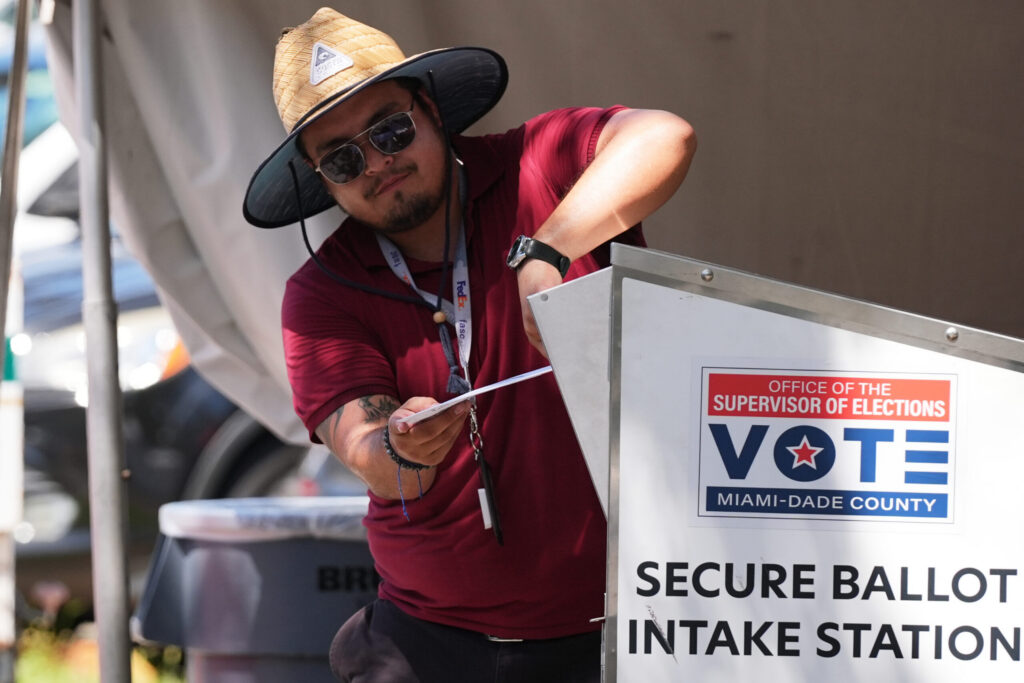
General election season is here. Where does mail-in voting stand?
David Zimmermann
david-zimmermann@coloradopolitics.com
Updated 8 hours ago
As the general election season approaches, the legal question surrounding the new U.S. Postal Service mail-in ballot requirements remains up in the air. With the case playing out in the courts, mail-in voting has not been changed substantially despite President...
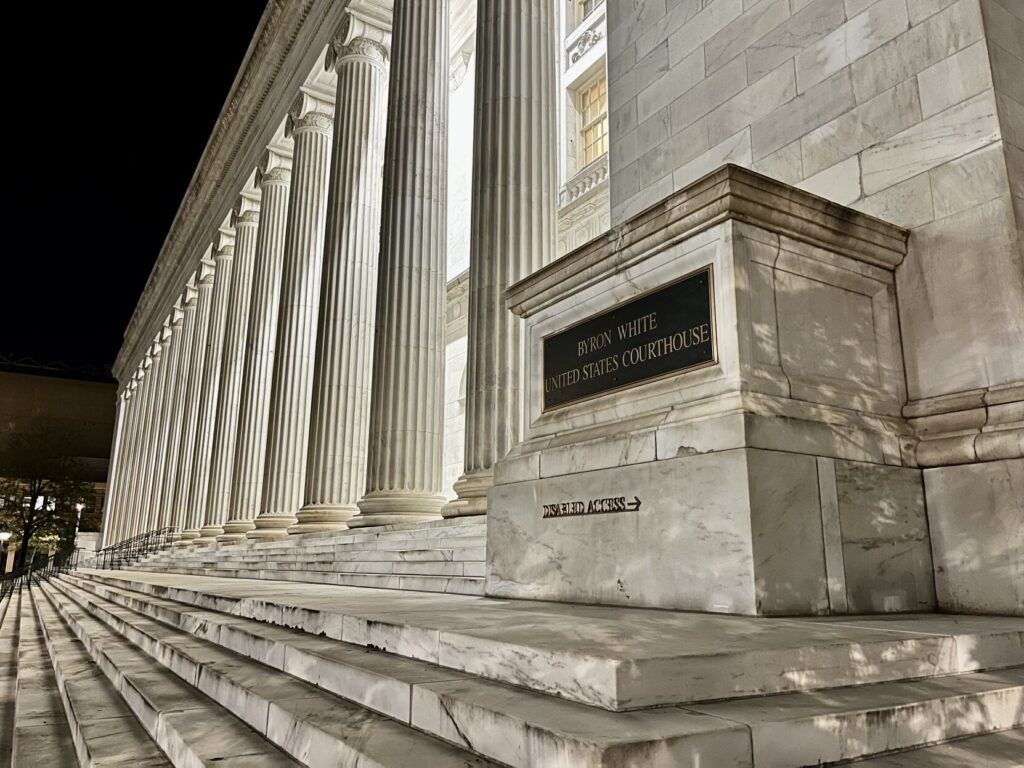
10th Circuit orders second look at immunity for Kiowa County deputy over fatal vehicle crash
Michael Karlik
michael.karlik@coloradopolitics.com
Updated 3 hours ago
The Denver-based federal appeals court directed a trial judge on Tuesday to further analyze whether a Kiowa County deputy and the sheriff’s office may be sued for a fatal vehicle collision. The Colorado Governmental Immunity Act generally shields government entities and public...
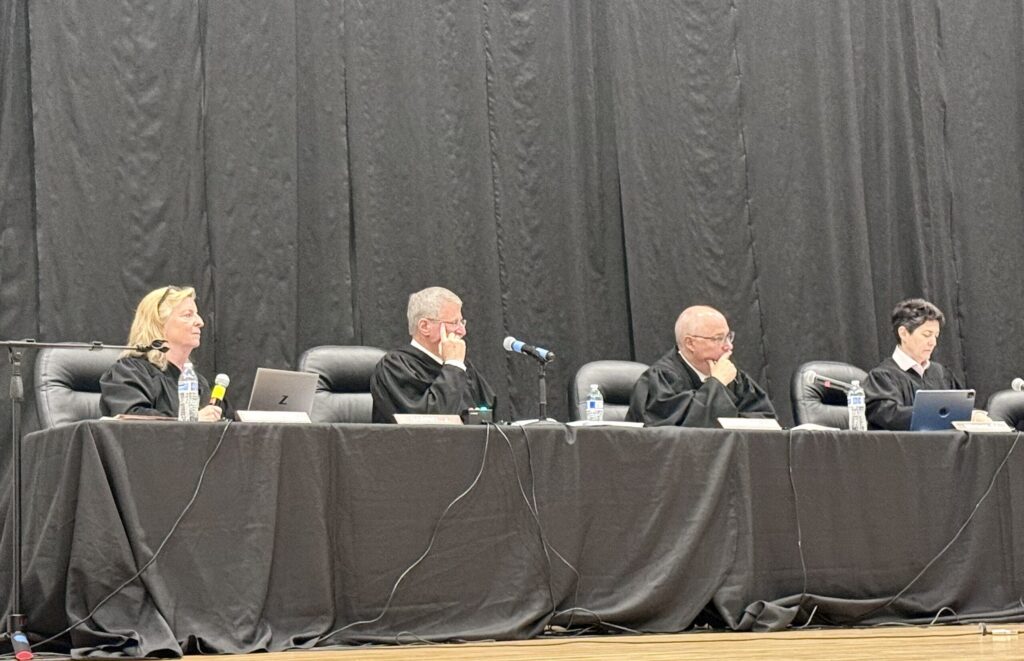
Colorado justices to hear appeal in Kendrick Castillo death lawsuit, ‘fugitive’ rule
Michael Karlik
michael.karlik@coloradopolitics.com
Updated 3 hours ago
The Colorado Supreme Court announced on Tuesday that it will decide whether it was proper to dismiss a lawsuit over the 2019 shooting death of Kendrick Castillo after the defendants paid the maximum amount of damages available to Castillo’s parents,...

Two more wolves killed by Colorado wildlife staff
Marianne Goodland
marianne.goodland@coloradopolitics.com
Updated 1 day ago
Two yearling wolves from the Copper Creek and Three Creeks packs in Pitkin and Rio Blanco counties, respectively, were killed by Colorado Parks and Wildlife staff on Monday. That brings to 19 the number of wolves that have died under...
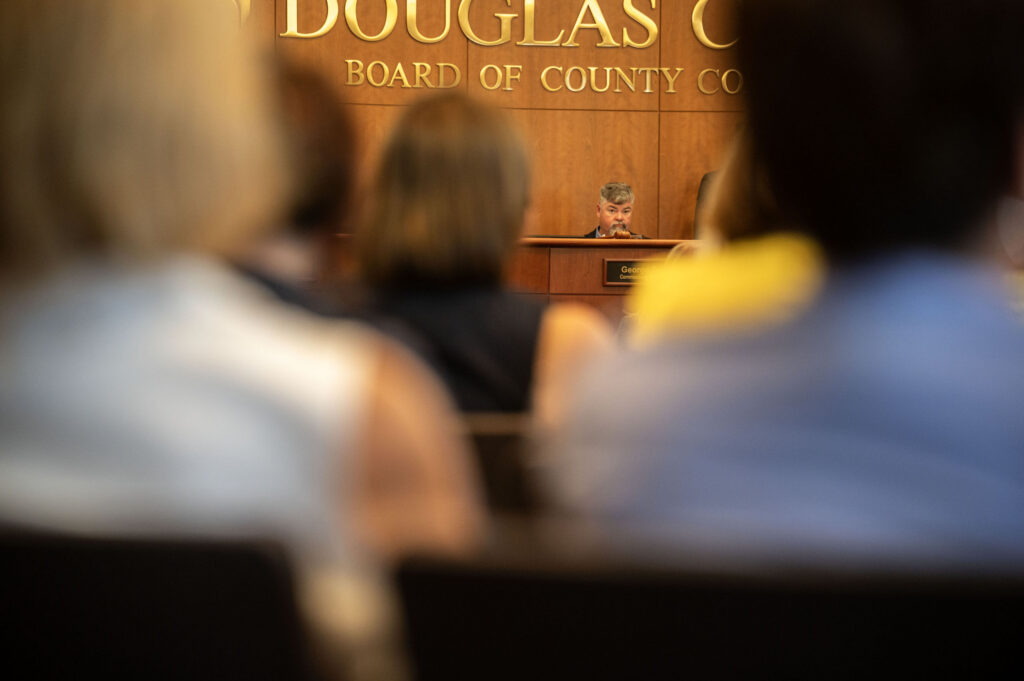
Federal judge dismisses Douglas County’s challenge to collective bargaining law
Nicholas Fogleman
nicholas.fogleman@denvergazette.com
Updated 12 hours ago
A federal judge dismissed claims brought by the Douglas County Board of Commissioners alleging that a state law granting county employees the right to organize and join labor unions violates free speech protections and conflicts with federal labor law. Douglas...
PREV
PREVIOUS

Colorado commission delays vote on ethics complaint against Sen. Vicki Marble
The Colorado Ethics Commission Monday spent close to two hours deliberating on the facts and issues in an ethics complaint filed against Fort Collins Republican Sen. Vicki Marble. While the commission appeared to lean toward dismissing the complaint, they decided to hold off on a vote until their next meeting on March 5. Marble is […]

Colorado state Sen. Randy Baumgardner steps down as chair of Senate Transportation
UPDATED to include a statement from Senate President Grantham on the Democrats’ efforts to expel Baumgardner. Sen. Randy Baumgardner Tuesday announced he would step down as chair of the Senate Transportation Committee in the wake of an investigation into sexual harassment that was reportedly found credible. Senate Democrats responded to the announcement with one of their […]