

How Colorado’s congressional delegation voted this week
H.R. 4324: Strengthening Oversight of Iran’s Access to Finance Act
This was a vote to pass H.R. 4324 in the House.
H.R. 4324 is an attempt to deny Iran access to civil aircraft that could be converted to military uses. It follows accusations from the U.S. government that Iran is violating United Nations resolutions forbidding it from exporting arms to Middle Eastern terrorist groups and militias. H.R. 4324 would require the Treasury Department to report to Congress on any financial transactions that included commercial passenger aircraft sales to Iran. The audit is supposed to describe any risks the aircraft sold in the past year could be used to transport weapons, help militias commit human rights violations or launder money in a way that poses a risk to the U.S. financial system. The Obama administration lifted some embargo restrictions against Iran last year under the Joint Comprehensive Plan Of Action. They included an authorization for sales of 200 civilian aircraft. More recently, U.S. intelligence sources reported Iran Air has used civilian planes to transport rockets, missiles and other military cargo on behalf of the Islamic Revolutionary Guard Corps and operated flights to Syria using weapons resupply routes.
Passed.
H.R. 1638: Iranian Leadership Asset Transparency Act
This was a vote to pass H.R. 1638 in the House.
This bill requires the Treasury Department to publish a list of personal assets of Iranian leaders to publicly reveal how money they acquired through embezzlement and corruption might be used to support international terrorism. The bill is directed most specifically at the assets of the Supreme Leader of Iran Ali Khamenei. Passage of the bill coincides with calls in Congress for investigations of how about 70 Iranian leaders suspected of supporting terrorism are spending their money. The bill’s main author was Bruce Poliquin, R-Maine, who said in a statement, “This bill will allow the world to see how the top leadership in Iran facilitates human rights abuse through funding pilfered from the Iranian people. It will allow financial institutions to see in public form the type of assets associated with these individuals and hopefully better focus anti-money laundering efforts.” The bill also requires the Treasury Department to develop a detailed list of movable and immovable property of Iran’s top political and military leaders, which would be published on the Department’s website. Poliquin said about the Iranian leadership, “They simply cannot be trusted.”
Passed.
H.R. 3971: Community Institution Mortgage Relief Act of 2017
This was a vote to pass H.R. 3971 in the House.
This bill seeks to lessen the regulatory burden on community banks prompted by the financial crisis that started in 2008. H.R. 3971 rolls back the Consumer Financial Protection Bureau rule that requires small banks to set up escrow accounts for high-risk borrowers. Escrow accounts were supposed to ensure borrowers always would have enough money set aside to pay expenses like taxes and insurance. The bill’s sponsors say the rule is too costly for small banks, raising their loan rates and contributing to driving some of them out of business. They also say it gives an advantage to large banks that spread their resources over larger financial reserves than their smaller competitors. The Community Institution Mortgage Relief Act exempts community banks from the escrow requirement if loans are held by financial institutions with reserves of no more than $10 billion. It also requires banks to hold the loans for at least three years. It gives loan servicing exemptions to banks with fewer than 20,000 mortgages.
Passed.
H.R. 1730: Combating Anti-Semitism Act of 2017
This was a vote to pass H.R. 1730 in the House.
H.R. 1730 would increase penalties for bomb threats and other threats of violence against religious institutions. The threats could be prosecuted as hate crimes. The bill also increases the criminal punishment for damaging religious institutions’ property by fire or explosives from one year to three years in prison. The bill is an amendment to the Church Arson Prevention Act. The bill defines “real religious property” to include property leased by religious institutions, such as religious community centers. Part of the motivation for the bill came from recent Anti-Defamation League numbers showing anti-Semitic incidents in the United States increased by 86 percent in the first three months of 2017. The incidents included vandalism, cemetery desecrations and bomb threats against community centers. This legislation adds a new dimension to criminal liability by saying anyone who makes violent threats against religious institutions can be prosecuted for obstructing people from practicing their right to exercise their religious beliefs.
Passed.
H.R. 2706: Financial Institution Customer Protection Act of 2017
This was a vote to pass H.R. 2706 in the House
H.R. 2706 sets rules to terminate bank accounts when the account holders are suspected of fraudulent activity. It seeks to avoid arbitrary decisions by federal regulators who order banks to terminate accounts. Instead, the rules of H.R. 2706 are supposed to ensure due process is followed before shutting off account holders’ access to deposited money. Banking agencies would be required to give Congress annual reports on the number of accounts they caused to be closed and the legal authority they claimed. The bill is an outgrowth of Operation Choke Point, a Justice Department initiative to combat consumer fraud by blocking corrupt businesses from access to the financial system. Examples include Ponzi schemes, debt consolidation scams and sales of drug paraphernalia.
Passed.
Source: GovTrack

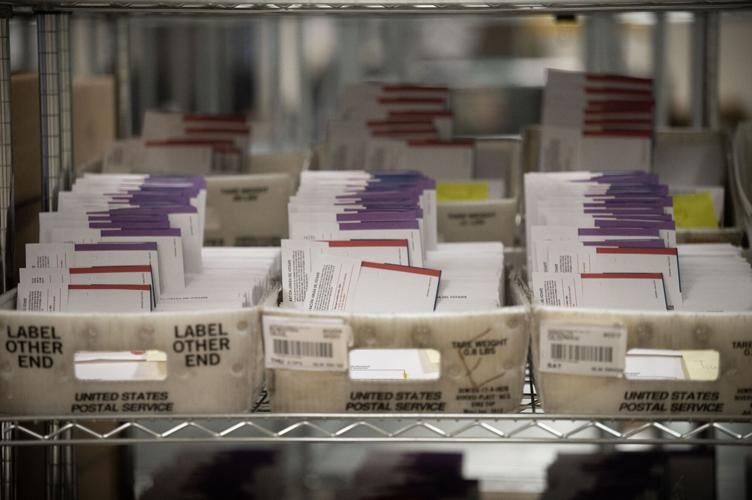
USPS ballot rule faces lawsuit from Colorado, other states
Thelma Grimes
thelma.grimes@coloradopolitics.com
Updated 10 minutes ago
Colorado, along with 25 other states, filed a lawsuit against the U.S. Postal Service to challenge a new rule that seeks to restrict the mailing of ballots to American citizens in an eligible voters list. Colorado relies heavily on the...

Trump defends pause on beef tariffs: Prices are ‘coming down very rapidly’
Naomi Lim
naomi-lim@coloradopolitics.com
Updated 43 minutes ago
President Donald Trump defended his decision to pause tariffs on some beef imports, even as Republicans criticize the decision. “Prices are coming down very rapidly, and now beef is starting to come down,” Trump told The Glenn Beck Program on...

Denver murder, assault convictions reversed due to faulty jury instructions
Michael Karlik
michael.karlik@coloradopolitics.com
Updated 1 hour ago
Colorado’s second-highest court reversed a defendant’s convictions for murder and assault last week after concluding a Denver judge incorrectly omitted key jury instructions that could have affected the verdict and sentencing. Stephen C. Swainson fatally stabbed Israel Casillas in downtown...

This is how much Colorado will receive from massive Meta child safety settlement
Thelma Grimes
thelma.grimes@coloradopolitics.com
Updated 3 minutes ago
As part of a sweeping multistate agreement, Meta Platforms, Inc. — the parent company of Facebook and Instagram—has agreed to pay more than $17 billion and adopt extensive child-safety reforms. Colorado Attorney General Phil Weiser on Wednesday called the deal...
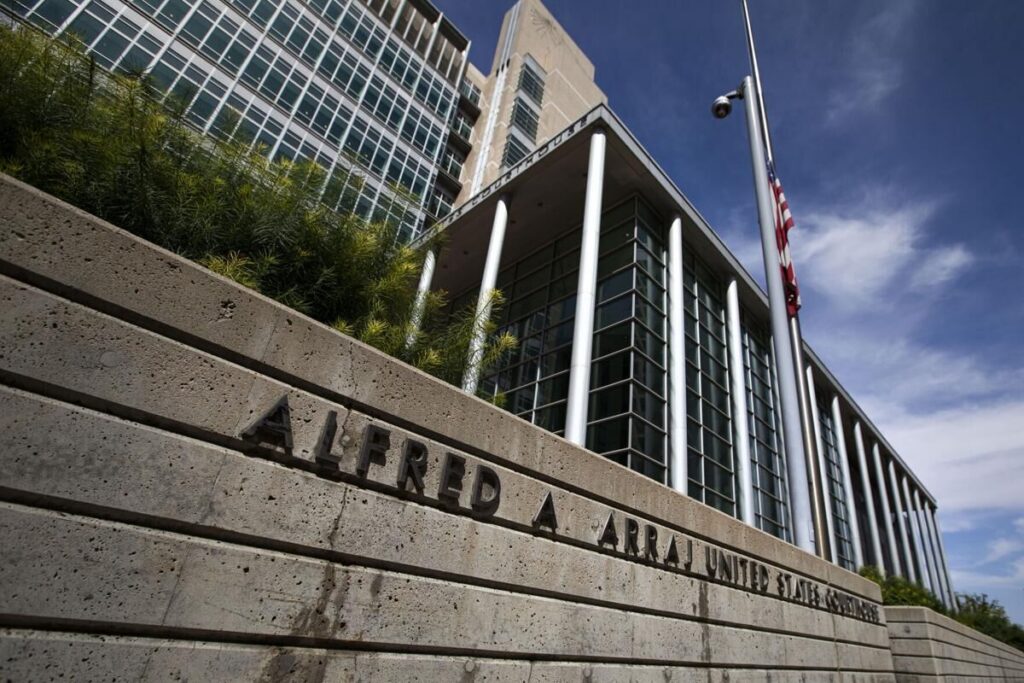
‘Understand people for who they are’: 2 federal judges talk about compassion in courtroom
Michael Karlik
michael.karlik@coloradopolitics.com
Updated 3 hours ago
Before taking the bench in 2022, U.S. District Court Judge Charlotte N. Sweeney was an employment discrimination attorney. While the cases could be emotionally charged, they were different from the criminal proceedings she is now handling. “It wasn’t necessarily affecting...

Trump lowers flags to half-staff for Dolly Parton: ‘The World loves you’
Naomi Lim
naomi-lim@coloradopolitics.com
Updated 23 hours ago
President Donald Trump is honoring the life of country music legend and philanthropist Dolly Parton by ordering federal buildings across the country to lower flags to half-staff for a week. “Very sad to report that Dolly Parton, one of the...
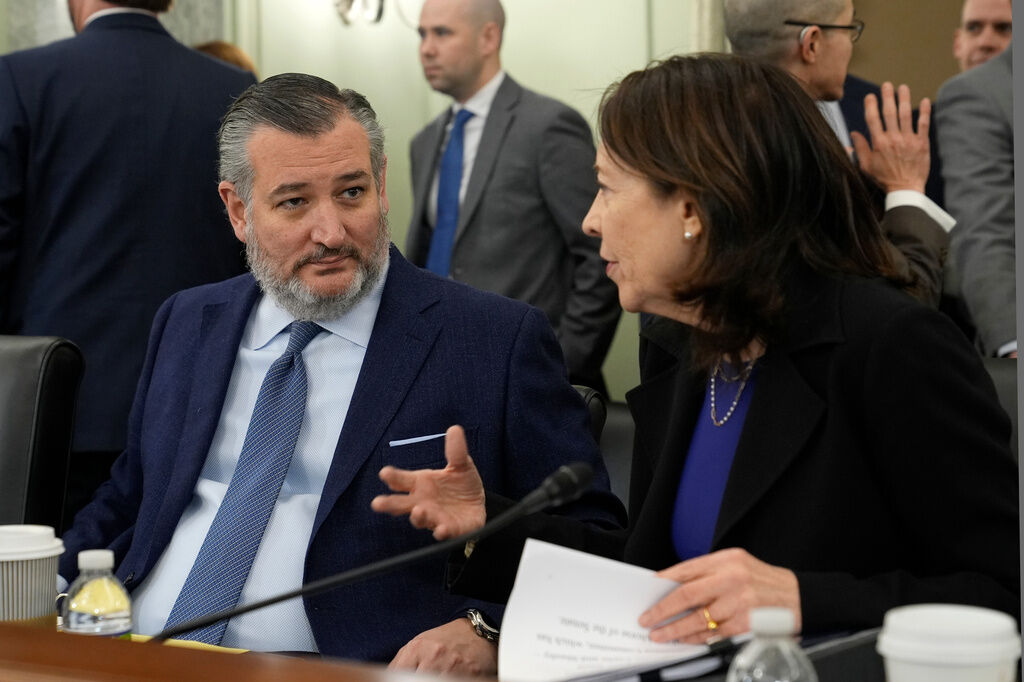
Ted Cruz suggests GOP realignment coming after Trump leaves office
Emily Hallas
emily-hallas@coloradopolitics.com
Updated 23 hours ago
Sen. Ted Cruz (R-TX) on Monday suggested the Republican Party could embrace a directional shift after President Donald Trump leaves office, a transition that promises to leave a gaping hole in the GOP. Cruz is known as a critical ally...

2 Colorado State troopers shot near Woodland Park; suspect killed
DEBBIE KELLEY
debbie-kelley@coloradopolitics.com
Updated 22 hours ago
Two Colorado State Patrol troopers were hospitalized, and a suspect is dead after a shooting during a traffic stop Tuesday. The initial incident happened at about 7:15 a.m., when a resident reported suspicious activity in the area near milepost 286...
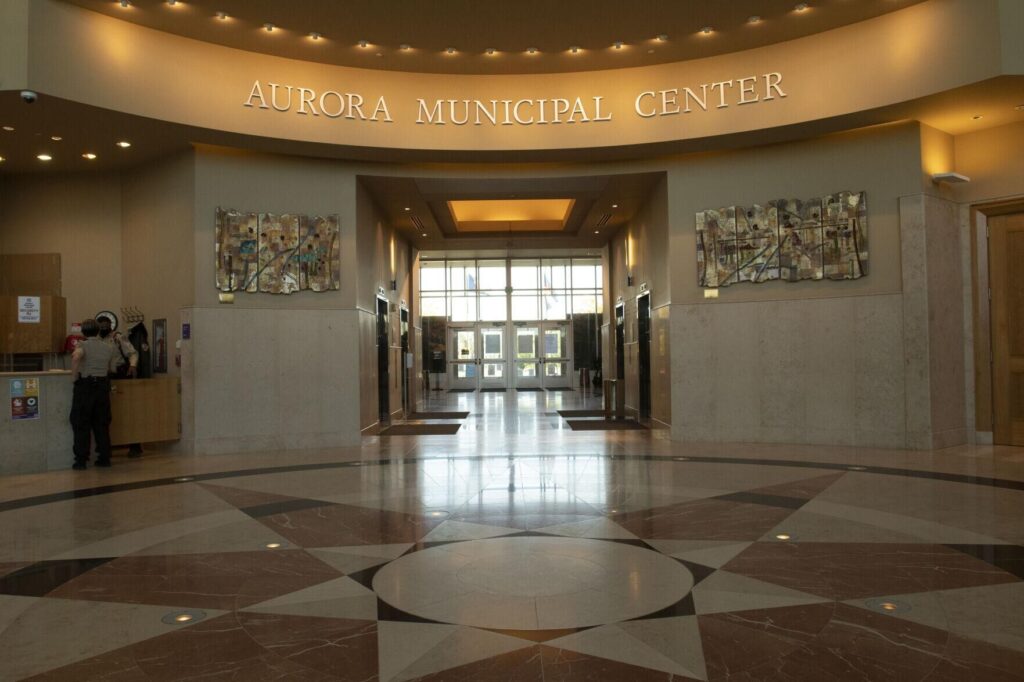
Aurora moves forward with data center regulations
Kyla Pearce
kyla.pearce@gazette.com
Updated 23 hours ago
The Aurora City Council approved moving forward with two new regulations on data centers and directed staff to come back at the next study session with others. At a council meeting in early August, council members directed city management to...

Aurora City Council considers stricter food truck regulations
Kyla Pearce
kyla.pearce@gazette.com
Updated 23 hours ago
The Aurora City Council is considering passing laws to limit the number of food trucks on properties in the city and how and when they operate. Councilmember Angela Lawson, who sponsored the ordinance, said she understands the importance of food...