

Out West Roundup: Polygamous sect slowly losing control over remote Utah town

Utah
Polygamous sect slowly losing control over remote Utah town
HILDALE, Utah – In a place where political contests are virtually unknown, the campaign signs offer the latest hint that a polygamous group is losing its grip on this remote red rock community straddling the Utah-Arizona border.
“For Hildale mayor vote Donia,” reads one sign featuring Donia Jessop, a candidate pictured with a contemporary hairstyle and a red business suit.
The signs are unusual because elections here have long been decided behind the scenes by the Fundamentalist Church of Jesus Christ of Latter-Day Saints, a Mormon offshoot that has made its home among the rocks for more than a century and hand-picked men to run unopposed.
Just five years ago, Jessop was a member of the group also known as the FLDS. She wore the sect’s traditional prairie dresses and her hair in a conservative up-do. Now she is among a swelling number of former members who have returned to buy foreclosed homes, open businesses and try to turn Hildale into a place that resembles a typical Western town, not a cloistered religious community.
Jessop and other former sect members say it’s long-overdue progress that will help the community break free from the reign of sect leader Warren Jeffs, who is serving life in prison in Texas for sexually assaulting underage girls he considered brides.
Wyoming
Poll: Wyoming voters favor spending cuts, not more taxes
CHEYENNE – A new poll suggests Wyoming voters are strongly opposed to tax increases that would help Wyoming avoid further reductions to K-12 education and other state spending.
The poll found 68 percent of potential voters in Wyoming preferred spending cuts as the solution to the state’s current budget shortfalls, with only 19 percent favoring tax increases. About 80 percent believed new taxes alone could not balance the budget.
When it comes to increasing property or sales taxes, 70 percent were opposed, with half of respondents strongly so.
The Wyoming Business Alliance commissioned the poll to get a sense of voter attitudes and opinions, said Cindy DeLancey, the organization’s president.
New Mexico
New Mexico governor excited about federal drone program
ALBUQUERQUE – Gov. Susana Martinez says aviation and innovation have been crucial to New Mexico’s economy over the years and the integration of drones into the wider airspace will make for even more opportunities.
The two-term Republican governor joined federal officials and industry representatives in Washington, D.C., last week to kick off the Trump administration’s drone project – a pilot program aimed at increasing government and commercial use of unmanned aircraft.
The plan calls for select states, communities and tribes to devise their own trial programs in partnership with government and industry users.
Martinez said drones offer nearly limitless potential for rural states like New Mexico but that integrating the technology into everyday life must be done safely.
Nebraska
Rural survey: Farm foreclosures over next five years a concern
OMAHA – A new report is highlighting growing concerns that farm foreclosures will be the greatest challenge to rural banks in parts of 10 Plains and Midwestern states over the next five years.
The Rural Mainstreet Index for the region rose slightly to 45.3 in October from 39.6 in September. The index ranges between 0 and 100, with any number under 50 indicating a shrinking economy.
Creighton University economist Ernie Goss, who oversees the survey of bankers, says about 10 percent of bank CEOs surveyed expect their operations to be hit hard by farm foreclosures in the next five years. Goss blamed the concern on weak farm income and low commodity prices.
Deer Exchange helps hunters donate venison in Nebraska
LINCOLN – Nebraskans who want to donate or receive deer meat can participate in the Deer Exchange.
The Nebraska Game and Parks Commission says the program connects hunters who have a surplus of venison with people who could use some.
The exchange runs through March 1. Hunters and potential recipients join a database and search for other participating parties in their area. The venison may not be sold, but recipients may pay for the processing.
Montana
Federal government revisits proposed protections for imperiled fly
BILLINGS – U.S. wildlife managers are revisiting a pending proposal to protect a rare, cold-water insect, after scientists confirmed its presence in new locations in Wyoming and Montana, officials said last week.
The newly found populations of western glacier stonefly appear to face the same problem as the original population in and around Glacier National Park, where habitat loss due to climate change is reducing water flows in the mountain streams where the winged insects live.
“We expect climate change to be acting range-wide, even in these new habitats that were found,” said biologist Jim Boyd with the U.S. Fish and Wildlife Service.
Arizona
Prospects appear bleak for proposed Grand Canyon aerial tram
FLAGSTAFF – Lawmakers on the country’s largest American Indian reservation have shot down a measure to build an aerial tram to take visitors to a riverside boardwalk in the Grand Canyon, with stores, hotels and restaurants above on the East Rim.
The chances of moving forward with the Grand Canyon Escalade project now appear slim.
Developers proposed a multimillion-dollar project that would allow visitors to board gondolas from the East Rim to a 1,400-foot boardwalk near the confluence of the Colorado and Little Colorado rivers, a site that tribes say is sacred.
The plan was opposed by environmentalists and outdoor enthusiasts who are trying to keep open spaces wild. At the same time, the Trump administration is moving to free up other federal land for development.
“We never said we were against economic development but, please, not in our sacred space,” activist Renae Yellowhorse said.
The aerial tram was proposed in a remote area where the federal government banned construction for more than 40 years because of a now-resolved land dispute between the Navajos and their Hopi neighbors.
Idaho
Idaho looking to cash in on starry skies with more tourists
BOISE – The stars are aligning for Idaho – mainly because they’re visible.
The International Dark-Sky Association this month named the central Idaho city of Ketchum an International Dark Sky Community, only the 16th in the world, after years of efforts to limit excess artificial light. It comes as bigger parts of the state received or are seeking rare dark-sky designations that can attract stargazers and boost home values.
Craters of the Moon National Monument and Preserve in south-central Idaho, a prime destination for astronomy buffs, became an International Dark Sky Park earlier this year, one of about 40 in the United States.
Idaho is “becoming one of the centers of interest in dark skies in the country,” said John Barentine, program manager at the Tucson, Arizona-based International Dark-Sky Association.
Much of Ketchum’s economy runs on tourism, and the designations could bring in additional visitors.
The association started designating Dark Sky Communities in 2001. Others include Sedona, Arizona; Beverly Shores, Indiana; and Moffat, Scotland.
Dark-sky measures have drawn opposition in the U.S. from the outdoor advertising industry and those against additional government regulations.

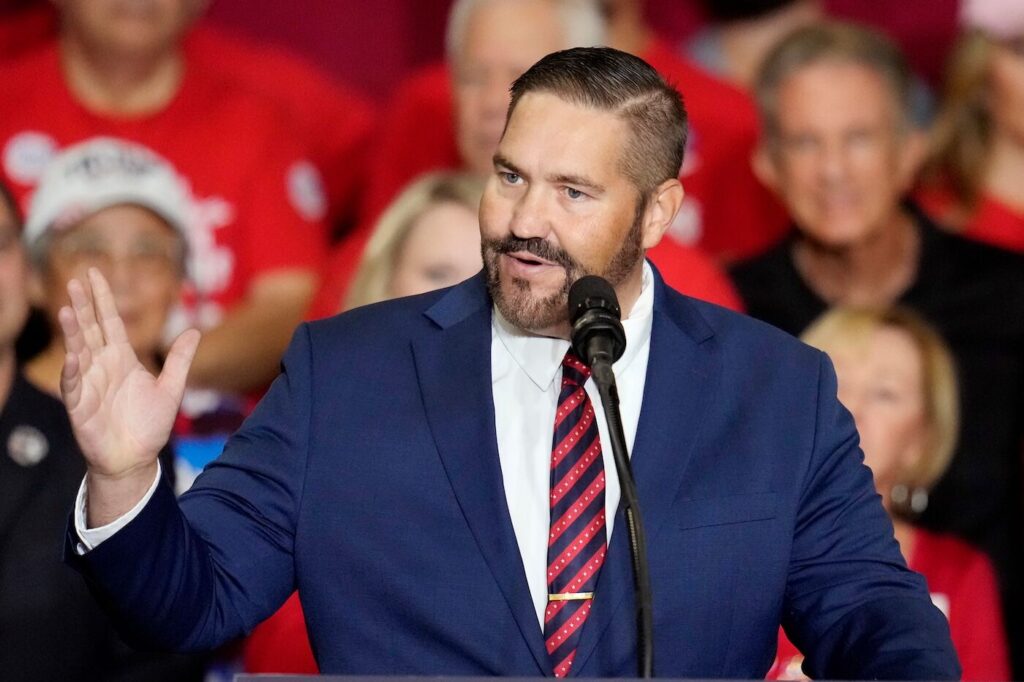
Top officials in Arizona’s Maricopa County agree on how to oversee elections | OUT WEST ROUNDUP
The Associated Press
the-associated-press@coloradopolitics.com
Updated 4 days ago
ARIZONA Officials agree on election oversight PHOENIX — Election officials in Arizona’s most populous county reached an agreement a week before the state’s July 21 primary on how to jointly oversee the vote, ending a prolonged legal battle. Republican Maricopa...

Colorado Politics Calendar Aug. 3-9
Rachael Wright, Special to Colorado Politics
rachael.wright@coloradopolitics.com
Updated 4 days ago
CoPo’s weekly political calendar will help you find political and public-policy events throughout Colorado. It includes candidate and issue campaign events, public policy meetings, court hearings, state and local party conventions, assemblies, debates, rallies, parades, speaking engagements, traveling dignitary appearances,...

The primary political reform and precondition for all others | SONDERMANN
Eric Sondermann
eric-sondermann@coloradopolitics.com
Updated 4 days ago
In its current state, the American political system has no end of ailments. Far too many factors accelerate polarization and work against moderation and narrowing the differences. Media, and the way so many citizens limit themselves to agreeable, reinforcing sources,...
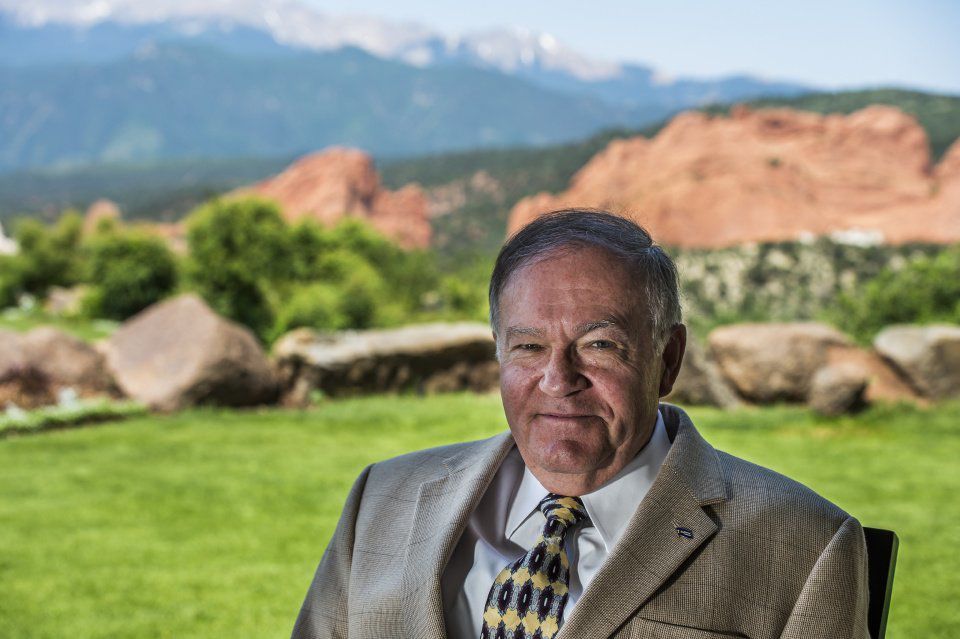
Susemihl wins surprise victory to replace Steve Durham as Colorado Springs state senator | A LOOK BACK
Rachael Wright, Special to Colorado Politics
rachael.wright@coloradopolitics.com
Updated 4 days ago
Forty-five years ago this week: In a closed session, the vacancy committee for Colorado’s Senate District 12 selected attorney Peter Susemihl to complete Sen. Steve Durham’s, R-Colorado Springs, term. Durham resigned his seat to become Region 8 Director of the...

10th Circuit partially revives lawsuit over 2020 Denver protest injuries
Michael Karlik
michael.karlik@coloradopolitics.com
Updated 2 days ago
The Colorado-based federal appeals court revived a man’s claims against Denver on Friday after concluding a trial judge resolved the case in the city’s favor without analyzing two of the three instances of alleged excessive force and other constitutional violations....

At conservative summit, Colorado Republican leaders concede Democrats’ election edge
Marissa Ventrelli
marissa.ventrelli@coloradopolitics.com
Updated 1 day ago
Four Republican state lawmakers told attendees at a gathering of conservative leaders on Friday they doubt their party can win statewide races, noting that Colorado’s electorate has been shifting toward Democrats but adding they see an opening in several pockets....
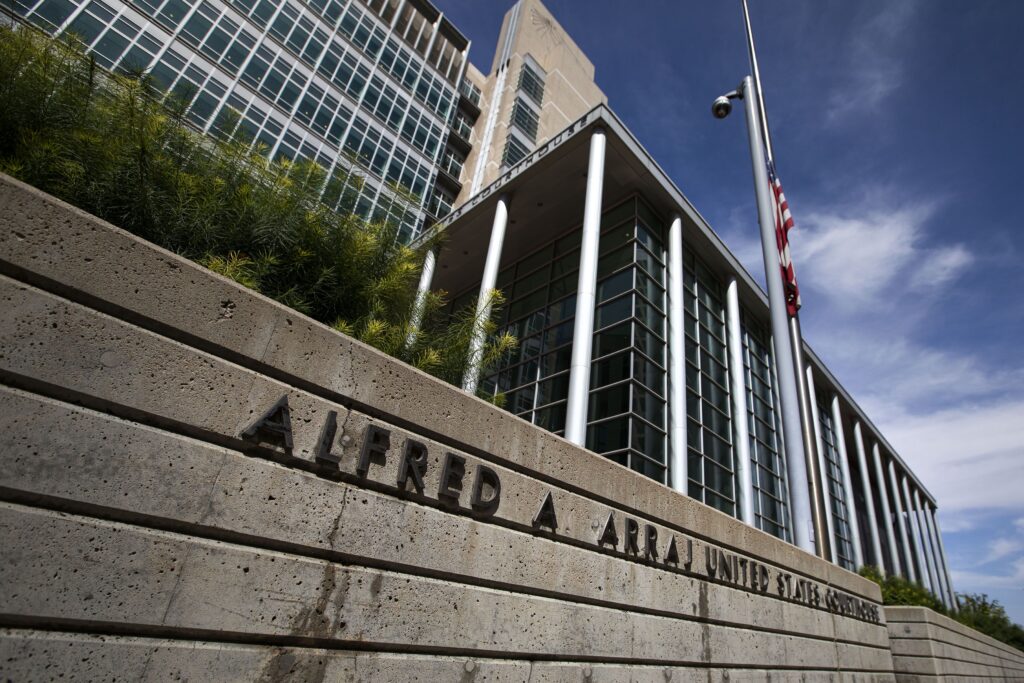
Federal judges find Colorado immigration judge violated several orders
Michael Karlik
michael.karlik@coloradopolitics.com
Updated 18 hours ago
Multiple federal judges in Colorado have freed people from immigration custody after determining that one immigration judge violated their directives for properly conducting bond hearings. For nearly a year, Colorado’s U.S. District Court has faced a flood of habeas corpus petitions...
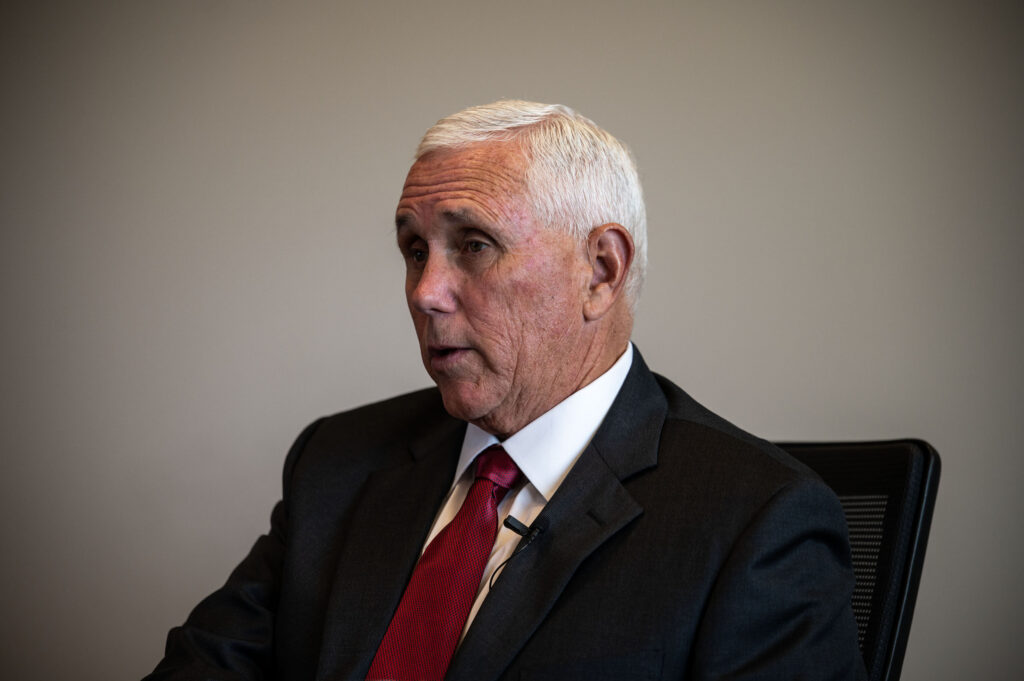
Q&A with Mike Pence | Former vice president says GOP’s populist turn from conservatism isn’t permanent
Ernest Luning
ernest.luning@coloradopolitics.com
Updated 22 hours ago
Former Vice President Mike Pence says he’s concerned that the Republican Party has taken a populist turn away from bedrock conservative principles during President Donald Trump’s second term, but he believes the party will return to its roots when Trump...
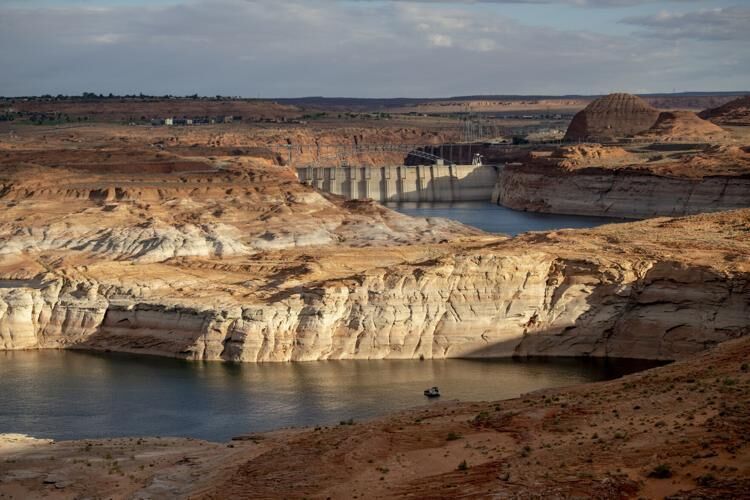
New federal plan sets short-term rules for Colorado River management
Marianne Goodland
marianne.goodland@coloradopolitics.com
Updated 2 days ago
Interior Department’s plan spares Colorado from mandatory cuts for now After years of stalled negotiations among the seven states that rely on the Colorado River, the federal government on Friday released its own plan for managing the drought-strained system. Calling...
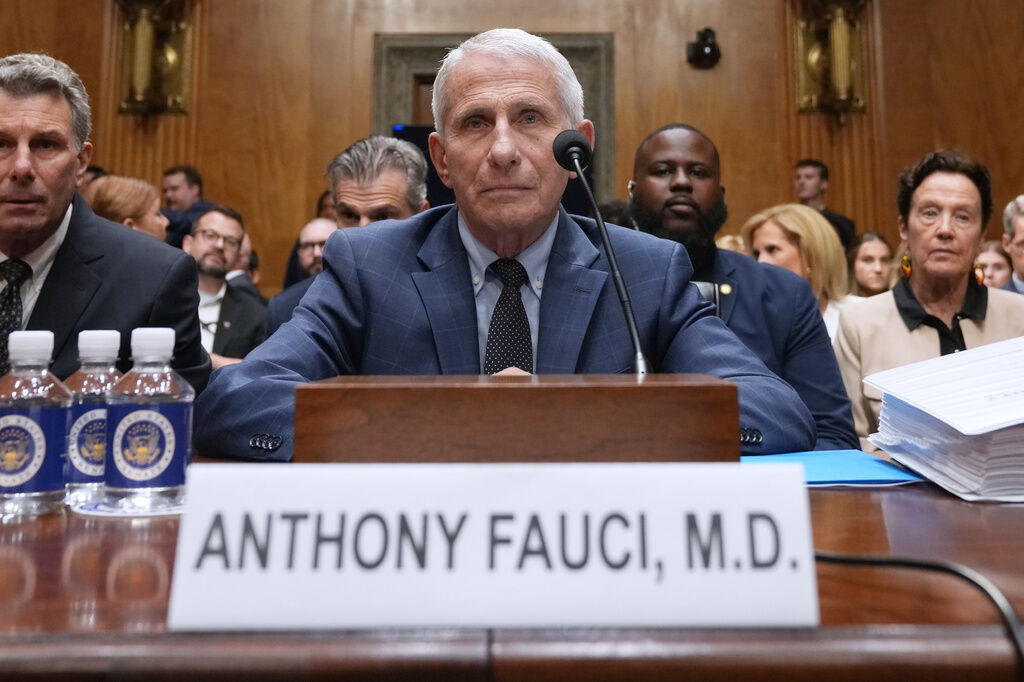
Fauci’s diary details blooming outrage toward ‘far right,’ softness toward Biden and China
Hudson Crozier
hudson.crozier@washingtonexaminer.com
Updated 2 days ago
Dr. Anthony Fauci increasingly railed against “far right” critics of his approach to COVID-19 issues while describing strong support from the Biden White House in his pandemic-era diary, which was recently released by Congress. The former National Institute of Allergy...
PREV
PREVIOUS
Republican tax reform plan draws skeptical, accusatory reviews from Coloradans
Senate Republicans veered onto a new course for tax reform Thursday, and Colorado leaders were both skeptical and accusatory, as the upper chamber’s GOP leadership proposed delaying the corporate tax cuts the president wants and scuttling the laborious efforts of Republicans in the House. Colorado Republican Party chairman Jeff Hays sided with the Senate Republicans […]

Colorado consumer group taking on the fidget spinners
The Denver-based CoPIRG Foundation is taking on the fidget spinner over a couple of products’ high level of lead and its presumption that the toys are not meant for kids. The national consumer protection group said its lab results showed high levels of lead in the ball-bearing fad on sale at Target stores across the […]