

U.S. Senate considers increasing affordable housing subsidy backed by Bennet
As Colorado cities struggle with a shortage of inexpensive homes, witnesses at a U.S. Senate hearing this week said the problem will only get worse unless the federal government intervenes soon.
By 2025, about 15 million people nationwide will spend more than half their incomes on rent if home prices continue to rise at the current rate, compared with about 12 million now, according to a Harvard University housing policy study. Few of them would ever be able to save enough money to purchase a home.
The Senate Finance Committee held the hearing as it considers legislation to expand the Low-Income Housing Tax Credit (LIHTC) by 50 percent. The program gives real estate developers and investors billions of dollars in tax credits to build housing for low-income residents.
Witnesses from government agencies and private industry said the number of renters has been increasing as fast as home prices.
“This is both an urban and rural problem,” said Sen. Maria Cantwell (D-WA), a co-sponsor of the Affordable Housing Credit Improvement Act of 2017. “There are places like Jackson, Mississippi and Baton Rouge that are just right up there with Miami and … there’s places like Clarke [County], Iowa and Douglas [County], Nevada. It’s everywhere.”
The LIHTC has played a role in about 90 percent of low-income housing built in recent years.
The bill Cantwell and co-sponsor Orrin Hatch, R-Utah, proposed would provide economic incentives to build or preserve about 1.3 million affordable homes in the next decade, or 400,000 more than anticipated under the LIHTC.
Affordable housing normally is defined as housing that would cost persons with a median household income no more than 30 percent of their earnings.
Section 8 of the U.S. Housing Act refers to a program that authorizes government payment of rent to private landlords for about five million low-income households. It is administered by the U.S. Department of Housing and Urban Development (HUD).
Supporters of Cantwell’s proposed legislation include housing advocates nationwide along with many Republicans and Democrats in Congress.
One of them is Sen. Michael Bennet, D-Colo., a member of the Senate Finance Committee.
“Michael has met families across the state who are struggling with the high costs of housing, whether it’s access to rental communities or owning a home,” said a Bennet spokesperson. “On the federal level, he supports efforts to increase the amount of low-income housing tax credits available for states and local governments, which can increase the supply of affordable housing.”
However, a government auditor from the U.S. Government Accountability Office warned at the hearing that some of the money from the current $8.5 billion a year LIHTC program is hard to track, raising suspicions about whether it is wasted.
“[The Internal Revenue Service] and no one else in the federal government really has an idea of what’s going on,” said Daniel Garcia-Diaz, the GAO auditor.
The IRS often found improprieties among the 58 state agencies it audited for compliance with the LIHTC program since the program started 30 years ago, Diaz said.
“Because little information was captured in the Low-Income Housing Credit database, IRS was unable to provide us with program-wide information on the most common types of noncompliance,” he said in his statement to the Senate. “Furthermore, IRS had no method to determine if issues reported as uncorrected had been resolved or if properties had recurring noncompliance issues.”
Grant Whitaker, president of the National Council of State Housing Agencies and the Utah Housing Corporation, said the strengthening of the housing market in recent years has come at a high price for low-income households.
The National Association of Realtors reported that first-time homebuyers accounted for 32 percent of home purchases in June, compared with a historical average of 40 percent.
“Even as the housing market strengthens, many creditworthy homebuyers, especially first-time buyers, struggle to obtain mortgages they can afford,” Whitaker said. “As more and more people turn to the rental market, they find a severe shortage of affordable homes.”
Colorado cities suffer affordable housing shortages similar to the scenarios described during the Senate hearing, which prompted Denver Mayor Michael Hancock to develop one of the nation’s most active programs for combating the problem.
In June, he announced on Facebook that the city would reach its goal this summer of building 3,000 affordable housing units a year earlier than originally planned. They consist of 2,865 apartments and 149 for-sale affordable homes.
“We’re not stopping there,” Hancock said.
Denver is in the process of building another 1,500 affordable housing units in 16 developments across the city, Hancock said.
Most of them are located in parts of Denver where gentrification is transforming neighborhoods and raising home prices.
“We’re doing everything we can to keep the pedal to the metal,” Hancock said.
Colorado Springs is set to open 240 affordable housing units in the fall but still needs more, according to city officials. They are developing a mapping tool to help real estate developers apply for federal funding to build affordable housing.
“Community Development is collaborating with the City’s [Geographical Information System Department] to add mapping layers that will make available high level overviews of key neighborhood characteristics, such as job concentrations, percentages of homeowners versus renters, age of the housing stock and household income levels,” Steve Posey, City of Colorado Springs HUD program administrator, told Colorado Politics. “The information is being drawn from multiple sources and consolidated into a simple graphic format.”


Colorado Reps. Hurd and Neguse join forces to modernize federal snow-forecasting program
Marianne Goodland
marianne.goodland@coloradopolitics.com
Updated 5 hours ago
A federal snow-forecasting program, to be updated under a bill from Republican U.S. Rep. Jeff Hurd, won approval in the House on Wednesday. HR 3857, which amends the Snowpack Water Supply Forecasting Reauthorization Act, is Hurd’s second bill to pass...
Colorado aims to close talent gap with new workforce development agency, initiatives
Marissa Ventrelli
marissa.ventrelli@coloradopolitics.com
Updated 4 hours ago
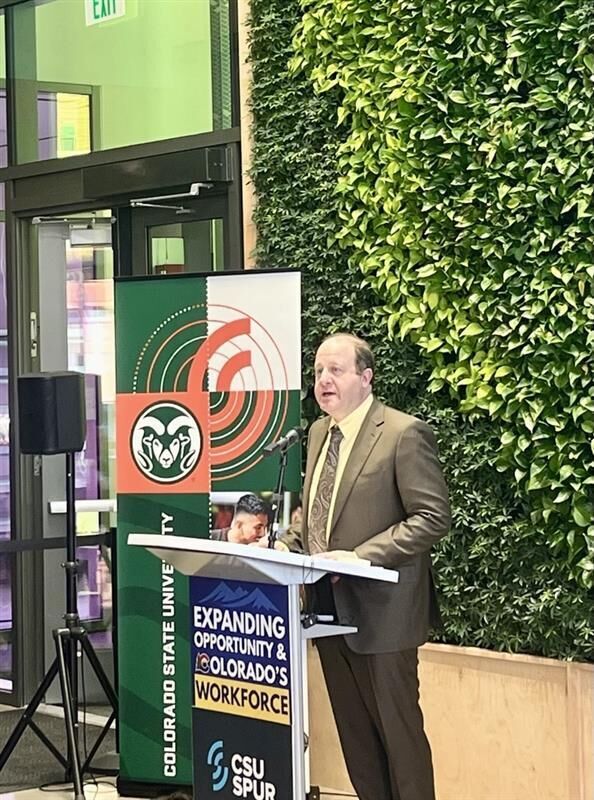
Colorado’s education leaders and legislators are planning changes to the state’s workforce development programs – including the creation of a new state agency – to help more students earn college degrees, certifications and apprenticeships. Gov. Jared Polis, House Speaker Julie...

Colorado legislators review wolf program as funding challenges persist
Marianne Goodland
marianne.goodland@coloradopolitics.com
Updated 4 hours ago
Wolves took center stage during a Tuesday review by Colorado legislators of the budget proposal from the Department of Natural Resources, which includes the division that manages the reintroduction program. The Joint Budget Committee reviewed the budget proposal for 2026-27...
Palmer Lake to discuss Buc-ee’s, recall elections Thursday
Savannah Eller
savannah-eller@coloradopolitics.com
Updated 5 hours ago
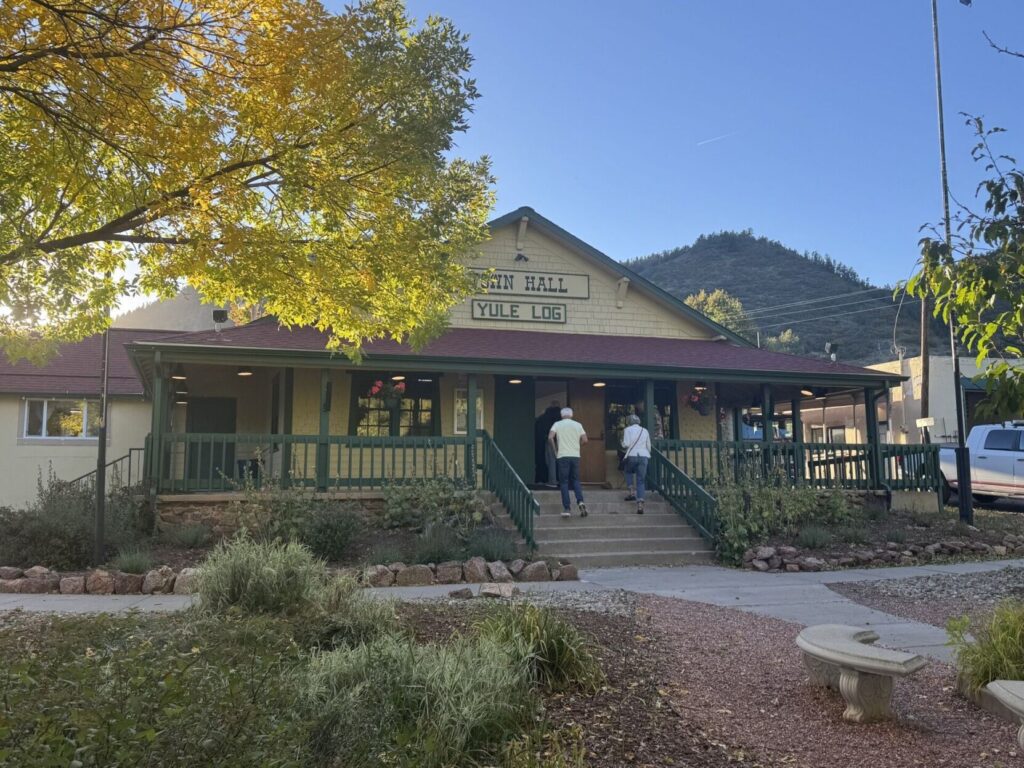
The newly-whole Palmer Lake Board of Trustees will have an opportunity Thursday to discuss the setting for two issues going to town voters in the new year. The first is when and how to field a ballot question on the...
Colorado Parks and Wildlife Commissioner Murphy Robinson resigns
Marianne Goodland
marianne.goodland@coloradopolitics.com
Updated 1 day ago
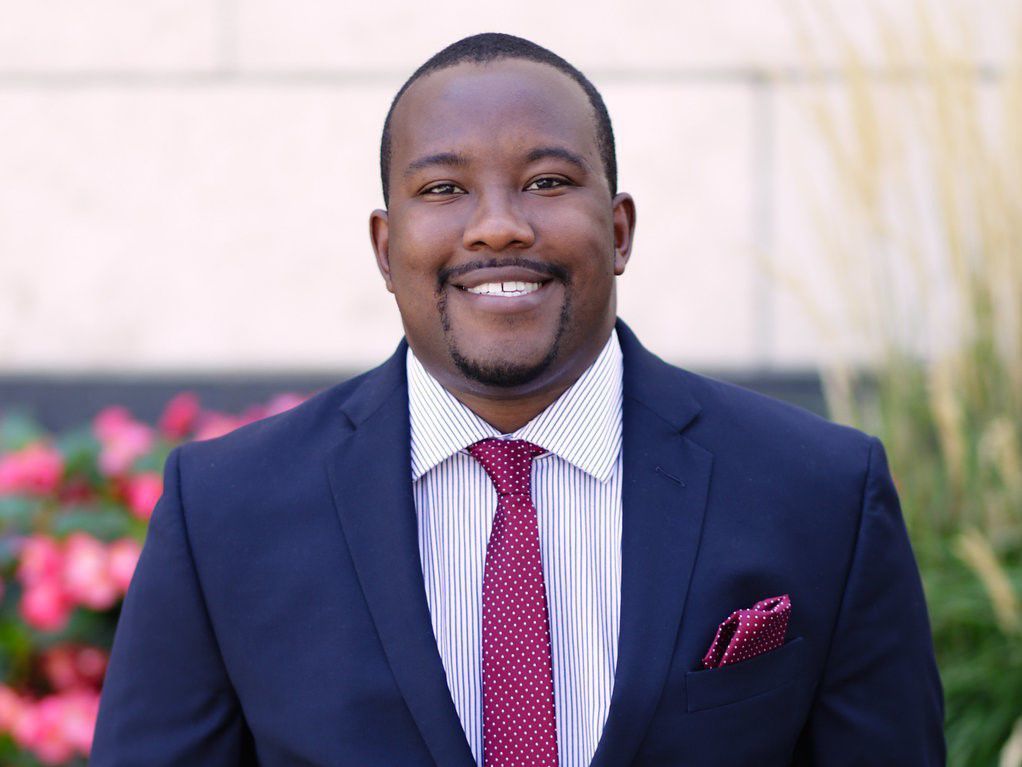
Murphy Robinson, who has served on the Colorado Parks and Wildlife Commission for just over a year, announced his resignation on Wednesday. In a statement, Gov. Jared Polis thanked Robinson, saying he is “incredibly grateful for Murphy’s service to the...
DOJ launches investigation into Colorado prison, youth facility conditions
Cleo Westin
cleo-westin@coloradopolitics.com
Updated 12 hours ago
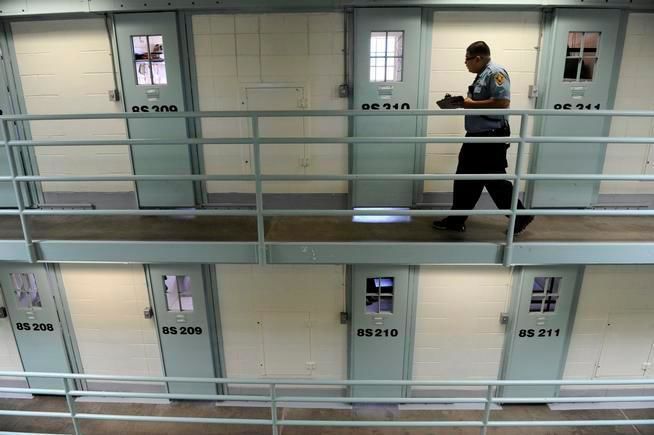
The U.S. Department of Justice has opened an investigation into possible constitutional violations of Colorado prisoners through inadequate treatment and transgender housing policy, according to federal authorities. The department’s letter of notice to Gov. Jared Polis on Monday identified housing...

Colorado Supreme Court’s opinion output drops by two-thirds amid justice’s absence
Michael Karlik
michael.karlik@coloradopolitics.com
Updated 1 day ago
The Colorado Supreme Court has released significantly fewer new opinions in recent months compared to the previous two years, even as the judicial branch insisted that a member’s open-ended absence is not causing delays. Justice Melissa Hart has been on...
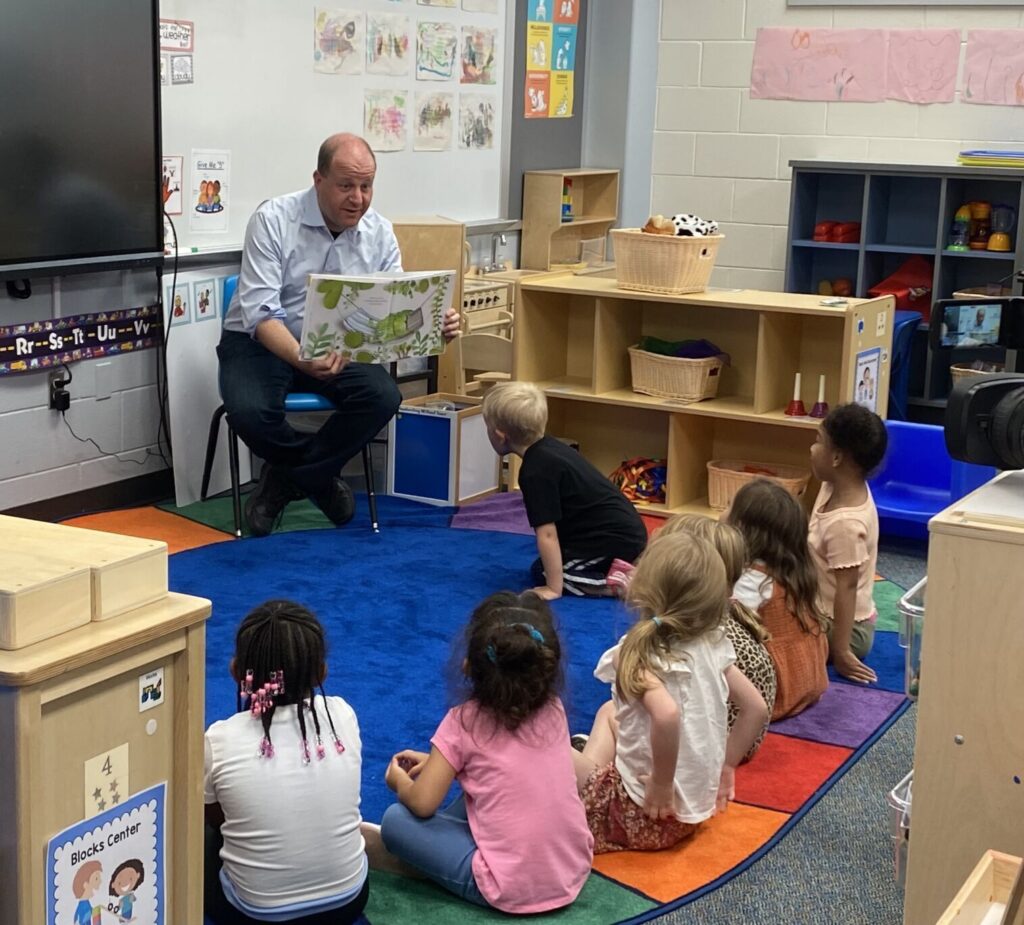
Colorado’s universal preschool enrollment begins for upcoming school year
Marissa Ventrelli
marissa.ventrelli@coloradopolitics.com
Updated 1 day ago
Enrollment is now open for Colorado’s universal preschool program, which provides up to 15 hours of free education for four-year-old children across the state. The $344 million program has served nearly 90,000 children since its creation in 2023, the Governor’s...

Divided 10th Circuit rules bank customer must arbitrate discrimination-related claims
Michael Karlik
michael.karlik@coloradopolitics.com
Updated 1 day ago
The Denver-based federal appeals court ruled on Monday that a mandatory arbitration clause in the fine print of a customer’s bank account agreement prohibited her from pursuing claims of racial discrimination in court. Jeanetta Vaughn filed suit against JPMorgan Chase...

Colorado’s federal trial court denies admission to lawyer owing tens of thousands in dues, penalties
Michael Karlik
michael.karlik@coloradopolitics.com
Updated 4 hours ago
Colorado’s U.S. District Court declined last month to allow an attorney to practice before the court due to his failure to pay enrollment fees and penalties to another state’s bar association for years. The federal trial court requires attorneys to...