

Colorado aims to close talent gap with new workforce development agency, initiatives
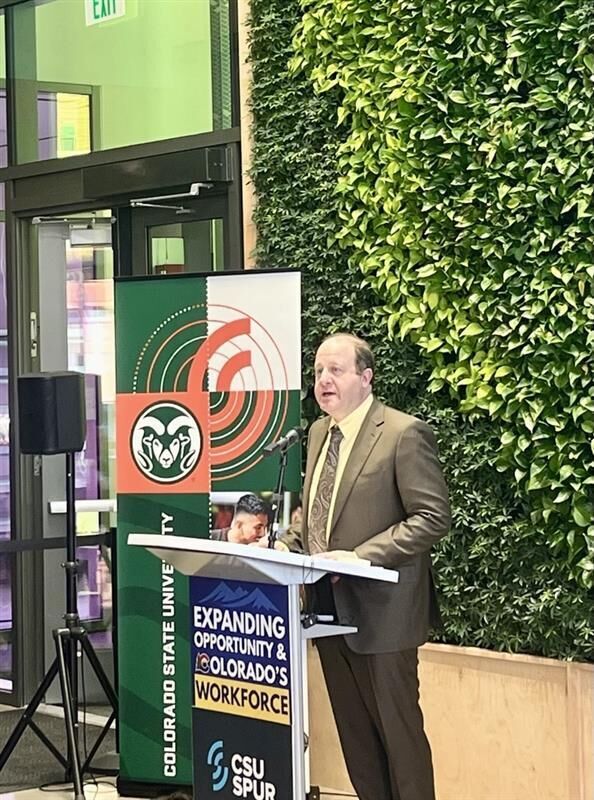
Colorado’s education leaders and legislators are planning changes to the state’s workforce development programs – including the creation of a new state agency – to help more students earn college degrees, certifications and apprenticeships.
Gov. Jared Polis, House Speaker Julie McCluskie and Sen. Jeff Bridges joined representatives from state agencies, universities, and apprenticeship programs to announce the release of a new report that makes recommendations for how the state can improve its postsecondary talent development system.
Polis commissioned the report through an executive order last spring, which, in part, directed state agencies to collaborate on changes to the state’s postsecondary education and training programs to “meet the needs of learners, employers, and the economy.”
The report makes several recommendations, including streamlining higher education and workforce development services under a single state department to serve students, job seekers and employers.
“If I can’t even name all of the state agencies that are involved in this programs, how can a job seeker possibly find what they’re looking for?” Polis asked. “Colorado has pioneered high-quality options for learners, job seekers, and employers, and we’re looking to do more. We can be better, we can be more efficient, and that means making pathways to opportunity easier to find.”
According to a recent report, Colorado has 472 schools, more than 300 apprenticeship programs, over 4,500 eligible training programs, and nearly 10,000 degree options for high school graduates across seven state agencies.
“The way that we have siloed all of the things that happen after high school in the state is not good for the people out there looking to get that education or postsecondary certification that they need to enter into the workforce and get those good-paying jobs,” said Bridges, adding that research shows three-quarters of all jobs in Colorado will require some postsecondary education by the end of the decade.
McCluskie said she and a bipartisan coalition of fellow legislators plan to introduce a bill in the upcoming session to “design what comes next.”
“The initial piece of legislation that we are focused on now is: How do we build this department?” she said, referring to the proposed new agency, which presumably will oversee workforce development programs in the state. It’s not immediately clear how this new agency will interact with existing offices that already delve into workforce development and education.
“Who needs to be at the table to help design that? What are the steps that we need to take in order to figure out how we actually move the parts and pieces,” the speaker said.
The Governor’s Office said the Colorado’s economy is facing a “talent wall” – over 900,000 Colorado workers earn less than $25 an hour, while nearly 140,000 are unemployed. At the same time, the state’s aging population and decreasing number of new residents are leading to a labor shortage, particularly when it comes to skilled workers in trades like construction, welding, and carpentry, the office said.
The Colorado General Assembly has passed several laws aimed at improving the state’s workforce education programs, including last year’s House Bill 1340, which provides students from households making $90,000 or less per year with two years of free community college, and 2022’s House Bill 1215, which established a task force to recommend policies to support statewide development of work-based learning opportunities for Colorado students.
“Colorado is a growing hub of innovation, attracting growing businesses, and fostering emerging sectors,” said Polis. “That is why we are taking the necessary steps to grow our economy and ensure every Coloradan has more opportunities.”


Colorado districts prepare for school year amid mental health cuts. But will less cellphone distractions help?
Marissa Ventrelli
marissa.ventrelli@coloradopolitics.com
Updated 3 days ago
The signs of a new school year are everywhere — buses in the shop, teachers unpacking boxes, families ticking through supply lists — but behind the familiar rituals, Colorado districts are preparing for a year defined less by routine than...
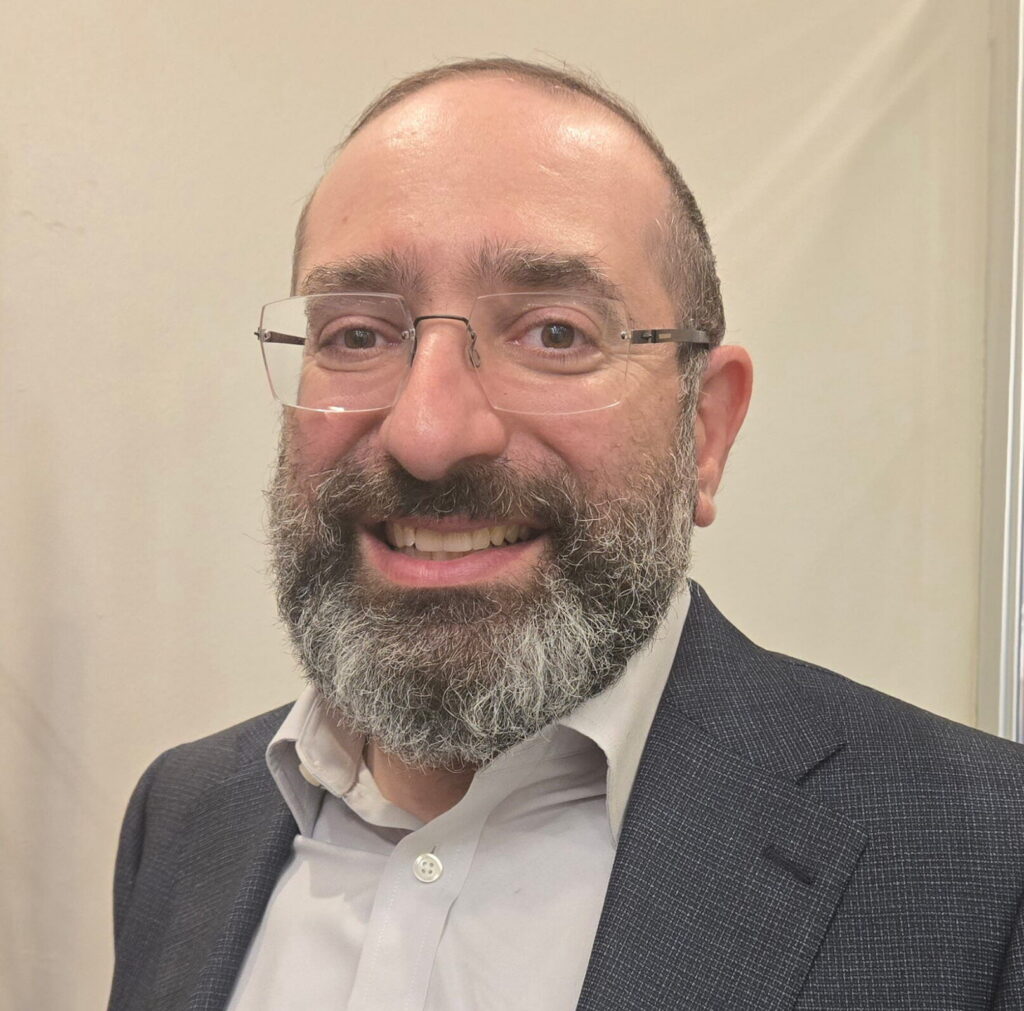
Surprise candidate Shimon Blau cleared to face off against Melat Kiros in November
Ernest Luning
ernest.luning@coloradopolitics.com
Updated 2 days ago
Unaffiliated congressional candidate Shimon Blau, a Denver doctor, has qualified by petition for the general election in Colorado’s 1st District, where Democrat Melat Kiros defeated 15-term U.S. Rep. Diana DeGette in last month’s primary, the Colorado Secretary of State’s Office...

UNC opens College of Osteopathic Medicine
Marissa Ventrelli
marissa.ventrelli@coloradopolitics.com
Updated 2 days ago
The University of Northern Colorado held a grand opening for its new College of Osteopathic Medicine on Friday, with Gov. Jared Polis in attendance to celebrate the culmination of a two-year, $127.5 million project. The project was funded through legislation...

Victor Marx, GOP candidate for governor, faces 100-plus campaign finance complaints
Marianne Goodland
marianne.goodland@coloradopolitics.com
Updated 2 days ago
Victor Marx’s gubernatorial campaign has been hit with more than 140 campaign finance complaints, although most have been consolidated by the state’s election office because they follow similar alleged violations. Marx faces Attorney General Phil Weiser, who won the Democratic...
Primary voters rejected big money in politics | Paula Noonan
Paula Noonan
paula-noonan@coloradopolitics.com
Updated 2 days ago
While we’re in an election campaign lull between now and Labor Day, we have time to consider the impact of $102 million in campaign contributions in the primary. In the general election, more money will fill candidate campaign coffers, and...
DOJ sues Colorado to overturn in‑state tuition for students living in the country illegally
Marianne Goodland
marianne.goodland@coloradopolitics.com
Updated 2 days ago
The U.S. Department of Justice has sued Colorado to dismantle a decade‑old law that grants in‑state tuition to students living illegally in the United States, setting up a high‑stakes clash over immigration policy. In 2013, after more than six tries...
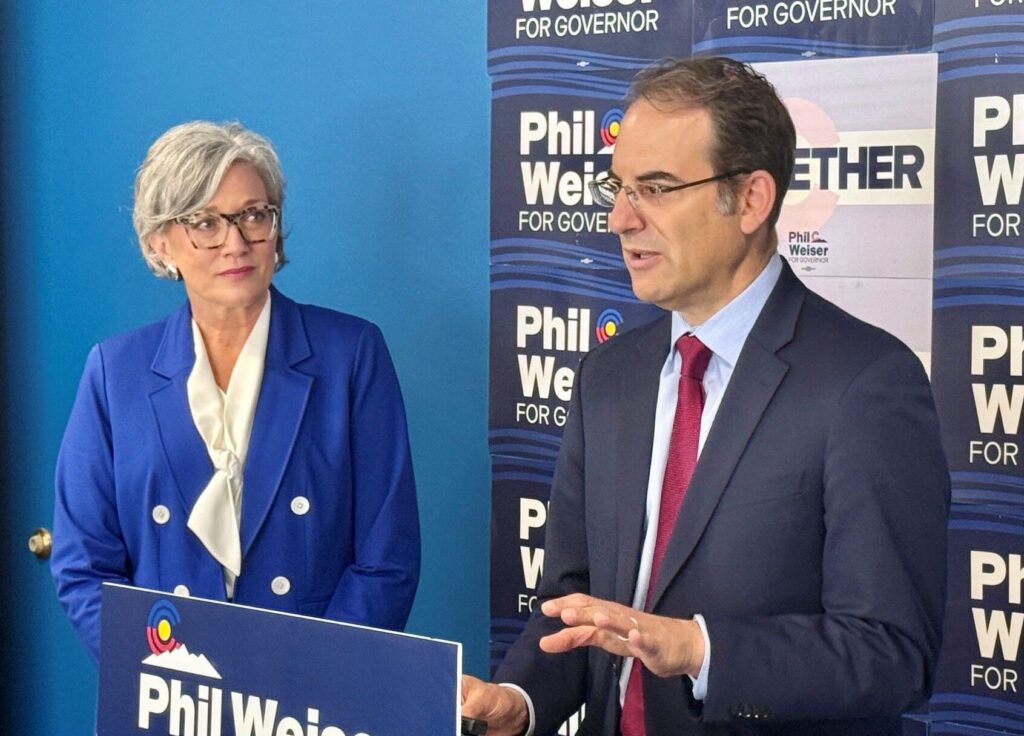
Jefferson County to fill commissioner vacancy after Dahlkemper tapped for lieutenant governor
Matt Kyle
matt.kyle@denvergazette.com
Updated 3 days ago
Democratic gubernatorial nominee Phil Weiser on Wednesday announced that Jefferson County Commissioner Lesley Dahlkemper would be his lieutenant governor, meaning she would be leaving her commissioner seat open should he win the race in November. However, Dahlkemper’s term was already...

New wolf pack confirmed in Eagle County, marking 4th Colorado pack with pups this year
Marissa Ventrelli
marissa.ventrelli@coloradopolitics.com
Updated 3 days ago
A new gray wolf pack has formed in Eagle County, Colorado Parks and Wildlife announced on Wednesday. Known as the Piney Ridge Pack, it is the fourth pack of gray wolves in the state to have produced pups this year....
Colorado’s primary proved in this political climate money doesn’t buy electoral happiness | Paula Noonan
Paula Noonan
paula-noonan@coloradopolitics.com
Updated 4 days ago
To catch you up, campaign committees from this 2026 election cycle already collected and shoveled out a lot of cash: $102.64 million. That’s contributions in all forms — dollars, in kind, loans, etc. — from December 2024 to now. Total...
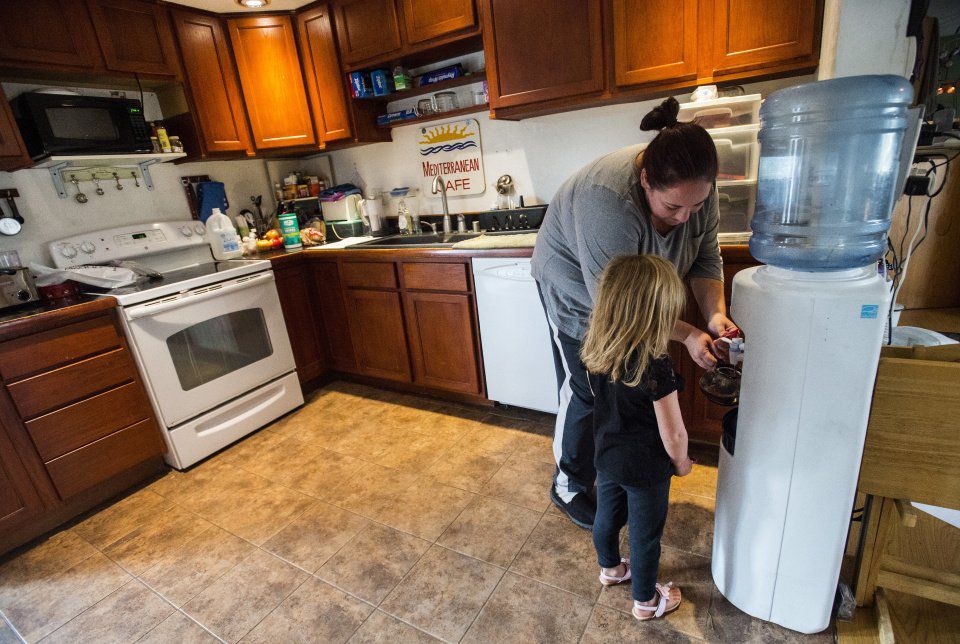
Colorado housing laws take effect, expanding tools for affordable and workforce housing
Marissa Ventrelli
marissa.ventrelli@coloradopolitics.com
Updated 1 day ago
New housing laws taking effect on Aug. 12 in Colorado aim to boost affordability, improve homelessness response and ensure safer water systems for mobile‑home communities. The first bill, Senate Bill 001, allows municipalities to sell county- or town-owned property to...
PREV
PREVIOUS
Colorado legislators review wolf program as funding challenges persist
Wolves took center stage during a Tuesday review by Colorado legislators of the budget proposal from the Department of Natural Resources, which includes the division that manages the reintroduction program. The Joint Budget Committee reviewed the budget proposal for 2026-27 from the department, with an eye toward potential cuts. The annual budget briefing is an […]
Colorado Reps. Hurd and Neguse join forces to modernize federal snow-forecasting program
A federal snow-forecasting program, to be updated under a bill from Republican U.S. Rep. Jeff Hurd, won approval in the House on Wednesday. HR 3857, which amends the Snowpack Water Supply Forecasting Reauthorization Act, is Hurd’s second bill to pass the U.S. House. The measure, adopted on a voice vote on Wednesday, now moves to […]