

Competing studies leave haze of uncertainty connecting marijuana to traffic accidents
Two competing studies attempting to draw a connection between marijuana legalization and car crashes have created even greater uncertainty on the subject.
The Insurance Institute for Highway Safety released a report on June 22 stating that marijuana legalization in Colorado, Oregon and Washington resulted in collision claim frequencies that are about 3 percent higher than would have been expected without legalization.
The IIHS’s Highway Loss Data Institute report points out that researchers haven’t been able to definitively connect cannabis use with more frequent real-world crashes.
The study looked at insurance claims for vehicle collisions between 2012 and 2016. Colorado legalized recreational marijuana in 2012, which took effect on Jan. 1, 2014. Claims were compared to neighboring states without legal marijuana.
Meanwhile, a second study also published online on June 22 in the American Journal of Public Health found no increase in traffic fatalities in Colorado and Washington after legalization.
Researchers used the U.S. Fatality Analysis Reporting System to determine the annual numbers of vehicle crash fatalities between 2009 and 2015 in Washington, Colorado and eight comparable states. The study compared changes in fatality rates before and after legalization.
The study found that post-legalization changes in fatality rates for Washington and Colorado did not significantly differ from those for the comparable states.
The study also found no association between recreational marijuana legalization and total crash rates when analyzing available state-reported nonfatal crash statistics.
“Three years after recreational marijuana legalization, changes in motor vehicle crash fatality rates for Washington and Colorado were not statistically different from those in similar states without recreational marijuana legalization,” the study found.
Mason Tvert, spokesman for the pro-legalization Marijuana Policy Project, said the two studies indicate that there are no strong conclusions that can be drawn.
“This area of research is characterized by confounding factors and limited data, so it is not particularly surprising to see different research methods arriving at different results,” Tvert said. “What is clear from both studies is that Colorado’s decision to regulate marijuana for adult use has not resulted in the instant doomsday scenario that some had predicted. This is an important issue deserving of study, and it will surely continue to be examined.”

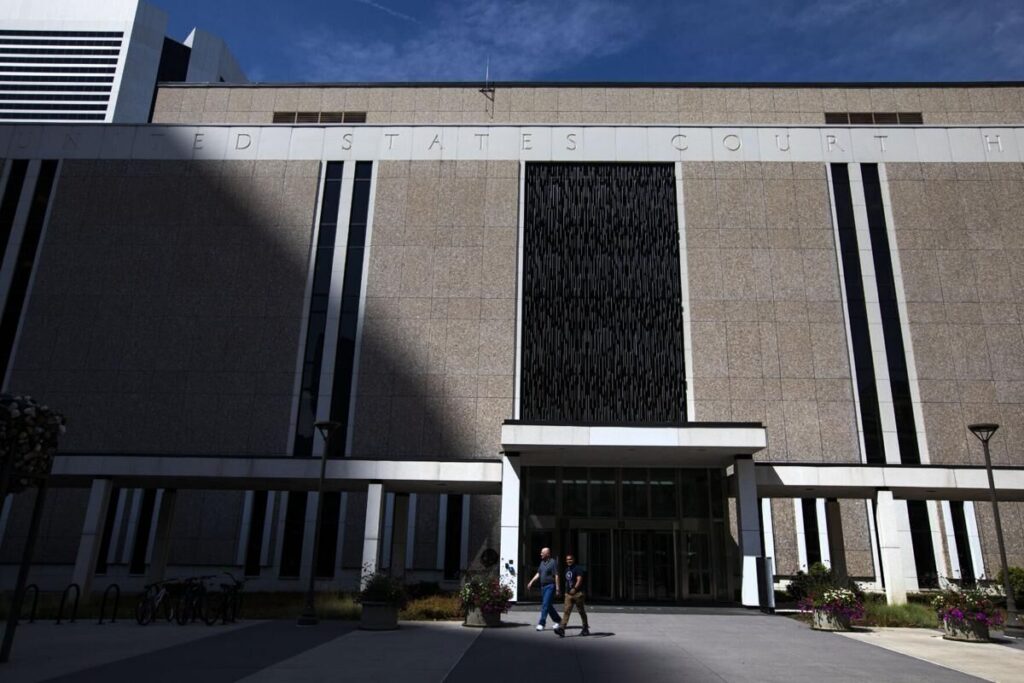
Federal judge dismisses ex-Colorado judicial discipline director’s conspiracy lawsuit
Michael Karlik
michael.karlik@coloradopolitics.com
Updated 7 hours ago
A federal judge dismissed a lawsuit from Colorado’s former judicial discipline director on Tuesday, finding that he failed to adequately state claims for conspiracy or constitutional violations. Christopher S.P. Gregory, who served as the executive director of the Colorado Commission on Judicial...
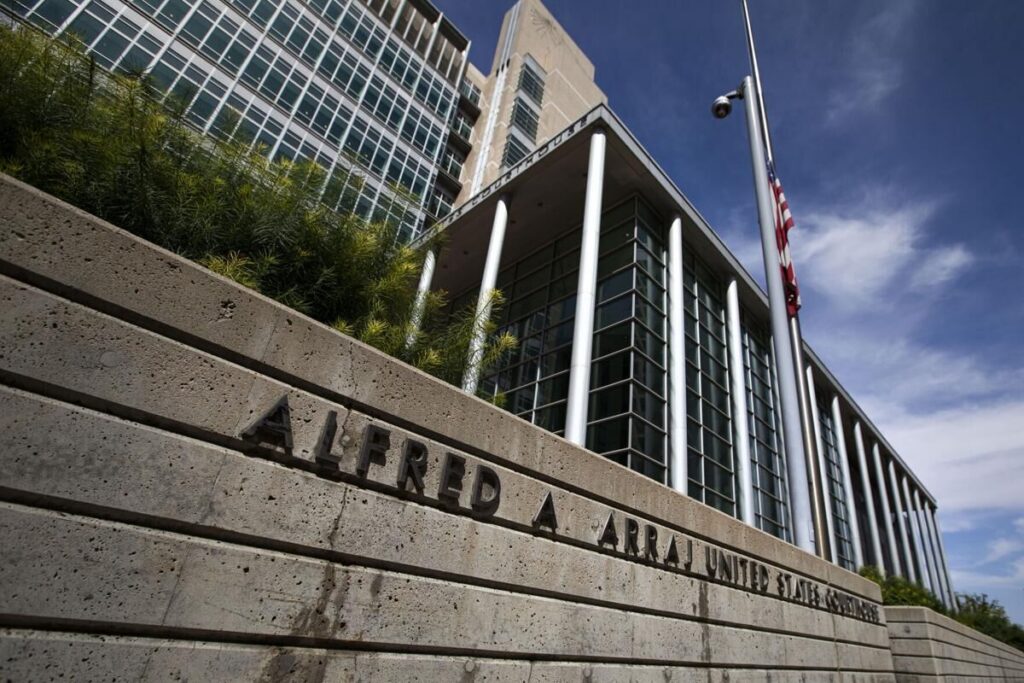
Federal judge allows retaliation claims to proceed against prison officials
Michael Karlik
michael.karlik@coloradopolitics.com
Updated 6 hours ago
A federal judge agreed last week that a man incarcerated at Sterling Correctional Facility had credibly alleged that employees retaliated against him for filing grievances, including by taking away his disability accommodations and turning off his electricity. Louis Peoples Jr.,...
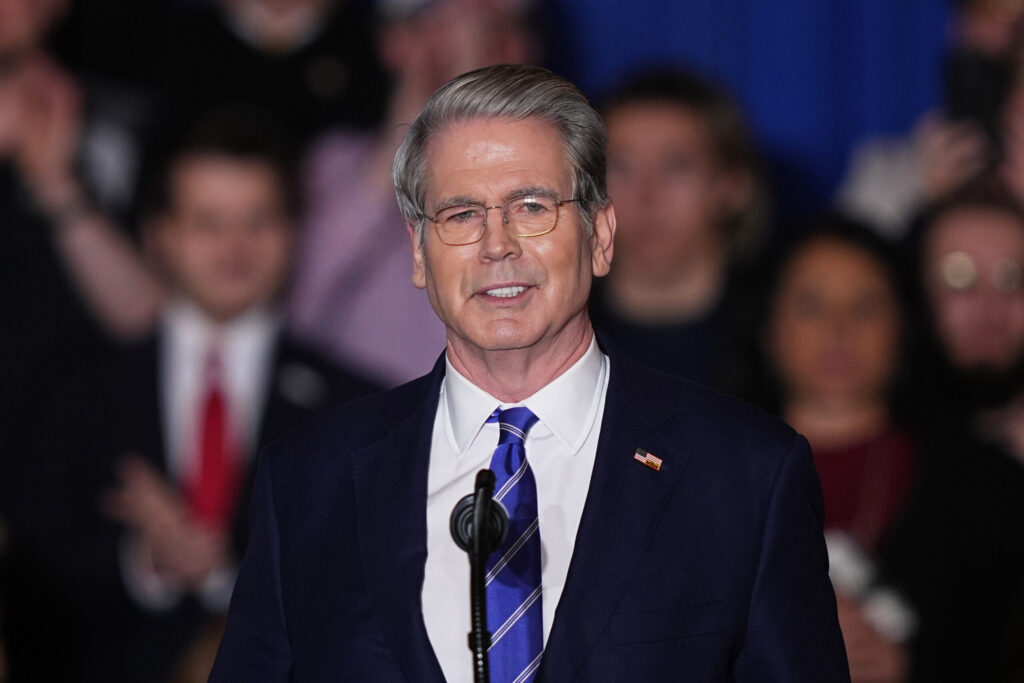
Treasury releases five-step guidance for employers to make contributions to Trump Accounts
Christian Datoc
christian-datoc@coloradopolitics.com
Updated 12 hours ago
Treasury Secretary Scott Bessent published new guidance Tuesday outlining the specific steps employers must take to contribute to employee Trump Accounts. The accounts, one of the most popular provisions included in President Donald Trump’s One Big Beautiful Bill Act, are...

Denver schools to refinance bonds to create capacity for future borrowing
Nico Brambila
nico.brambila@denvergazette.com
Updated 9 hours ago
Less than two years after voters approved a record $975 million school bond, Denver Public Schools is refinancing older debt — a move district officials say will save taxpayers money while creating capacity for another bond election. The district has...

Russia frees imprisoned US Marine over health concerns
Brady Knox
brady-knox@coloradopolitics.com
Updated 13 hours ago
Russia freed former U.S. Marine Robert Gilman upon the urging of U.S. officials so he could receive medical care in the United States. Gilman, 32, was released after 1,666 days in prison, having been arrested on Jan. 17, 2022. Eric...

Colorado students push AI task force as schools navigate new tech era
Marissa Ventrelli
marissa.ventrelli@coloradopolitics.com
Updated 6 hours ago
A group of students is urging lawmakers to establish a task force on artificial intelligence in education to advise districts on how to ensure that pupils and educators use the technology effectively without becoming overly reliant on it. The students...

Parker data center could get $19M tax rebate from Douglas County
Nicholas Fogleman
nicholas.fogleman@denvergazette.com
Updated 15 hours ago
At a time when Denver and Front Range governments are restricting or banning data center development, Douglas County commissioners are poised to approve a $19.3 million tax rebate agreement Tuesday for a new data center under construction in Parker. The...

Denver City Council rejects contract that would have given video maker 8-year deal
Deborah Grigsby
deborah.smith@denvergazette.com
Updated 18 hours ago
Denver’s Office of Human Resources will have to get creative to attract new city employees and place them in “hard-to-fill” jobs after a proposed five-year contract extension, valued at $600,000, failed to gain favor with the Denver City Council. The...
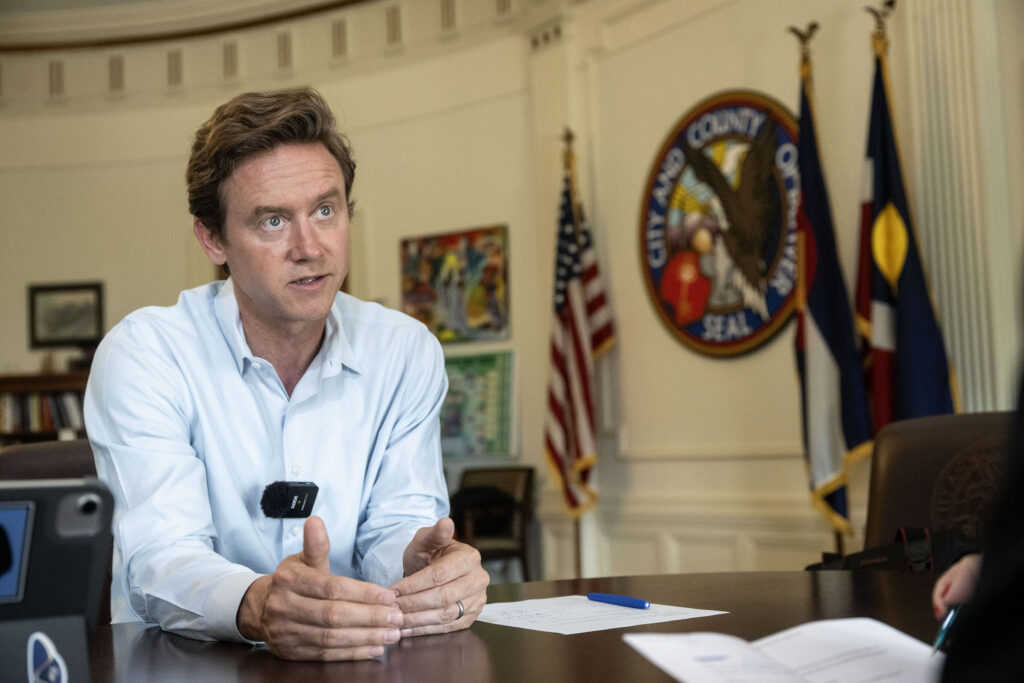
Denver Mayor Mike Johnston files to run for reelection in 2027
Michael Braithwaite
michael.braithwaite@gazette.com
Updated 17 hours ago
Denver Mayor Mike Johnston officially filed his paperwork Monday to run again for Denver’s mayoral office next year. The filing comes weeks after Johnston confirmed to The Denver Gazette that he would seek reelection as he focuses the final year...

U.S. Rep. Lauren Boebert’s son arrested, faces charges of sexual exploitation of minor
Matt Kyle
matt.kyle@denvergazette.com
Updated 1 day ago
U.S. Rep. Lauren Boebert’s son Tyler Jay Boebert has been arrested and accused of recording and sharing a video depicting himself having intercourse with a minor, according to court records. The case originated in Garfield County in Western Colorado and...