

Former Boulder rep: ‘…state’s economy isn’t working for many Coloradans’
Colorado’s workforce might be back on its feet, and as a whole, earning more than they did before the national economy crumbled in 2008, but plenty of Coloradans are still stumbling, according to a new “State of Working Colorado 2016” report by The Colorado Center on Law and Policy.
Since 2007, the state has picked up nearly 271,000 jobs, a little less than the entire population of Weld County, and last year the median household income creeped back above the pre-recession paychecks, $63,900.
“Unfortunately, once you scratch the surface of these seemingly positive numbers, it’s apparent that our state’s economy isn’t working for many Coloradans,” Claire Levy, the center’s executive director and a former state representative from Boulder.
More Coloradans now than back then face stagnant wages, jobs that pay less than they were earning before, continually rising cost of living and income gaps, and poverty that disproportionately leave minority workers farther behind.
Interestingly, as fewer people participate in the labor force, the “most prominently missing” demographic is men ages 25 to 54, according to the law and policy center.
“Labor-force participation among men of color rose more quickly than for white men during the economic recovery,” the center states. “Those who experience long-term unemployment are more likely than those who experience short-term unemployment to drop out of the labor market.”
According to the center, the report also finds:
Colorado voters in November approved a minimum-wage hike from $8.31 to $9.30 on Jan. 1 with additional automatic increases to $10.20 in 2018, $11.10 in 2019 and $12 in 2020.
Levy said in a statement it was good step forward.
“While Colorado has come a long way since the recession, too many Colorado families still struggle to pay rent or cover their other basic needs,” she stated.
“I’m encouraged that Colorado voters recognized that wages are too low and voted to increase the minimum wage, but this report shows there’s much more work to be done. We hope the ‘State of Working Colorado’ will spur a dialogue between workers, employers and policymakers on how to give Coloradans the tools they need to reach their human potential so everyone can contribute fully to our economy.”
Incoming House Speaker Crisanta Duran said Wednesday one of her top priorities in the next session would be “finding ways to create an economy that works for everyone.” In the last two sessions the Denver Democrat has led packages of training and jobs bills called “Ready to Work” and “Ready to Work 2.0.”
This year she will work on legislation to encourage training for computer software jobs and sectors of the good-paying high-tech industry.

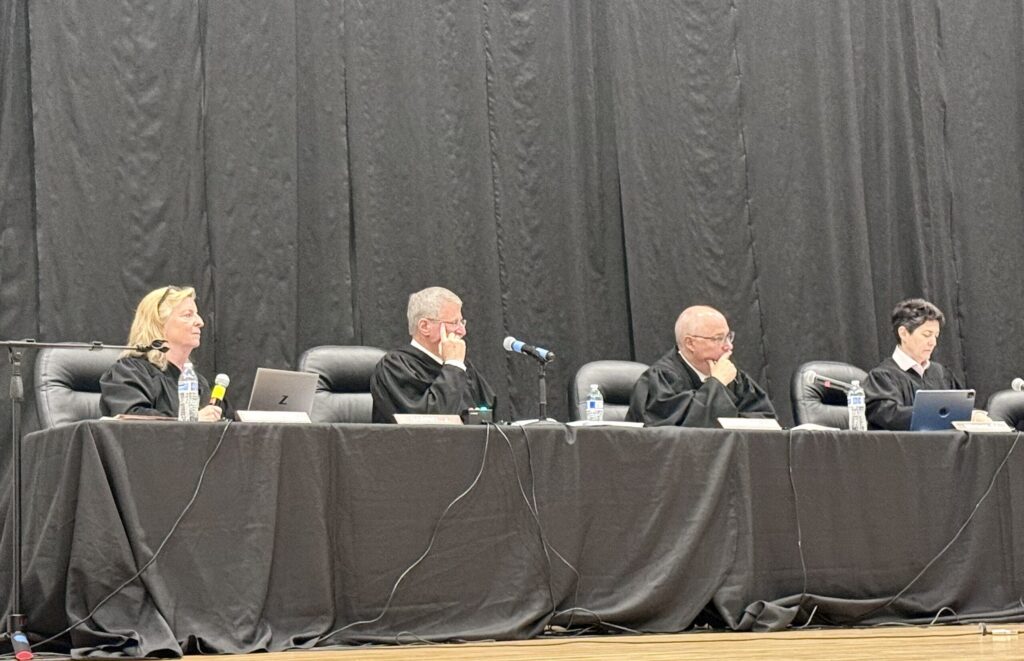
Colorado justices to hear appeal in Kendrick Castillo death lawsuit, ‘fugitive’ rule
Michael Karlik
michael.karlik@coloradopolitics.com
Updated 18 hours ago
The Colorado Supreme Court announced on Tuesday that it will decide whether it was proper to dismiss a lawsuit over the 2019 shooting death of Kendrick Castillo after the defendants paid the maximum amount of damages available to Castillo’s parents,...

Two more wolves killed by Colorado wildlife staff
Marianne Goodland
marianne.goodland@coloradopolitics.com
Updated 18 hours ago
Two yearling wolves from the Copper Creek and Three Creeks packs in Pitkin and Rio Blanco counties, respectively, were killed by Colorado Parks and Wildlife staff on Monday. That brings to 19 the number of wolves that have died under...

Federal judge dismisses Douglas County’s challenge to collective bargaining law
Nicholas Fogleman
nicholas.fogleman@denvergazette.com
Updated 2 hours ago
A federal judge dismissed claims brought by the Douglas County Board of Commissioners alleging that a state law granting county employees the right to organize and join labor unions violates free speech protections and conflicts with federal labor law. Douglas...

U.S. Rep. Lauren Boebert calls Trump’s 90-day wolf-delisting review ‘real progress’
Marianne Goodland
marianne.goodland@coloradopolitics.com
Updated 17 hours ago
President Donald Trump has directed Interior Secretary Doug Burgum to launch a 90-day review on whether gray wolves and Mexican wolves should be removed from Endangered Species Act protections. The order drew mixed reactions for Colorado’s wolf-reintroduction effort, with ranchers...

Jeffco Public Schools eliminated 350 jobs as part of budget cuts
Matt Kyle
matt.kyle@denvergazette.com
Updated 2 hours ago
Jeffco Public Schools eliminated 350 full-time positions as part of ongoing budget cuts between last school year and this school year. The district has operated in a budget deficit in the range of tens of millions of dollars over the...

Arapahoe County judge’s frustration with defense lawyer not grounds for new trial
Michael Karlik
michael.karlik@coloradopolitics.com
Updated 19 hours ago
Colorado’s second-highest court decided last week that an Arapahoe County judge’s repeated rebukes of a defense attorney and orders to “be quiet” did not rise to the level of bias or a violation of the defendant’s due process rights. A...

Divided appeals court upholds vehicle theft conviction despite unclear origin of car’s value
Michael Karlik
michael.karlik@coloradopolitics.com
Updated 15 hours ago
Colorado’s second-highest court upheld a defendant’s conviction for aggravated motor vehicle theft last week, even though it was unclear how the Thornton Police Department estimated the value of the stolen car. Officer Marc Faivre encountered Ashley Shelee Gibbens-Martinez in a...
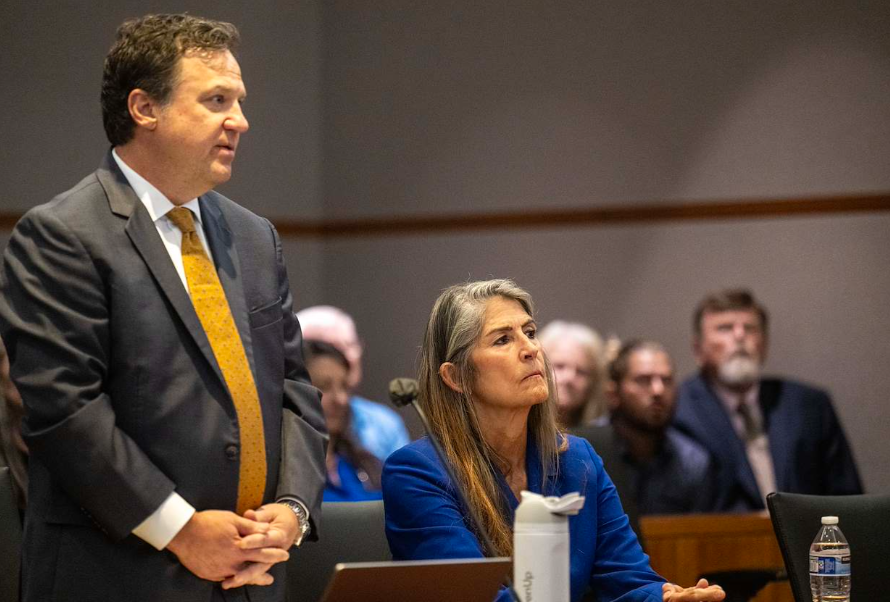
Disgraced ex-CBI analyst Missy Woods sentenced to prison in DNA scandal
Jenny Deam
jenny.deam@gazette.com
Updated 19 hours ago
A Jefferson County district court judge on Tuesday sentenced a disgraced former Colorado Bureau of Investigation DNA analyst to a decade in prison for altering and deleting data in scores of criminal cases over several years. Jefferson County District Judge...
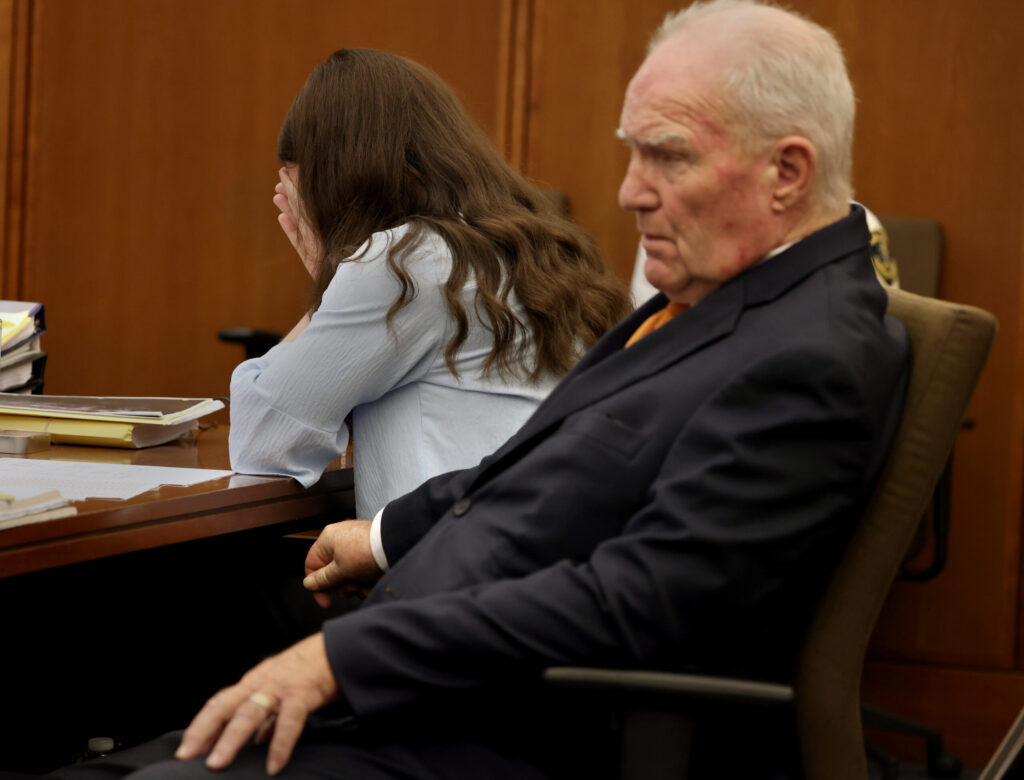
Lindsay Clancy’s attorney makes plea for pardon from Trump
Emily Hallas
emily-hallas@coloradopolitics.com
Updated 1 day ago
Lindsay Clancy’s attorney urged President Donald Trump on Tuesday to give her a pardon before her murder case could head for another trial. Clancy is a Massachusetts woman who admitted to strangling her three young children in 2023 but argued...

Russia launches massive, deadly, and ‘complex’ attack against Ukraine
Washington Examiner Staff
washington-examiner-staff@coloradopolitics.com
Updated 1 day ago
Fighting between Ukraine and Russia commenced after a 72-hour pause for diplomatic visits to both countries by U.S. officials. Russia launched a massive attack on Ukraine on Tuesday, firing dozens of cruise missiles and over 140 drones as the war...