

Despite the drama, Colorado’s electoral votes go to Clinton after all
One Colorado elector defected on Monday during a dramatic and historic Electoral College vote in an effort to deny Donald Trump the presidency, though the protest was not enough to alter the outcome.
Michael Baca of Denver, who wore a bright Bernie Sanders T-shirt that read, “Enough is enough,” was the only one of nine Colorado electors to violate state law in not voting for Democrat Hillary Clinton, who won the state’s popular vote.
Baca was quickly relieved of his duties as an elector and he was replaced with an elector who agreed to vote in accordance with the law.
Baca was buoyed by hundreds of protesters who gathered at the Capitol on Monday, encouraging electors to defect. The protesters sang, chanted and held signs, at times becoming adversarial when it appeared that the effort to block Trump would fail, which it did.
The protest was part of a national “Hamilton Electors” movement, in which a handful of Electoral College electors attempted to convince fellow electors to vote for someone other than Clinton or Trump, thereby handing the election to a compromise candidate. The name of the movement offered tribute to Alexander Hamilton and his vision of the Electoral College.
The true target was other states where Trump won. The goal was to convince at least 37 Republican electors to vote for someone other than Trump, which would send the responsibility of picking the president to Congress.
The effort did not gain steam nationally Monday, and, indeed, the Electoral College easily affirmed Trump as the nation’s 45th president. With some states still voting, Trump was cruising with 304 electoral votes, the Associated Press reported, with 270 needed to win.
Colorado fell into the spotlight when electors Polly Baca of Denver – no relation to Michael Baca – and Bob Nemanich of Colorado Springs joined the long-shot effort, filing lawsuits in an effort to free electors from having to vote for the candidate who won the popular vote. If a precedent had been set in Colorado, electors in other states could have been free to elect an alternative candidate.
But federal and state courts, including the 10th Circuit Court of Appeals in Colorado, repeatedly ruled against the Colorado electors, refusing to grant them immunity from state law, which requires electors to back the candidate who won the popular vote. A lower federal court judge even suggested that the effort was tantamount to a “political stunt.”
Michael Baca confirmed that he was the Colorado elector who defected, though he would not offer a public statement after the vote. He could face a misdemeanor charge for having failed to vote for Clinton. He also could face a felony perjury charge, as he refused to vote for Clinton even after taking an oath.
Secretary of State Wayne Williams , a Republican, said the attorney general’s office could consider criminal charges, though he added that he has not had conversations with Attorney General Cynthia Coffman, a fellow Republican.
“When you take an oath, you should follow that oath,” Williams said after the vote.
Williams spoke with the media after the vote, offering further thoughts on the face-off and its outcome, as captured on video here:
The drama leading up to the “high noon” vote on Monday in the Colorado Capitol lasted until the end. Lawyers for electors filed a lawsuit Monday morning in Denver District Court challenging whether the secretary of state’s office could administer an oath beyond the standard declaration.
The oath asked electors to swear to, ” … vote for the presidential candidate and vice presidential candidate who received the highest number of votes at the preceding general election in this state.”
Judge Elizabeth A. Starrs ruled that the secretary of state’s office could administer the oath, but only if it created an emergency rule to do so. The office scrambled, coming up with an emergency rule to administer the oath.
But even still, electors expressed concerns that the oath would entrap them into committing felony perjury if they chose not to back Clinton. Standing inside the governor’s office, attorneys for the electors demanded that they speak with Starrs for clarification.
Starrs explained via telephone that the electors would have to take the oath given the rule-making by the Secretary of State’s Office.
“This is a violation of my personal responsibility. I will sign the oath because I want to vote, but it is under duress,” Polly Baca, a former state senator, said after Starrs issued the guidance. “It is unconscionable that I have to do this.”
The ceremony made its way from the governor’s office into the West Foyer of the Capitol, where throngs of people watched as the electors took to a table where they would vote.
When the audience heard that one elector defected, but that he would be replaced, several in the audience shouted over Williams, demanding his resignation and threatening a recall.
“Blood is on your hands,” shouted one protester. “The whole world is watching.”
An attorney for several of the electors, Jason Wesoky, took to the podium to request that Williams not remove Michael Baca. “The secretary lacks the authority to do so,” Wesoky said.
Williams attempted to interrupt Wesoky, stating, “This is not your program,” but Wesoky continued speaking.
After tensions calmed, Williams told reporters, “We have a very clear law in Colorado that our electoral votes are cast as the people vote.”
When asked what the electors accomplished through the lawsuits and protests, Polly Baca said, “It’s about awareness of what the Electoral College is. If it doesn’t work the way it’s supposed to, don’t do it.”

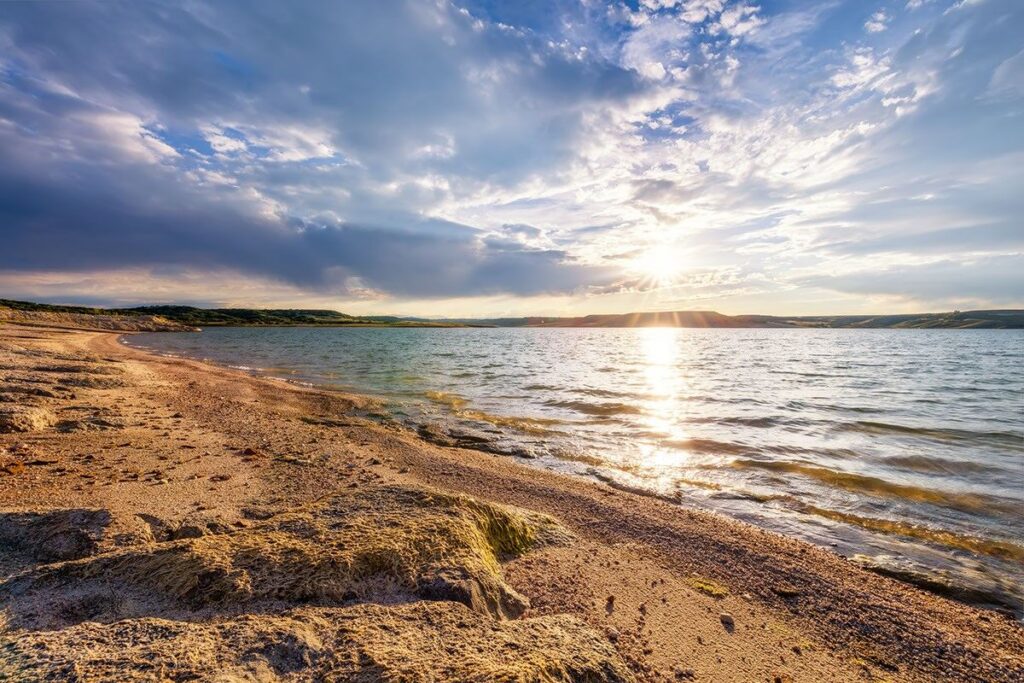
Tapped: Douglas County looks to diversify water supply as population grows
Nicholas Fogleman
nicholas.fogleman@denvergazette.com
Updated 44 minutes ago
Editor’s Note: The Denver metro region sits at the center of one of the American West’s most complex and consequential water challenges. This series examines the interconnected systems that determine how the region secures, stores, and conserves its water —...
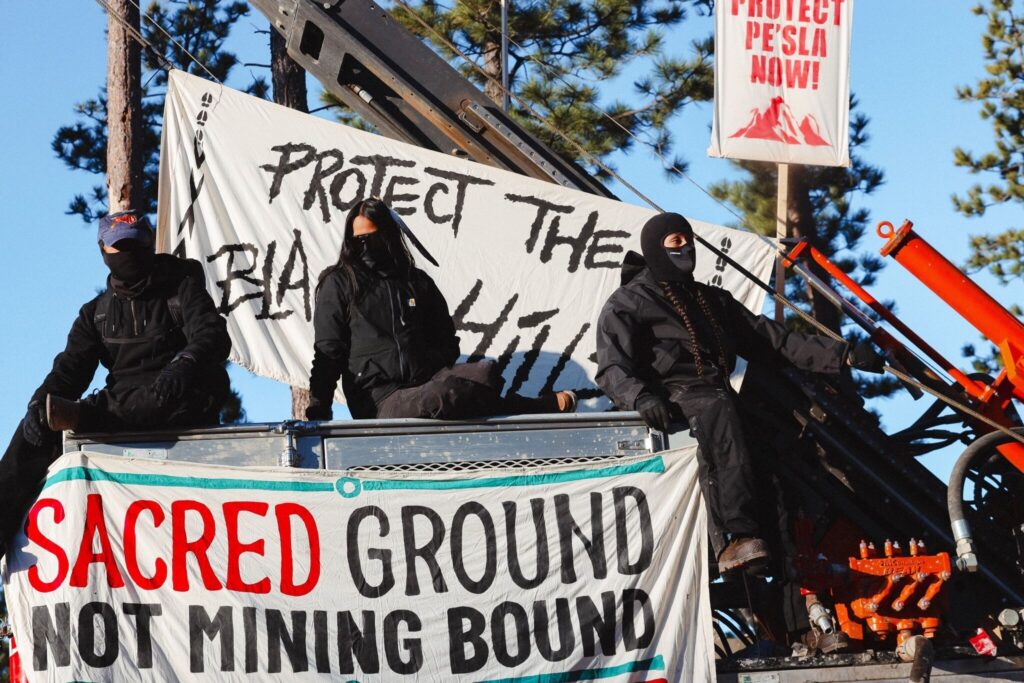
Tribes sue to halt exploratory drilling in Black Hills near sacred ceremonial site | OUT WEST ROUNDUP
Ernest Luning
ernest.luning@coloradopolitics.com
Updated 4 days ago
SOUTH DAKOTA Tribes sue to halt drilling SIOUX FALLS — Nine Native American tribes in South Dakota, North Dakota and Nebraska are suing the federal government in a bid to stop exploratory drilling for graphite near a sacred site in...
Tapped: Is water a problem for data centers in Colorado?
Deborah Grigsby
deborah.smith@denvergazette.com
Updated 41 minutes ago
Editor‘s Note: The Denver metro region sits at the center of one of the American West’s most complex and consequential water challenges. This series examines the interconnected systems that determine how the region secures, stores, and conserves its water while...
TAPPED: Front Range residents face higher water rates, restrictions as rapid snowmelt threatens supplies
Kyla Pearce
kyla.pearce@gazette.com
Updated 1 day ago
Tapped: The Denver metro region sits at the center of one of the American West’s most complex and consequential water challenges. This series examines the interconnected systems that determine how the region secures, stores, and conserves its water while navigating...
TAPPED: Front Range residents face higher water rates, restrictions as rapid snowmelt threatens supplies
Kyla Pearce
kyla.pearce@gazette.com
Updated 1 day ago
Tapped: The Denver metro region sits at the center of one of the American West’s most complex and consequential water challenges. This series examines the interconnected systems that determine how the region secures, stores, and conserves its water while navigating...
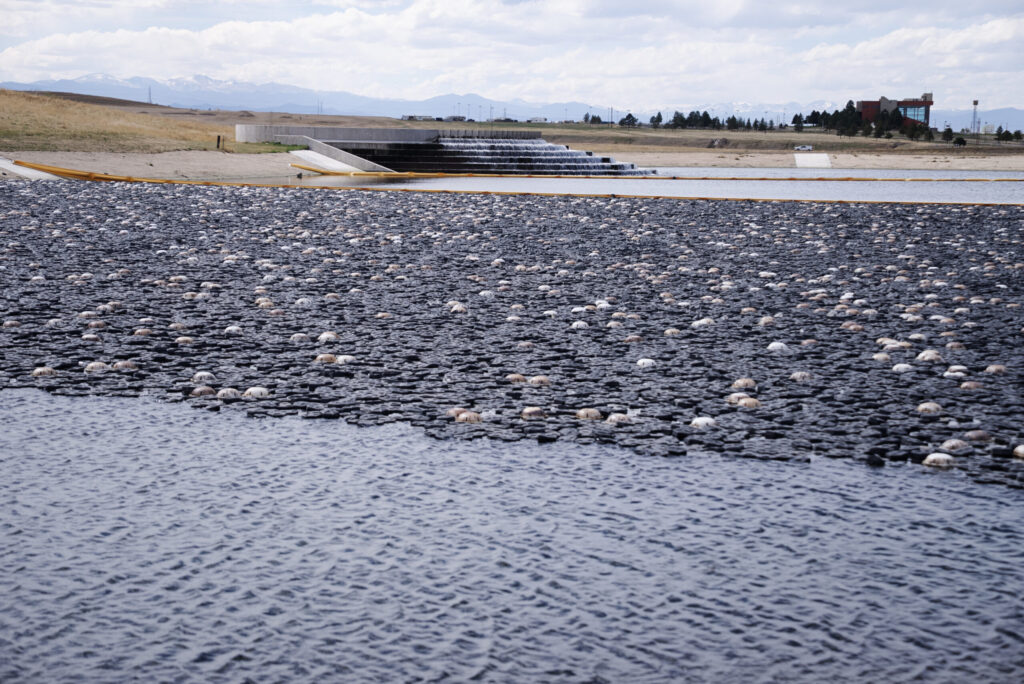
Tapped: Aurora cracks down on water use as reservoirs fall, runoff shrinks
Kyla Pearce
kyla.pearce@gazette.com
Updated 39 minutes ago
Editor’s note: The Denver metro region sits at the center of one of the American West’s most complex and consequential water challenges. This series examines the interconnected systems that determine how the region secures, stores, and conserves its water while...
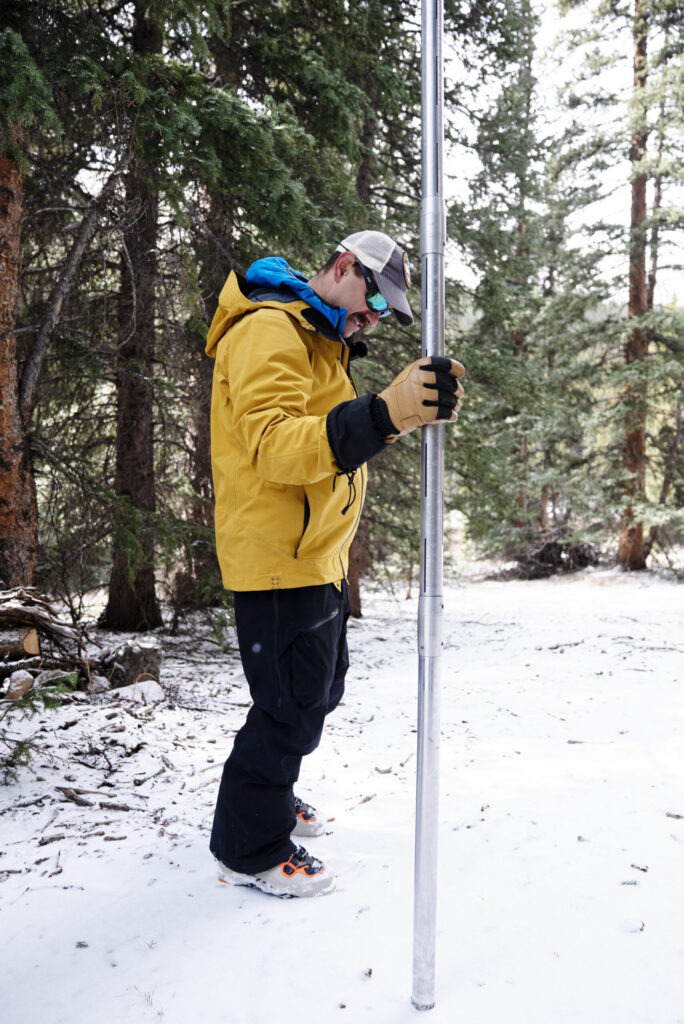
Tapped: Colorado River overallocation collides with record drought conditions
Nico Brambila
nico.brambila@denvergazette.com
Updated 42 minutes ago
Editor’s Note: The Denver metro region sits at the center of one of the American West’s most complex and consequential water challenges. This series examines the interconnected systems that determine how the region secures, stores and conserves its water while...
TAPPED: Front Range residents face higher water rates, restrictions as rapid snowmelt threatens supplies
Kyla Pearce
kyla.pearce@gazette.com
Updated 1 day ago
Tapped: The Denver metro region sits at the center of one of the American West’s most complex and consequential water challenges. This series examines the interconnected systems that determine how the region secures, stores, and conserves its water while navigating...
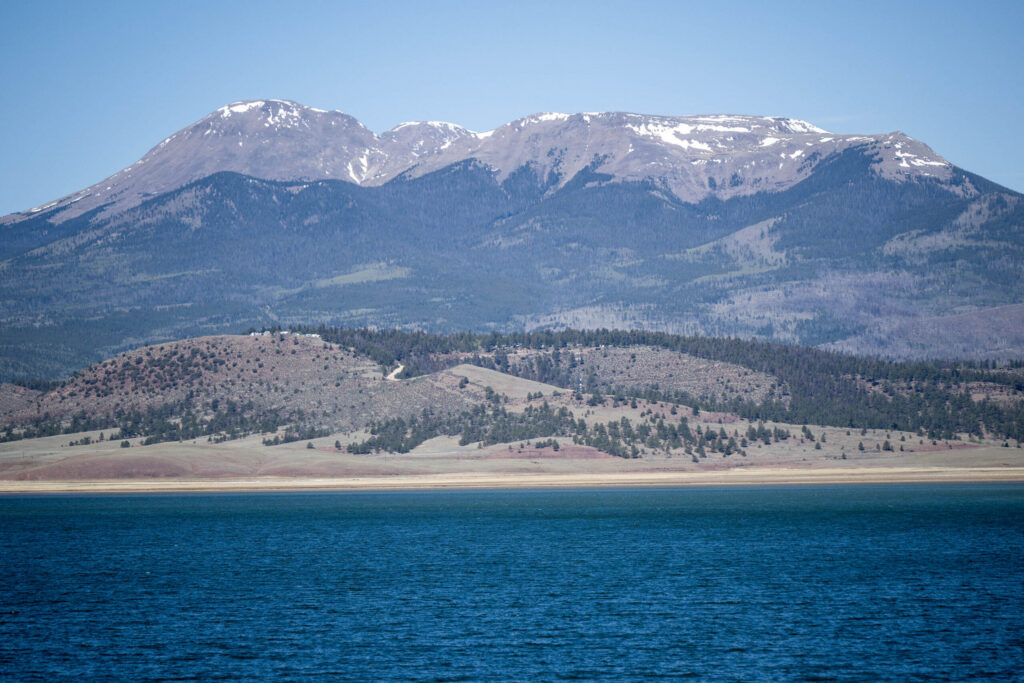
Tapped: Denver residents face hotter, costlier summer under new drought rules
Deborah Grigsby
deborah.smith@denvergazette.com
Updated 38 minutes ago
Editor’s note: The Denver metro region sits at the center of one of the American West’s most complex and consequential water challenges. This series examines the interconnected systems that determine how the region secures, stores, and conserves its water while...
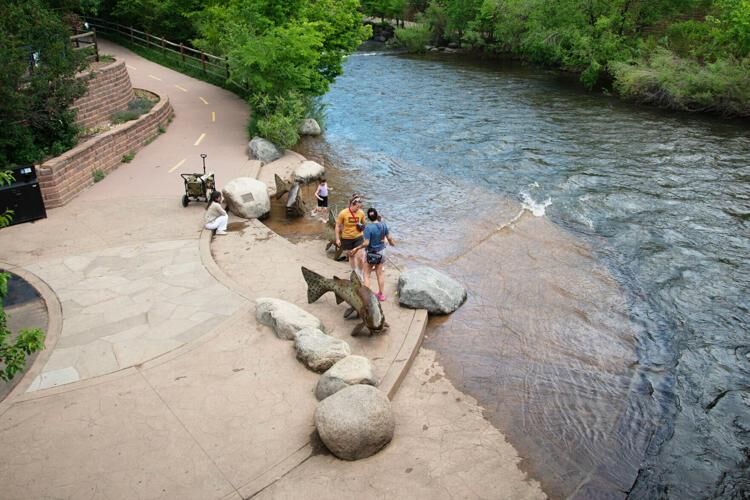
Tapped: Golden tightens water rules as Clear Creek snowpack falters
Sage Kelley
sage.kelley@denvergazette.com
Updated 2 hours ago
Editor’s note: The Denver metro region sits at the center of one of the American West’s most complex and consequential water challenges. This series examines the interconnected systems that determine how the region secures, stores, and conserves its water while...