

Cruz, Neville topped one county straw poll as Republicans caucused statewide
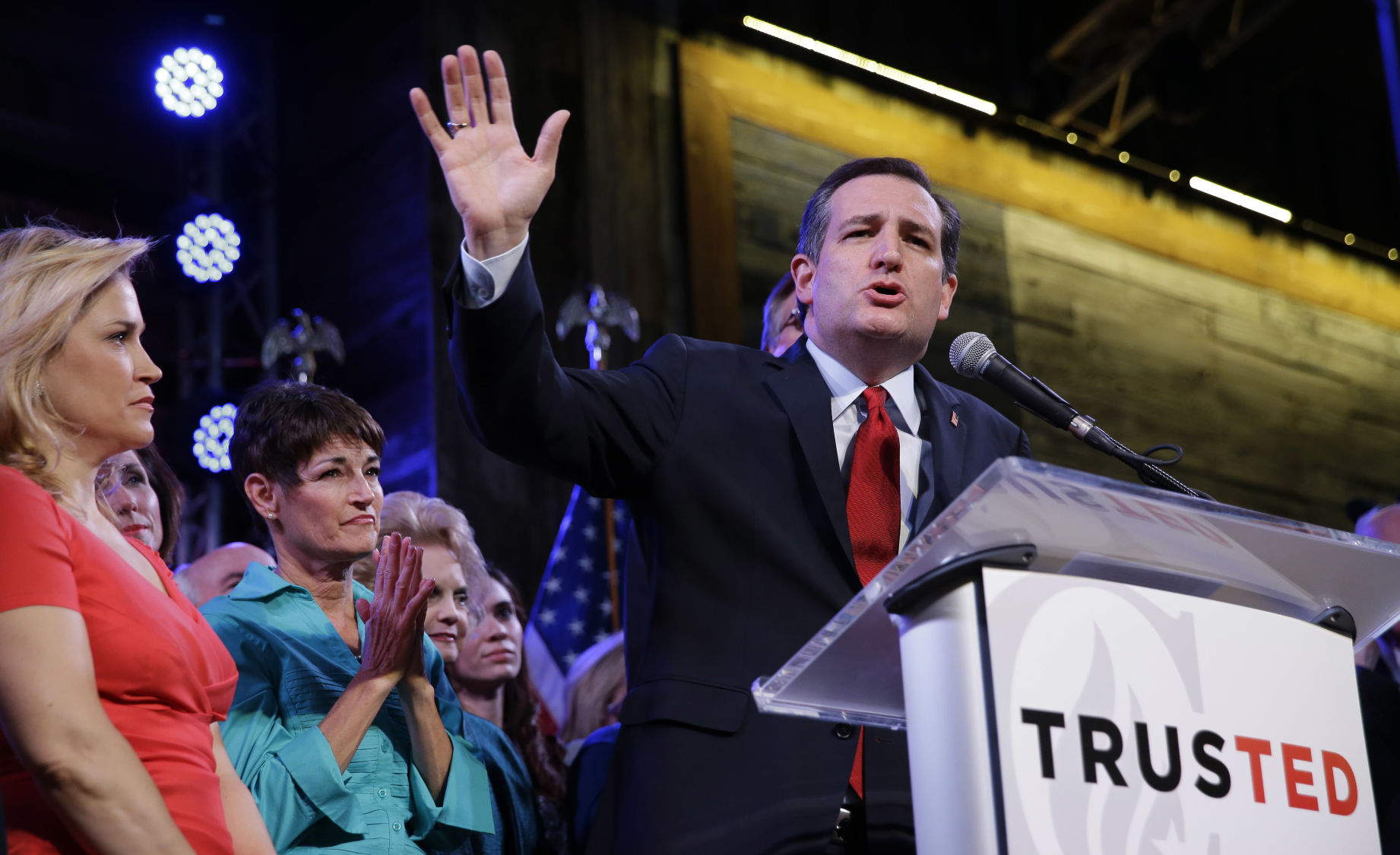
At least 60,000 Republicans turned out at schools, churches and community centers across Colorado Tuesday night for precinct caucuses, party officials said, kicking off the election season with ground-level party business.
Attendance was up sharply from two years ago, when an estimated 25,000 Republicans showed up for the biennial neighborhood meetings, and roughly matched the GOP turnout in 2012, when former Pennsylvania Sen. Rick Santorum won a non-binding presidential straw poll at Colorado caucuses.
While Republicans didn’t conduct a statewide straw poll for presidential candidates at this year’s caucuses — the state GOP decided against doing that last fall, concerned that it would bind national convention delegates to candidates who might drop out, among other reasons — one county conducted an informal “just for fun” poll, and numerous precincts asked attendees to weigh in on their choices.
Texas Sen. Ted Cruz led among presidential candidates in Adams County, and also led in a survey of precincts that reported their straw poll results on social media. In a poll for the U.S. Senate nomination, state Sen. Tim Neville, R-Littleton, won the county’s straw poll.
In Adams County, Cruz had a commanding lead with 39.36 percent of the vote, according to preliminary figures based on 50.2 percent of precincts reporting. Trailing Cruz was Florida Sen. Marco Rubio with 22.69 percent, followed by real estate mogul Donald Trump with 20.64 percent, retired neurosurgeon Ben Carson with 13.85 percent and Ohio Gov. John Kasich with 3.46 percent. (Carson suspended his campaign the next day after a poor showing in the 11 Super Tuesday states that held official tallies the same night as Colorado’s caucuses.)
Adams County Republicans also polled caucus attendees on the crowded field of U.S. Senate hopefuls, and Neville triumphed in that straw poll, with 36.31 percent of the vote. He led El Paso County Commissioner Darryl Glenn’s 17.87 percent, former Aurora Councilman Ryan Frazier’s 11.53 percent, El Paso County Commissioner Peg Littleton’s 7.49 percent, former state Rep. Jon Keyser’s 6.92 percent, activist Charlie Ehler’s 5.76 percent, business consultant Robert Blaha’s 4.9 percent, activist Jerry Eller’s 3.17 percent, perennial candidate Tom Janich’s 2.88 percent and businessman Jerry Natividad’s 1.15 percent. Former CSU athletic director Jack Graham and Jefferson County Commissioner Don Rosier scored less than 1 percent apiece.
Neville is pursing the nomination via caucuses and the April 9 state assembly, where candidates need the support of 30 percent of delegates to make the June 28 primary ballot. Frazier, Keyser, Blaha, Natividad, Graham and Rosier have pulled petitions and are working to get at least 1,500 valid signatures from each of Colorado’s seven congressional districts in order to get on the ballot.
But mostly it was routine business on Tuesday night, as Republicans designated precinct leaders, picked delegates to advance to county, district and state assemblies and conventions, gathered names of potential election judges, passed the hat for contributions and sent proposed party platform planks up the ladder.
At Columbine High School in Littleton, where 23 precincts met for GOP caucuses, there wasn’t much grousing about the lack of a presidential straw poll — a couple of people in each precinct wondered why there wasn’t one but didn’t mind much, organizers said — but there was plenty of discussion about principles and issues, and the phrase “constitutional conservative” was on plenty of lips.
“I believe God is supreme. I’m very active in my local church,” science teacher Randy Montgomery said in brief remarks explaining why he wanted to be a delegate at higher assemblies. “I believe in defending the Constitution. I especially believe in my Second Amendment rights. I believe, thirdly, in preserving the lives of babies, that’s incredibly important for me. I believe, fourthly, in financial responsibility — don’t spend what you don’t own. And, fifthly, I believe in the traditional definition of marriage — marriage should be between one man and one woman. Those are the things I would stand for if I get to represent you.”
“Ditto,” said the others hoping to represent the precinct. “If you like what he said, you’ll like me too,” one added. (Montgomery was among the delegates selected from the precinct.)
Neville visited many of the caucuses at Columbine — his home turf — as business was winding down, his last stop on a tour across the southern metro area to speak at the meetings.
“We are committed to the caucus process. We’re not committed to going out and paying a bunch of petitioners to go out and get signatures and get on the ballot that way,” he told one precinct. “I would hope that you all have that opportunity to pick your next U.S. senator, and that’s the way it should be, it should come from the caucus level.”
Neville also gave a brief pitch, noting he’d unseated a Democratic incumbent in 2014, but many of the Republicans at Columbine were familiar with him, as he lives not far from the school and represents them in the Senate.
“I don’t put my trust in big government,” he said. “We need to get back to a constitutionally limited government that respects something called the 10th Amendment and the ability of the state to decide what it needs to do here.” He added, “I’m the one who has a legislative track record on the tough issues. I don’t just talk the talk, I walk the walk.”
In Neville’s home precinct, former state GOP chair Dick Wadhams — he’s managing Graham’s Senate campaign — observed that his precinct’s caucus, with about 20 Republicans in attendance, was a more sedate affair than it had been in previous years, including in the distant past when he’d held the caucus at his home.
“There was no discussion about the presidential race, nor of the Senate race for that matter,” he said. “I think taking away the presidential preference poll takes away some of the competition, and also, I think it affected attendance, too. In 2008, there were probably 100 people in this precinct, and in 2012 there were probably about 100 too.”
Wadhams said it’s time for the state to revive the presidential primary elections that Colorado conducted in 1992, 1996 and 2000.
“I think we should keep the caucuses, but I think every four years we should have a presidential primary. I know it costs money, but what’s more important than a presidential campaign? The caucuses should elect the people representing those campaigns, but the primary should determine who they should support.”

Top officials in Arizona’s Maricopa County agree on how to oversee elections | OUT WEST ROUNDUP
The Associated Press
the-associated-press@coloradopolitics.com
Updated 4 days ago
ARIZONA Officials agree on election oversight PHOENIX — Election officials in Arizona’s most populous county reached an agreement a week before the state’s July 21 primary on how to jointly oversee the vote, ending a prolonged legal battle. Republican Maricopa...

Colorado Politics Calendar Aug. 3-9
Rachael Wright, Special to Colorado Politics
rachael.wright@coloradopolitics.com
Updated 4 days ago
CoPo’s weekly political calendar will help you find political and public-policy events throughout Colorado. It includes candidate and issue campaign events, public policy meetings, court hearings, state and local party conventions, assemblies, debates, rallies, parades, speaking engagements, traveling dignitary appearances,...
The primary political reform and precondition for all others | SONDERMANN
Eric Sondermann
eric-sondermann@coloradopolitics.com
Updated 4 days ago
In its current state, the American political system has no end of ailments. Far too many factors accelerate polarization and work against moderation and narrowing the differences. Media, and the way so many citizens limit themselves to agreeable, reinforcing sources,...
Susemihl wins surprise victory to replace Steve Durham as Colorado Springs state senator | A LOOK BACK
Rachael Wright, Special to Colorado Politics
rachael.wright@coloradopolitics.com
Updated 4 days ago
Forty-five years ago this week: In a closed session, the vacancy committee for Colorado’s Senate District 12 selected attorney Peter Susemihl to complete Sen. Steve Durham’s, R-Colorado Springs, term. Durham resigned his seat to become Region 8 Director of the...
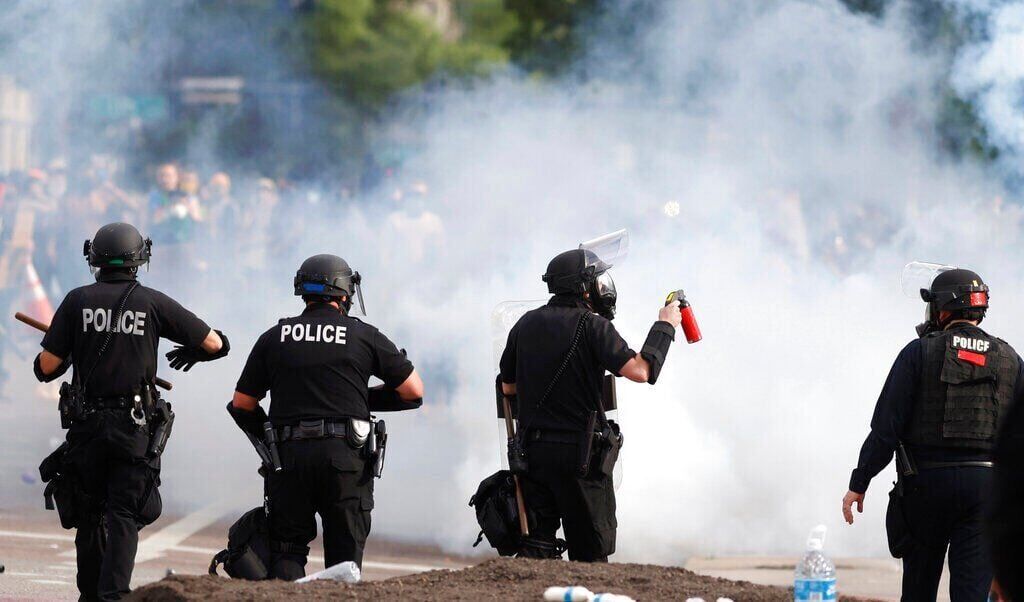
10th Circuit partially revives lawsuit over 2020 Denver protest injuries
Michael Karlik
michael.karlik@coloradopolitics.com
Updated 2 days ago
The Colorado-based federal appeals court revived a man’s claims against Denver on Friday after concluding a trial judge resolved the case in the city’s favor without analyzing two of the three instances of alleged excessive force and other constitutional violations....
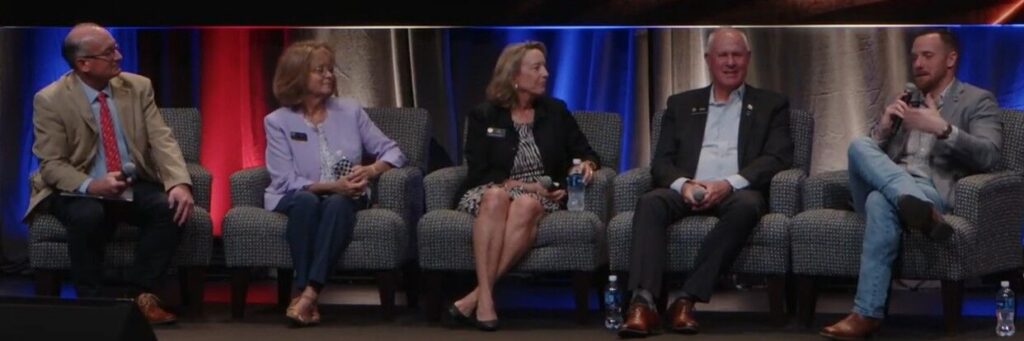
At conservative summit, Colorado Republican leaders concede Democrats’ election edge
Marissa Ventrelli
marissa.ventrelli@coloradopolitics.com
Updated 18 hours ago
Four Republican state lawmakers told attendees at a gathering of conservative leaders on Friday they doubt their party can win statewide races, noting that Colorado’s electorate has been shifting toward Democrats but adding they see an opening in several pockets....
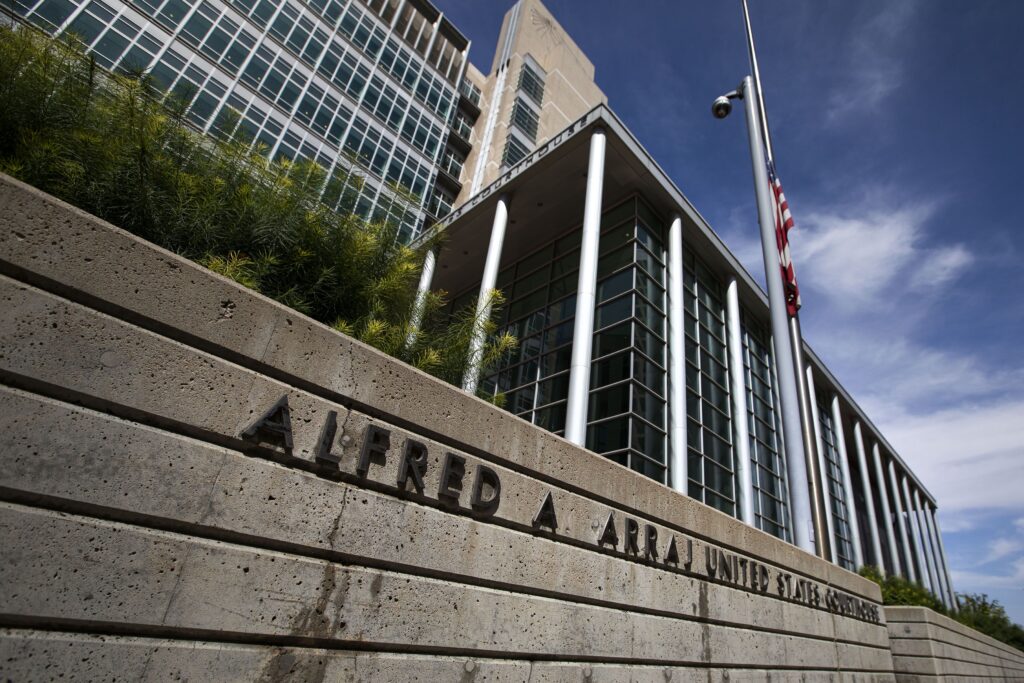
Federal judges find Colorado immigration judge violated several orders
Michael Karlik
michael.karlik@coloradopolitics.com
Updated 12 hours ago
Multiple federal judges in Colorado have freed people from immigration custody after determining that one immigration judge violated their directives for properly conducting bond hearings. For nearly a year, Colorado’s U.S. District Court has faced a flood of habeas corpus petitions...
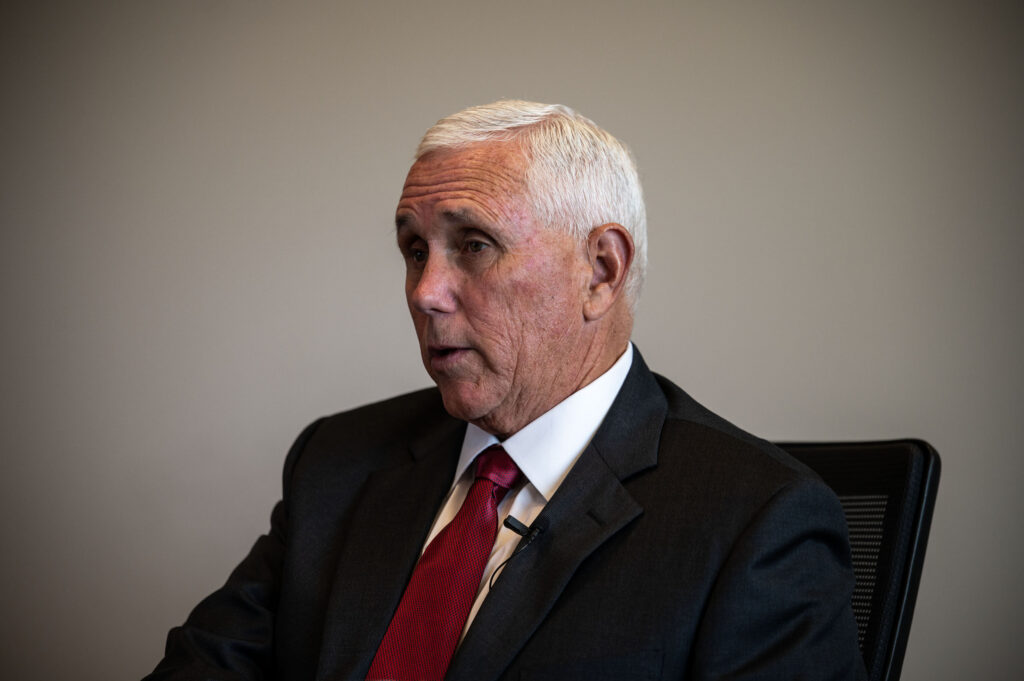
Q&A with Mike Pence | Former vice president says GOP’s populist turn from conservatism isn’t permanent
Ernest Luning
ernest.luning@coloradopolitics.com
Updated 16 hours ago
Former Vice President Mike Pence says he’s concerned that the Republican Party has taken a populist turn away from bedrock conservative principles during President Donald Trump’s second term, but he believes the party will return to its roots when Trump...
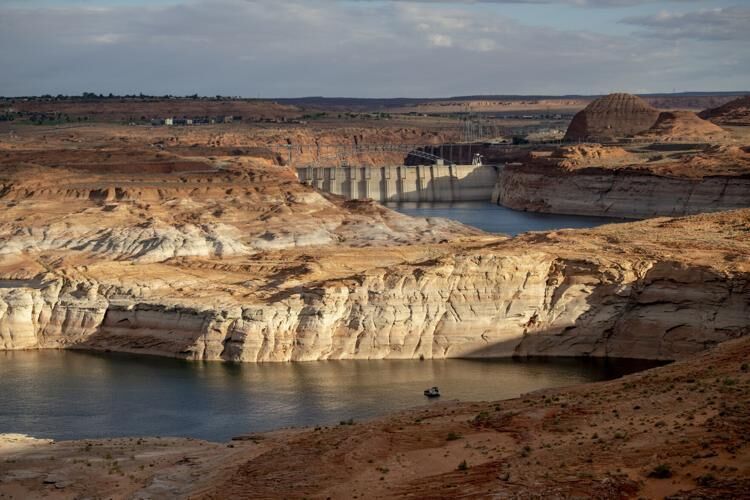
New federal plan sets short-term rules for Colorado River management
Marianne Goodland
marianne.goodland@coloradopolitics.com
Updated 2 days ago
Interior Department’s plan spares Colorado from mandatory cuts for now After years of stalled negotiations among the seven states that rely on the Colorado River, the federal government on Friday released its own plan for managing the drought-strained system. Calling...
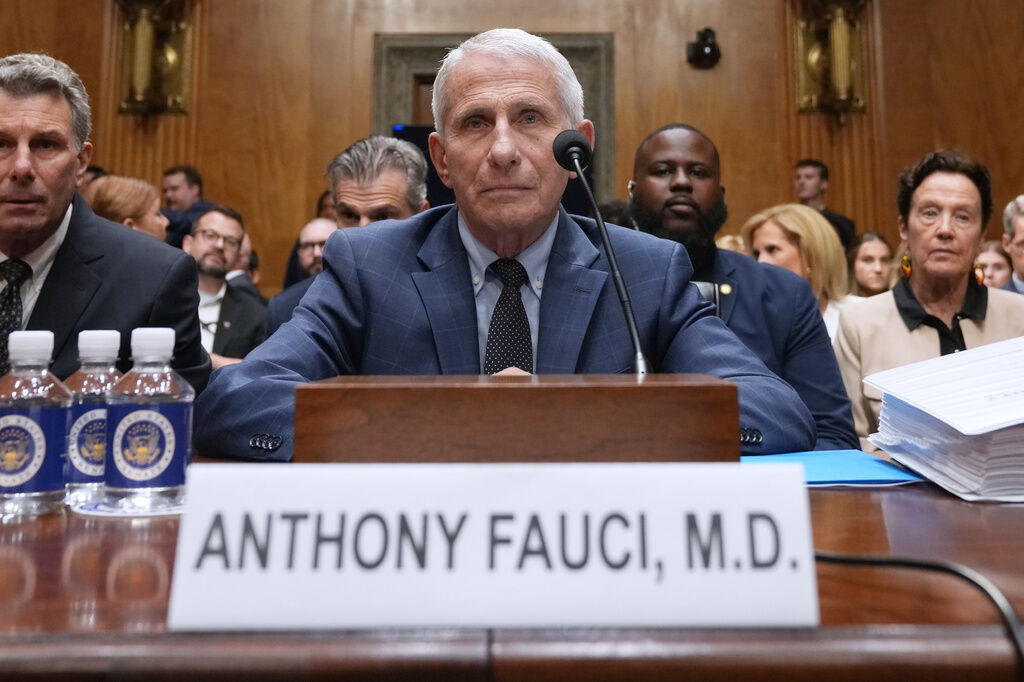
Fauci’s diary details blooming outrage toward ‘far right,’ softness toward Biden and China
Hudson Crozier
hudson.crozier@washingtonexaminer.com
Updated 2 days ago
Dr. Anthony Fauci increasingly railed against “far right” critics of his approach to COVID-19 issues while describing strong support from the Biden White House in his pandemic-era diary, which was recently released by Congress. The former National Institute of Allergy...
PREV
PREVIOUS

Littleton shunning tax revenue, missing the memo on marijuana economics
Kush. Purple Haze. Golden Goat. While the names of its strains may sound funny, Colorado’s marijuana industry has proven it is no joke as the state recently blew past the second anniversary of recreational pot sales. But some cities still act as if they didn’t get the memo. In the wake of Amendment 64, cities such […]

Swallowing hard, Trump rivals vow to back him if nominated
The Republican establishment and its last best hopes to defeat Donald Trump spent a long and extraordinary day denouncing the billionaire businessman as dangerous, a “phony” and a “con man” unfit for office. Then, when it was all over, Marco Rubio, Ted Cruz and John Kasich swallowed hard and said they’d support Trump if he […]