

New CDE Commissioner Crandall comments on Colorado legislators, new role
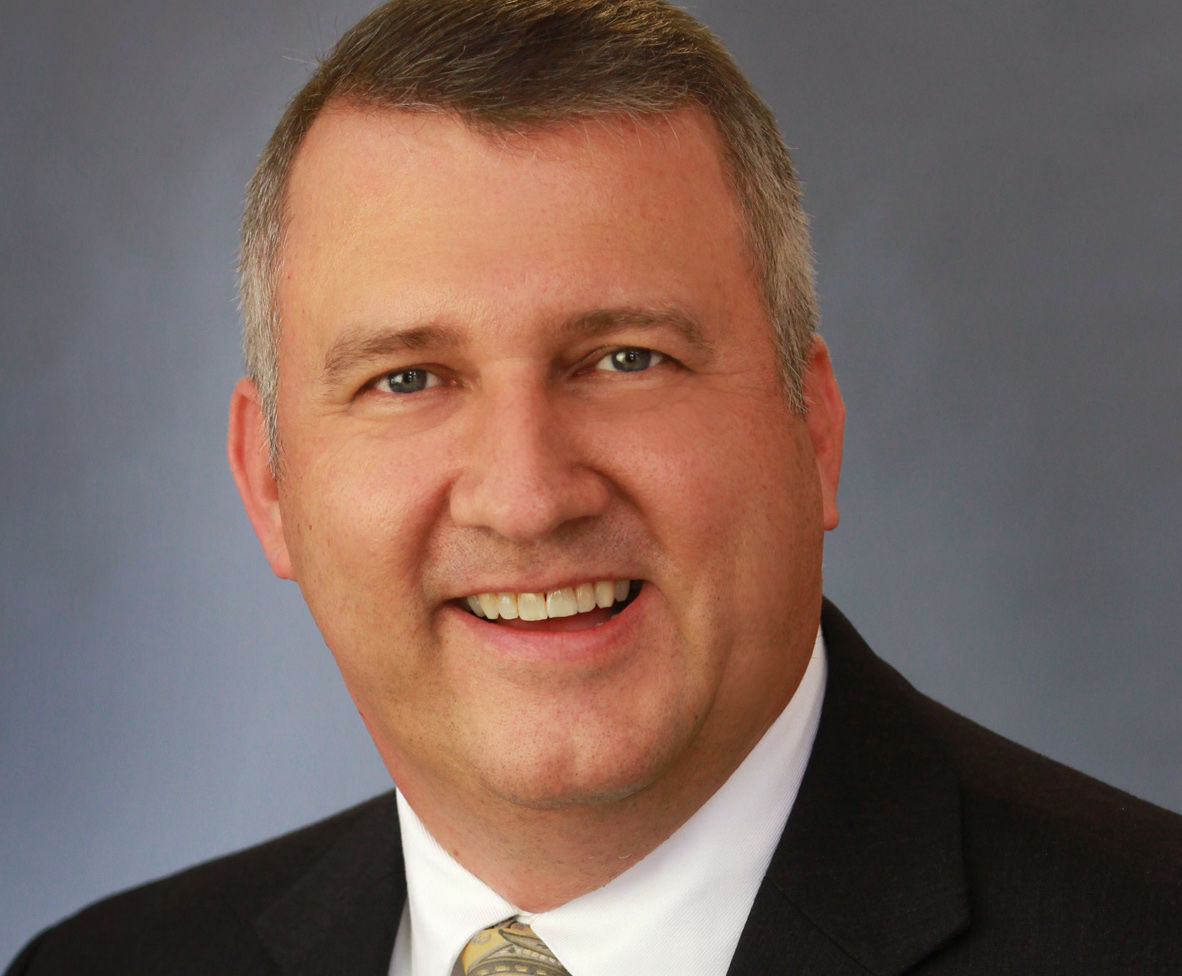
New Department of Education Commissioner Richard Crandall has a few weeks of work under his belt, and it has been overwhelming — the good kind of overwhelming, he said, the kind that has him buzzing with new ideas.
“More than 30 organizations have contacted us, saying ‘Hey, we want to meet with you,’” Crandall told The Colorado Statesman as he readied for a trip to the Platte Valley School District in Kersey.
Platte Valley is a rural Weld County district and the superintendent there is also the school bus diver, so Crandall’s visit had to be wrapped up by 3 p.m., when the superintendent had to drive students home.
The needs of districts like Platte Valley are a high priority for the State Board of Education, Crandall said — right at the top with assessment standards and school accountability.
Delivering quality education to rural districts is “challenging off the charts,” Crandall said. Finding highly qualified teachers is the biggest issue, but he thinks that is changing with the rewrite of the No Child City Left Behind federal policy, which in its new form shifts more power to the states.
“We all hope that our teachers have some kind of content expertise, but let’s be realistic. If I’ve got a district with 97 kids K-12, am I going to find a physics teacher? Probably not,” Crandall said. “But, say I have a great English teacher who happens to know basic physics and who can teach the introductory course. The law now allows that.”
Teachers may not have to be experts in the subjects they’re teaching, but they’re required nevertheless to be “highly effective” instructors on the subjects.
“That’s the big challenge,” Crandall said. “What does ‘highly effective’ mean?”
It’s a topic that will be debated at the Capitol this legislative session. There are at least two student-achievement bills currently on the docket.
Rep. Dave Young, D-Greeley, introduced HB 1016, aimed at establishing multiple measures of academic growth, and Sen. Vicki Marble, R-Fort Collins, introduced SB 5, which would eliminate ninth-grade statewide student testing.
Lawmakers are also considering how to expand access to broadband in rural stretches across the state, something Crandall said is a huge issue for the department. He said he plans to collaborate with other state departments so that they can help lawmakers help rural Colorado.
Crandall is no stranger to the legislative process. He served in the Arizona Legislature. He was a moderate Republican who helped pass a teacher evaluation law and supported the adoption of Common Core in the state.
“I understand the role of opportunity and responsibility in being a lawmaker. It’s funny, just today we were going over the primary list of people to meet with and I said, ‘OK, number one on that list is lawmakers.’ They are elected to look out for their constituents,” Crandall said. “Plus, if they pass a law, we have to abide by it. So, let’s make sure we’re on great terms with them.”
Just a couple of weeks into the legislative session, Crandall said he had met with around 10 lawmakers.
“Man, they are passionate,” he said. “They don’t want to do just big things; they want to do huge things. And they’re like ‘Can you help us?’ It’s fun being on this side.”
There’s a key difference between the legislatures in Arizona and Colorado, he said.
“I had a couple lawmakers call me the other day and they said ‘We’d like to meet with you.’ I said, ’No problem, I’ll be right over to your office.’ They said ‘No, no, we’re going to come over to your office.’ It actually caught me by surprise for a moment because in Arizona (everyone) always came to the Legislature. I thought, ‘Am I in trouble on my first day?’ But it was just a couple of lawmakers that had some big ideas for education. It was a rush.”
Crandall said that kind of passion is a major perk of the job. It’s the reason he took it.
“Colorado has a (reputation) nationally for its very high emphasis on education,” he said. “Especially higher ed. There have been many governors over many years that have put a focus on higher ed and, when you have that focus, it just trickles down.”
At a meeting with members of the Colorado School Board association the night before our interview, Crandall said the room was buzzing with ideas. People were drafting proposals together on the back of scratch paper.
“People come here, they want to be educated, they want their kids to go to great schools,” he said.
Crandall still has a few children of his own who will be attending high school in Denver.
He chose the commissioner job over an opportunity to head back to Wyoming, where he was the chief of schools. That job was more cleanup, he said.
“It was ‘Hey, can you come in and just stabilize things?’ Colorado is different. You come in and there are a bunch of rockstars. They have all these things they want to try and do at the Department of Education.”


Colorado Politics Calendar July 27-Aug. 2
Rachael Wright, Special to Colorado Politics
rachael.wright@coloradopolitics.com
Updated 5 days ago
CoPo’s weekly political calendar will help you find political and public-policy events throughout Colorado. It includes candidate and issue campaign events, public policy meetings, court hearings, state and local party conventions, assemblies, debates, rallies, parades, speaking engagements, traveling dignitary appearances,...
The through line from Donald Trump to Victor Marx | SONDERMANN
By Eric Sondermann
by-eric-sondermann@coloradopolitics.com
Updated 5 days ago
Over 10 years ago, before Donald Trump could ever defeat Hillary Rodham Clinton, he had to first engineer a hostile takeover of the Republican Party. Prior to his descent of that golden escalator, the previous seven Republican presidential nominees had...

Colorado districts prepare for school year amid mental health cuts. But will less cellphone distractions help?
Marissa Ventrelli
marissa.ventrelli@coloradopolitics.com
Updated 3 days ago
The signs of a new school year are everywhere — buses in the shop, teachers unpacking boxes, families ticking through supply lists — but behind the familiar rituals, Colorado districts are preparing for a year defined less by routine than...
Armstrong staffer considers congressional bid, DeGette angers rural communities with wilderness act | A LOOK BACK
Rachael Wright, Special to Colorado Politics
rachael.wright@coloradopolitics.com
Updated 4 days ago
Forty-five years ago this week: If the lines were drawn just right, Republican Sen. Bill Armstrong stood the chance of losing his office manager, Ruth Fountain. Fountain admitted she was seriously thinking about running for Colorado’s new congressional seat in...
10th Circuit dismisses woman’s lawsuit following 10-year attempt to undo restraining order
Michael Karlik
michael.karlik@coloradopolitics.com
Updated 3 days ago
The Denver-based federal appeals court rejected a woman’s challenge on Friday to a restraining order imposed on her more than a decade ago, finding that she cannot credibly claim she will be prosecuted for violating the restraining order through her...
10th Circuit dismisses woman’s lawsuit following 10-year attempt to undo restraining order
Michael Karlik
michael.karlik@coloradopolitics.com
Updated 3 days ago
The Denver-based federal appeals court rejected a woman’s challenge on Friday to a restraining order imposed on her more than a decade ago, finding that she cannot credibly claim she will be prosecuted for violating the restraining order through her...
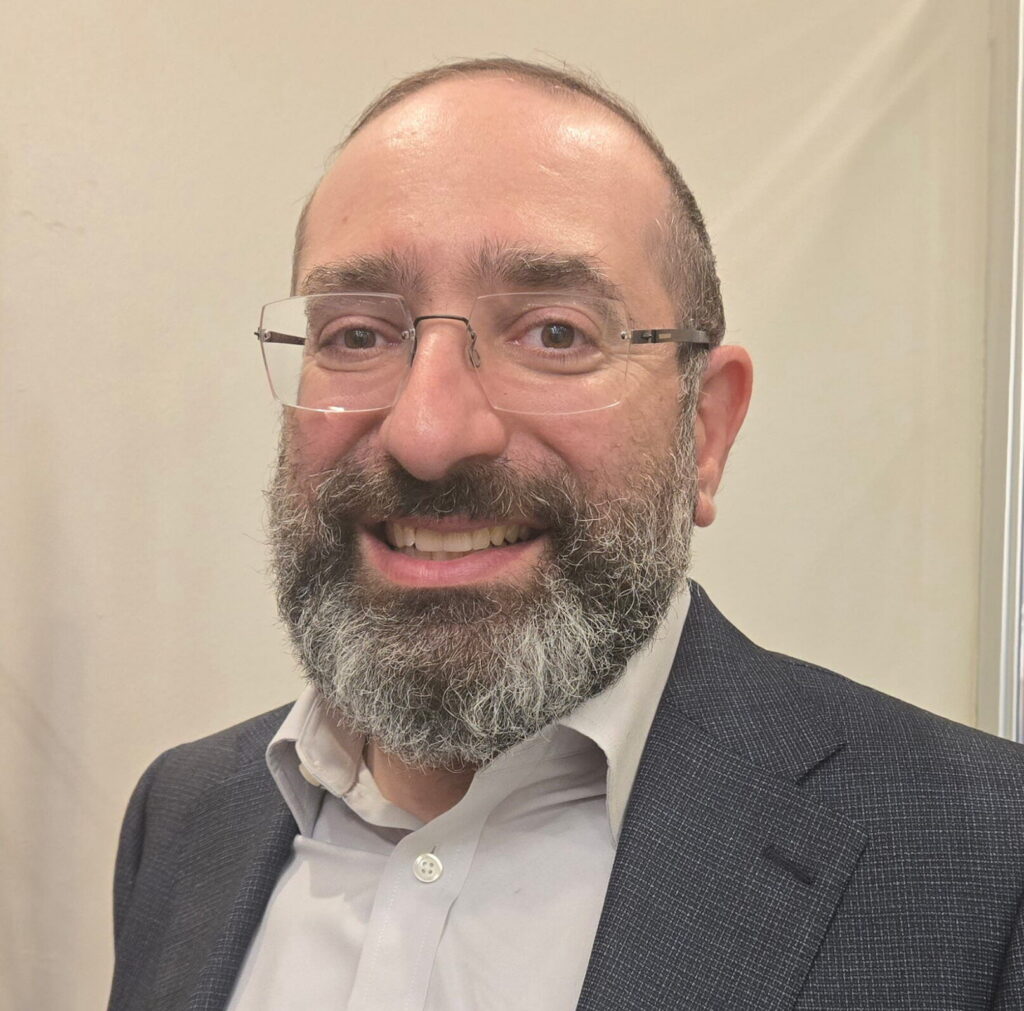
Surprise candidate Shimon Blau cleared to face off against Melat Kiros in November
Ernest Luning
ernest.luning@coloradopolitics.com
Updated 3 days ago
Unaffiliated congressional candidate Shimon Blau, a Denver doctor, has qualified by petition for the general election in Colorado’s 1st District, where Democrat Melat Kiros defeated 15-term U.S. Rep. Diana DeGette in last month’s primary, the Colorado Secretary of State’s Office...

Colorado produce not tied to nationwide cyclospora outbreak, agriculture officials say
Marissa Ventrelli
marissa.ventrelli@coloradopolitics.com
Updated 2 days ago
There is no indication that the recent outbreak of cyclospora, a fecal parasite that has contaminated food and water across nearly every state, can be linked to produce grown in Colorado, according to the state’s Department of Agriculture. “Colorado growers...
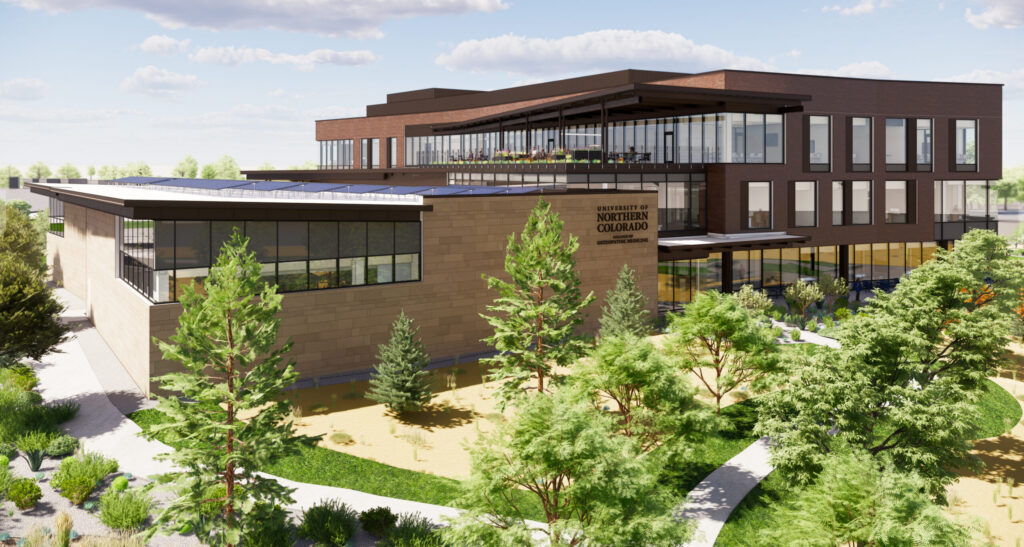
UNC opens College of Osteopathic Medicine
Marissa Ventrelli
marissa.ventrelli@coloradopolitics.com
Updated 3 days ago
The University of Northern Colorado held a grand opening for its new College of Osteopathic Medicine on Friday, with Gov. Jared Polis in attendance to celebrate the culmination of a two-year, $127.5 million project. The project was funded through legislation...
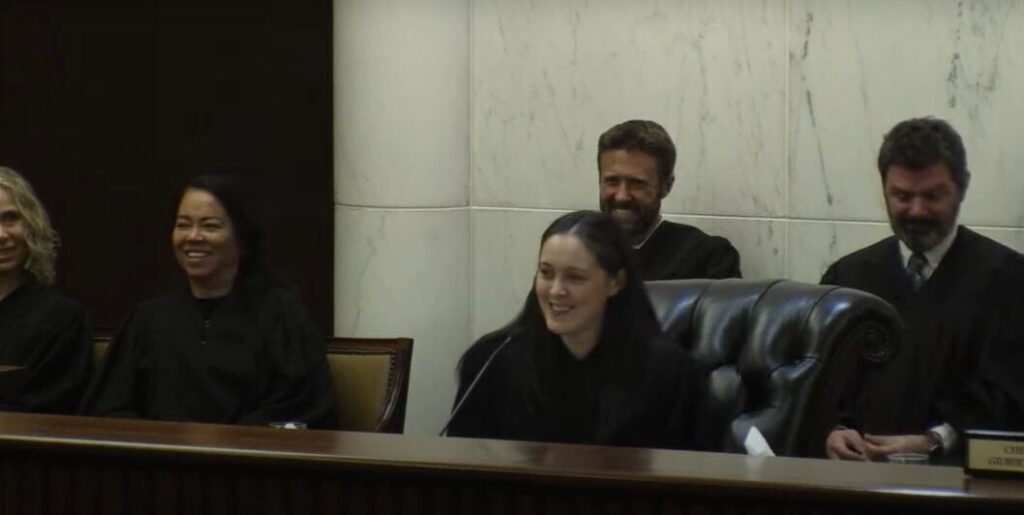
Colorado equal pay law does not require plaintiffs to allege gender-based retaliation, appeals court finds
Michael Karlik
michael.karlik@coloradopolitics.com
Updated 2 days ago
The 2019 Colorado law aimed at rooting out pay discrimination on the basis of sex does not require a plaintiff to allege their employer retaliated against them for sex- or gender-related reasons, the state’s second-highest court decided on Thursday. Lawmakers...
PREV
PREVIOUS
Strode: Aguilar bill calls for transparency for Community Centered Boards
State Sen. Irene Aguilar, D-Denver, has introduced a bill to ensure that the state’s 20 Community Centered Boards are subject to regular financial and performance reviews. CCBs, private non-profits designated as entry points into support systems for those with intellectual and developmental disabilities, receive funding from state, federal and local governments. Senate Bill 16-038 would make […]
Windholz's bill rebuffed in latest skirmish over ballot initiative power
Rare full bipartisan agreement Monday worked to quash a bill aimed at expanding ballot initiative power for residents of unincorporated county areas and of special districts. All nine members of the House State, Veterans and Military Affairs committee voted against House Bill 1071 introduced by Rep. JoAnn Windholz, R-Commerce City. Committee members said the bill […]