

Joint Budget Committee debuting state budget Friday
The 2015-16 state budget, under a divided General Assembly and equally divided Joint Budget Committee, is scheduled to debut on Friday
With a divided legislature, it was certain that no one would get everything they wanted. “This was a difficult balancing act, but we did it with bipartisan support,” according to Rep. Dave Young, D-Greeley. “We have a balanced budget that lives within our means and within our budgetary constraints.”
The so-called negative factor, a budgetary stabilization device that allows the state to subtract dollars from K-12 funding based on just how much is available for school finance, isn’t going down by much in the 2015-16 budget. Budget writers put just $25 million into reducing the negative factor, far short of the $110 million that was put into reducing it in the 2014-15 budget. The estimate on what the negative factor has cost K-12 public schools is still around $900 million, according to a letter sent to the JBC last November by 174 Colorado public school superintendents.
In total, $216 million is going to K-12, a 3.5 percent increase over its 2014-15 appropriation, according to budget highlights released Wednesday by Senate Republicans.
According to House Democrats, most of the increases in the 2015-16 budget are driven by mandatory costs, such as increasing the state’s statutory reserve, increased Medicaid caseload, funding for the senior homestead property tax exemption, increased caseload in the Department of Corrections, and dollars for the Highway Users Tax Fund to build and maintain roads and bridges.
Both sides noted the state will have to issue $69.7 million in TABOR refunds to taxpayers in fiscal year 2015-16 from 2014-15 revenues. This does not include the $58 million in TABOR refunds from marijuana tax revenues (see related story). Another $116.8 million will have to be refunded in 2016-17 from previous year revenues.
Speaker of the House Dickey Lee Hullinghorst, D-Boulder, told reporters Tuesday that she had to advise her caucus that there wasn’t a lot of flexibility in the budget, and that the JBC had to reduce some of their own actions to balance the budget. “We may have some flexibility but we will have to define our priorities very carefully. None of those priorities can have a very big price tag, if it’s new money,” she said. “We’re out of money. We put money into the things that we’re required to do and our flexibility is pretty low.
“We have a lot of visiting to do about where we’re going to come up with additional money,” she added.
One of the governor’s priorities, increasing the penalties for driving under the influence, may feel the heat of budget constraints. House Bill 15-1043 was passed by the House Finance Committee on Wednesday, but the bill carries a $2.387 million price tag in 2015-16 and $11.235 million the following year. The bill’s next stop is the House Appropriations Committee.
Senate President Bill Cadman told reporters Wednesday morning that the appropriations committees in the House and Senate have set asides of $5 million each, with another $8 million set aside for the workforce development package.
The JBC got no extra dollars from the most recent revenue forecasts, released March 18. According to the governor’s Office of State Planning and Budgeting, the forecast is largely unchanged from December. General fund revenue is expected to increase by 8.8 percent in the current fiscal year, although it will likely slow in 2015-16 due to a decrease in oil and gas production. A report issued Monday by IHS of Englewood said that nearly half of the state’s 75 oil and gas rigs have gone inactive since October due to the drop in fuel prices.
The Legislative Council’s March forecast showed similar estimates, but noted that revenue growth would be “constrained by tightening monetary policy and a weak global economy.” The forecast said general fund revenue would be $49.1 million higher than budgeted to be spent or held in the statutory reserve.
The Long Bill will head to Senate Appropriations on Monday afternoon, March 30; the caucuses will discuss their amendments on Tuesday, and the Long Bill and its accompanying JBC measures are likely to be debated by the full Senate on Wednesday with a final vote on Thursday. The General Assembly is scheduled to be closed in observance of Good Friday on April 3.


Misconduct complaints from ex-Colorado judicial discipline director dismissed against federal judges
Michael Karlik
michael.karlik@coloradopolitics.com
Updated 11 hours ago
The administrative body for the Denver-based federal appeals court upheld a finding last week that misconduct complaints against Colorado’s chief federal trial judge and the chief appeals judge warranted dismissal and appeared to be a “litigation tactic” by the complaining...

First-ever Red Rocks naturalization ceremony draws most diverse group of new citizens
Michael Karlik
michael.karlik@coloradopolitics.com
Updated 14 hours ago
Colorado’s federal trial court held its first-ever naturalization ceremony for nearly 300 new citizens on Thursday at Red Rocks Park and Amphitheater. “We’re doing it to commemorate the 250th anniversary of the Declaration of Independence and the United States. Red...
Colorado lawmakers start crafting strategy to manage $200 million in federal rural health funds
Marissa Ventrelli
marissa.ventrelli@coloradopolitics.com
Updated 15 hours ago
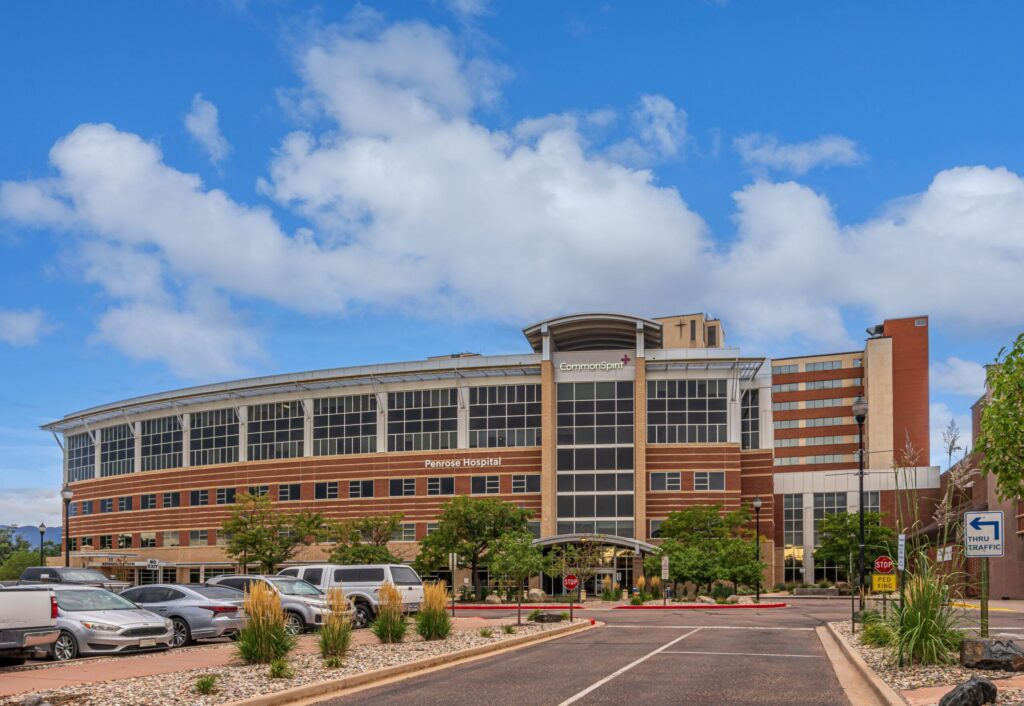
Members of the Colorado legislature’s new Commission on Medicaid raised concerns Wednesday about the federal Rural Health Transformation Program created under H.R. 1. The bipartisan, bicameral commission, created in the last legislative session to guide implementation of Medicaid changes under...
Democrat Jessica Killin’s internal poll shows dead heat with U.S. Rep. Jeff Crank in Colorado’s 5th CD
Ernest Luning
ernest.luning@coloradopolitics.com
Updated 12 hours ago
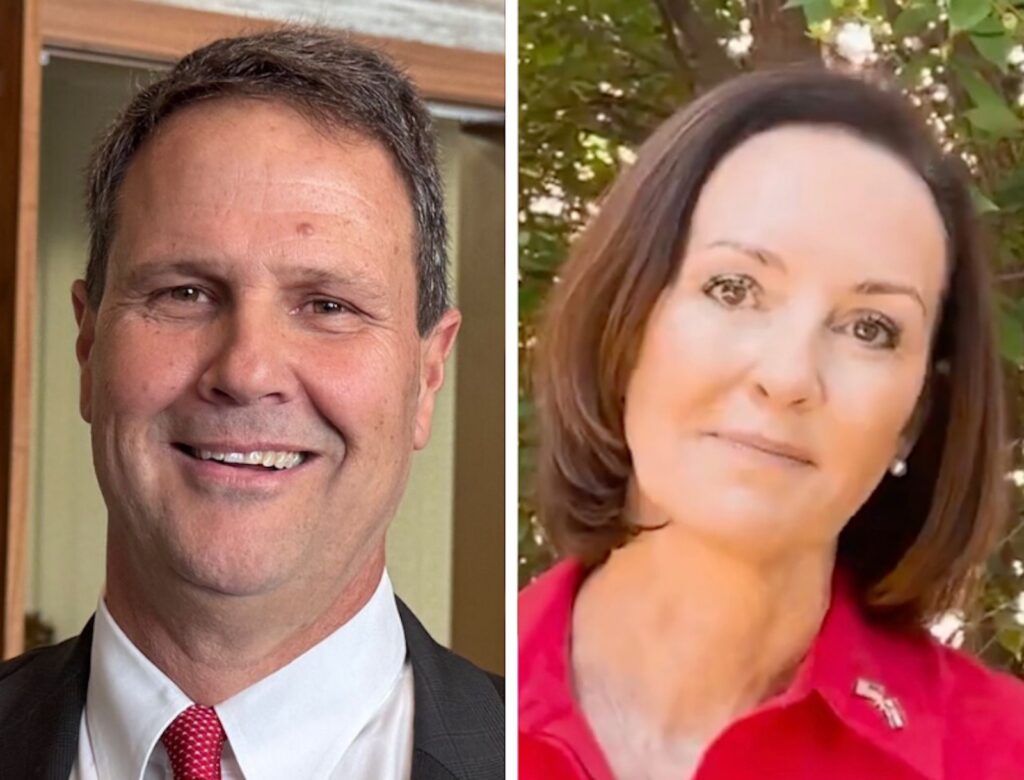
Jessica Killin, the Democratic nominee in Colorado’s 5th Congressional District, is in a statistical tie with Republican U.S. Rep. Jeff Crank, according to an internal poll released this week by Killin’s campaign. The poll of likely general election voters, conducted...

Thousands of migrants bull-rush Spanish border, sparking ‘total humanitarian and social emergency’
Timothy Nerozzi
timothy-nerozzi@coloradopolitics.com
Updated 16 hours ago
Hundreds of migrants in Morocco have bull-rushed through the Spanish border into the European Union, exacerbating the migration crisis. A mob of African migrants plowed past border guards and circumvented barriers into the Spanish territory of Ceuta this week, creating...

Violent and property crimes decreased in Colorado in 2025, according to new data
Marissa Ventrelli
marissa.ventrelli@coloradopolitics.com
Updated 15 hours ago
Violent and property crime rates in Colorado decreased significantly in 2025, according to data from the state’s public safety agency. The violent crime rate decreased by 10.7% from 2024 to 2025, resulting in over 3,300 fewer crimes reported statewide, while...

Colorado Springs D-11 may present voters with $775 million bond measure
Eric Young
eric.young@gazette.com
Updated 20 hours ago
Colorado Springs’ oldest school district could see new capital funding for the first time in over 20 years. Colorado Springs District 11’s Board of Education will decide whether to present a new, districtwide bond totaling $775 million to voters this...

Victor Marx says he’ll only debate Phil Weiser once in Colorado governor’s race — without a moderator
Ernest Luning
ernest.luning@coloradopolitics.com
Updated 16 hours ago
Colorado Republican gubernatorial nominee Victor Marx said on Tuesday that he will participate in only one debate with Attorney General Phil Weiser before the November election — and he challenged the Democratic nominee to hold the event without a moderator....

Denver seeks to move more than $18 million to cover George Floyd protest claims
Deborah Grigsby
deborah.smith@denvergazette.com
Updated 22 hours ago
City officials want to move millions from Denver’s General Fund contingency account to the City Attorney’s Liability Claims Fund to cover legal settlements and claims stemming from the 2020 George Floyd protests. The hefty shift of cash, proposed in Council...
10th Circuit finds no fair housing violation by Littleton landlord for worker’s alleged rape of tenant
Michael Karlik
michael.karlik@coloradopolitics.com
Updated 2 days ago
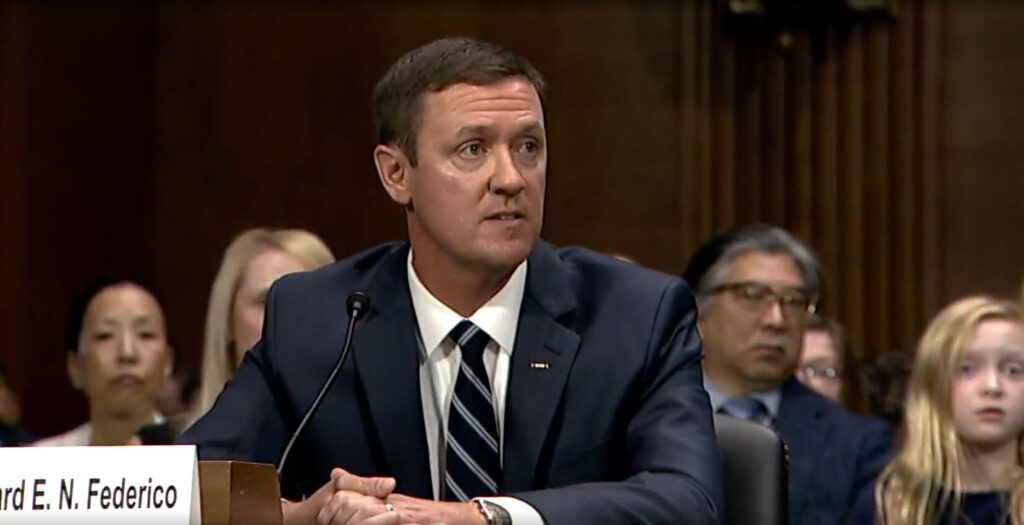
The Denver-based federal appeals court concluded on Monday that Littleton’s housing authority could not be held liable for a maintenance worker’s alleged rape of a tenant, as the worker’s employment did not provide any special access to the victim. A...
PREV
PREVIOUS

Colorado’s Jewish community celebrates
More than 400 well-wishers gathered to celebrate Colorado’s Jewish community and bestow honors at the Jewish Community Relations Council’s ninth annual luncheon last Thursday at the Four Seasons Hotel in Denver. “The one unique thing about the JCRC is, it truly is the only single consensus voice for the Jewish community in representing our point […]
Tears, cheers as mascot bill passes committee
Some who wept in sorrow, later cheered in joy. An attempt to persuade Colorado schools from using American Indian images as mascots got through a tumultuous hearing Monday, sparked by tears from some who recounted the abuses suffered by American Indians, and the two-hour absence of a lawmaker who walked out after a presentation by […]