

judge elizabeth harris
-
Appeals court says jury not obligated to apply discounts to determine value of stolen merch
Colorado’s second-highest court concluded on Thursday that it was up to a Douglas County jury to determine the value of stolen merchandise at a defendant’s theft trial, after both sides presented different estimates of the items’ value. Under state law, a theft offense hinges on the market value of the stolen goods. Anything below $2,000…
-
Second appeals judge voices concerns about new ‘reasonable doubt’ instruction
Another member of Colorado’s second-highest court registered his concern on Thursday that a portion of the recently revised “reasonable doubt” definition improperly lowers the prosecution’s burden to prove a defendant guilty. Judge Daniel M. Taubman wrote that the current instruction advising jurors to acquit whenever there is “a real possibility the defendant is not guilty”…
-
Appeals judge argues prior decision on defendant’s ‘3-strikes’ sentence was wrong
A member of Colorado’s second-highest court argued on Thursday that a defendant stands wrongfully sentenced under the state’s “three-strikes” law, and an earlier appellate decision saying otherwise was incorrect. A three-judge Court of Appeals panel agreed that Kiki Lamount Douglas’ 96-year prison sentence was likely excessive. Originally, Douglas’ trial judge multiplied the maximum sentence as…
-
Divided appeals court nullifies defendant’s $37,000 restitution obligation due to faulty order
Colorado’s second-highest court concluded on Thursday that a defendant has no obligation to pay nearly $37,000 in crime victim restitution due to a faulty order that even the trial judge acknowledged was contrary to the law. In Colorado, as part of sentencing, judges must consider whether defendants owe financial restitution to their victims. If so,…
-
Appeals judge asks Colorado Supreme Court to clarify process for returning seized property to defendants
A member of Colorado’s second-highest court asked the state Supreme Court on Thursday to address the consequences of its 2022 decision outlining how convicted defendants are supposed to seek the return of property seized by law enforcement. In Woo v. El Paso County Sheriff’s Office, the justices concluded that defendants cannot bring a separate civil…
-
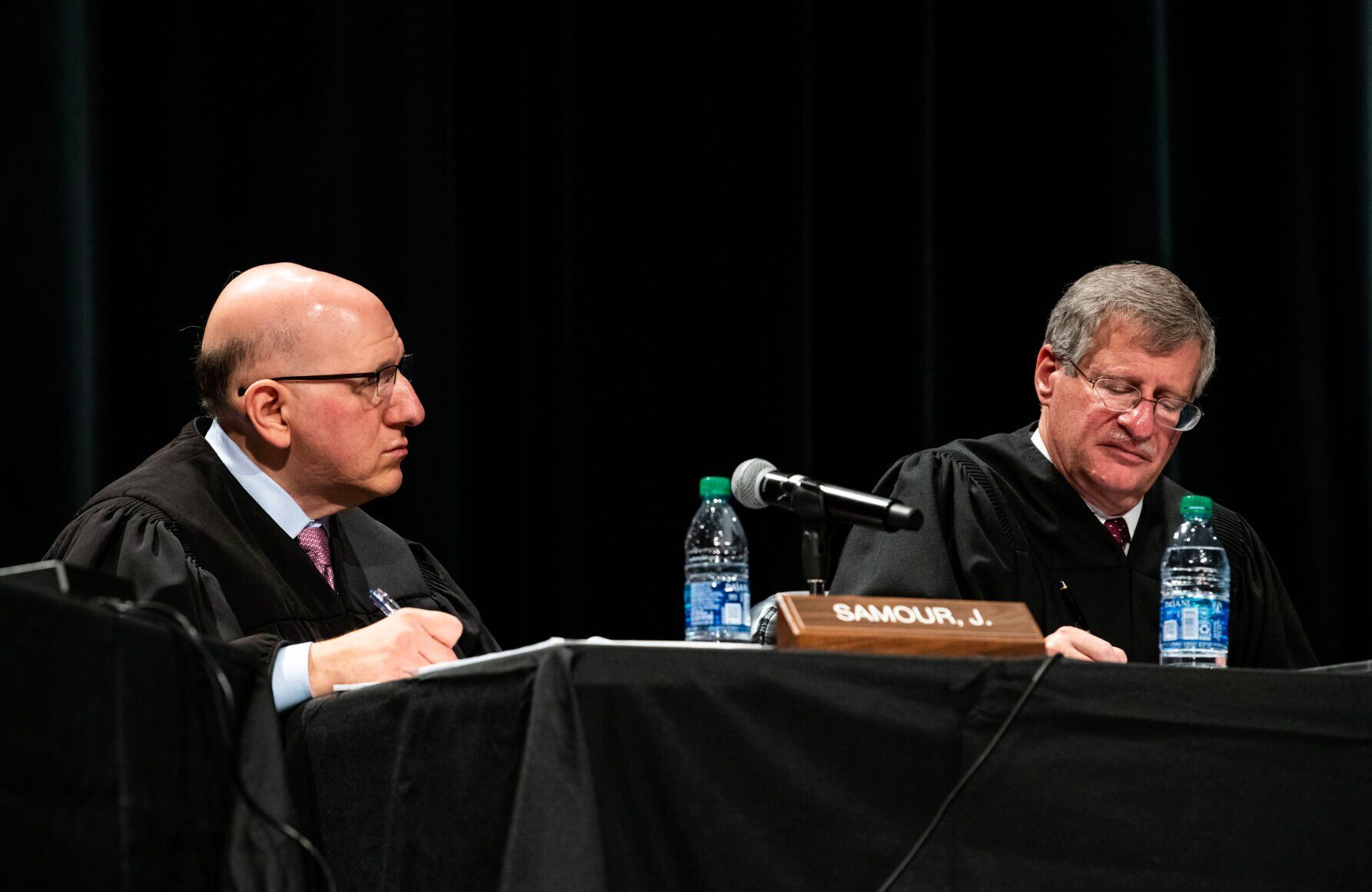
Justices consider where to draw line on experts testifying about child witnesses’ honesty
Members of the Colorado Supreme Court considered last week how far an expert witness can go in suggesting to a jury that another witness is being truthful, which is generally forbidden. Previously, the state’s Court of Appeals believed a defendant who “persistently” argues an adult influenced a child victim to lie has opened the door…
-

Appeals court finds Denver judge terminated man’s parental rights based on faulty reasoning
Colorado’s second-highest court on Thursday determined the evidence did not support a Denver judge’s ruling terminating the legal relationship between a father and his child. A three-judge Court of Appeals panel identified numerous instances where the facts contradicted the trial judge’s findings that the father lacked stable housing and was unable to be “a full-time…
-
Lakewood must release police body cam footage of teen’s fatal shooting, appeals court rules
Colorado’s second-highest court ruled last week that Lakewood is obligated to release body-worn camera footage of police fatally shooting a 17-year-old girl, notwithstanding her surviving family’s objections. A three-judge Court of Appeals panel interpreted a key transparency requirement in Colorado’s landmark police accountability law from 2020. Judge Timothy J. Schutz wrote that legislators crafted “a…
-
‘Deceivingly complicated’: Appeals judges talk to lawyers about postconviction cases
Members of Colorado’s second-highest court told lawyers and judges on Thursday what they are looking for when a convicted defendant argues they are entitled to relief for reasons beyond the typical array of trial-related errors. In contrast to direct appeals of criminal convictions, which usually allege errors before trial, at trial or at sentencing, defendants…