

No license, no inspection, no accountability — who is protecting women? | GUEST COLUMN
In early August, Massachusetts Gov. Maura Healey signed into law expansion of abortion from 24 weeks through the entire pregnancy. While many celebrated, Colorado serves as a staunch warning of the unintended consequences of unrestricted, unregulated abortion.
Whether pro-life or pro-choice, Coloradans agree women deserve high-quality, safe, compassionate care. Colorado voters mistakenly believed a constitutional right to abortion would protect women’s health and safety. Most Coloradans believe late abortions are safe and erroneously assume state abortion facilities are licensed and held to appropriate safety standards.
I know from my prior experience performing second-trimester abortions how risky these procedures are. In fact, late abortions — those in the second and third trimester — can be extremely dangerous for women and girls. Late abortion grows more dangerous every day a woman’s pregnancy progresses — the risk of dying increases exponentially 38% per week after eight weeks’ gestation. Second-trimester procedural abortions carry a 1 in 10 risk of significant complications. By 18 weeks, the risk of death is twice that of natural childbirth. Late abortion requires invasive surgeries to remove the developing baby, which can be life-threatening. Inherent risk is multiplied without oversight. Late abortion does not remove risks for women, it increases them.
In reality, Colorado abortion clinics aren’t held to the same medical standards as other medical facilities that perform procedures of equivalent or less risk. Late abortion facilities meet the state’s own definition of an ambulatory surgical center due to their need for post-procedure observation care, yet the Colorado Department of Public Health and Environment (CDPHE) has no authority to inspect, regulate or investigate harm at these facilities.
This regulatory gap is especially concerning for higher-risk procedures like late induction abortions, since even licensed birth centers prohibit labor induction, as well as preterm and instrument delivery due to elevated risks to the mother, yet no equivalent hospital-level oversight applies to abortion facilities performing these procedures.
Regulation is essential to ensure facilities operate safely, certify physicians are qualified, monitor complications and medical errors, monitor infection rates, inspect sterility policies and procedures, require preparation and equipment for emergencies, maintain safe equipment function, inspect anesthesia equipment, ensure clean facilities and have appropriate transfer protocols and agreements. Abortion facilities are not required to meet any of these criteria.
In Colorado, patients may view inspection records of healthcare facilities. However, there are no inspection records for abortion facilities. Facilities such as RISE Collective in Boulder don’t inform women of their provider’s name until they present for their abortion. Electronics are not allowed in the facility; thus, patients are unable to research their provider’s qualifications and malpractice history. This is not safe, patient-centered health care.
Recent tragedies — including the preventable death of an 18-year-old woman at a Fort Collins abortion facility last year, and the slew of 13 documented ambulances that have rushed to that same clinic since January 2025 — suggest these facilities and their services are not as “safe” as many believe.
According to a national study, ambulance transfers from ambulatory surgical centers occur in only 1.1 per thousand surgeries. The 13 hospital transfers at the Fort Collins facility should be a red flag to investigate, but no Colorado regulatory body has authority to do so.
Shockingly, the Colorado legislature has twice defeated bills that sought to implement commonsense safeguards for women at abortion facilities. In 2025, despite testimony regarding the young woman’s death, legislators voted against protecting women seeking late abortion.
The lack of regulations and oversight means Colorado women must go in “blind.” There is no way for them to know what standards of care to expect, or whether they can trust local abortion providers to prioritize their health and safety. A little more than a year-and-a-half ago, the New York Times reported stories of plummeting standards of care at a New York abortion clinic, including botched abortions, understaffed and dirty clinics and limited resources. New York does regulate abortion facilities — how much more are women at risk in Colorado facilities with NO regulation or inspection?
Colorado women and girls deserve basic licensing standards, mandatory reporting of complications and transparent data collection. These are not attacks to “impede” abortion access — they are the same baseline protections we require of all other similar healthcare in the state.
The message is loud and clear: Colorado legislators care more about abortion access than the health and safety of women. That is not empowerment. It is abandonment, dressed up as “choice.”
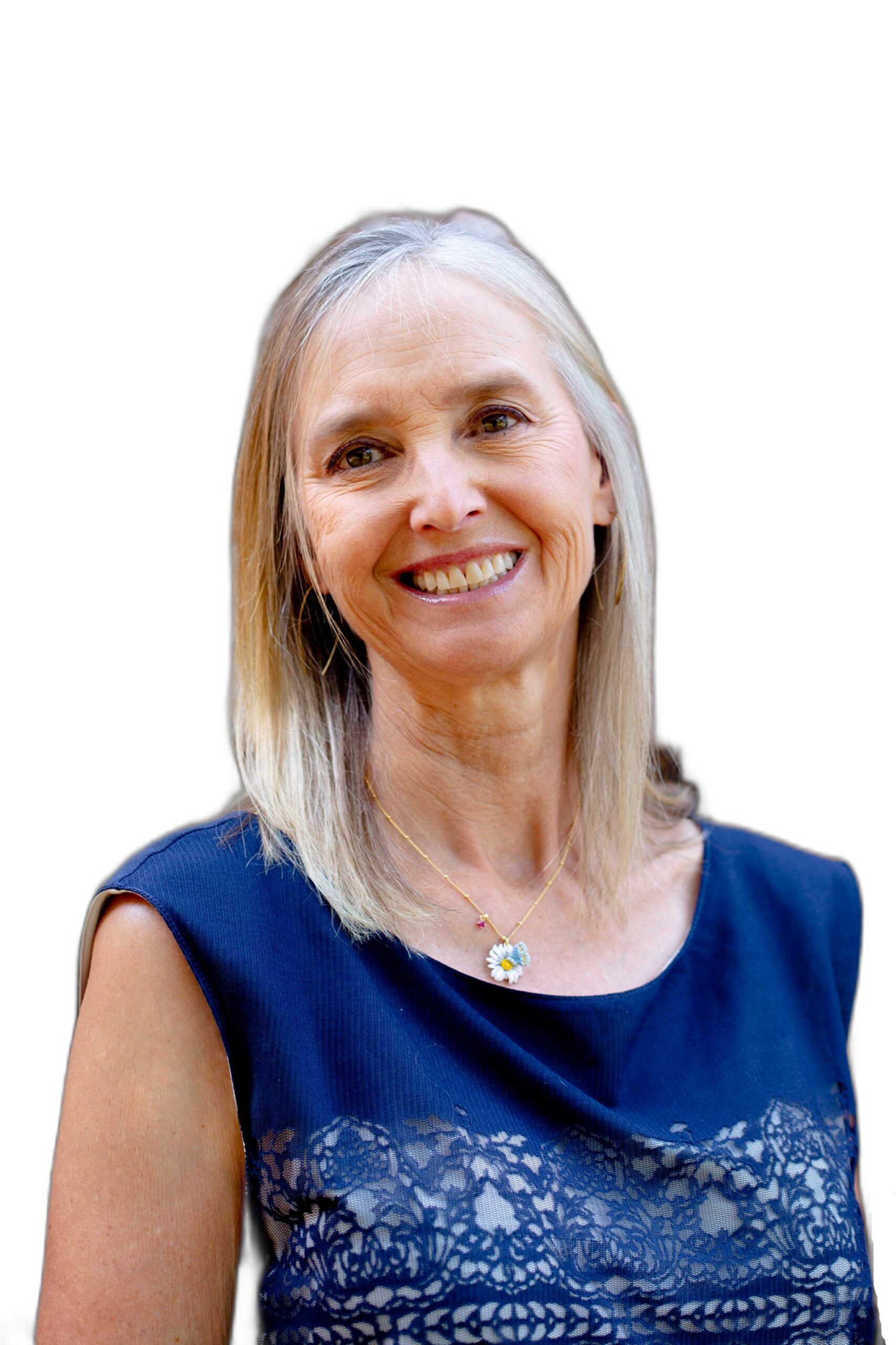
Dr. Catherine Wheeler is an OB/GYN physician who earlier in her career performed second-trimester abortions. She currently serves on the executive team of the Colorado chapter of the American Association of Pro-Life Obstetricians and Gynecologists (AAPLOG), on the Board of AAPLOG and on the Board of Prolife Colorado.

President Trump puts Colorado farmers and ranchers first | GUEST COLUMN
Colorado Politics
colorado-politics@coloradopolitics.com
Updated 2 hours ago
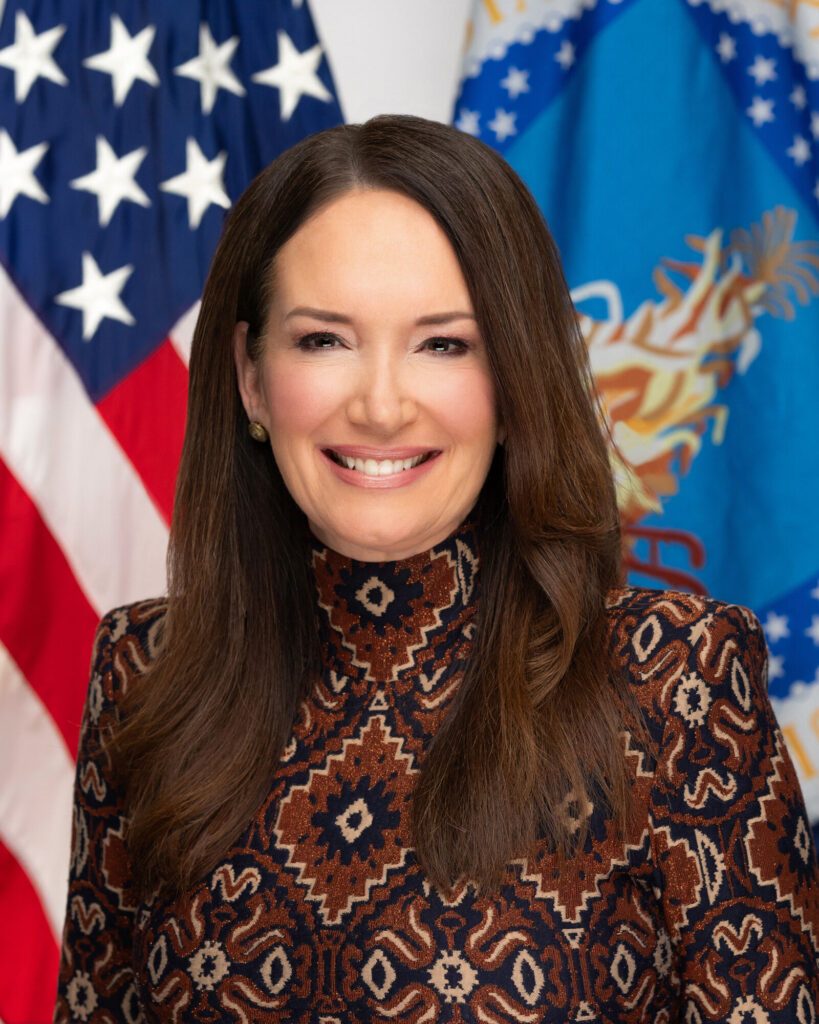
By Brooke L. Rollins Ever since Colorado was admitted to the union 150 years ago this month, farmers and ranchers across the state have kept our nation’s food supply secure and our freedom alive. From cattle ranchers on the eastern plains to specialty crop producers on the Western Slope, Colorado is home to more than 36,000...
Bipartisan Colorado leaders press FEMA for disaster declaration amid widespread wildfire damage
Marissa Ventrelli
marissa.ventrelli@coloradopolitics.com
Updated 11 hours ago
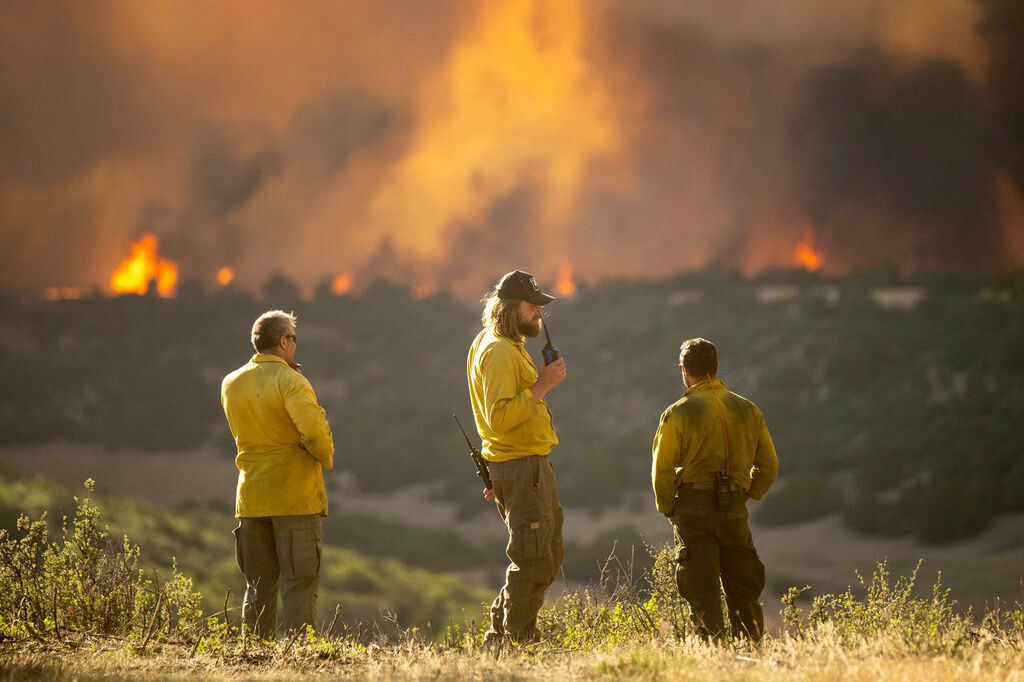
Colorado leaders are renewing their push for federal disaster assistance after the Aspen Acres and Gold Mountain fires burned more than 140,000 acres across three counties in June and July. The state has submitted 173 letters from elected officials and...
Fentanyl sentencing, tax overhauls and transgender‑related issues anchor Colorado’s 14 ballot measures
Marissa Ventrelli
marissa.ventrelli@coloradopolitics.com
Updated 11 hours ago
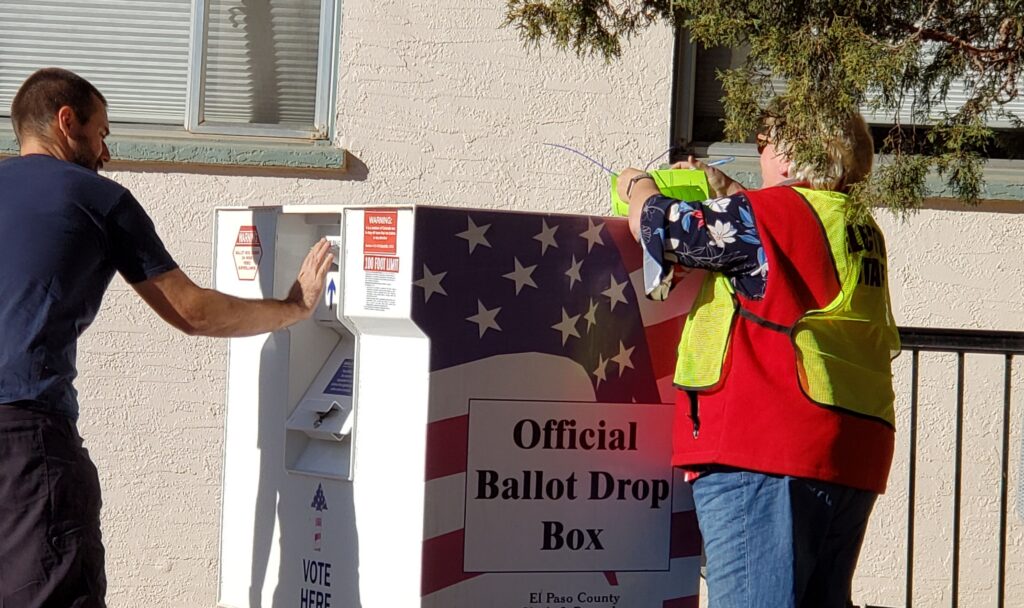
Fourteen statewide ballot measures await Colorado voters this November, offering a mix of criminal justice crackdowns, tax overhauls, and constitutional tweaks that ensure no one will accuse the ballot of being boring this year. Colorado’s 14 statewide ballot measures match...
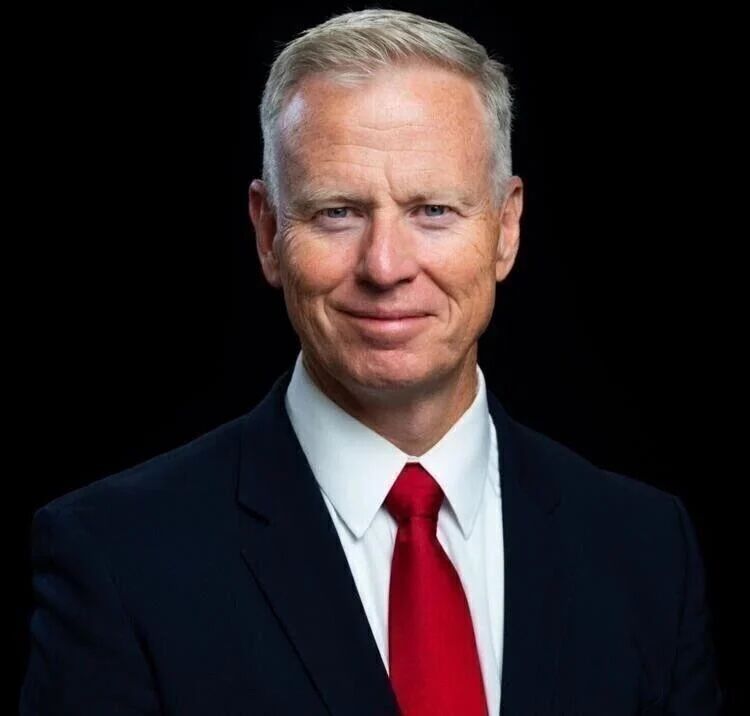
Gong-Show Griswold’s latest data dump a disaster | George Brauchler
George Brauchler
george-brauchler@gazette.com
Updated 1 day ago
Last week, Colorado Secretary of State Jena Griswold’s office discovered they exposed for weeks the addresses of more than 130,000 “confidential voters” — including victims of sexual assault, domestic violence — and her political opponent in the attorney general’s race,...
Colorado’s education paradigm déja-vu | Paula Noonan
Paula Noonan
paula-noonan@coloradopolitics.com
Updated 1 day ago
Déja-vu for 10 years. In 2015-2016, state standardized testing was fully integrated into teacher performance evaluation. The tests comprised 50% of teacher “performance.” The idea was to follow the General Electric “rank-and-yank” human resources model. At GE, the model went...
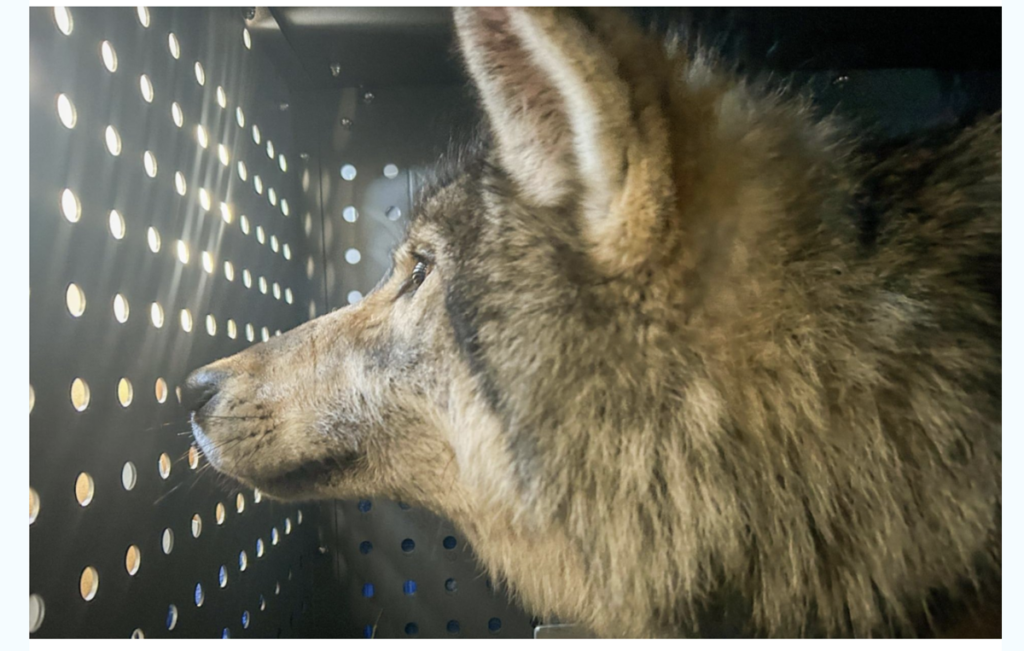
Wildlife commissioner pushes for tougher penalties after hunter accidentally kills Colorado wolf
Marianne Goodland
marianne.goodland@coloradopolitics.com
Updated 1 day ago
Colorado wildlife officials on Wednesday revisited the agency’s handling of violations involving protected species, prompting renewed debate over whether current penalties are sufficient. Colorado Parks and Wildlife Commissioner Rebecca Niemiec on Wednesday urged the agency to impose stronger penalties —...

Colorado’s Parks and Wildlife chair’s decision to limit public comments sparks backlash from fellow commissioners
Marianne Goodland
marianne.goodland@coloradopolitics.com
Updated 1 day ago
Last week, the chairman of Colorado’s wildlife commission unilaterally decided to limit public comments, complaining, in particular, that elected officials often “grandstand” at meetings and noting that the election season is well underway. This week, the commission overturned its chair’s...

Colorado enacts new penalties for violent crimes and updates race categories on state forms
Marissa Ventrelli
marissa.ventrelli@coloradopolitics.com
Updated 1 day ago
A trio of new laws, two regarding increased penalties for violent crimes and one establishing new requirements for government-issued forms, go into effect on Sept. 1. Here’s a breakdown of what they do. The bill: Senate Bill 25-050 What it...
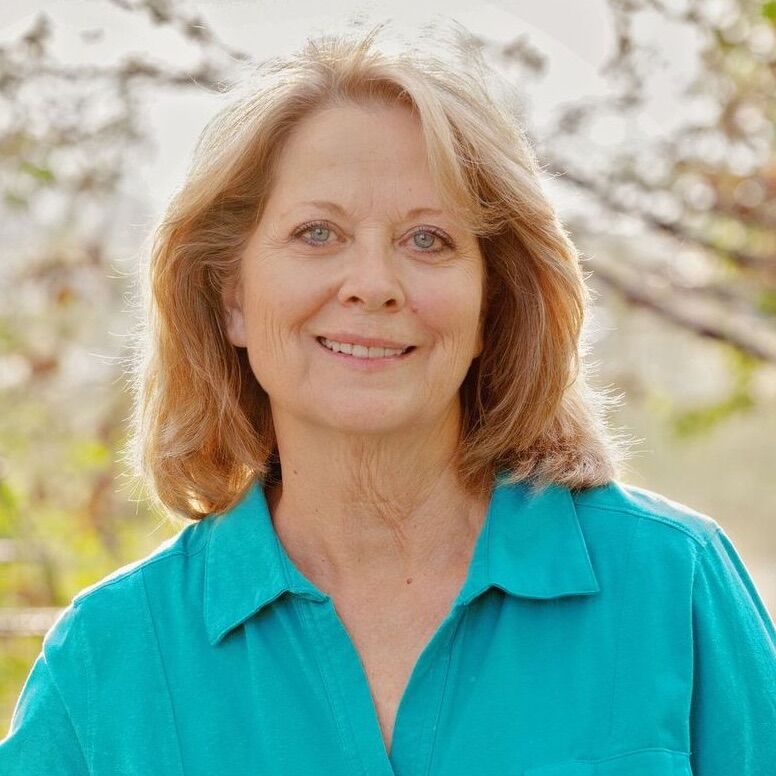
Don’t trade away our TABOR refunds | PODIUM
Barb Kirkmeyer
barb-kirkmeyer@gazette.com
Updated 2 days ago
Here we go again — tax-and-spend politicians going in the wrong direction. Colorado families are being asked to believe a familiar lie: the only way to fund education is to let politicians keep more of your money — forever. Proposition...
House adopts Republican U.S. Rep. Jeff Crank’s resolution condemning socialism, mostly along party lines
Ernest Luning
ernest.luning@coloradopolitics.com
Updated 2 days ago
The U.S. House on Tuesday approved a resolution sponsored by U.S. Rep. Jeff Crank to condemn socialism in a largely party-line vote that the Colorado Republican characterized as a chance for lawmakers to “stand firm” against an ideology making inroads...
PREV
PREVIOUS
Bipartisan Colorado leaders press FEMA for disaster declaration amid widespread wildfire damage
Colorado leaders are renewing their push for federal disaster assistance after the Aspen Acres and Gold Mountain fires burned more than 140,000 acres across three counties in June and July. The state has submitted 173 letters from elected officials and community leaders in support of its request for a Major Disaster Declaration. The letters detail […]

President Trump puts Colorado farmers and ranchers first | GUEST COLUMN
By Brooke L. Rollins Ever since Colorado was admitted to the union 150 years ago this month, farmers and ranchers across the state have kept our nation’s food supply secure and our freedom alive. From cattle ranchers on the eastern plains to specialty crop producers on the Western Slope, Colorado is home to more than 36,000 farms spread across more than 30 million acres. Last week, I saw the tremendous effect of agriculture in the Centennial State firsthand as, along with U.S. […]