

U.S. Supreme Court clears way for Trump mail voting order in advance of midterms
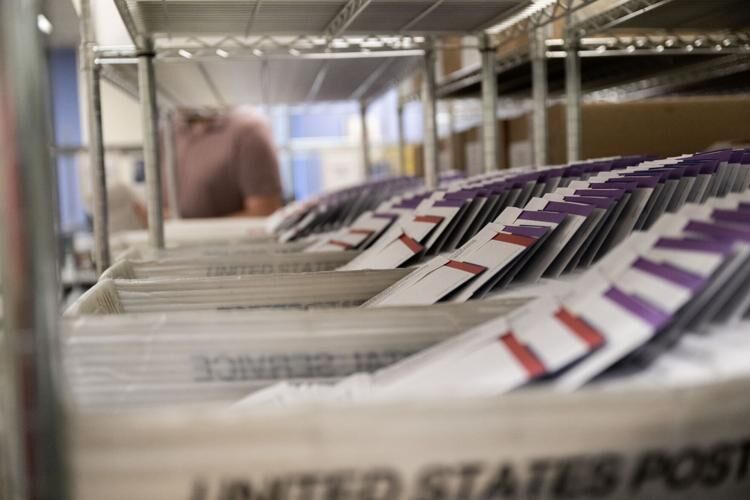
WASHINGTON • The U.S. Supreme Court on Monday cleared the way for President Donald Trump to move ahead with an executive order that seeks to restrict the mailing of ballots to American citizens in an eligible voters list.
The executive order mandates the U.S. Department of Homeland Security to create those lists — to be given to states — and it bars the U.S. Postal Service from mailing ballots to people who are not on the lists of “enrolled” voters.
The decision appears to leave room for additional court challenges that could slow Trump’s order.
The U.S. Postal Service laid out how it would implement the order last week, but time is running short to impose major changes with some states beginning to send mail ballots to voters in just a few weeks.
Trump and his allies have argued that mail balloting breeds fraud, while supporters of the system, including officials in Colorado, have insisted that they are secure.
Secretary of State Jena Griswold has described Colorado’s mail-in ballot system as the “gold standard.”
After the Supreme Court ruling Monday, Griswold said she is disappointed, arguing the justices failed to stop the White House from “(exerting) federal control over state-run elections.”
“Make no mistake: when the federal government attempts to implement this unlawful Executive Order, Colorado and other states across the country will fight back. This is not the end of this fight,” she said. “Americans will have their voices heard in the 2026 midterm election.”
U.S. Rep. Lauren Boebert, a Republican who represents the 4th Congressional District, lauded the ruling.
“Where there’s a will there’s a way!” she said on X. “President Trump keeps delivering wins for the American people!”
Colorado’s mail-in voting system has encountered numerous problems, though the ballots affected were small and officials maintained the anomalies did not affect the outcome of elections.
• In 2019, Mesa County’s election office found some 500 ballots in a drop box — those ballots were never counted.
• In 2022, a commissioner race was omitted from the ballot for the Democratic primary in Pueblo County, compelling a reprint of about 70,000 ballots. Even after the reprint, some 1,600 ballots were sent still without the commissioner race. That same election year, a little over a dozen voters got ballots with the wrong state House race.
• Also in 2022, Denver’s election office uncovered that 60 voters got ballots for another precinct.
• In 2024, a dozen mail ballots were intercepted in Mesa County, filled out and turned in.
• Also in 2024, election officials in Denver and Adams counties investigated what they described as potential voter fraud after identifying “ballot irregularities” and mismatched signatures. The suspicious ballots came from the same daycare address.
The case decided by the Supreme Court on Monday could be one of multiple voting-related challenges before the justices. The Justice Department had filed an emergency appeal asking the high court to allow work on implementing the changes before the midterms.
Trump’s executive order, signed in March, calls on his administration to create lists of eligible voters and orders the U.S. Postal Service to deliver mail ballots only to people on those lists.
Democratic officials in 23 states and the District of Columbia sued to block the order. They argued that the U.S. Constitution gives states and Congress the power to run elections, and Trump’s changes could lead to chaos and partisan abuse.
“The consequences of allowing such transformative changes to take effect so close to this fall’s elections would be extreme,” attorneys for the states wrote.
Dozens of state and local election officials weighed in, asking the justices to leave the order frozen while election preparations are already underway.
A judge in Massachusetts blocked the plan for the midterm elections in those states. An appeals court upheld her decision. She later granted a second order blocking it nationwide.
The Trump administration appealed to the Supreme Court on procedural grounds in late July, arguing that the states sued too soon. They also pointed to another ruling out of Washington, where a judge allowed Trump’s order to proceed. An appeals court backed that decision, while still leaving room for future court action if the changes are implemented.
Federal attorneys argued that the Massachusetts order “blocks the government’s ability to finalize and implement the President’s proposed policies to promote election integrity for the upcoming federal elections in November.”
A dozen Republican-leaning states supported the federal government in their own appeal before the high court, saying states would have input on the final voter lists.
The Supreme Court has previously ruled against Trump-backed arguments on mail-in ballots, finding in June that states can count ballots that arrive after Election Day. That case was decided after full briefing and arguments, rather than on the court’s emergency docket.
Trump has repeatedly pressed for the passage of legislation that requires proof of citizenship to vote. Noncitizen voting is a felony that can be punishable by deportation.
Critics of the president have insisted that noncitizen voting is rare.
There had been recent cases of noncitizens being registered to vote or voting. In New Jersey, about 6,600 noncitizens were registered, the result of a software glitch in that state’s automatic voter registration system. New Jersey Gov. Mikie Sherrill said about 400 of those noncitizens had cast ballots.
Using mail ballots has become increasingly popular with voters of both parties, with about 30% of all ballots cast that way during the 2024 presidential election, according to federal data.
The Associated Press and Colorado Politics contributed to this article.


Federal judge hears arguments about Colorado’s 3-day gun purchase waiting period
Michael Karlik
michael.karlik@coloradopolitics.com
Updated 2 minutes ago
A federal judge heard arguments on Monday about the constitutionality of a 2023 Colorado law that generally imposes a three-day waiting period on firearm purchases after the initiation of a background check. The test that the U.S. Supreme Court created...
Colorado Supreme Court intervenes in Weld County prosecution dismissed due to Missy Woods misconduct
Michael Karlik
michael.karlik@coloradopolitics.com
Updated 4 hours ago
The Colorado Supreme Court ordered a Weld County trial judge last week to respond to the district attorney’s claim that he improperly dismissed a criminal case because of “outrageous” conduct by the Colorado Bureau of Investigation. Daniel Lee Eatinger stood...

Trump opens ‘economic D-Day’ offensive against Iran as war nears six-month mark
Christian Datoc
christian-datoc@coloradopolitics.com
Updated 8 hours ago
President Donald Trump is seeking to increase the financial pressure on Iran with new secondary sanctions on nations and foreign actors propping up the regime’s economy as the war between the United States and Tehran nears the six-month mark. Treasury...

Trump announces 50% tariffs on Canadian cars, auto parts, and steel
Naomi Lim
naomi-lim@coloradopolitics.com
Updated 9 hours ago
President Donald Trump escalated the trade war with Canada after talks collapsed last week, announcing Monday that the United States would impose 50% tariffs on cars, trucks, automotive components, and steel starting Jan. 1, 2027. “Canada has been ripping off...
Iran puts out propaganda video tracking Barron Trump’s location, offering $10 million for his assassination
Timothy Nerozzi
timothy-nerozzi@coloradopolitics.com
Updated 10 hours ago
The Islamic Revolutionary Guard Corps is putting a hit out on President Donald Trump’s son, Barron Trump, with an inflammatory video claiming to track his location. State-run television in Iran is broadcasting a propaganda video claiming to show the locations...
Nevada sues Trump administration over Colorado River cuts
Marianne Goodland
marianne.goodland@coloradopolitics.com
Updated 2 hours ago
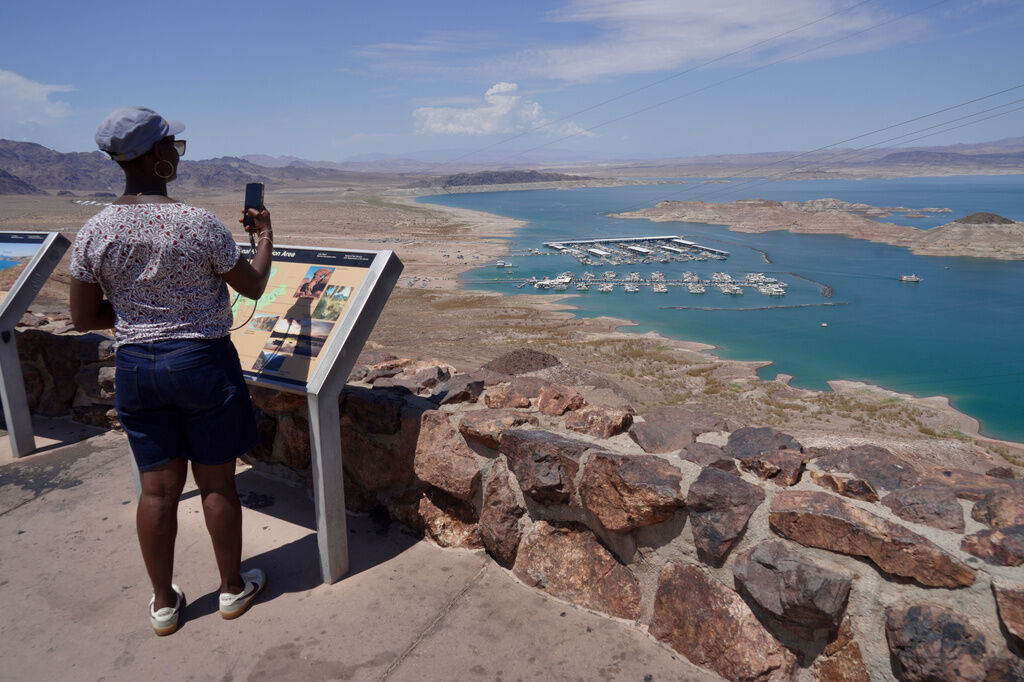
On Monday, the state of Nevada filed a lawsuit against the Trump administration and Interior Secretary Doug Burgum, seeking to block the Colorado River management plan. On Friday, Burgum released a “record of decision” that would reduce water allocations to...

Healthcare Freefall: Longer drives, fewer options for maternity care in Colorado
Thelma Grimes
thelma.grimes@coloradopolitics.com
Updated 12 hours ago
Editor’s Note: Colorado’s healthcare system is entering a period of accelerating instability — a “tsunami,” as multiple leaders describe it — driven by collapsing hospital finances, shrinking Medicaid reimbursements, disappearing services and a political fight over who is responsible for...
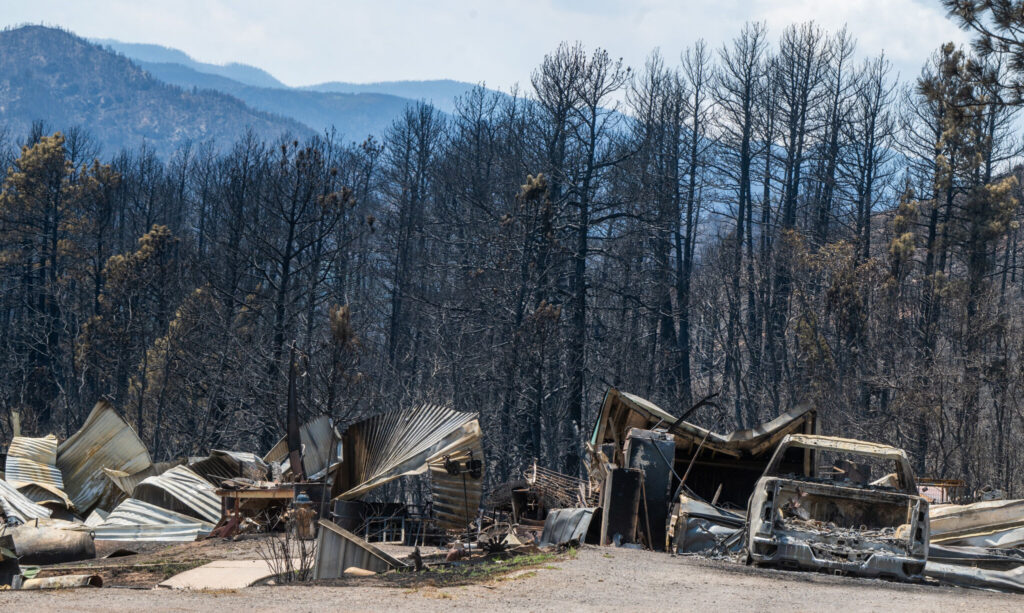
Polis requests federal disaster declaration for Colorado wildfires and floods
9News
9news@coloradopolitics.com
Updated 6 hours ago
On Sunday, Gov. Jared Polis officially requested a Major Disaster Declaration from President Donald Trump and the Federal Emergency Management Agency to support recovery from two wildfires and the subsequent flooding and debris flows on both burn scars. Polis requested a declaration...
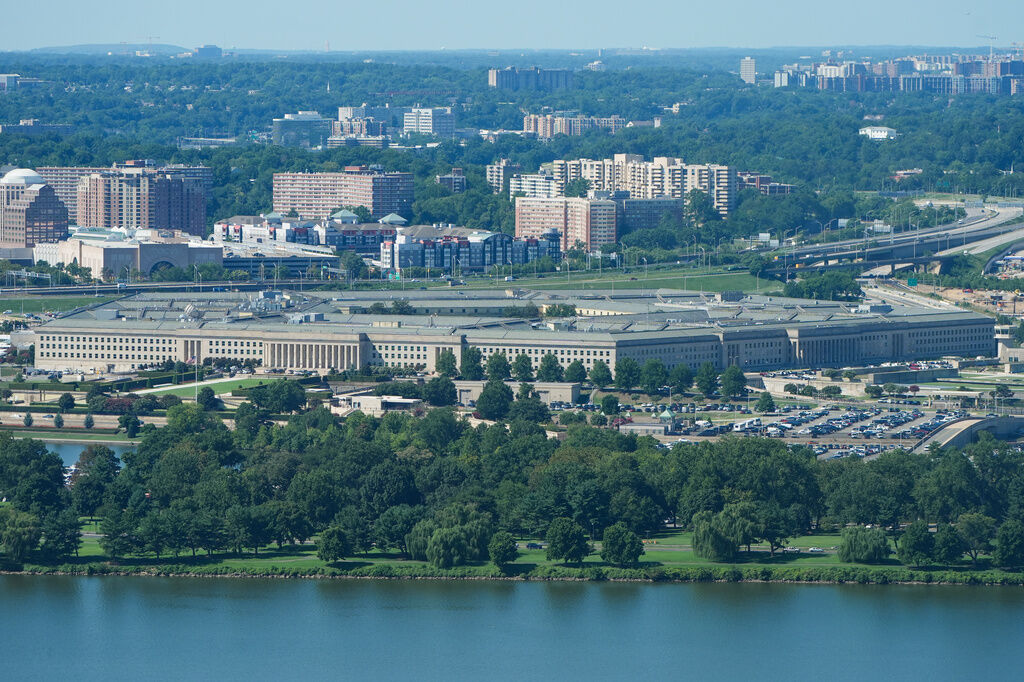
US strikes another boat in eastern Pacific, killing two, Pentagon says
The Associated Press
the-associated-press@coloradopolitics.com
Updated 13 hours ago
U.S. forces have struck another vessel in the eastern Pacific, killing two people the Pentagon says were trafficking drugs. The U.S. Southern Command announced the strike in a social media post early Monday. The death toll from the Trump administration’s...
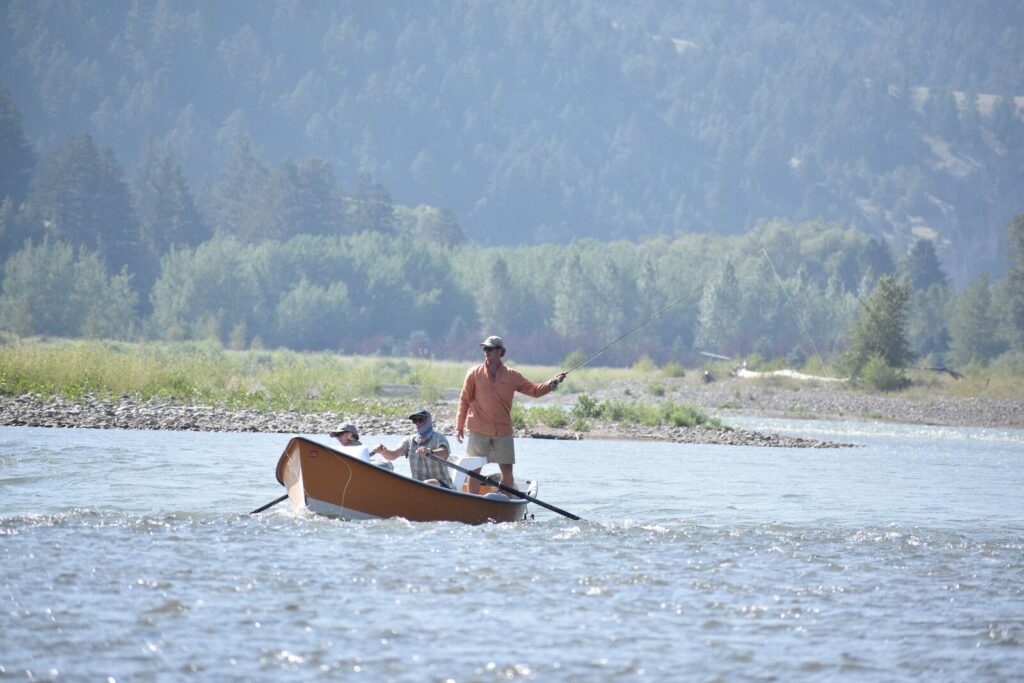
Fishing closures are becoming routine as record heat warms rivers in the US West | OUT WEST ROUNDUP
Ernest Luning
ernest.luning@coloradopolitics.com
Updated 3 days ago
MONTANA Fishing restricted as rivers warm LIVINGSTON — Trout need cool water to survive, but record heat this summer has driven water temperatures to lethal levels for fish. Wildlife officials are banning fishing during certain hours on rivers and streams...
PREV
PREVIOUS

Colorado Supreme Court intervenes in Weld County prosecution dismissed due to Missy Woods misconduct
The Colorado Supreme Court ordered a Weld County trial judge last week to respond to the district attorney’s claim that he improperly dismissed a criminal case because of “outrageous” conduct by the Colorado Bureau of Investigation. Daniel Lee Eatinger stood accused of sexual assault on a child dating to July 2018. Prosecutors sought Eatinger’s arrest […]

Federal judge hears arguments about Colorado's 3-day gun purchase waiting period
A federal judge heard arguments on Monday about the constitutionality of a 2023 Colorado law that generally imposes a three-day waiting period on firearm purchases after the initiation of a background check. The test that the U.S. Supreme Court created in 2022 for assessing firearm regulations’ compliance with the Second Amendment occurs in two phases. […]