Fishing closures are becoming routine as record heat warms rivers in the US West | OUT WEST ROUNDUP
MONTANA
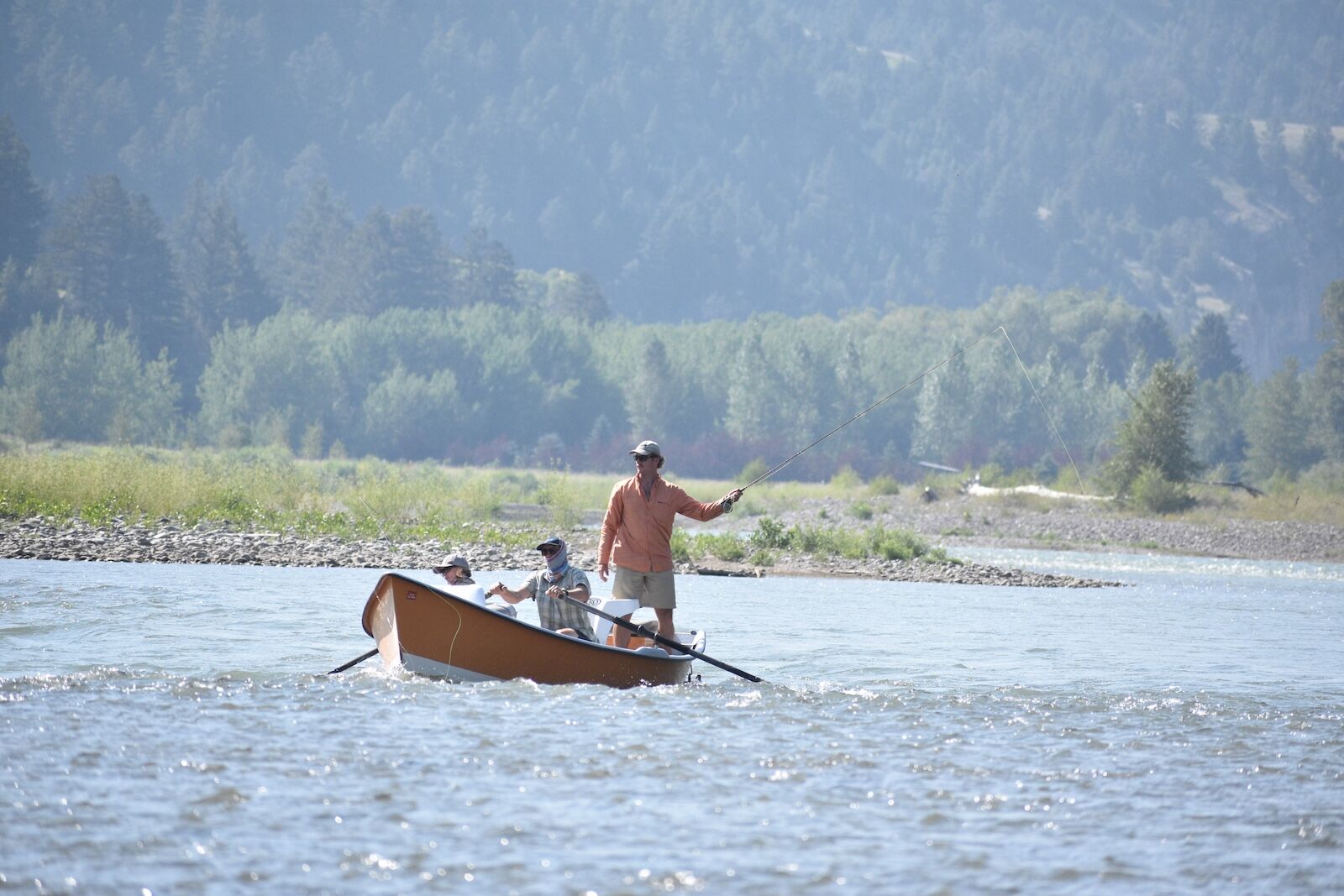
Fishing restricted as rivers warm
LIVINGSTON — Trout need cool water to survive, but record heat this summer has driven water temperatures to lethal levels for fish.
Wildlife officials are banning fishing during certain hours on rivers and streams across the U.S. West, following an exceptionally dry winter and amid widespread drought. Lower water levels mean rivers can heat more rapidly.
The restrictions aim to reduce stress on species including highly-prized trout. Anglers travel from around the world to find the fish in Yellowstone National Park or Western Montana’s Blackfoot River, featured in the movie “A River Runs Through It.”
Many trout anglers let their catch swim free after netting it. But temperature-stressed rainbow or cutthroat trout can die if they’re out of water even briefly for a commemorative photo, experts say.
Colorado has imposed restrictions this summer on 19 rivers totaling 635.5 miles, a situation state officials say is unprecedented.
Yellowstone on July 29 expanded afternoon fishing restrictions to the whole park.
On the same day, wildlife officials in neighboring Montana broadened afternoon fishing restrictions to now cover 1,200 miles of rivers.
Warm water contains less oxygen, making it harder for fish to breathe. It also slows their growth.
Full reservoirs usually help buoy water levels during dry summers and low-water years, said Kirk Deeter with the conservation group Trout Unlimited. But many of those reservoirs are at near-record lows.
Automatic species protection cancelled
BILLINGS — The U.S. Interior Department on July 17 canceled a rule meant to protect plants and animals that are determined to be threatened with extinction, the latest step by President Donald Trump’s administration to dismantle key provisions of the landmark Endangered Species Act at the behest of industry.
Instead of receiving automatic protections, imperiled species will need individualized protection plans once they are added to the threatened species list. That’s a potentially lengthy process in which companies could seek exemptions for oil and gas drilling, mining and other development where those species live.
Opponents said it would make it harder to save wildlife that’s awaiting federal protections and in danger of disappearing, such as monarch butterflies and alligator snapping turtles.
Interior Secretary Doug Burgum said in a statement that the Endangered Species Act had been used for too long “to stop almost any new project in America, driving up costs for families, weakening our competitiveness, and undermining our national security.”
A second change finalized on July 17 requires officials to analyze economic impacts when deciding whether habitat is critical to a species’ survival. Critics say it gives corporations an opportunity to put their thumb on the scale so that officials will allow development in those areas.
There have been no species added to the endangered or threatened lists in Trump’s second term. By comparison, more than 20 species were added in Trump’s first term, and about 60 during Biden’s presidency.
About 30 species are currently proposed to be listed as threatened. Besides monarchs and alligator snapping turtles, they include California spotted owls and various snakes, fish, clams and insects.
UTAH
Prediction market curbs OK’d
SALT LAKE CITY — Utah can enforce its strict anti-gambling laws on prediction markets such as Kalshi and Polymarket, a federal judge ruled in a win for states seeking to rein in the popular betting platforms.
Utah has been on the front lines of a battle between states and the federal government over who regulates the markets and whether they should be considered finance or gambling. The legal landscape is fragmented, with state and federal courts blocking restrictions in several states and allowing them in others.
Kalshi sued Utah in February, asking a federal judge to prevent the state from enforcing its gambling restrictions on the platform. The lawsuit came as Utah was on the verge of enacting legislation intended to undercut prediction markets from doing business in the state.
State law now bans proposition betting in sports — wagers on certain events happening in a game, rather than the game’s outcome — which is a significant source of revenue for the leading prediction markets.
U.S. District Judge Robert Shelby rejected Kalshi’s request to block the Utah restrictions on Aug. 4, saying the federal law that Kalshi cited in its argument does not prevent the state from enforcing its laws.
For now, Utah residents can still place bets on the platforms. The state’s attorney general, Derek Brown, said he will enforce state laws on Kalshi, but he was still exploring options.
Kalshi said in a statement that it disagrees with the ruling and plans to appeal.
The company maintains that prediction markets fall exclusively under federal jurisdiction and are not governed by a patchwork of state gambling laws. The Commodity Futures Trading Commission, the federal agency responsible for regulating financial markets, agrees and has defended prediction markets in court.
ARIZONA
Dust storms blanket Phoenix
Dust storms that blanketed the Phoenix area in thick haze in the first week of August were among the most intense to hit the region in years, scientists said on Aug. 6.
The storms — called haboobs — occur throughout the U.S. Southwest when strong downdrafts from thunderstorms stir up loose dust and dirt that get blown along in front of the approaching storm cell.
They can produce massive walls of dust and debris that blind drivers and make people sick.
The latest storm rolled in during the early morning hours Aug. 6, three days after the other one struck. There were no reports of any significant impacts, though both storms reduced visibility to half a mile.
“Luckily, they both happened when it was later at night, so there was less traffic on the roads,” said National Weather Service meteorologist Matt Salerno in Phoenix.
Both storms were extreme, Category 5 events on a scale of dust storm severity, with huge concentrations of dust and wind speeds of about 50 mph, according to researchers at Arizona State University, which helped develop the scale.
The scale — unveiled this year — was developed using data going back to 2010.
They were only the fifth and sixth dust storms in the last 16 years to reach Category 5, said Randall Cerveny, a professor in the School of Geographical Sciences and Urban Planning at Arizona State.

Colorado measure redirects sales tax revenue from sporting goods, equipment to conservation programs
The Denver Gazette
the-denver-gazette@coloradopolitics.com
Updated 16 hours ago
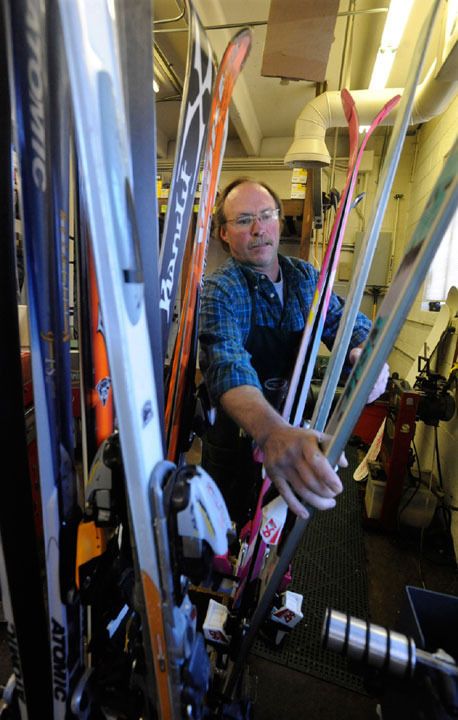
A proposal to redirect sales tax revenues from sporting goods and equipment toward wildfire and conservation programs will appear on the ballot this November, election officials in Colorado confirmed. The measure, if approved by voters, would reduce the amount available...
Firefighters’ deaths prompt debate over 100% suppression wildfire strategy
Rachael Wright, Special to Colorado Politics
rachael.wright@coloradopolitics.com
Updated 13 hours ago
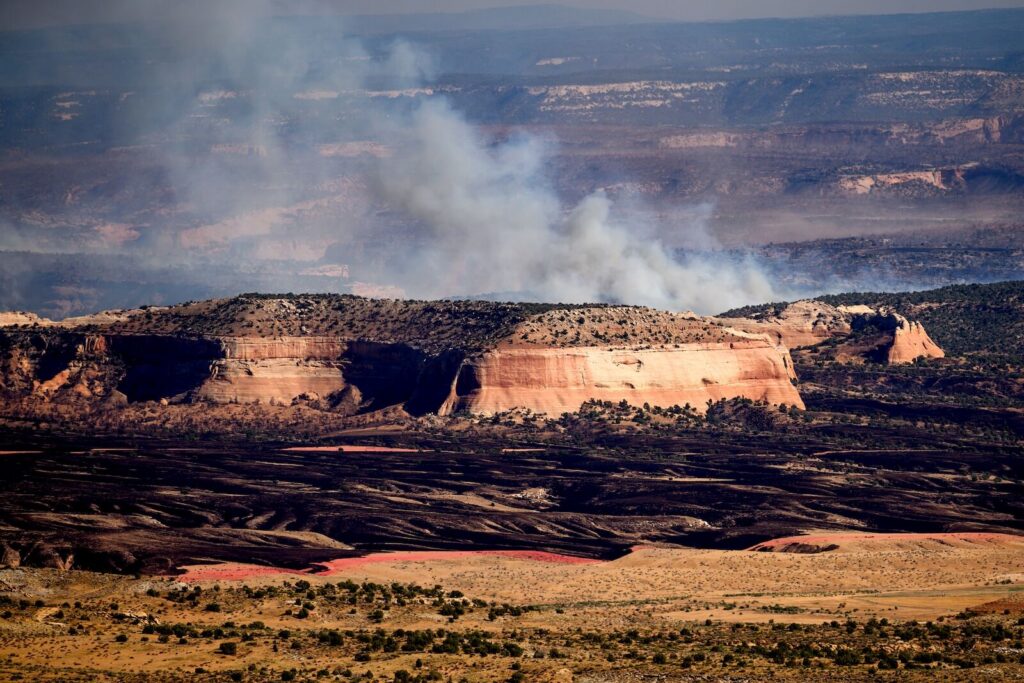
On July 22, 2026, the chief of the U.S. Forest Service testified before a House Agriculture subcommittee that his agency pursues a “full suppression” strategy to contain all fires while they are still small, rather than allowing them to burn...

A summertime all-you-can-eat political buffet | SONDERMANN
Eric Sondermann
eric-sondermann@coloradopolitics.com
Updated 5 days ago
We find ourselves in the doldrums of August with a complete dearth of political news. Yeah, right. These days, that train never stops moving. It is a 24/7/365 express amplified by 24/7/365 media. Let me respond with one of my...

GOP worker pleads guilty to campaign funds embezzlement scheme | A LOOK BACK
Rachael Wright, Special to Colorado Politics
rachael.wright@coloradopolitics.com
Updated 5 days ago
Forty-five Years ago this week: After pleading not guilty to a Denver federal grand jury indictment of five counts of bank embezzlement, Eve Lynn Lincoln, a Colorado Republican Party employee, decided to plead guilty to one count: using bank credit...
Schoolchildren’s presence at child sex-related trial did not harm Arapahoe County defendant, appeals court says
Michael Karlik
michael.karlik@coloradopolitics.com
Updated 2 days ago
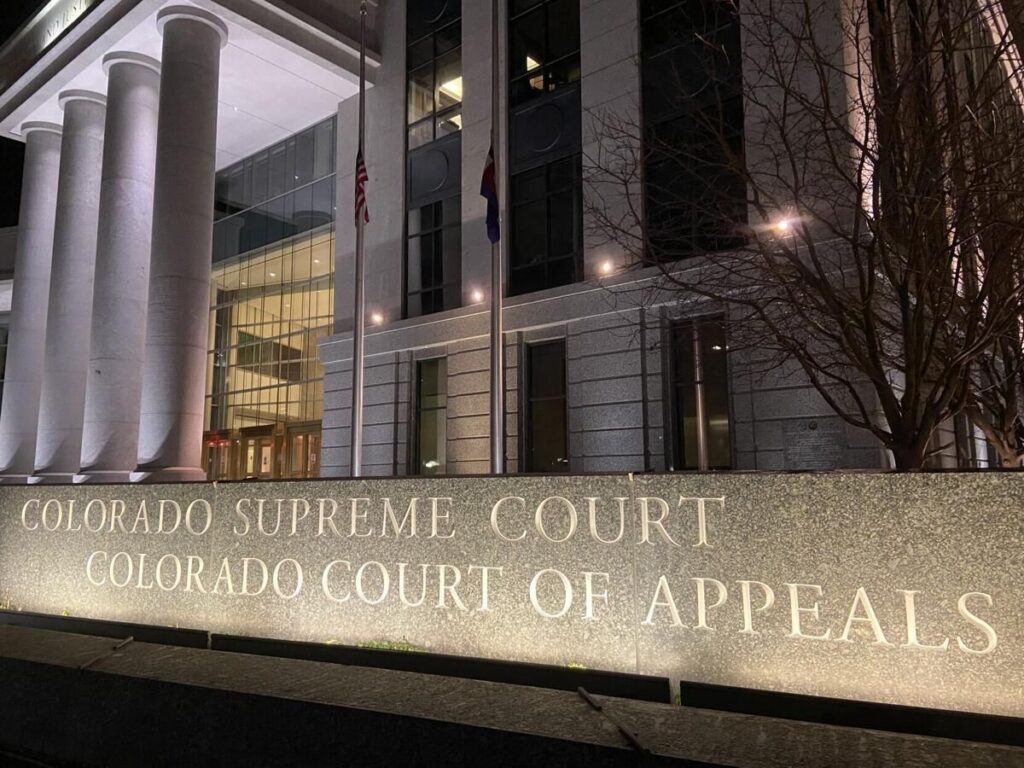
Colorado’s second-highest court decided on Thursday that the presence of a group of schoolchildren on the first day of a child sexual exploitation trial did not violate an Arapahoe County defendant’s constitutional right to a fair trial. Prosecutors charged Jerry...
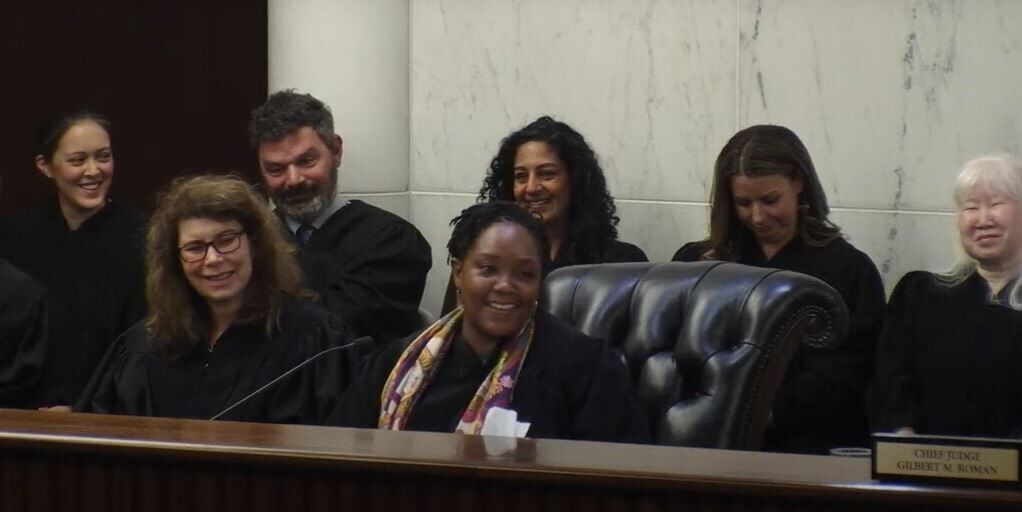
Appeals court cites week-old Colorado law to reinstate child neglect case at child, father’s request
Michael Karlik
michael.karlik@coloradopolitics.com
Updated 1 day ago
Colorado’s second-highest court invoked a new state law for the first time on Thursday and reinstated a child neglect case that both the child and her father wished to reopen. House Bill 1227 took effect on Aug. 12, reversing a...
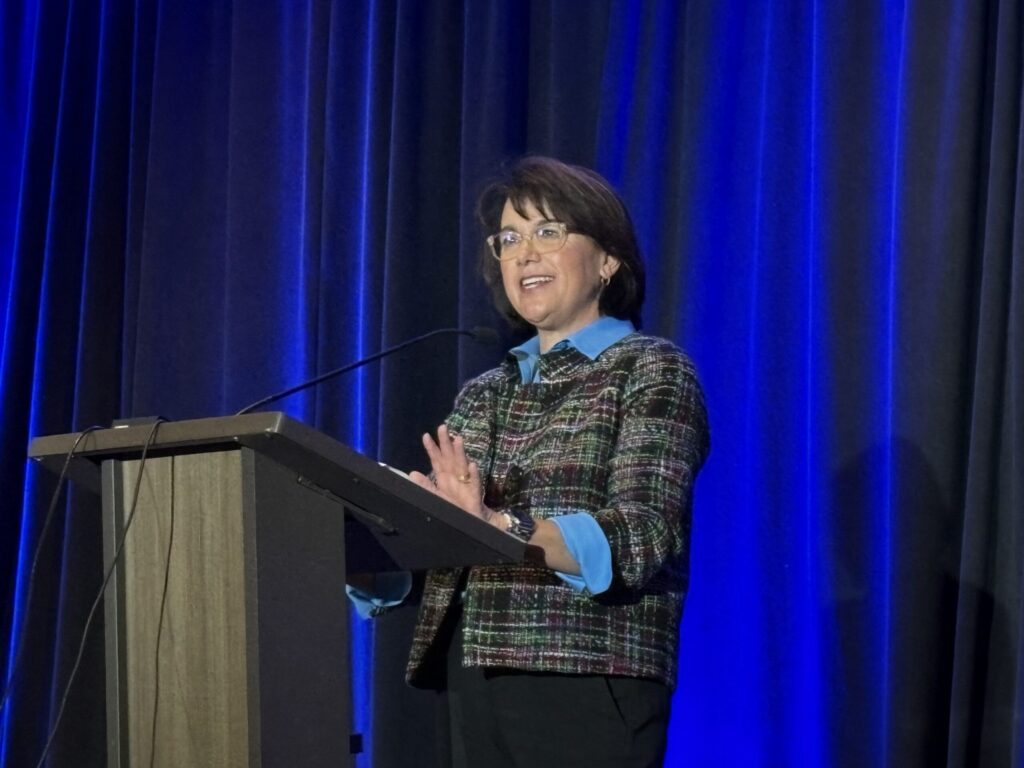
Democratic candidate in Colorado’s 4th CD urges long-term water planning
Marianne Goodland
marianne.goodland@coloradopolitics.com
Updated 1 day ago
The Democrat hoping to become the next representative of Colorado’s 4th Congressional District on Thursday made her case on the final day of Colorado Water Congress in Steamboat Springs. Eileen Laubacher, who spent 34 years in the U.S. Navy and...

Castle Rock council declines to censure member accused of misconduct
Nicholas Fogleman
nicholas.fogleman@denvergazette.com
Updated 3 days ago
A Castle Rock Town Council meeting Tuesday became consumed by allegations that a councilmember attempted to trade a town policy decision for the withdrawal of a recall effort against him. The allegations against Councilmember Mark Davis surfaced during public comment...

Proposal to cap Colorado income tax rate qualifies for November ballot
Thelma Grimes
thelma.grimes@coloradopolitics.com
Updated 20 hours ago
Election officials on Thursday confirmed that the proposal to cap the state’s income tax at the current rate submitted signatures and voters will consequently decide its fate this November. The fight over tax rates is part of the tug and...

Trump reaches deal to halt tariffs on beef for 90 days in bid to lower prices
Rena Rowe
rena.rowe@washingtonexaminer.com
Updated 3 days ago
President Donald Trump announced Friday that he had reached a deal to temporarily ease tariffs on beef imports, saying the move would help lower prices for families as the United States faces a severe cattle shortage and record-high beef prices....