Nevada sues Trump administration over Colorado River cuts
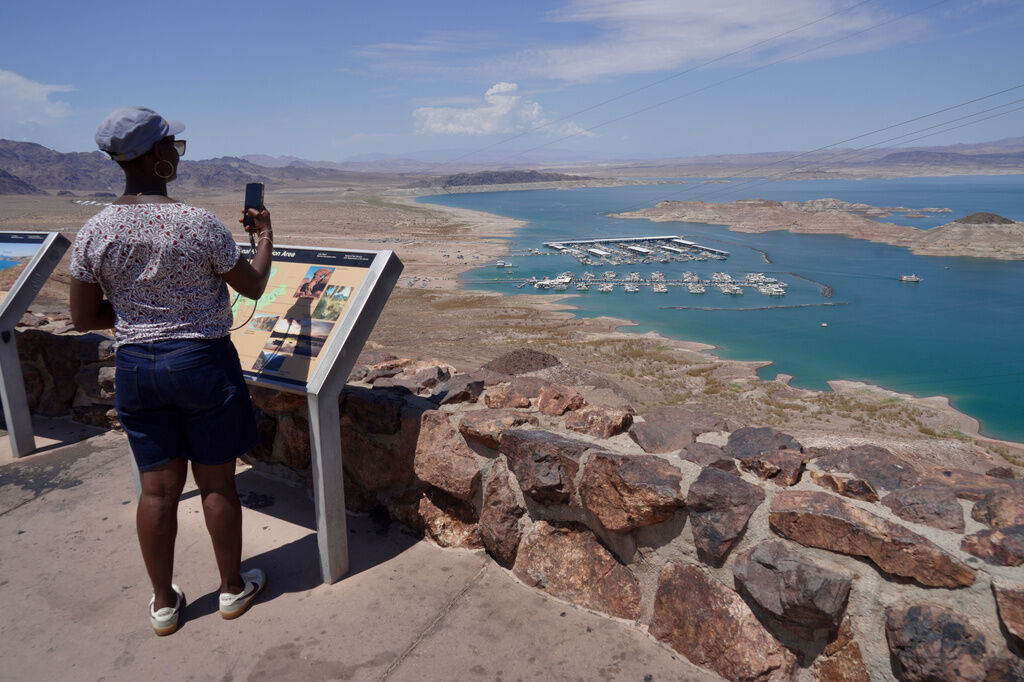
The state of Nevada on Monday filed a lawsuit against the Trump administration and Interior Secretary Doug Burgum, seeking to block the Colorado River management plan.
On Friday, Burgum released a “record of decision” that would reduce water allocations to California, Nevada and Arizona, the Lower Basin states of the Colorado River.
The record of decision, according to the lawsuit, would take away 71% of the 300,000 acre-feet of water Nevada currently receives annually from the Colorado River. That water almost entirely goes to the Las Vegas valley.
The Upper Basin states — Colorado, New Mexico, Utah and Wyoming — were spared cuts, but the Bureau of Reclamation, which controls Lake Mead and manages water deliveries in the Lower Basin, doesn’t have comparable authority to impose reductions on the Upper Basin.
The record of decision included a final environmental impact statement covering 2027-2028 operating guidelines for the river, along with a 10-year “decision framework” to be used to develop future operational guidelines for Lake Powell and Lake Mead.
The plaintiffs are the state of Nevada, the Colorado River Commission of Nevada and the Southern Nevada Water Authority. Their lawsuit argues that the Interior Department violated the Administrative Procedure Act, the National Environmental Policy Act and the “law of the river” established in the 1922 Colorado River Compact and subsequent agreements.
This story is developing and will be updated.


Democratic candidate in Colorado’s 4th CD urges long-term water planning
Marianne Goodland
marianne.goodland@coloradopolitics.com
Updated 2 days ago
The Democrat hoping to become the next representative of Colorado’s 4th Congressional District on Thursday made her case on the final day of Colorado Water Congress in Steamboat Springs. Eileen Laubacher, who spent 34 years in the U.S. Navy and...
Colorado voters will decide fate of ‘right to hunt’ proposal
Colorado Politics
colorado-politics@coloradopolitics.com
Updated 1 day ago
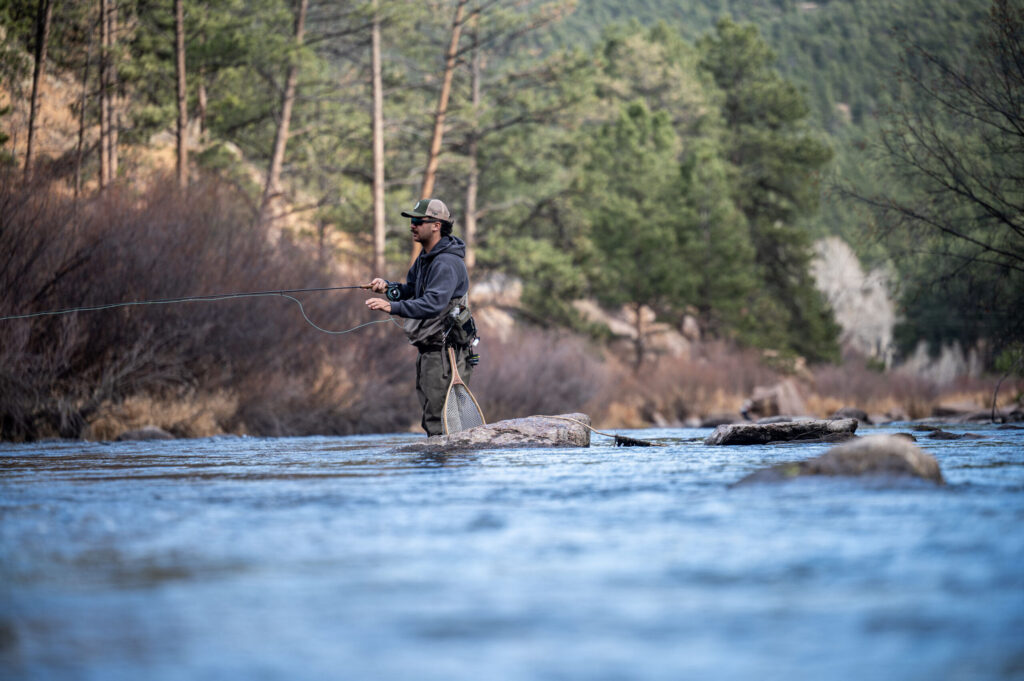
Colorado’s election office said Thursday that a proposal to add a constitutional right to hunting and fishing has qualified for the November ballot. Backed by the International Order of T. Roosevelt, a group dedicated to preserving the North American Model...

Democratic gubernatorial candidate Phil Weiser promises to appoint rural outreach director, water adviser
Marianne Goodland
marianne.goodland@coloradopolitics.com
Updated 3 days ago
Democratic gubernatorial candidate and current Attorney General Phil Weiser told the Colorado Water Congress Thursday he intends to appoint a rural outreach director and a water policy adviser should he win the election in November. Weiser’s speech at the Steamboat...

Attorney general candidates present priorities at Colorado Water Congress
Marianne Goodland
marianne.goodland@coloradopolitics.com
Updated 3 days ago
The two major-party candidates for attorney general — Republican Michael Allen, the district attorney for Teller and El Paso counties, and Democratic Secretary of State Jena Griswold — on Thursday outlined their priorities at the Colorado Water Congress. Griswold attended...
Palmer Lake declares water emergency
Savannah Eller
savannah-eller@coloradopolitics.com
Updated 3 hours ago
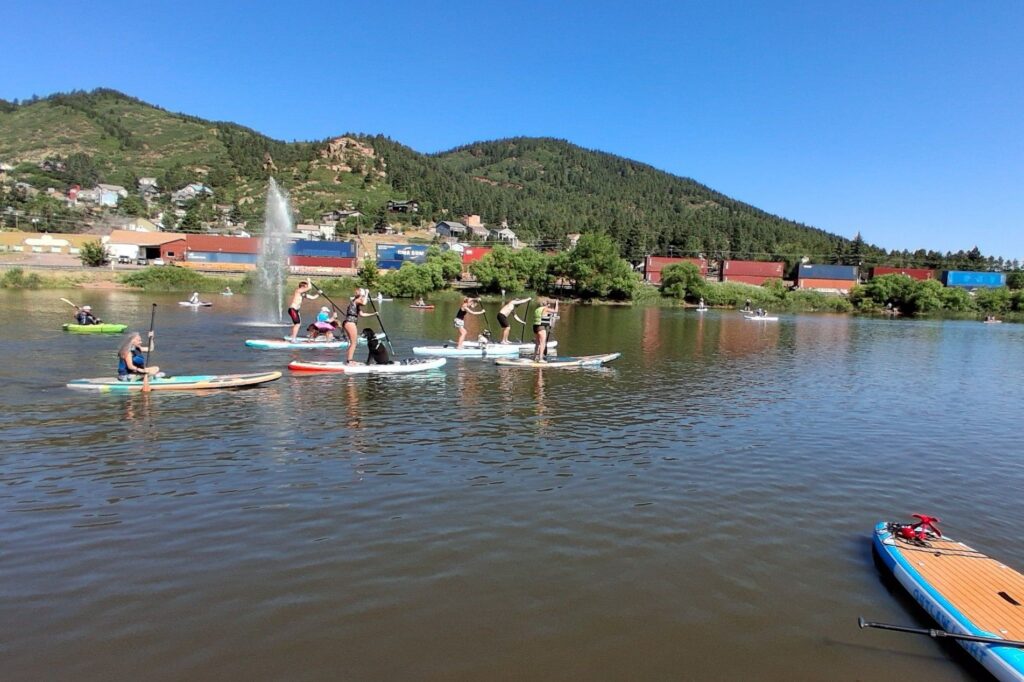
The town of Palmer Lake last week declared a Stage 1 Water Emergency, citing nonexistent flows in the town’s surface water source. In a memo, Palmer Lake Water Supervisor Charles Roubidoux said Monument Creek has been “completely dry” since June...

U.S. Rep. Lauren Boebert stresses storage, forest health and Upper Basin rights at Colorado Water Congress
Marianne Goodland
marianne.goodland@coloradopolitics.com
Updated 4 days ago
Republican U.S. Rep. Lauren Boebert used her brief Wednesday appearance at Colorado Water Congress to tout her record on delivering water projects for the state and her district. Boebert, who is running for her second term representing the 4th Congressional...
Colorado River crisis: Lake Mead, Lake Powell inch closer to ‘dead pool’
Marianne Goodland
marianne.goodland@coloradopolitics.com
Updated 7 days ago
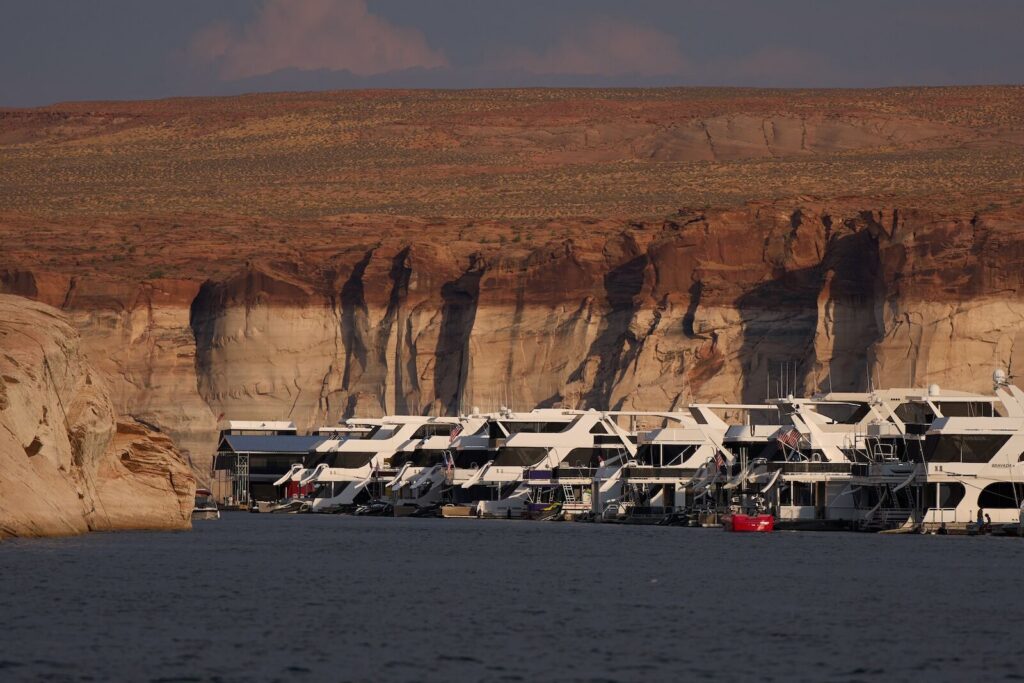
In the past 10 days, both Lake Mead on the Arizona-Nevada border and Lake Powell roughly 300 miles northeast on the Utah-Arizona line have recorded their lowest water levels since the reservoirs were first filled. Lake Mead, the nation’s largest...
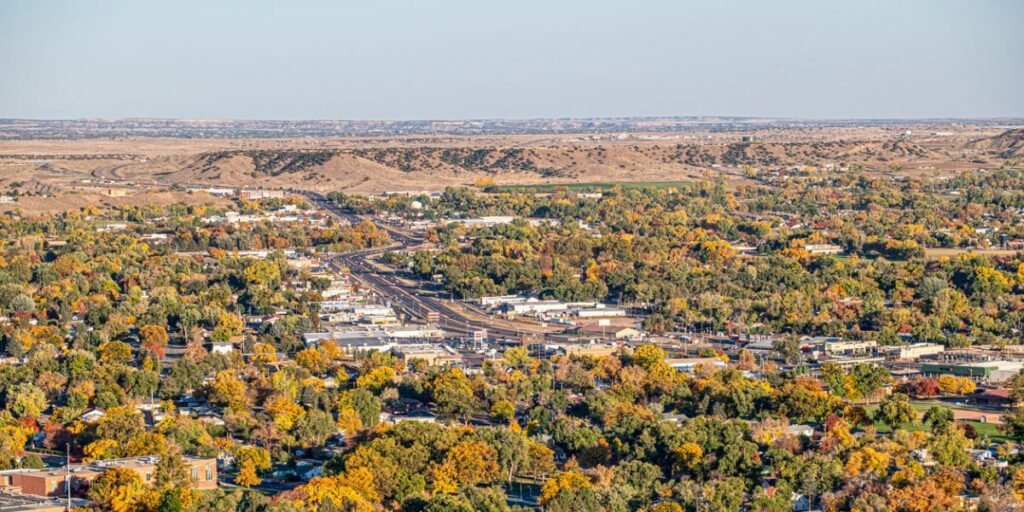
Something’s off about Cañon City’s water. Officials say it’s not a health risk.
Savannah Eller
savannah-eller@coloradopolitics.com
Updated 1 week ago
Geosmin. It’s that earthy smell just after a rainstorm, the dirt flavor in beet peels and, recently, the odor and taste in Cañon City’s municipal water. “The water’s changed recently,” resident Heather Wilkerson told the City Council this week. Residents...
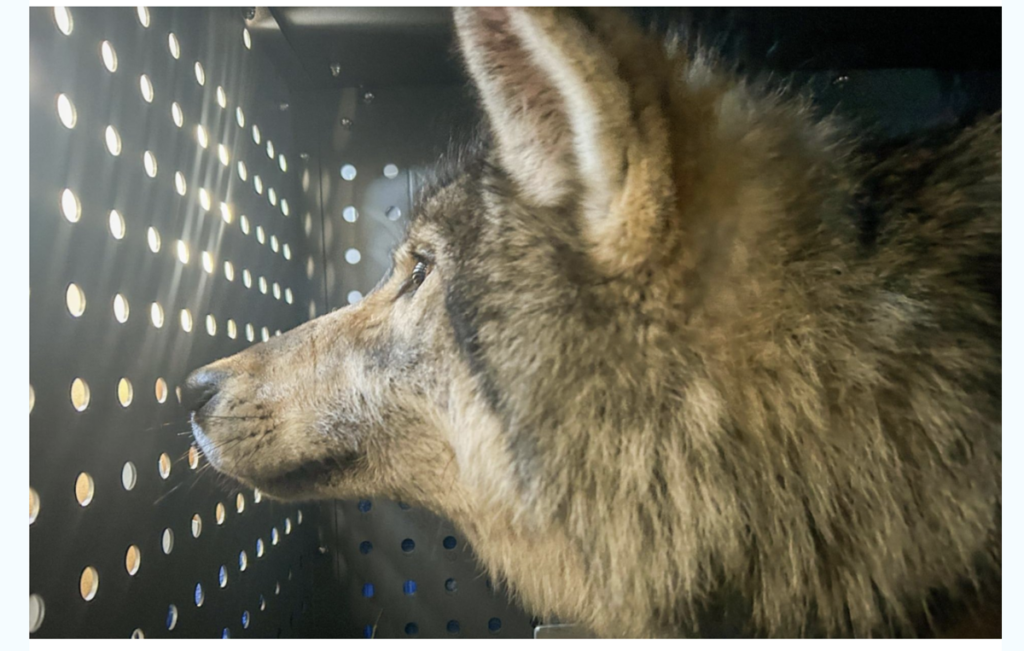
Hunter shot Colorado wolf after mistaking it for a coyote, wildlife office says
Marianne Goodland
marianne.goodland@coloradopolitics.com
Updated 2 weeks ago
Colorado Parks and Wildlife said Monday that a female wolf from British Columbia that died in January was shot by a hunter who mistook her for a coyote. The wolf, identified as 2504‑BC, was one of 17 wolves relocated since...
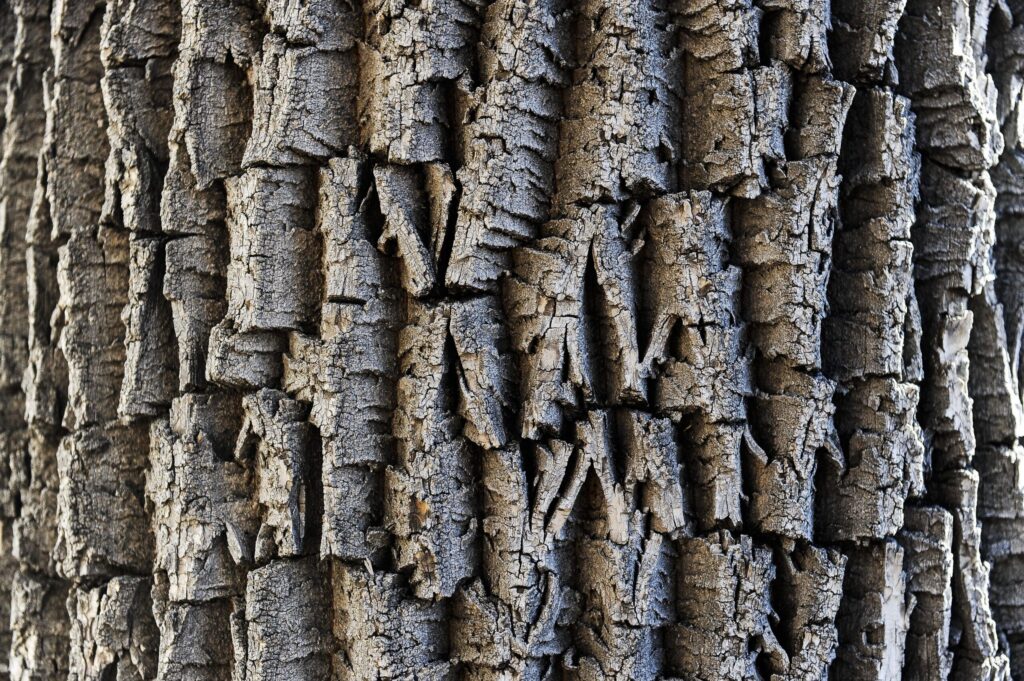
Emerald ash borer confirmed in Colorado Springs, ‘pest is here to stay’
Brennen Kauffman
brennen-kauffman@coloradopolitics.com
Updated 3 weeks ago
Colorado Springs is asking residents to be on the lookout for an invasive beetle species that has jumped down the Front Range and into local ash trees. City officials said Wednesday that a confirmed emerald ash borer infestation had been...