

US Supreme Court settles long-running water dispute over dwindling Rio Grande | OUT WEST ROUNDUP
NEW MEXICO
Rio Grande settlement OK’d
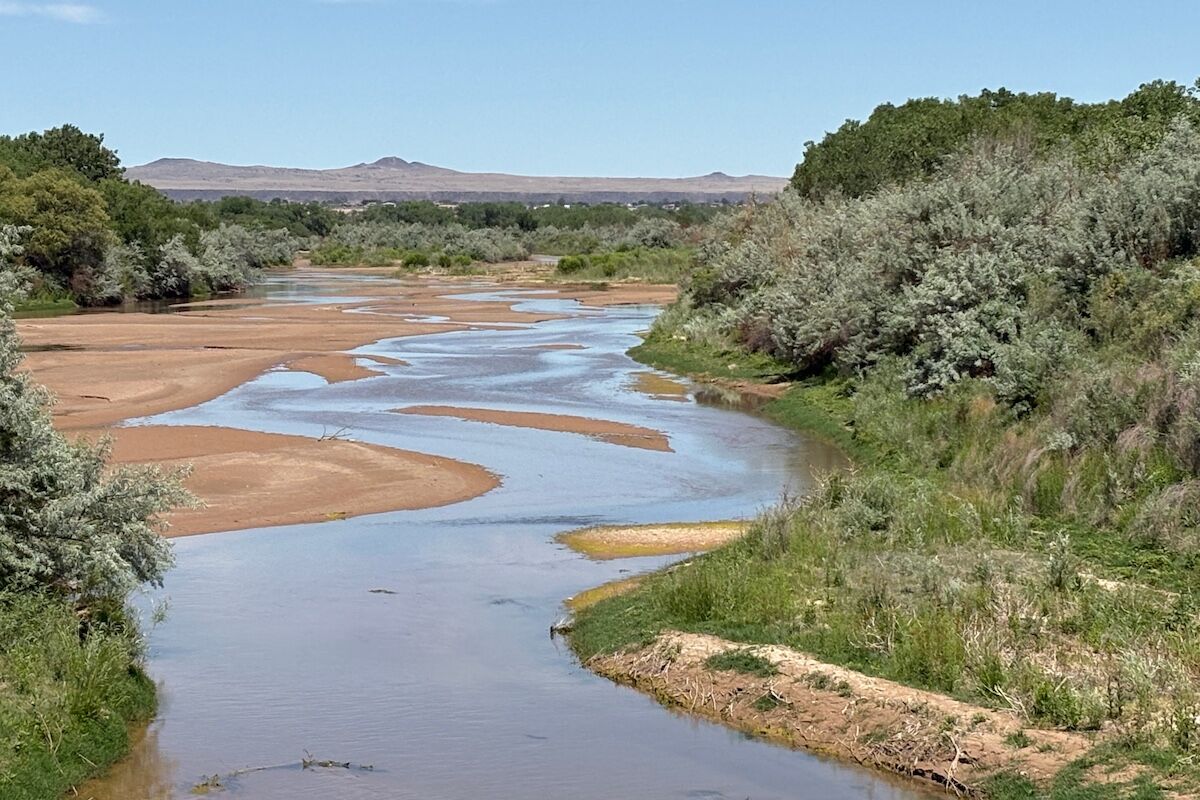
ALBUQUERQUE — The U.S. Supreme Court has approved a settlement package designed to rein in groundwater pumping along one of North America’s longest rivers and ensure enough water reliably makes it from New Mexico to Texas, ending a long-running dispute over management of the Rio Grande.
In a brief order on May 26, the court accepted the recommendation of a special master to move forward with agreements first proposed last year by New Mexico, Texas and Colorado.
The settlement calls for reducing groundwater pumping along the dwindling river and retiring water rights from irrigated farmland in southern New Mexico. The states held up the proposal as a promise to restore order to an elaborate system of storing and sharing water between two vast irrigation districts in southern New Mexico and western Texas.
Solutions will include everything from long-term fallowing programs and more efficient irrigation infrastructure to developing new sources of water, like tapping brackish supplies or importing water, and improving stormwater management so more runoff can be captured and stored.
Researchers have warned that unsustainable use of the Rio Grande — which originates in Colorado and stretches south into Mexico — threatens water security for millions of people who rely on the binational river basin.
While the Colorado River gets all the headlines, experts say the situation along the Rio Grande is just as dire. Stretches of the river as far north as Albuquerque are expected to go dry again this year, marking the third time in five years.
Under the settlement, New Mexico must reduce annual groundwater depletions by 18,200 acre-feet, or about 5.9 billion gallons within the next 10 years. The commitment includes completing half of that within the next five years.
Plane crash sparks wildfire
ALBUQUERQUE — A fast-growing wildfire sparked by the fatal crash of a small medical plane outside Ruidoso, New Mexico, triggered evacuations for a rural area north of the Capitan Mountains and closures in the Lincoln National Forest, officials said on May 18.
The plane was en route from Roswell Air Center to Sierra Blanca Regional Airport when it crashed before dawn on May 14, killing the four people aboard. They were identified as pilots Keelan Clark and Ali Kawsara with Generation Jets, and flight nurses Jamie Novick and Sarah Clark with Trans Aero MedEvac.
The Federal Aviation Administration and the National Transportation Safety Board were investigating the crash.
The wildfire grew rapidly over the weekend amid dry, windy conditions, nearly doubling in size from May 17 to the next morning to more than 19 square miles. It was burning out of control in a sparsely populated area despite the efforts of more than 600 firefighters from the U.S. Forest Service, the Bureau of Land Management and several interagency Hotshot crews.
Adam Turner, a public information officer for the fire, said steep, rugged terrain has made it impossible for crews to engage the fire directly.
SOUTH DAKOTA
Bald eagle stamps mark 250th
SIOUX FALLS — For America’s 250th birthday, the U.S. Postal Service is releasing special edition stamps featuring one of the nation’s icons: the bald eagle.
The stamps unveiled on May 14 at the National Eagle Center in Wabasha, Minnesota, showcase the bird across five major life stages, from a fuzzy hatchling to the iconic white-headed adult depicted on the country’s seal. They were available for immediate purchase nationwide.
“The fact that we’re seeing the eagles in all different stages of its life, it’s sort of making us look back at the stages of the life of our country,” said Steve Kochersperger, a historian at the Postal Service. “At one time, we were just fuzzy little hatchlings, too.”
The bald eagle has been a national emblem since Congress adopted the Great Seal in 1782, though it wasn’t designated the national bird until 2024.
Some believe Benjamin Franklin wanted the wild turkey to be the national bird because the eagle steals food from other birds, but Kochersperger said that’s a myth.
There’s another reason why it makes a strong American symbol: the bald eagle is a major conservation success story. In the 1960s, eagles became a rare sight in the U.S. due to poisoning from the pesticide DDT.
But that decline was reversed, thanks to a 1972 DDT ban and the bald eagles’ listing as an endangered species in 1978.
In 2007, the bald eagle was removed from the endangered list, and there are now more than 300,000 eagles in the continental United States, according to the U.S. Fish and Wildlife Service.
UTAH
Owl freed from concrete mixer
An adolescent owl that was found stuck in a concrete mixer in southwestern Utah is finally on the mend, flying free and maybe a bit wiser from the ordeal.
The great horned owl somehow made his way into the truck-mounted mixer in late October and was discovered by workers pouring concrete at a resort construction site. Lucky for him, a series of people gave a hoot about his predicament.
Workers hosed the bird down before it was wrapped in a towel. It took days for employees at the Best Friends Animal Sanctuary in Kanab to pick the concrete from the bird’s face, chest and right wing, using forceps to carefully crack the dried debris and cleaning the feathers with toothbrushes and dish soap.
The owl started its long recovery at an aviary run by the organization, and employees anxiously waited for it to grow new feathers. But the bird didn’t molt as predicted. In early May, he underwent a procedure called imping, which uses adhesive to graft donor feathers onto existing shafts.
To prepare for the procedure, sanctuary staff examined the owl’s feather patterns every few weeks and snipped damaged shafts in advance. The owl was anesthetized and the donor feathers from a similarly sized owl that had died were laid out nearby to replicate each wing. The staff then cut the feathers to the necessary length, lined them up and adhered them to the bird.
The bird was placed in a large aviary to recover from the anesthesia and quickly took flight after awakening. After determining its flight was quiet enough for it to safely be released, the owl hovered for a moment while the aviary roof was retracted, gained speed and then flew out into the wild.


Arapahoe County judge’s frustration with defense lawyer not grounds for new trial
Michael Karlik
michael.karlik@coloradopolitics.com
Updated 50 minutes ago
Colorado’s second-highest court decided last week that an Arapahoe County judge’s repeated rebukes of a defense attorney and orders to “be quiet” did not rise to the level of bias or a violation of the defendant’s due process rights. A...
Divided appeals court upholds vehicle theft conviction despite unclear origin of car’s value
Michael Karlik
michael.karlik@coloradopolitics.com
Updated 2 hours ago
Colorado’s second-highest court upheld a defendant’s conviction for aggravated motor vehicle theft last week, even though it was unclear how the Thorton Police Department estimated the value of the stolen car. Officer Marc Faivre encountered Ashley Shelee Gibbens-Martinez in a...
Disgraced ex CBI analyst Missy Woods sentenced to prison in DNA scandal
Jenny Deam
jenny.deam@gazette.com
Updated 56 minutes ago
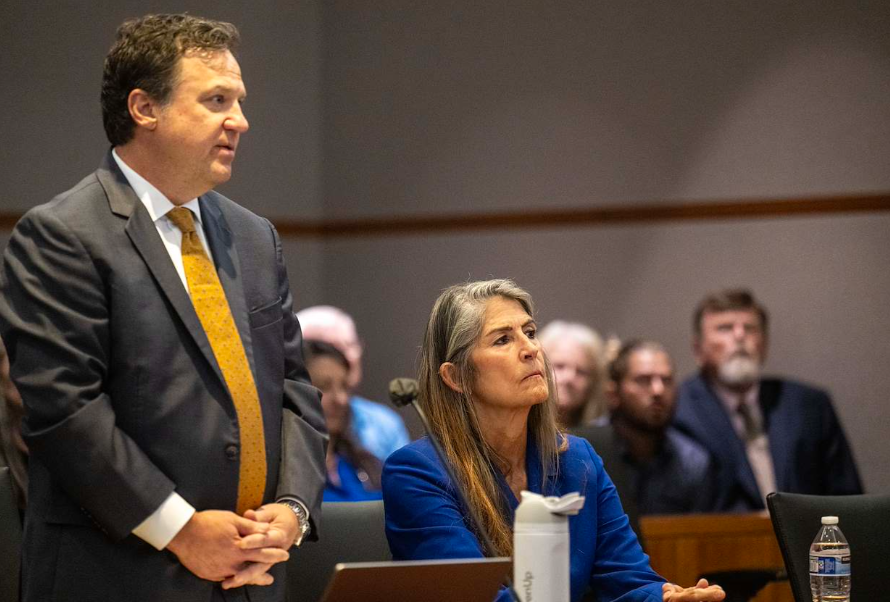
A Jefferson County district court judge on Tuesday sentenced a disgraced former Colorado Bureau of Investigation DNA analyst to a decade in prison. Jefferson County District Judge Andrew Poland sentenced Yvonne “Missy” Woods to 10 years on the most serious...

Lindsay Clancy’s attorney makes plea for pardon from Trump
Emily Hallas
emily-hallas@coloradopolitics.com
Updated 4 hours ago
Lindsay Clancy’s attorney urged President Donald Trump on Tuesday to give her a pardon before her murder case could head for another trial. Clancy is a Massachusetts woman who admitted to strangling her three young children in 2023 but argued...
Russia launches massive, deadly, and ‘complex’ attack against Ukraine
Washington Examiner Staff
washington-examiner-staff@coloradopolitics.com
Updated 4 hours ago
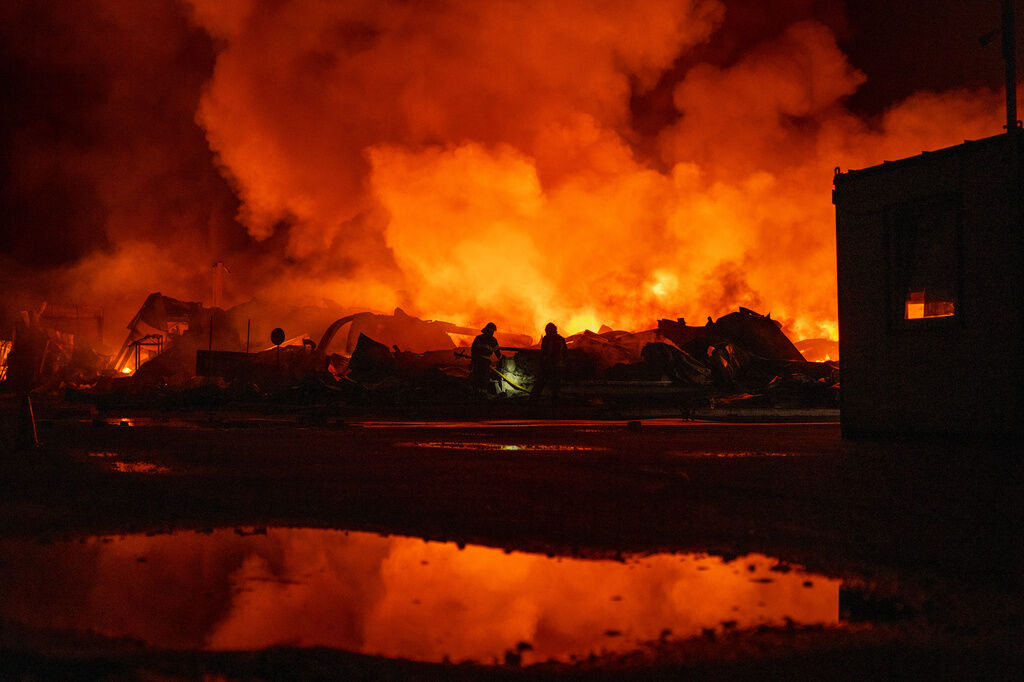
Fighting between Ukraine and Russia commenced after a 72-hour pause for diplomatic visits to both countries by U.S. officials. Russia launched a massive attack on Ukraine on Tuesday, firing dozens of cruise missiles and over 140 drones as the war...
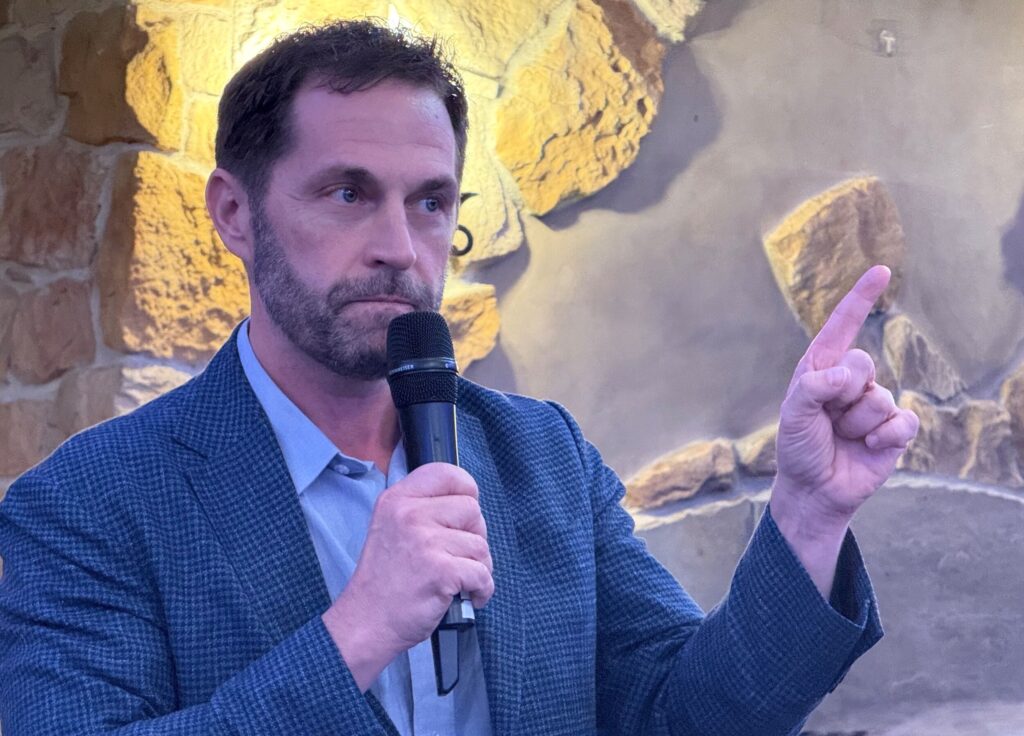
Jason Crow endorses Democrats up and down Colorado’s ballot, chips in $100K for campaign efforts
Ernest Luning
ernest.luning@coloradopolitics.com
Updated 5 hours ago
Democratic U.S. Rep. Jason Crow on Tuesday formally endorsed more than 60 Democrats running up and down Colorado’s ballot and said he’s putting $100,000 into statewide and county campaigns and organizing programs to drive turnout in the fall election. Crow,...

FBI sets $25,000 minimum reward for dozens of unsolved Indian Country cases | OUT WEST ROUNDUP
The Associated Press
the-associated-press@coloradopolitics.com
Updated 6 hours ago
SOUTH DAKOTA Indian Country rewards set SIOUX FALLS — The Federal Bureau of Investigation has established a minimum reward of $25,000 in cases where people went missing or were killed in Indian Country, part of a broader effort to address...

What to know about Canada’s escalating trade war with the US as Carney retaliates with tariffs
The Associated Press
the-associated-press@coloradopolitics.com
Updated 5 hours ago
TORONTO (AP) — Canada struck back at U.S. President Donald Trump on Tuesday with tariffs on about $20 billion worth of U.S. goods, in response to the latest round of tariffs on Canada. The outcome could resonate far beyond Canada,...

With its water source dry, a southeast Colorado town’s clock is ticking
Savannah Eller
savannah-eller@coloradopolitics.com
Updated 5 hours ago
The Cucharas is not a mighty river, but the people of La Veta knew they had a problem brewing when it ran dry at the beginning of June. “We’re getting by,” said La Veta Mayor Doug Brgoch. “It’s not great.”...
Fort Carson soldiers run Indonesian exercise, refine communications tech
Mary Shinn
mary-shinn@coloradopolitics.com
Updated 5 hours ago
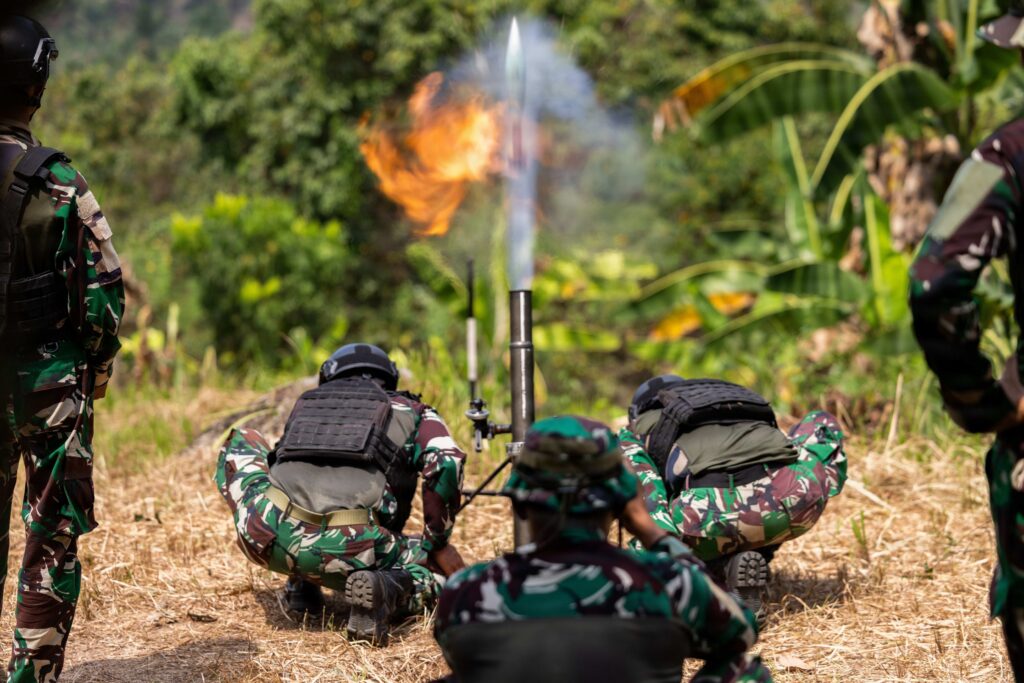
Fort Carson soldiers are overseeing an expansive military exercise in Indonesia while honing new communications technology for the Army. More than 4,700 personnel are participating in the annual training, known as Super Garuda Shield 2026, taking place across several regions...
PREV
PREVIOUS

Attorney General Phil Weiser's underdog campaign for Colorado governor | Cronin and Loevy
Phil Weiser, 58, Colorado’s attorney general, is in a heated race against U.S. Sen. Michael Bennet, 61, for the Democratic nomination for governor. They are friends and share mostly similar progressive, Democratic policy views. Primary election day is June 30. Weiser first came to Colorado in 1994 and was a longtime professor and dean of […]

Mediation canceled for trans woman alleging civil rights violation by Mesa University
Two days before a mediation was scheduled, Tammy Powers, a transgender woman who filed a Title IX complaint after allegedly being denied entry into a Colorado Mesa University Tech class, was told the mediation had been canceled. Powers found out about the cancellation in an email from her Greeley-based attorney, Richard Blundell. Powers had been admitted to […]