

Colorado legislators abandon proposal targeting natural gas initiative
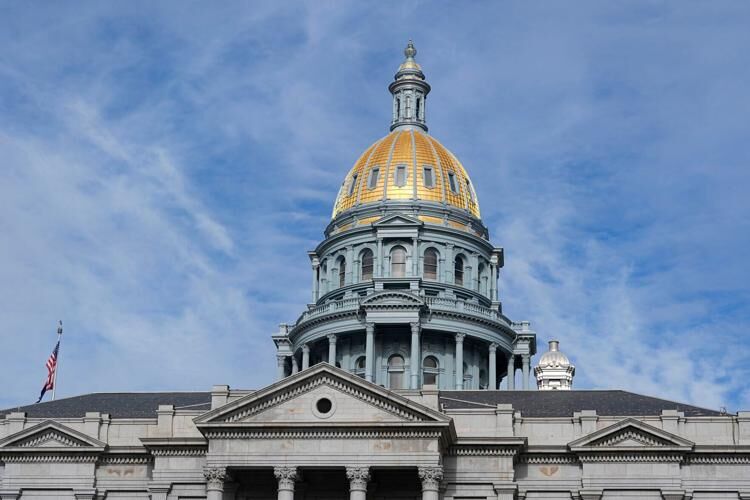
Colorado lawmakers pulled back plans to counter a proposed constitutional amendment guaranteeing the right of consumers to use natural gas.
The bill’s backers said the legislation would not have significantly affected the initiative’s impact, even as debate intensifies among environmental groups, the oil and gas industry and policymakers.
The bill — initially planned by House Speaker Julie McCluskie, D‑Dillon, Majority Leader Jennifer Bacon, D‑Denver, and Sen. Lisa Cutter, D‑Evergreen — would have addressed how the ballot measure might affect the state’s air quality.
Bacon said the initiative’s wording is overly broad and could create unintended consequences.
The proposed constitutional amendment, introduced by the advocacy organization Advance Colorado, seeks to establish a right for consumers to purchase natural gas and for distributors and utilities to sell it to homes and businesses.
As of Tuesday, it has about two-thirds of the required number of signatures to get on the ballot.
Climate activists and the oil and gas industry have been at odds for years about the future of Colorado’s energy portfolio. In 2024, they seemed to have reached a truce of sorts, in which environmental groups and oil and gas producers promised not to bring forward any ballot initiatives until 2027.
Advance Colorado told Axios News it was not part of that agreement.
In March, the group Conservation Colorado introduced its own response to Initiative No. 177 with four ballot measures establishing liability for oil and gas companies for damage to the state’s environment and communities, prohibiting them from requiring customers to pay for pipeline extensions or decommissioning costs, and requiring them to pay for repairs to aquifers damaged by wastewater generated from drilling operations.
At the state Capitol, House Republicans said their efforts to filibuster the bill’s introduction by having several bills read at length during floor debate on Monday ultimately succeeded in halting the proposal.
“I’m pleased to report that strong opposition from House Republicans successfully prevented the introduction of last-minute legislation that would have undermined the proposed ‘right to natural gas’ ballot measure and circumvented the proper legislative process,” said Rep. Dan Woog, R-Erie, who sits on the House Energy and Environment Committee.
Woog said the bill’s sponsors planned to refer it directly to the House Judiciary Committee, rather than to House Energy and Environment.
“This policy was directly within our committee’s scope and expertise, and yet, we would have been bypassed,” Woog said. “I’m grateful that with guidance from our leadership, our caucus held the line and made clear that we would not stand for such a blatant disregard of the legislative process.”
The Republican added: “Legislation of this magnitude deserves a transparent and deliberative process, not backroom maneuvering in the eleventh hour with limited public input.”
McCluskie released the following statement when asked for comment:
“Energy policy is complicated and impacts every Coloradan, which is why lawmakers supported the 2024 agreement between environmental groups and oil and gas companies to craft smart policy that reduces costs and protects our environment from harmful emissions. Voters tell us time and again they want more action on climate and air quality, not less. We are on the right track, but dark money special interests are bringing ballot measures to derail our progress.”
McCluskie said Initiative No. 177 is “overly broad, lacks clarity, and could upend years of work to craft durable policy that advances our goals of better air quality, more affordable transit and cleaner energy.”
However, after discussions with stakeholders, McCluskie said she and her cosponsors determined their proposal would not “meaningfully change” the impacts of Initiative No. 177.
“The only rational way forward for the good of our state is for Advance Colorado to pull down their measures so that compromise and common sense can prevail,” she said, “Short of that, I call on local governments, utilities, labor and community organizations to work in opposition to the measure.”

‘Ticked off’: Third-party US Senate candidate in Colorado launches $1.3 million TV ad campaign
Ernest Luning
ernest.luning@coloradopolitics.com
Updated 6 hours ago
Bob Chew, the Forward Party nominee for U.S. Senate in Colorado, sends household objects flying in a TV ad set to run statewide through September, backed by $1.3 million across multiple platforms, his campaign told Colorado Politics. Meant to demonstrate...

Colorado shifts vaccine authority to state as Trump administration revises childhood framework
Marissa Ventrelli
marissa.ventrelli@coloradopolitics.com
Updated 6 hours ago
As the Trump administration rolls out a revised childhood vaccine framework, Colorado’s law allowing the state to set its own immunization schedule has now taken effect. Issued Monday, President Donald Trump’s executive order separates childhood and adolescent vaccines into three...

Colorado NRA chapter seeks injunction against new gun‑training requirement
Marissa Ventrelli
marissa.ventrelli@coloradopolitics.com
Updated 6 hours ago
The Colorado chapter of the National Rifle Association is seeking an injunction to stop the state from enforcing a new law that took effect earlier this month. The new law requires anyone buying or selling certain firearms to first complete...

Hunting is a privilege, not a constitutional right | PODIUM
Colorado Politics
colorado-politics@coloradopolitics.com
Updated 4 hours ago
By Roland Halpern Colorado voters may soon be asked to place hunting and fishing in the state constitution. Proposition 302 would establish the right to hunt, fish and take wildlife using “traditional methods,” while declaring hunting and fishing are the...

DEA’s Miguel Chino describes Colorado’s place on the ‘fentanyl pill superhighway’ | The OpEdge Podcast
Tony Olivero
tony.olivero@gazette.com
Updated 1 day ago
Miguel Chino, Acting Special Agent in Charge of the Drug Enforcement Administration’s Rocky Mountain Field Division, joins The OpEdge to paint the picture of Colorado’s place on America’s “fentanyl pill superhighways.” Chino updates Gazette and Colorado Politics Deputy Opinion Editor...

Colorado students push AI task force as schools navigate new tech era
Marissa Ventrelli
marissa.ventrelli@coloradopolitics.com
Updated 1 day ago
A group of students is urging lawmakers to establish a task force on artificial intelligence in education to advise districts on how to ensure that pupils and educators use the technology effectively without becoming overly reliant on it. The students...

A right to buy a product? | Hal Bidlack
Hal Bidlack
hal-bidlack@coloradopolitics.com
Updated 2 days ago
A recent story in Colorado Politics caught my eye, as I learned of a “citizen initiative” that has qualified for the November ballot. It seems supporters of Initiative 177 have collected enough signatures, 146,165 legitimate ones out of a total...

Fourteen years after Aurora — we can’t afford to go backward | GUEST COLUMN
Colorado Politics
colorado-politics@coloradopolitics.com
Updated 2 days ago
By John Hickenlooper and Gabby Giffords Two Saturdays ago, a gunman shot and killed three people and wounded several others in Twin Falls, Idaho. This latest deadly shooting comes only days after we remembered the lives we lost 14 years...

U.S. Rep. Lauren Boebert’s son arrested, faces charges of sexual exploitation of minor
Matt Kyle
matt.kyle@denvergazette.com
Updated 2 days ago
U.S. Rep. Lauren Boebert’s son Tyler Jay Boebert has been arrested and accused of recording and sharing a video depicting himself having intercourse with a minor, according to court records. The case originated in Garfield County in Western Colorado and...
Hunter shot Colorado wolf after mistaking it for a coyote, wildlife office says
Marianne Goodland
marianne.goodland@coloradopolitics.com
Updated 1 day ago
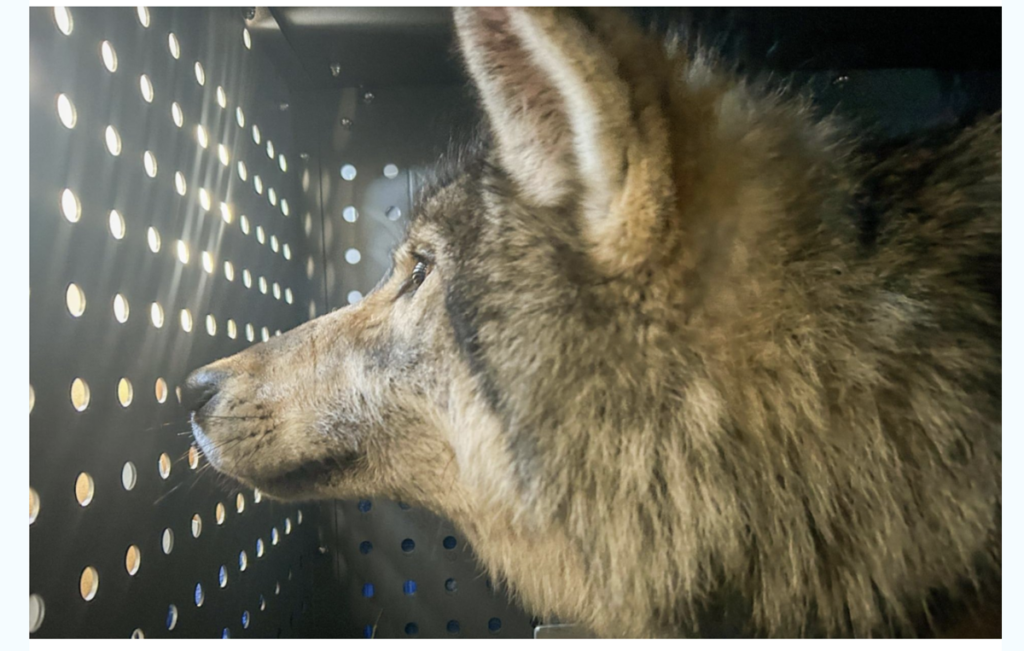
Colorado Parks and Wildlife said Monday that a female wolf from British Columbia that died in January was shot by a hunter who mistook her for a coyote. The wolf, identified as 2504‑BC, was one of 17 wolves relocated since...
PREV
PREVIOUS

Colorado lawmakers kill both major data center bills
Colorado lawmakers killed competing bills aimed at regulating large data centers, meaning regulation of the facilities is left in the hands of the Colorado Public Utilities Commission for now. The action leaves the state without new statewide rules even as those opposed to data centers warn the facilities could drive soaring electricity demand, higher utility […]

Colorado legislators ask voters to forfeit thousands in TABOR refunds, redirect money to school spending
A Democratic‑backed proposal to direct money to K‑12 schools using Taxpayer’s Bill of Rights dollars is headed to the ballot, setting up a major debate over taxpayer refunds and long‑term education funding. If voters approve it, the average Coloradan would forfeit more than $7,000 in TABOR refunds over the next decade. Senate Bill 135 includes […]