

Colorado lawmakers pass ballot measure asking voters to trade TABOR refunds to increase school spending
A Democratic‑backed proposal to raise Colorado’s TABOR cap and direct more money to K‑12 schools is headed to the ballot, setting up a major debate over taxpayer refunds and long‑term education funding.
If voters approve it, the average Coloradan would forfeit more than $7,000 in TABOR refunds over the next decade.
Senate Bill 135, sponsored by Sens. Jeff Bridges, D-Greenwood Village, and Cathy Kipp, D-Fort Collins, House Majority Leader Jennifer Bacon, D-Denver, and Rep. Meghan Lukens, D-Steamboat Springs, includes a proposal to increase the TABOR cap by the amount the state spends on K-12 education, currently about $4.5 billion per year.
Under the proposal, any funding beyond that would be allocated to services for students with disabilities and increased contractor hours.
“We have worked hard to better the quality of education in Colorado and have made great strides in many areas, but there is a fundamental lack of resources to make the big changes that are necessary to guarantee a quality education for all Coloradans,” said Lukens, who is a teacher. “Colorado students and educators have waited long enough, and this bill gives voters the chance to deliver the investment they deserve.”
Under TABOR, all proposed increases to the revenue limit, or TABOR cap, must be approved by the voters.
According to a nonpartisan staff analysis, the bill could generate up to $9 billion over the first decade. However, about 75% of the revenue generated wouldn’t actually go to schools. Instead, those dollars would go into the state’s general fund pot — to be used by lawmakers for whatever purposes they choose.
The analysis also found that every Colorado taxpayer would lose $7,381 in TABOR refunds between the 2026-27 and 2036-37 fiscal years if the proposed ballot measure passes.
The ballot initiative would essentially be asking voters to hand over their money “with no real guarantee it will actually go to what they’re being told it will go to,” said Rep. Rebecca Keltie, R-Colorado Springs, who called SB 135 a “multi-billion dollar spending spree built on assumptions, continuous failed budgeting, and blind faith in those that have shown time and time again that they cannot handle money of any amount.”
Bridges previously told Colorado Politics that the excess funds would go to pre-kindergarten education, child care, higher education, and other services for children and young adults.
He also said that the nonpartisan analysis counted on a no-recession scenario or other economic downturns. That is why, he said, analysts don’t estimate fiscal impacts beyond two or three years.
Rep. Brandi Bradley, R‑Roxborough Park, pointed out that an advocacy group submitted the proposed initiative to the state’s Title Board, which is responsible for deciding whether citizen‑initiated measures comply with Colorado’s single‑subject rule.
The Board determined that the measure’s language violated that rule.
“Even though the title says that it goes to K-12 and the teachers, more than half of it is gonna go to other purposes that the people in here deem necessary,” Bradley said. “That is not transparent, and the Title Board deemed it to fail.”
Ballot measures sent to voters by the General Assembly do not need approval from the state’s Title Board. As Lukens emphasized, the Board also applies standards that differ from those used by lawmakers when deciding whether a proposal meets Colorado’s single‑subject requirement.
Rep. Eliza Hamrick, D-Centennial, who also worked as a teacher, said the bill offered a solution to a problem the state’s public education system has been facing for far too long.
“We know from research that when we pay our teachers fairly, students perform better, and when we invest in our schools, we see higher graduation rates and better lifetime wages,” she said. “Colorado already gets an incredible return on every dollar we spend, but our teachers shouldn’t have to spend their own out-of-pocket money just to ensure their students have the basics they need to learn. Colorado students deserve fully-funded public schools where they can learn, grow, and thrive.”
Senate Bill 135 passed on a 23-12 party-line vote in the Senate and a 42-21 vote in the House, with all Republicans and Democratic Rep. Lorena Garcia of Adams County voting against it.
Marianne Goodland contributed to this story.

Colorado lawmakers pass ballot measure asking voters to trade TABOR refunds to increase school spending
Marissa Ventrelli
marissa.ventrelli@coloradopolitics.com
Updated 20 minutes ago
A Democratic‑backed proposal to raise Colorado’s TABOR cap and direct more money to K‑12 schools is headed to the ballot, setting up a major debate over taxpayer refunds and long‑term education funding. If voters approve it, the average Coloradan would...
Colorado lawmakers pass ballot measure asking voters to trade TABOR refunds to increase school spending
Marissa Ventrelli
marissa.ventrelli@coloradopolitics.com
Updated 1 hour ago
A Democratic‑backed proposal to raise Colorado’s TABOR cap and direct more money to K‑12 schools is headed to the ballot, setting up a major debate over taxpayer refunds and long‑term education funding. If voters approve it, the average Coloradan would...
Colorado lawmakers pass ballot measure asking voters to trade TABOR refunds to increase school spending
Marissa Ventrelli
marissa.ventrelli@coloradopolitics.com
Updated 1 hour ago
A Democratic‑backed proposal to raise Colorado’s TABOR cap and direct more money to K‑12 schools is headed to the ballot, setting up a major debate over taxpayer refunds and long‑term education funding. If voters approve it, the average Coloradan would...
Colorado legislators ask voters to forfeit thousands in TABOR refunds, redirect money to school spending
Marissa Ventrelli
marissa.ventrelli@coloradopolitics.com
Updated 33 minutes ago
A Democratic‑backed proposal to direct money to K‑12 schools using Taxpayer’s Bill of Rights dollars is headed to the ballot, setting up a major debate over taxpayer refunds and long‑term education funding. If voters approve it, the average Coloradan would...
Colorado legislators abandon proposal targeting natural gas initiative
Marissa Ventrelli
marissa.ventrelli@coloradopolitics.com
Updated 47 minutes ago
Colorado lawmakers pulled back plans to counter a proposed constitutional amendment guaranteeing the right of consumers to use natural gas. The bill’s backers said the legislation would not have significantly affected the initiative’s impact, even as debate intensifies among environmental...
Colorado lawmakers say Lottery overreached, pass bill to require cash-only purchases
Marissa Ventrelli
marissa.ventrelli@coloradopolitics.com
Updated 9 minutes ago
Calling the move by the state’s gaming authority “illegal,” Colorado legislators passed a bill prohibiting the use of credit cards to purchase lottery tickets. In November, the Colorado Lottery commission passed a rule allowing the purchase of lottery products with...
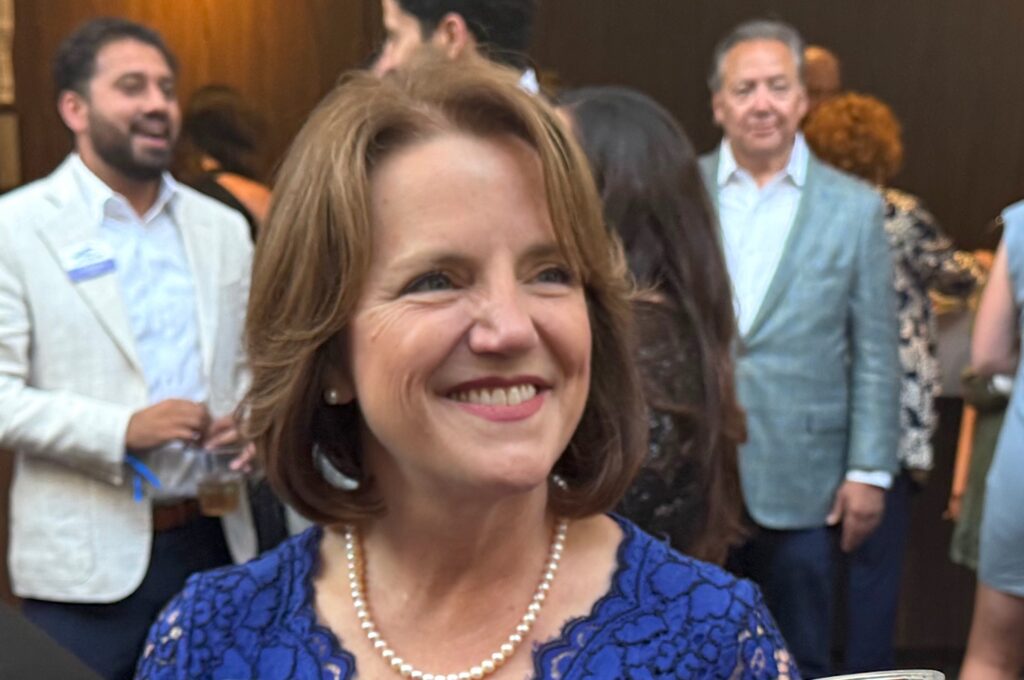
Colorado Politics’ 8th CD primary debate canceled after Democrat Shannon Bird withdraws
Ernest Luning
ernest.luning@coloradopolitics.com
Updated 3 hours ago
Organizers on Tuesday canceled next week’s Democratic primary debate in Colorado’s toss-up 8th Congressional District after former state Rep. Shannon Bird withdrew, leaving just one candidate planning to take the stage. Three Democrats are seeking the nomination in the state’s...
Colorado bill on lobbyist registration awaits final decision from the governor
Marissa Ventrelli
marissa.ventrelli@coloradopolitics.com
Updated 11 minutes ago
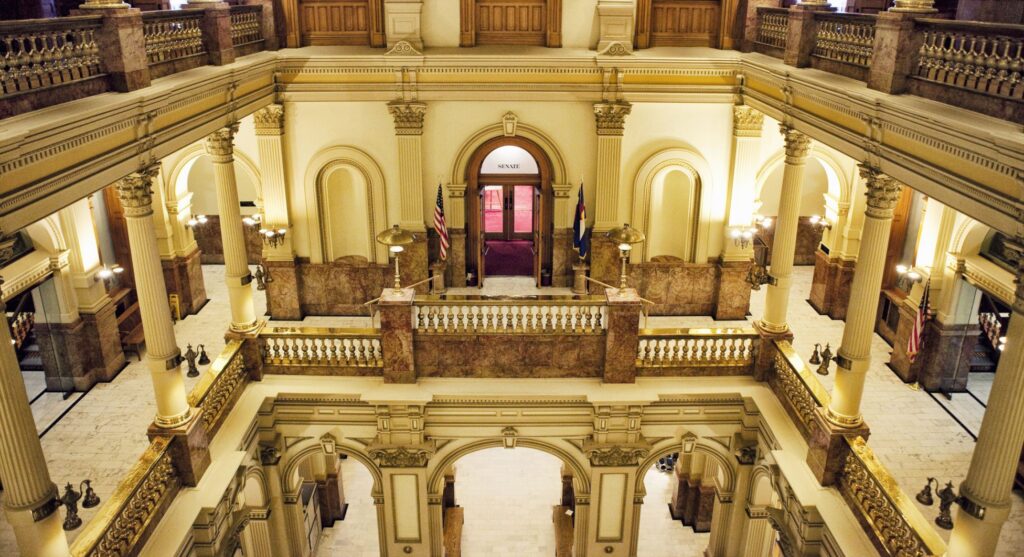
A bipartisan bill requiring more disclosure from legislative liaisons and state agency lobbyists is in limbo, despite broad support in both the Colorado House and Senate as Gov. Jared Polis is reportedly considering a veto. Senate Bill 147, sponsored by...
Colorado eyes expansion of state inspection authority over immigration detention centers
Marissa Ventrelli
marissa.ventrelli@coloradopolitics.com
Updated 1 hour ago
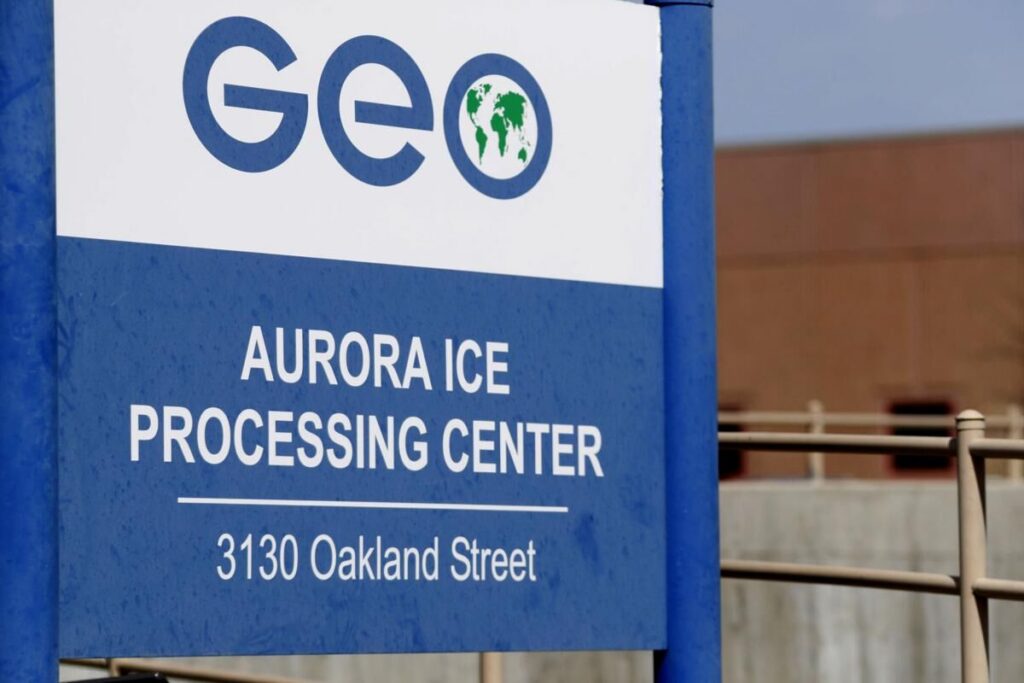
A proposal to add new inspection requirements for detention centers and increases the civil liability for sharing information with federal immigration authorities passed both chambers of the Colorado Legislature. The proposal is now headed to Gov. Jared Polis’ desk. House...

Superintendent Michael Gaal on why schools work better without union contracts | The OpEdge Podcast
Tony Olivero
tony.olivero@gazette.com
Updated 4 hours ago
In the latest episode of The OpEdge — The Gazette’s new opinion podcast — Colorado Springs District 11 Superintendent Michael Gaal reveals why teachers’ union contracts hold schools back. Gaal tells OpEdge host and investigative columnist Jimmy Sengenberger how ending D-11’s...
PREV
PREVIOUS

Colorado lawmakers pass ballot measure asking voters to trade TABOR refunds to increase school spending
A Democratic‑backed proposal to raise Colorado’s TABOR cap and direct more money to K‑12 schools is headed to the ballot, setting up a major debate over taxpayer refunds and long‑term education funding. If voters approve it, the average Coloradan would forfeit more than $7,000 in TABOR refunds over the next decade. Senate Bill 135, sponsored […]
Colorado lawmakers pass ballot measure asking voters to trade TABOR refunds to increase school spending
A Democratic‑backed proposal to raise Colorado’s TABOR cap and direct more money to K‑12 schools is headed to the ballot, setting up a major debate over taxpayer refunds and long‑term education funding. If voters approve it, the average Coloradan would forfeit more than $7,000 in TABOR refunds over the next decade. Senate Bill 135, sponsored […]