

Trump plans to move Forest Service headquarters to Utah, shutter research sites | OUT WEST ROUNDUP
UTAH
Forest Service bound for Salt Lake City
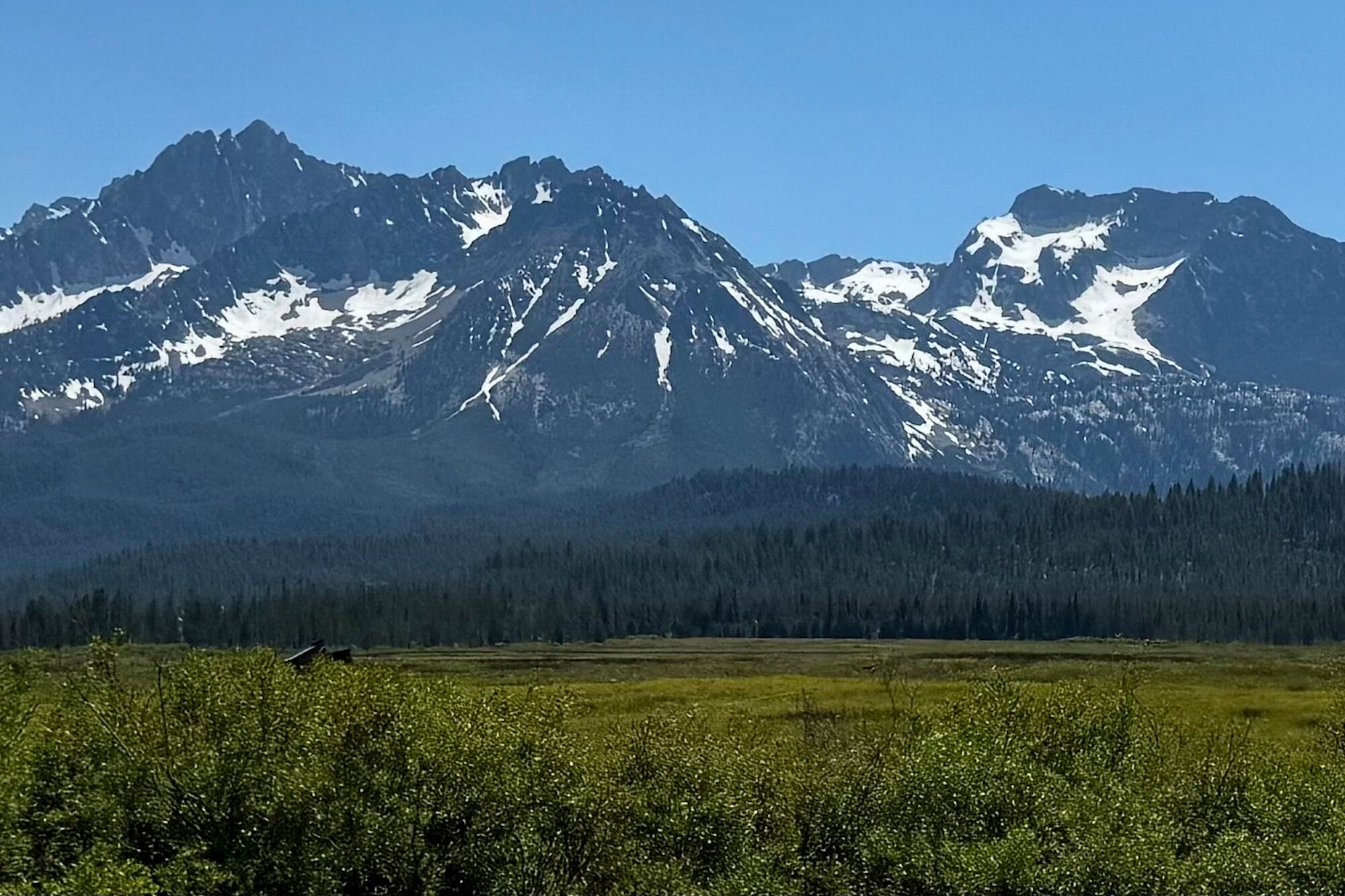
SALT LAKE CITY — President Donald Trump’s administration will move the U.S. Forest Service headquarters out of the nation’s capital to Salt Lake City as part of an organizational overhaul that involves shuttering research facilities in 31 states and concentrating resources in the West, the agency announced March 31.
Agriculture Secretary Brooke Rollins said the move, which is expected to be completed by summer 2027, will bring leaders closer to the landscapes they manage and the people who depend on them.
Nearly 90% of National Forest System land is in the West, though Utah ranks 11th in national forest coverage, with about 14,300 square miles.
During his first term, Trump moved the Bureau of Land Management to Colorado, citing many of the same reasons, including a desire to put top officials closer to the public lands they oversee. But it wasn’t long before the Biden administration reversed course, moving BLM headquarters back to Washington, D.C., after two years.
The U.S. Department of Agriculture has been moving thousands of employees out of Washington over the past year and eliminating layers of management as part of Trump’s push to slim down the federal workforce and make it more efficient.
With the move to Utah, about 260 Forest Service positions currently located in Washington are expected to relocate, and 130 workers will stay put, the agency said.
Deputy Agriculture Secretary Stephen Vaden said Salt Lake City stuck out for its reasonable cost of living, proximity to an international airport and the state’s “family-focused way of life.” It’s a Democratic-led capital city in a red state with values rooted in the locally headquartered Church of Jesus Christ of Latter-day Saints, known widely as the Mormon church.
Utah Gov. Spencer Cox, a Republican, celebrated the move as “a big win for Utah and the West,” while environmental groups viewed it as a precursor to the agency’s dismantling.
Taylor McKinnon at the Arizona-based Center for Biological Diversity described the move as “a costly bureaucratic reshuffle” that will put more power in the hands of corporations and states to log, mine and drill public lands.
MONTANA
State OKs Capitol rallies
The Montana Department of Administration has reversed its guidelines that prohibited permits for weekend rallies at the state Capitol.
Following public pushback, the department on March 20 revised its guidelines that previously restricted event organizers from setting up equipment and using state resources for weekend gatherings, according to the General Services Division website.
The change comes after DOA director Misty Ann Giles told a legislative budget committee that she would revisit the permit rule after initially stating that the change to prohibit weekend events was “no big deal.”
A DOA spokesperson previously told Montana Free Press that the change to close on weekends was intended to save money. Giles told the committee that she only has five staff members who work events and that working weekends puts additional strain on state resources.
Area organizers for the “No Kings” rally first brought up the weekend ban, calling it an infringement on their right to free speech and assembly, since the nationwide protests are held on Saturdays.
The “No Kings” rally in Helena was scheduled for Saturday, March 28.
Before the reversal, nearly all of the state’s Democratic caucus signed a letter to Gov. Greg Gianforte, asking that the state reconsider the permit policy, saying it would prevent Montanans from expressing their opinions.
ARIZONA
Charlie Kirk highway vetoed
There will be no Charlie Kirk highway in his home state of Arizona. The reason: politics.
Exactly whose politics is to blame has become a point of debate.
Kirk, the conservative activist known for his campus debates, was assassinated last year during an event at Utah Valley University. Republicans in Arizona, where Kirk’s Turning Point USA organization is based, passed legislation attempting to add Kirk’s name to Loop 202, a highway circling through the sprawling Phoenix area.
Democratic Gov. Katie Hobbs vetoed it on March 27.
In a veto message to state lawmakers, Hobbs denounced political violence but suggested that Republicans had inappropriately injected politics into a decision rightly left to a state board that names historic highways.
Republican state Senate President Warren Petersen, who sponsored the legislation, said it was Hobbs who practiced politics by breaking with “a long-standing Arizona tradition” of recognizing people who made an impact on society.
Lawmakers in more than 20 states have introduced over five dozen bills seeking to honor Kirk, according to an Associated Press analysis using the bill-tracking software Plural. Many propose naming things after Kirk or creating an official day of remembrance. Others invoke Kirk’s name for measures that would protect free speech rights on college campuses or encourage schools to teach about the role of Judeo-Christian values in American history.
Frat leader charged with hazing
FLAGSTAFF — The pledge master for a fraternity at Northern Arizona University was indicted on March 27 on a felony hazing charge involving a student who died in late January after a night of drinking at a rush event.
The hazing charge alleges Carter Eslick caused or forced the drinking that led to the death of 18-year-old Colin Daniel Martinez on Jan. 31 at an off-campus house.
Martinez was found unresponsive at home by police after bystanders performed CPR on him. He died at the scene.
An autopsy found Martinez died of alcohol poisoning and had a level of 0.425% — more than five times the state’s legal limit for drivers 21 and over. The state has a zero-tolerance policy for anyone under 21 who is driving under the influence of alcohol.
Josh Blumenrich, an attorney representing Eslick, didn’t immediately return a phone call seeking comment.
In a statement, the university said the death has “shaken our entire community” and noted that Eslick is no longer enrolled there.
Two other members of the Delta Tau Delta fraternity were arrested along with Eslick after Martinez’s death, but the charge filed on March 27 was only against Eslick.
Prosecutors declined to say whether they would ask a grand jury to charge the other two fraternity members.
After Martinez died, the university suspended the fraternity. The national organization later voted to shutter the NAU chapter.

Federal judge explores new sanctions against ex-Colorado judicial discipline director
Michael Karlik
michael.karlik@coloradopolitics.com
Updated 3 minutes ago
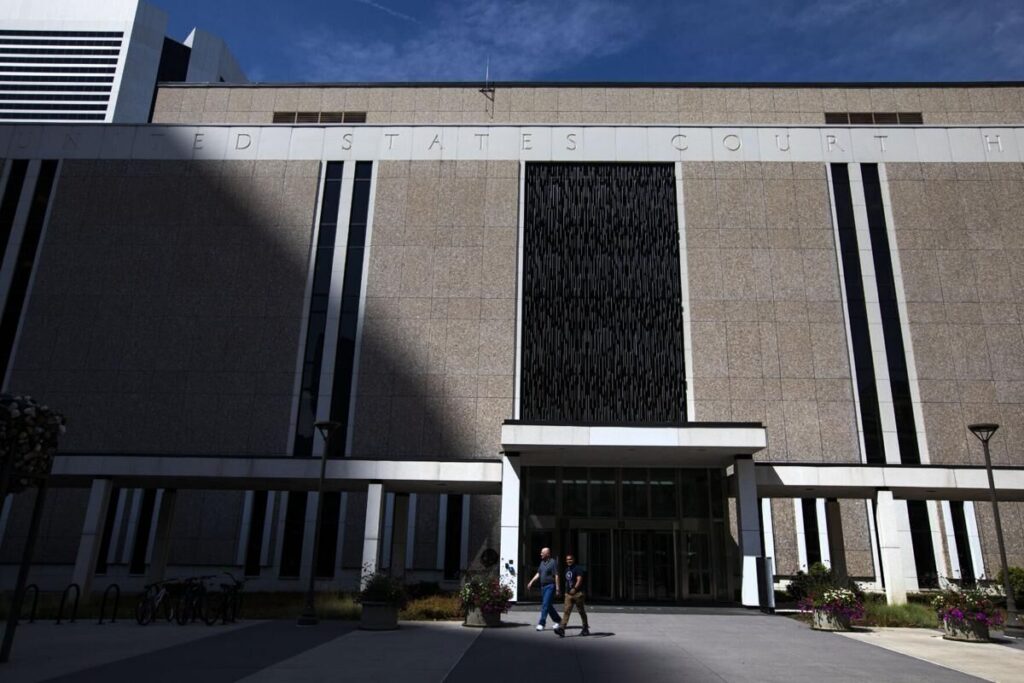
A federal judge on Wednesday directed Colorado’s former judicial discipline director, for the third time this year, to explain why she should not sanction him for his latest conduct in his litigation against the state’s judiciary. Christopher S.P. Gregory, who served...
Weiser joins lawsuit challenging changes to Endangered Species Act
Marissa Ventrelli
marissa.ventrelli@coloradopolitics.com
Updated 32 minutes ago
Colorado Attorney General Phil Weiser has joined a coalition of state attorneys general challenging the Trump administration’s proposed changes to the Endangered Species Act, his office announced Wednesday. The pair of lawsuits challenge new rules made under Interior Secretary Doug...

Boebert challenger Eileen Laubacher says she’ll ‘break through the noise’ in Democrat’s 1st TV ad
Ernest Luning
ernest.luning@coloradopolitics.com
Updated 13 minutes ago
Democratic congressional candidate Eileen Laubacher says she’ll take a different approach than her opponent in a campaign ad released by Wednesday that opens with a cacophonous series of videos featuring Republican U.S. Rep. Lauren Boebert. “Eileen’s had enough of the...
Colorado congressman asks DOJ to investigate violent student ICE walkout
Nico Brambila
nico.brambila@denvergazette.com
Updated 34 minutes ago
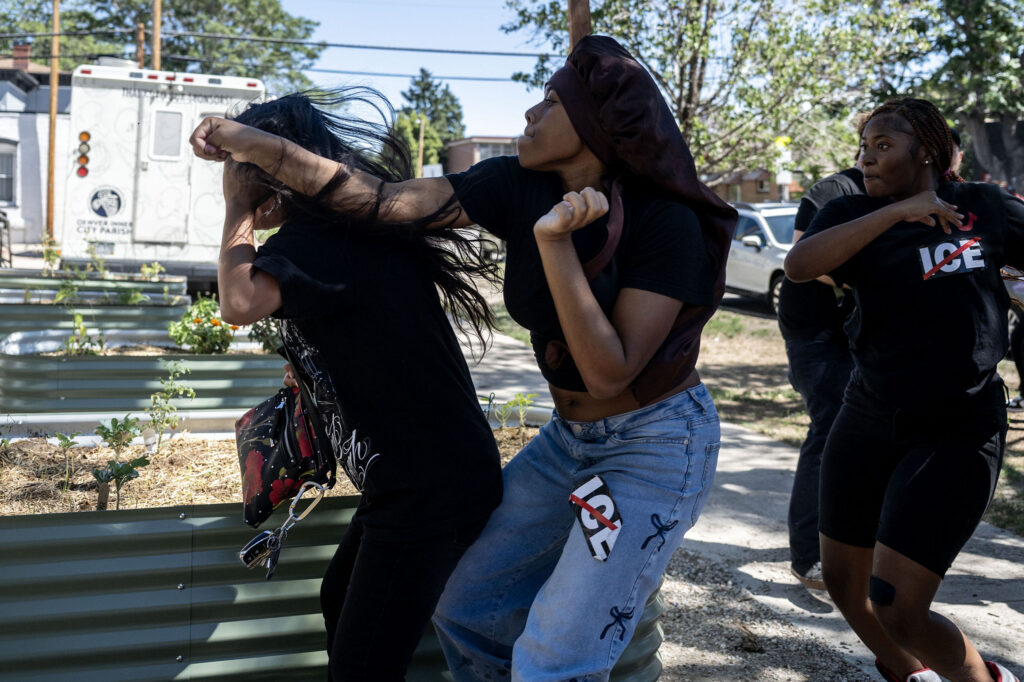
U.S. Rep. Jeff Crank is asking the Justice Department to investigate violence at last week’s anti-ICE student walkout in Denver, including whether outside organizations helped organize, fund, or influence the demonstration. Crank sent a letter Tuesday requesting the investigation to...
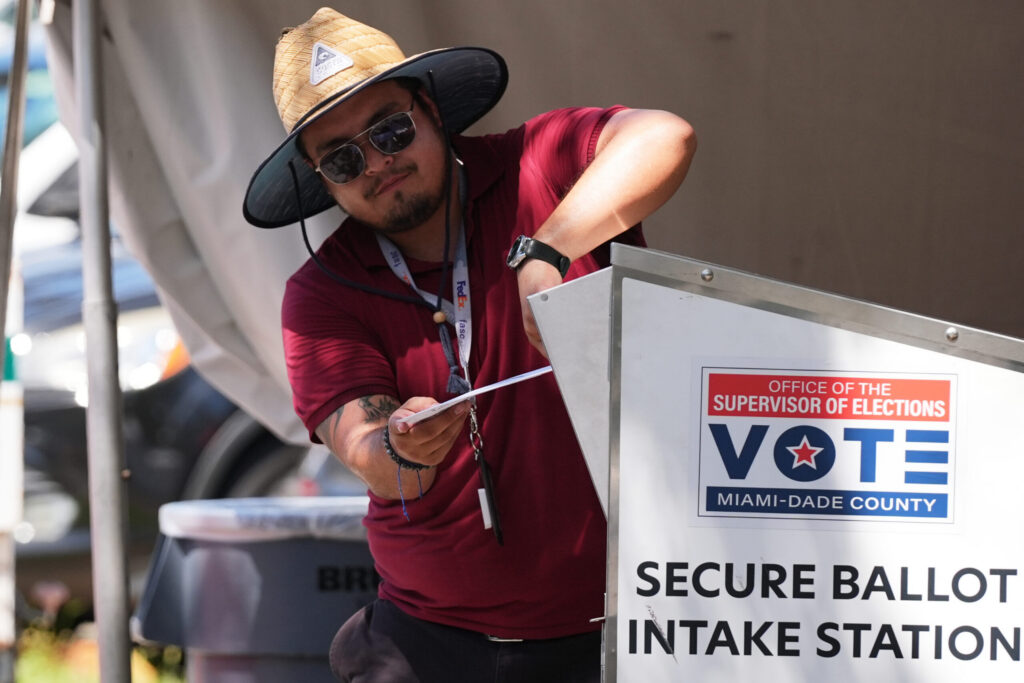
General election season is here. Where does mail-in voting stand?
David Zimmermann
david-zimmermann@coloradopolitics.com
Updated 2 hours ago
As the general election season approaches, the legal question surrounding the new U.S. Postal Service mail-in ballot requirements remains up in the air. With the case playing out in the courts, mail-in voting has not been changed substantially despite President...
10th Circuit orders second look at immunity for Kiowa County deputy over fatal vehicle crash
Michael Karlik
michael.karlik@coloradopolitics.com
Updated 4 hours ago
The Denver-based federal appeals court directed a trial judge on Tuesday to further analyze whether a Kiowa County deputy and the sheriff’s office may be sued for a fatal vehicle collision. The Colorado Governmental Immunity Act generally shields government entities and public...
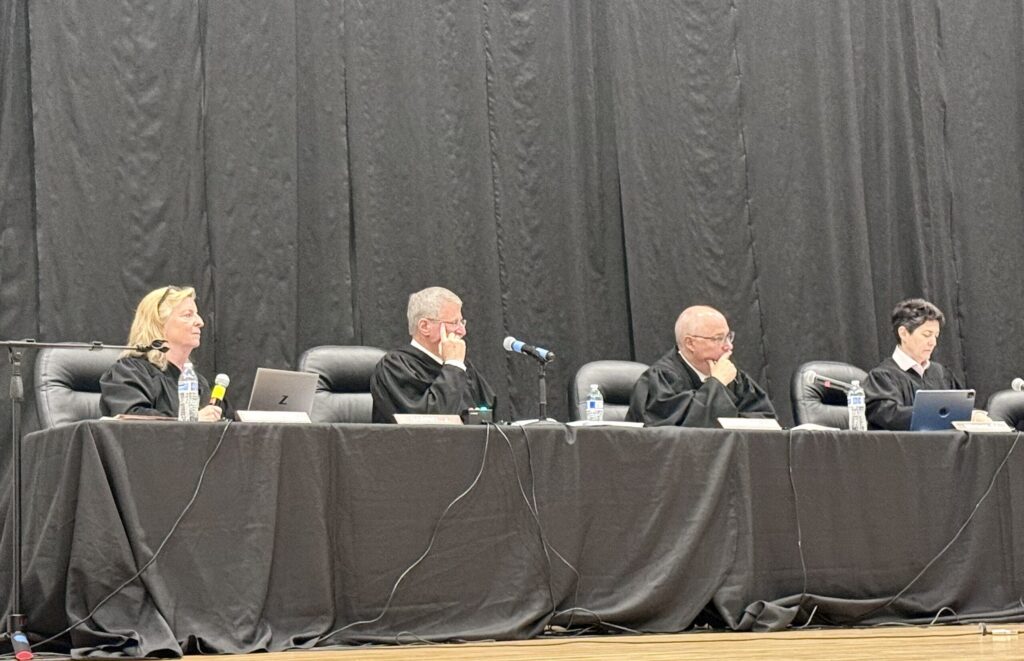
Colorado justices to hear appeal in Kendrick Castillo death lawsuit, ‘fugitive’ rule
Michael Karlik
michael.karlik@coloradopolitics.com
Updated 22 hours ago
The Colorado Supreme Court announced on Tuesday that it will decide whether it was proper to dismiss a lawsuit over the 2019 shooting death of Kendrick Castillo after the defendants paid the maximum amount of damages available to Castillo’s parents,...
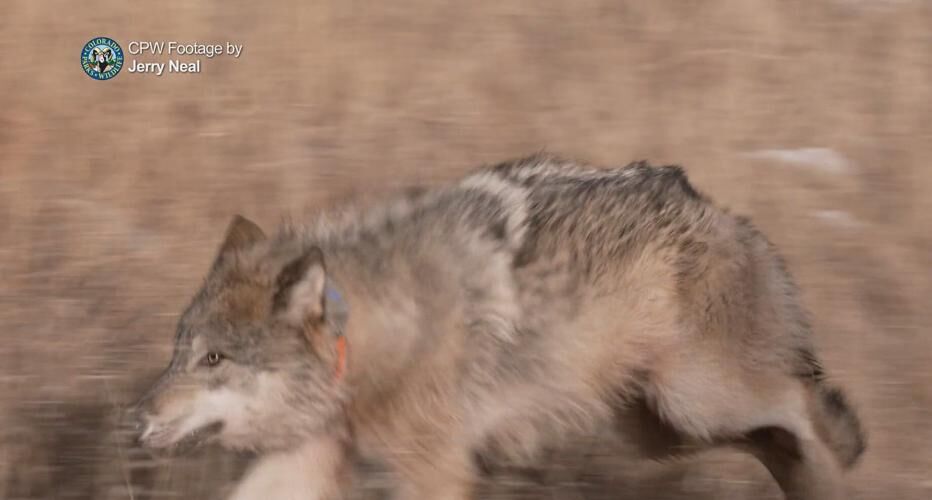
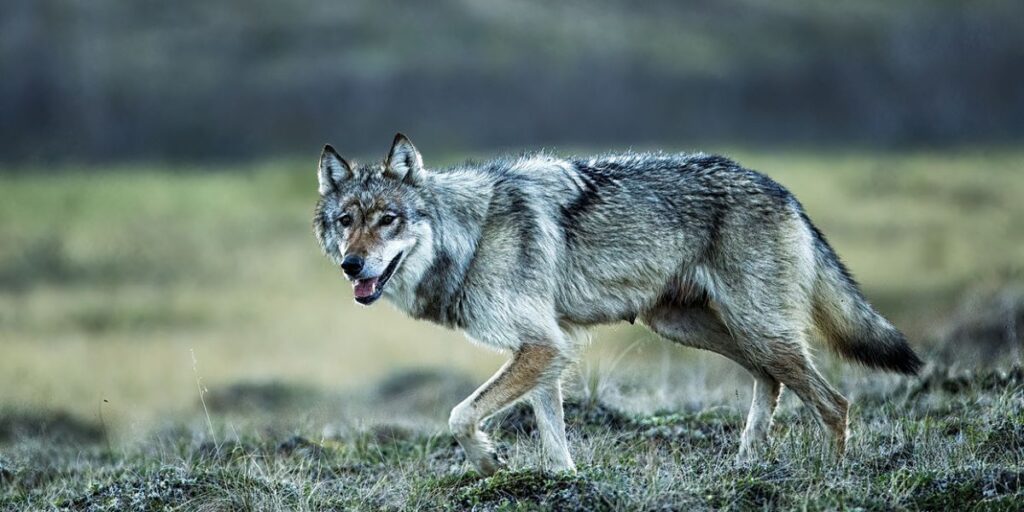
Two more wolves killed by Colorado wildlife staff
Marianne Goodland
marianne.goodland@coloradopolitics.com
Updated 23 hours ago
Two yearling wolves from the Copper Creek and Three Creeks packs in Pitkin and Rio Blanco counties, respectively, were killed by Colorado Parks and Wildlife staff on Monday. That brings to 19 the number of wolves that have died under...
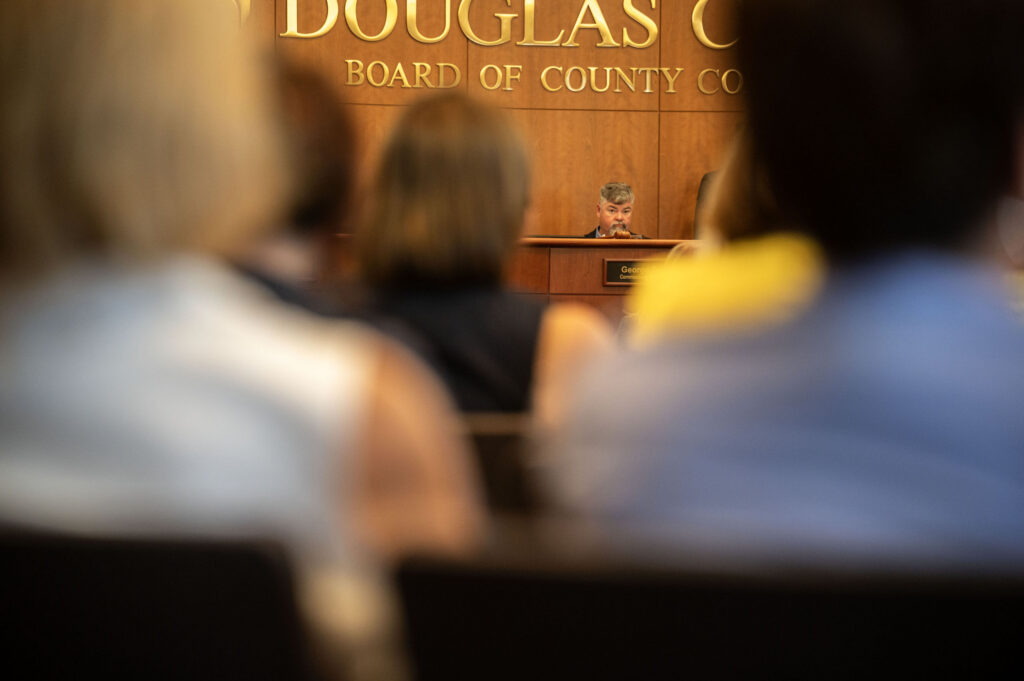
Federal judge dismisses Douglas County’s challenge to collective bargaining law
Nicholas Fogleman
nicholas.fogleman@denvergazette.com
Updated 7 hours ago
A federal judge dismissed claims brought by the Douglas County Board of Commissioners alleging that a state law granting county employees the right to organize and join labor unions violates free speech protections and conflicts with federal labor law. Douglas...
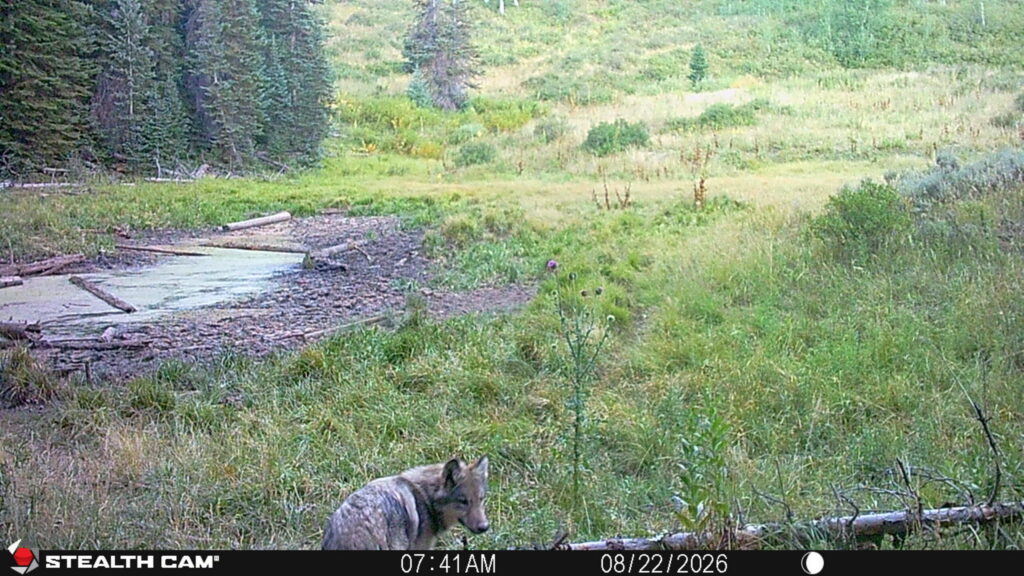
U.S. Rep. Lauren Boebert calls Trump’s 90-day wolf-delisting review ‘real progress’
Marianne Goodland
marianne.goodland@coloradopolitics.com
Updated 21 hours ago
President Donald Trump has directed Interior Secretary Doug Burgum to launch a 90-day review on whether gray wolves and Mexican wolves should be removed from Endangered Species Act protections. The order drew mixed reactions for Colorado’s wolf-reintroduction effort, with ranchers...
PREV
PREVIOUS
Republicans Scott Bottoms, Victor Marx win spots in Colorado gubernatorial primary at party assembly
Two Christian ministry leaders from Colorado Springs qualified Saturday for the Republican gubernatorial primary ballot at the Colorado GOP’s state assembly in Pueblo in a party meeting that dragged late into the night. State Rep. Scott Bottoms, an Assemblies of God pastor at Church at Briargate, who is known as one of the legislature’s most […]

Bipartisan Colorado bill targeting AI chatbot risks advances
A bipartisan Colorado bill targeting risks posed by AI chatbots has received the green light from the state House. House Bill 26-1263, which would establish new requirements for “conversational AI” services, earlier cleared the House Business Affairs and Labor Committee. The full House approved it, 40-24. Supporters say the legislation aims to address growing concerns […]