

Republican Ron Hanks plans ‘grassroots’ primary challenge to US Rep. Jeff Hurd in Colorado’s 3rd CD
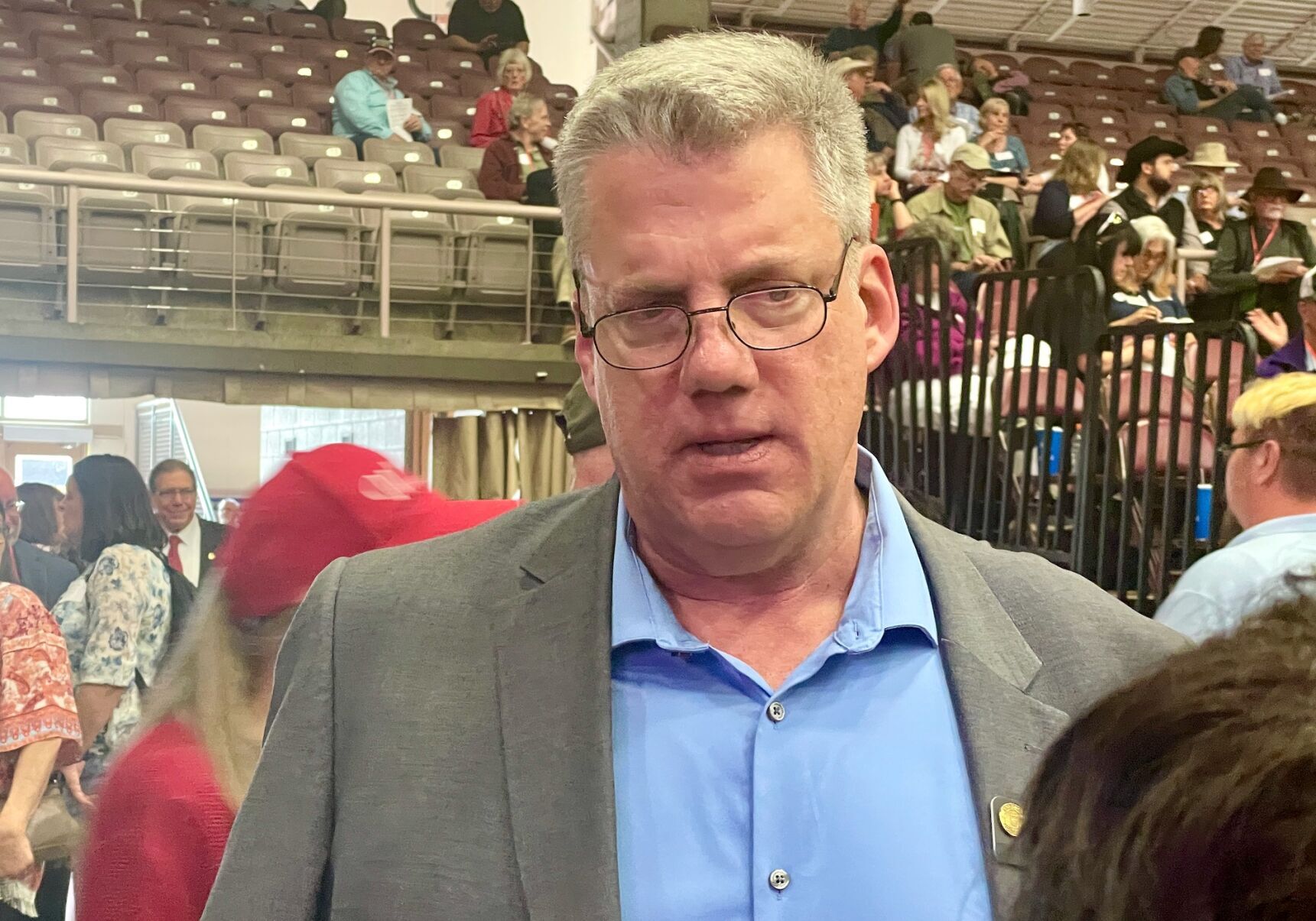
Colorado Republican Ron Hanks, a former state lawmaker, plans to challenge first-term U.S. Rep. Jeff Hurd in the 3rd Congressional District primary by seeking a spot on the June ballot at the GOP’s district assembly in Pueblo on Friday, Colorado Politics has learned.
Hanks, who lost the nomination to Hurd in the 2024 primary in the Western Slope-based district, told Colorado Politics that the district’s delegates are “furious” at Hurd’s record, which Hanks described as opposed to President Donald Trump, despite Hurd boasting Trump’s endorsement.
Last month, Trump formally endorsed Hurd for the second time this cycle, after earlier pulling his endorsement from the incumbent and throwing support behind Hope Scheppelman, a former state GOP vice chair who had been challenging Hurd in the primary.
Explaining his decision to switch back to Hurd, Trump said Scheppelman had agreed to withdraw and join the Trump administration because neither wanted to risk losing the Republican-leaning seat in this year’s midterms.
Two Pitkin County Democrats — Alex Kelloff, a former investment executive and co-founder of Armada Skis, and Dwayne Romero, a business owner and former director of the state’s office of economic development — are facing off in a primary for their party’s nomination in the district.
A spokesman for Hurd’s campaign told Colorado Politics that they’ve anticipated the prospect of a primary challenger emerging through the assembly process, since Hurd hasn’t sought delegate support as a route to the ballot. Instead, Hurd submitted petition signatures last month and expects to hear soon whether he’s qualified for the primary.
Without Hurd going through the assembly, that leaves an opening for another Republican, and Hanks is taking it. He told Colorado Politics on Thursday that he intends to seek designation to the primary from the floor at Friday’s assembly and is confident he’ll make the ballot.
Candidates in Colorado can advance to the primary by receiving support from at least 30% of the delegates at party assemblies, or by turning in a sufficient number of petition signatures. For congressional candidates, it takes 1,500 valid signatures from fellow party members who live within district boundaries.
The delegate selection process began in the first week of March at precinct caucuses, before Trump switched horses from Scheppelman back to Hurd, so it’s likely a share of delegates headed to the assembly were looking for an alternative to the incumbent.
“Colorado is fortunate to have a caucus and assembly process, and should always fight to preserve it,” Hanks said in a text message, adding that the process is “truly the last, best hope for grassroots — in both parties — to stand up for citizens’ interests over lobbyists’ influence and the control of entrenched politicians.”
A Hurd campaign spokesman told Colorado Politics that a last-minute primary challenge plays into the Democrats’ hands.
“Congressman Hurd has been running hard for reelection since last November, and the voters of CD3 deserve someone committed to the district,” Nick Bayer said in a text message. “Anyone choosing now to get into the race is doing so selfishly, creating chaos as an agent of the Democrats, and fully jeopardizing November’s general election.”
Declaring himself a “pro-Trump warrior,” Hanks, a former career Air Force intelligence officer, unsuccessfully sought the U.S. Senate nomination in 2022. Hanks won top-line designation in the primary at the state GOP assembly but finished behind businessman Joe O’Dea, a first-time candidate who petitioned his way onto the ballot.
O’Dea went on to lose to Democratic U.S. Sen. Michael Bennet, who is seeking his party’s nomination for governor this year.
After losing to O’Dea, Hanks later endorsed the Libertarian nominee, calling his former primary rival a “fake Republican, a pay-to-play opportunist with no conservative values or agenda.”
In both of Hanks’ previous primary runs, Democrats spent heavily in an attempt to steer the nomination toward him — describing Hanks as “too conservative” for Colorado — in an attempt to attract primary voters and produce a less competitive Republican in the general election.
Additionally, during his 2024 congressional run, a GOP committee aligned with House Speaker Mike Johnson spent hundreds of thousands of dollars on advertising to prevent Hanks from winning the nomination.
Drawing a contrast with the 2024 campaign, when Hanks accused Hurd of skipping most candidate forums, Hanks told Colorado Politics he hopes Hurd will show up at campaign events this year.
“The voters were first disappointed, now furious,” Hanks said. “Jeff Hurd preferred to hide from the voters, and they did not learn he was just another anti-Trump, New York lawyer until his votes to protect Ilhan Omar and oppose Trump’s use of tariffs as a foreign policy tool showed who he was.”
Hurd, a Grand Junction attorney, drew attacks from Scheppelman and others last year when he sponsored legislation to establish Congress’ role in setting tariffs, citing constitutional provisions. In addition, Hurd was one of a handful of Republicans to vote against a GOP-led House measure to censure U.S. Rep. Ilhan Omar and strip the Minnesota Democrat of her committee assignments in response to remarks Republicans said “smeared” conservative icon Charlie Kirk.
A spokesman for the Romero campaign said late Thursday that it didn’t matter which Republican wins the GOP nomination.
“Regardless of the Republican candidate in this race, Dwayne will remain focused on affordability, accountability, and service-based leadership for Western and Southern Colorado,” Romero’s campaign said in a statement.
Primary ballots go out to voters in early June and are due back to county clerks by 7 p.m. June 30.

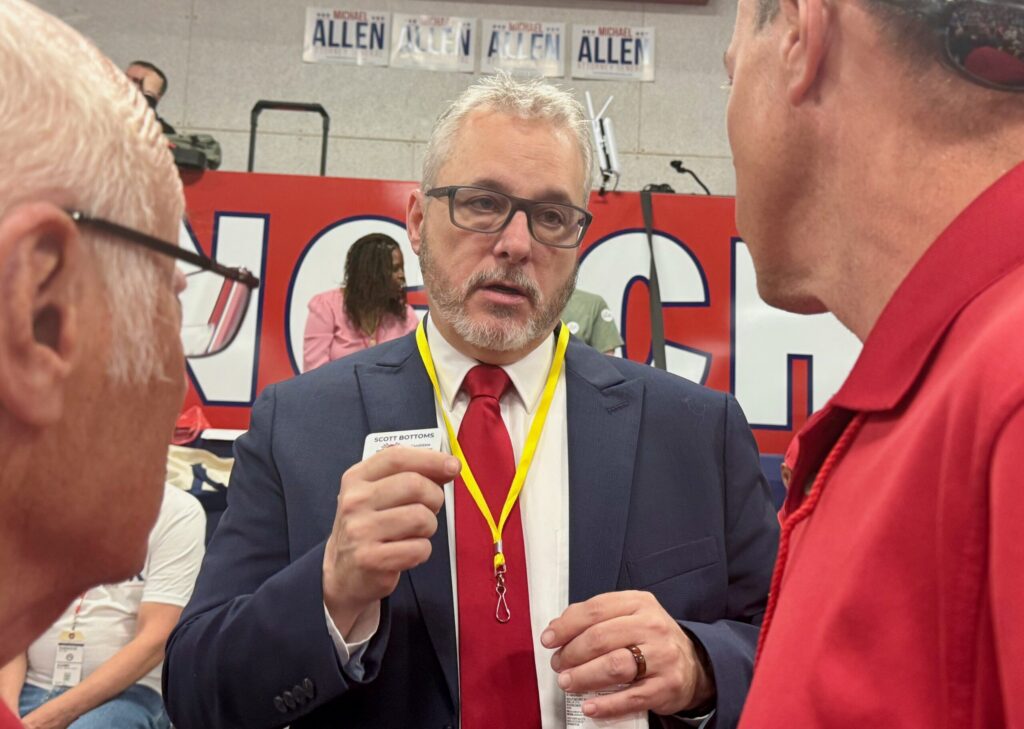
Republicans Scott Bottoms, Victor Marx win spots in Colorado gubernatorial primary at party assembly
Ernest Luning
ernest.luning@coloradopolitics.com
Updated 18 hours ago
Two Christian ministry leaders from Colorado Springs qualified Saturday for the Republican gubernatorial primary ballot at the Colorado GOP’s state assembly in Pueblo in a party meeting that dragged late into the night. State Rep. Scott Bottoms, an Assemblies of...
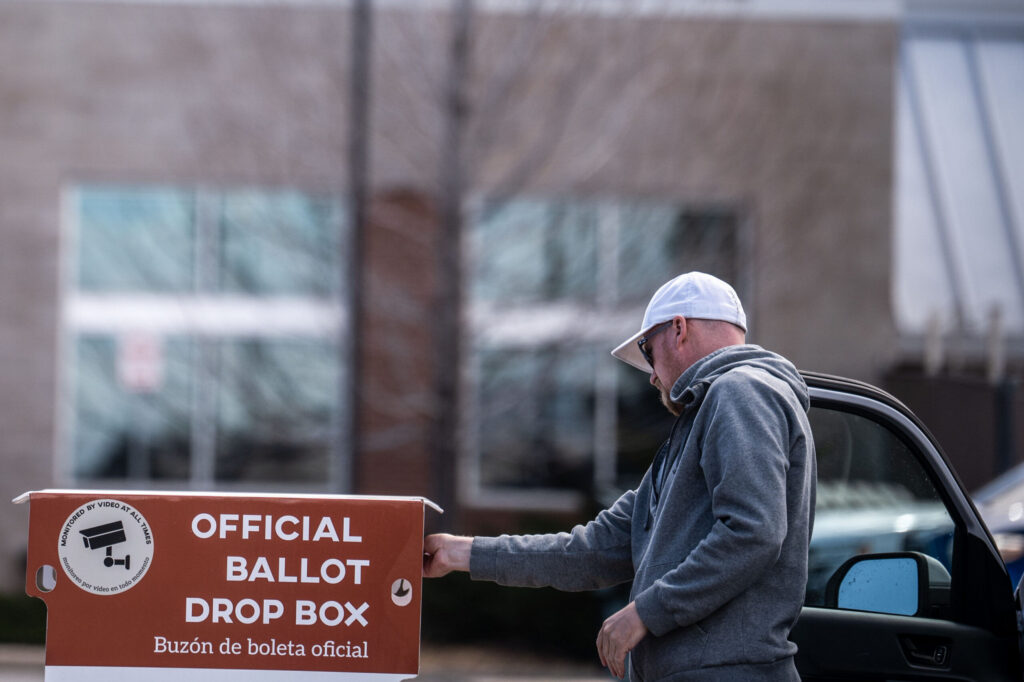
Colorado GOP votes down bid to ask court to prevent unaffiliated voters from voting in June primary
Ernest Luning
ernest.luning@coloradopolitics.com
Updated 4 days ago
Members of the Colorado Republican Party’s executive committee rejected a proposal Thursday night to seek an emergency injunction in federal court to prevent unaffiliated voters from participating in the state’s upcoming June primary election. The proposed motion, backed by Colorado...

Colorado Democrat John Hickenlooper pulls in nearly $1.4M in 1st quarter, heads into primary with $4M
Ernest Luning
ernest.luning@coloradopolitics.com
Updated 4 days ago
U.S. Sen. John Hickenlooper’s campaign raised nearly $1.4 million in the first quarter of 2026 and plans to report more than $4 million on hand heading into Colorado’s June primary, the first-term Democrat’s campaign said Thursday. That brings Hickenlooper’s total...
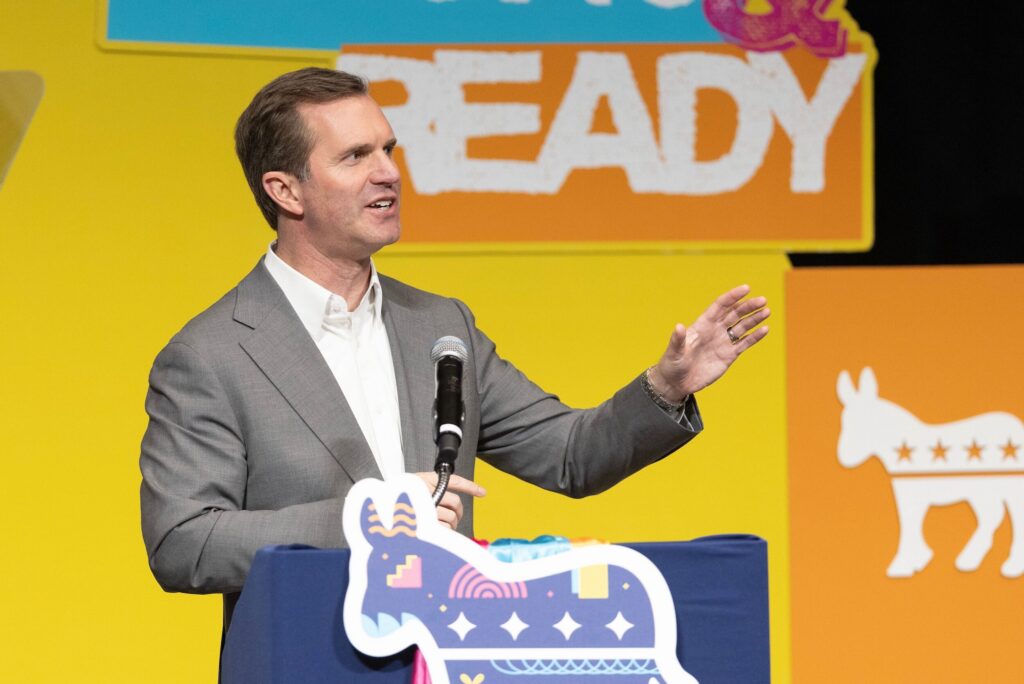
Kentucky Gov. Andy Beshear set to headline Colorado Democrats’ annual fundraising dinner
Ernest Luning
ernest.luning@coloradopolitics.com
Updated 2 weeks ago
Kentucky Gov. Andy Beshear, one of the Democrats’ top 2028 presidential prospects, is scheduled to deliver the keynote address at the Colorado Democratic Party’s annual fundraising dinner in June in Denver, the party said Friday. Serving his second term as...
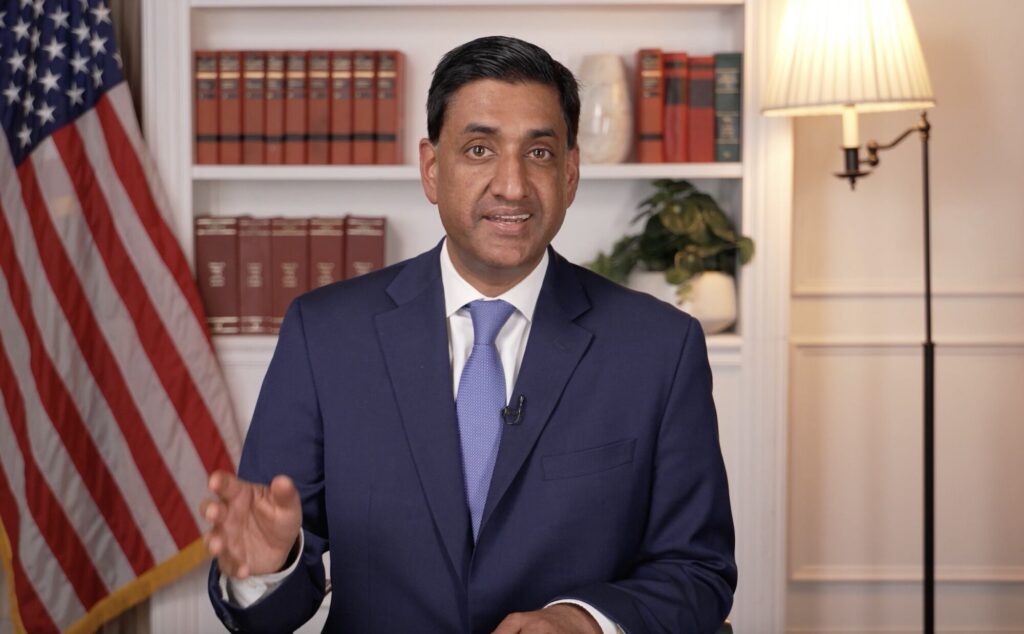
Denver Democrat Neal Walia lands endorsement from Ro Khanna in Colorado’s state House District 9
Ernest Luning
ernest.luning@coloradopolitics.com
Updated 1 week ago
California Rep. Ro Khanna on Friday endorsed legislative candidate Neal Walia in the race for an open state House seat, praising the Denver Democrat’s commitment to public service and progressive goals. Walia, who mounted an unsuccessful challenge against U.S. Rep....
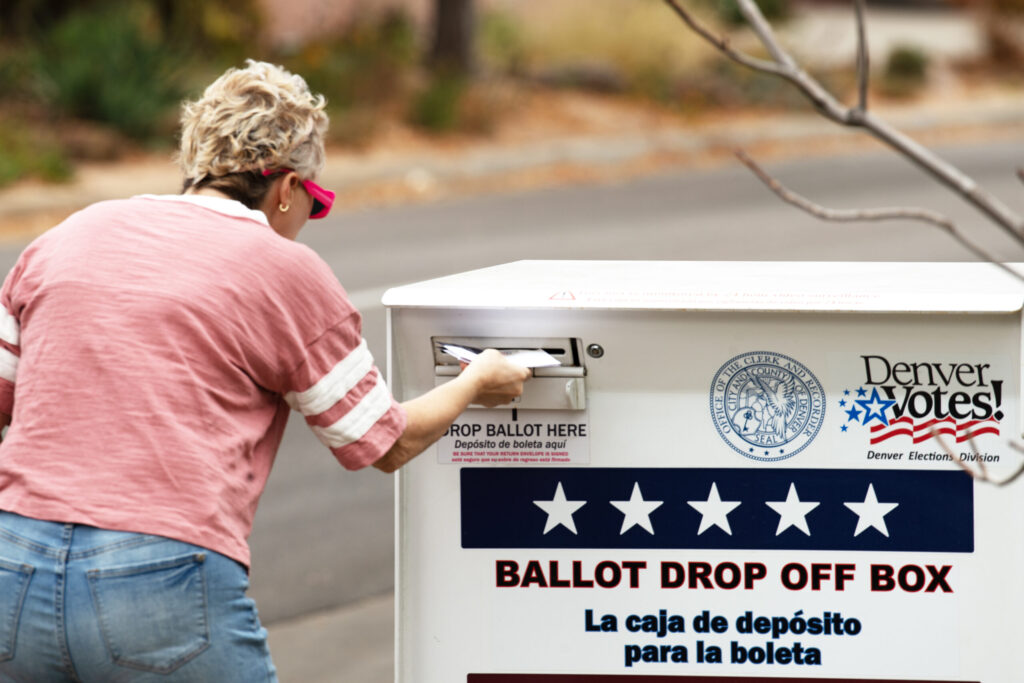
Judge rules that Colorado law makes it too hard for parties to bar unaffiliated voters from primaries
Ernest Luning
ernest.luning@coloradopolitics.com
Updated 2 weeks ago
A federal judge ruled in favor of the Colorado Republican Party late Tuesday, saying that a portion of the state law that allows unaffiliated voters to cast ballots in party primaries is unconstitutional because it imposes an unrealistic burden on...
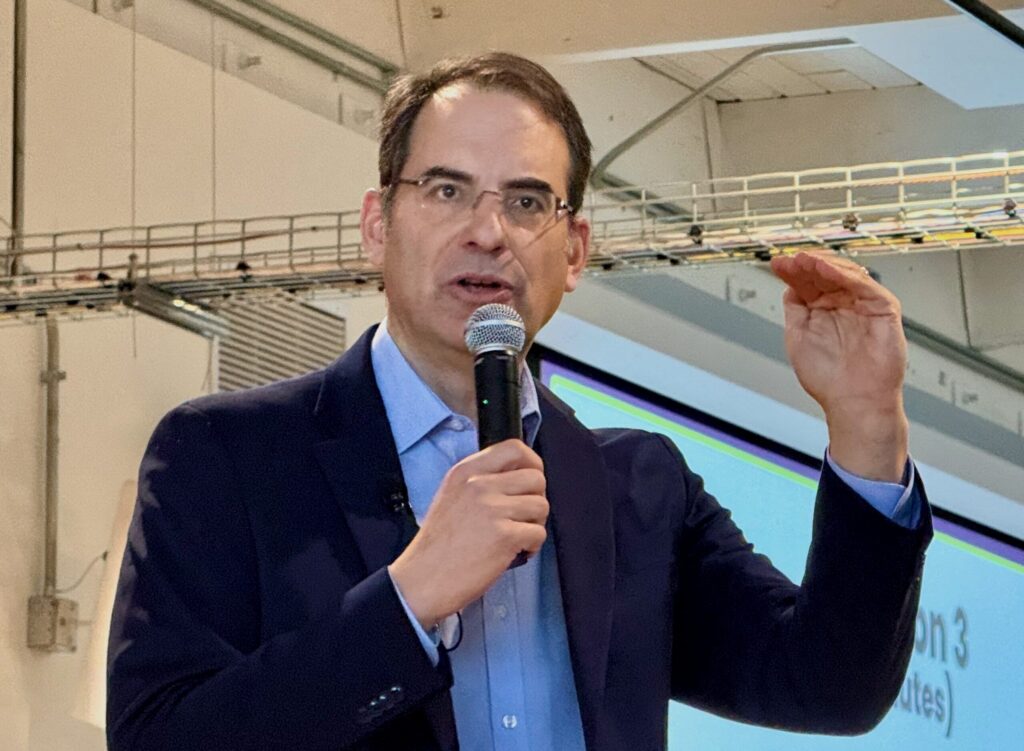
Phil Weiser wins top spot in Colorado’s Democratic gubernatorial primary at party’s state assembly
Ernest Luning
ernest.luning@coloradopolitics.com
Updated 2 weeks ago
Attorney General Phil Weiser’s name will appear first on Colorado’s Democratic gubernatorial primary ballot after his overwhelming win Saturday at the party’s state assembly in Pueblo. Weiser joins U.S. Sen. Michael Bennet in the June 30 primary for the office...
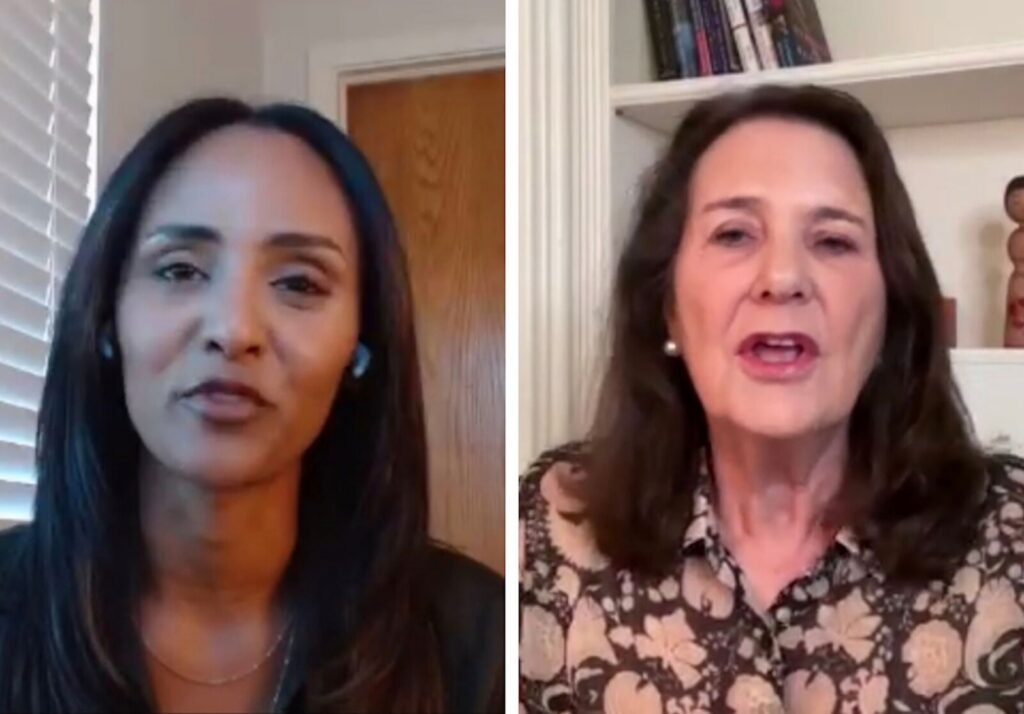
Denver Democrat Diana DeGette trails challenger Melat Kiros at assembly as both qualify for primary
Ernest Luning
ernest.luning@coloradopolitics.com
Updated 2 weeks ago
U.S. Rep Diana DeGette, a Denver Democrat, qualified for Colorado’s June primary by the skin of her teeth Friday at the party’s district assembly, where the 15-term incumbent received fewer than half as many delegate votes as her challenger, 28-year-old...
Seligman, Bridges, Gonzales lead downballot races heading into Colorado Democrats’ state assembly
Ernest Luning
ernest.luning@coloradopolitics.com
Updated 3 weeks ago
As Colorado Democrats prepare to designate candidates to the June primary ballot at the party’s state assembly in Pueblo on Saturday, three candidates appear poised to win top-line designation in downballot statewide races, according to data compiled by the state...
Democratic US Sen. John Hickenlooper qualifies for Colorado primary by petition, will skip assembly
Ernest Luning
ernest.luning@coloradopolitics.com
Updated 2 weeks ago
U.S. Sen. John Hickenlooper has qualified for Colorado’s Democratic primary after the first-term incumbent submitted enough valid petition signatures to make the ballot, state officials said. Hickenlooper is facing primary challenges from state Sen. Julie Gonzales, D-Denver, and university professor...
PREV
PREVIOUS

Colorado saw job losses for the first time since pandemic
Colorado’s job market last year appears to have been dimmer than it was originally believed to have been, new state data revisions show. The labor market wasn’t slowly growing, but rather it contracted in 2025. The state saw job losses for the first time since the pandemic last year, according to annual benchmarking data released […]

Colorado Democrat John Hickenlooper pulls in nearly $1.4M in 1st quarter, heads into primary with $4M
U.S. Sen. John Hickenlooper’s campaign raised nearly $1.4 million in the first quarter of 2026 and plans to report more than $4 million on hand heading into Colorado’s June primary, the first-term Democrat’s campaign said Thursday. That brings Hickenlooper’s total receipts to about $9 million since the former two-term governor took office in 2021. He’s […]