

Colorado House opens debate on $46.8B budget already showing strain
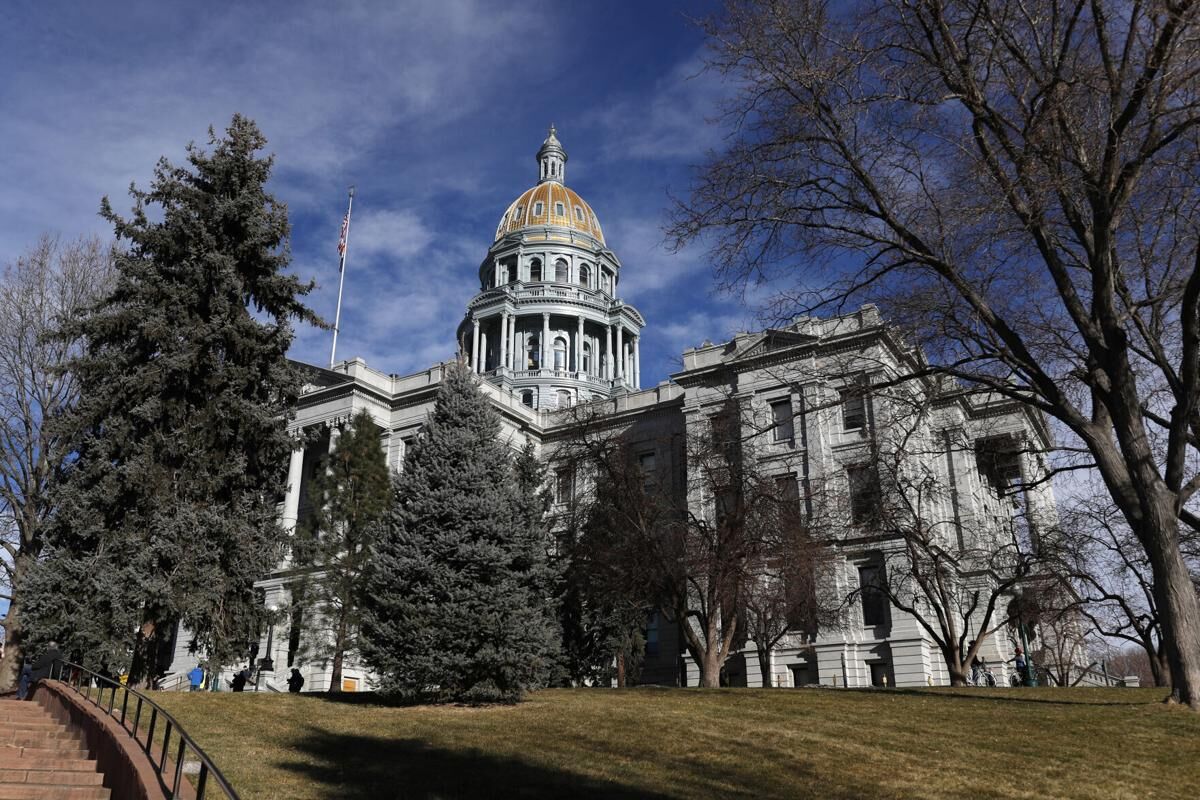
With rising Medicaid costs, no dollars set aside for new legislation and dozens of bills still seeking funding, Colorado lawmakers on Wednesday began debating the proposed $46.8 billion budget that is already proving difficult to keep on track.
By the time the main budget measure and its 64 accompanying “orbital” bills — which rely on statutory changes to keep the budget balanced — reached the House floor, the spending plan may already have been out of balance.
Colorado legislators are constitutionally required to adopt a balanced budget each year.
On Tuesday, the House Appropriations Committee rejected a bill that would have repealed Medicaid reimbursement for equine therapy, a change projected to save $181,000.
With that bill failing, the Joint Budget Committee will now have to find another way to account for those savings.
Regarding equine therapy, Sen. Judy Amabile, D-Boulder, one of the six members of the Joint Budget Committee, said it’s possible the legislators didn’t receive accurate cost information and that they will be looking into it.
The state Medicaid program is among the biggest drivers of spending increases in Colorado, and some have pointed to equine therapy and similar expansions of services as among the reasons for that fiscal predicament.
The hike in state Medicaid costs has prompted lawmakers to look into how to better manage benefit applications. Medicaid has been driving overspending both in the 2025-26 fiscal year and in the upcoming state budget that goes into effect on July 1 — the result, some said, of over-utilization of services.
The state program that provides health coverage to low-income residents is also beset by allegations of waste, fraud and abuse, while its leadership has been accused of mismanagement. Congress is investigating the fraud allegations.
Democrats have additionally blamed Congress for Colorado’s fiscal woes, arguing the federal budget changed the revenue equation and caused the state budget to go unbalanced. Republicans, meanwhile, said the state’s fiscal problems resulted from Democrats’ decisions, including refusing to reduce spending even when they knew the state is facing major deficits ahead.
Speaking to reporters on Wednesday, Amabile said that the panel used a lot of one-time funds to balance the state’s spending plan last year.
“This year, we actually had to make real cuts that people are feeling,” she said.
She said the Joint Budget Committee respected each member’s priorities, as they planned the proposed budget, and found compromises.
Amabile also said an upcoming bill will create a centralized way for people to apply for Medicaid and Supplemental Nutrition Assistance Program benefits.
Currently, people apply in individual counties, but that’s not cost-effective for very small counties. The idea, she said, is to examine regional collaboration among counties on benefits applications, an approach that has been successful in other states.
Amabile said the change could also help Colorado lower its SNAP error rate. A high rate of mistakes — both overpayments and underpayments — forces the state to absorb a greater share of the program’s costs. In 2024, Colorado’s error rate stood at 9.97%.
Starting in 2028, states with an error rate above 6% will see their federal SNAP funding cut, and they will have to make up the difference.
Traditionally, the Joint Budget Committee also sets aside money for legislation still moving through the Colorado General Assembly, known as a “set-aside.”
Even in tight budget years, the set-aside has been available, usually around $30 million.
Not this year.
Amabile said lawmakers may be able to figure out how to pay for priority legislation, but there’s no set-aside specifically designated for that purpose.
As of April 7, there are 64 House bills and 43 Senate bills with costs attached to them, totaling more than $3 million in general funds. There are also those seeking cash funds, with the largest being the annual state water projects bill at $221 million. That’s a combination of loans and grants, funded by severance taxes and loan principal payments.
Amabile said she thinks legislators are working to eliminate the price tags on their bills.
The Democrat also mentioned three upcoming bills aimed at reducing the state’s prison population: One focuses on prison population management, another on earned time, and the third on juvenile and young adult reintegration, known as JYACAP.
She noted that the agreement to allow the Department of Corrections to seek funding to lease bed space in private prisons is an alternative to the governor’s request for approval to open another prison.
Amabile couldn’t speculate on whether those changes would occur in time to relieve the strain on prison capacity.
Finally, Amabile addressed the bill that would allow Pinnacol Assurance — the state’s workers’ compensation insurer of last resort — to fully separate from the state.
Amabile, along with McCluskie and fellow JBC member Rep. Rick Taggart, R-Grand Junction, is sponsoring the measure, which has not been introduced.
The draft bill calls for $300 million to be paid to the state, which would be spent on the following:
- $43 million to the general fund to be appropriated for an increase in the medicaid provider rate
- $20 million to the controlled maintenance trust fund
- $40 million to the state affordable housing fund
- $27 million to the general fund for additional temporary funding to the Department of Higher Education. (Higher education’s budget was cut by $11 million in general funds in the 2026-27 budget)
- $100 million to the state education fund
- $20 million to the postsecondary talent cash fund, which was created in the bill
- $50 million to the capital construction fund to be expended for the construction of a state hospital
Whatever is left will go to the state’s general fund reserve.
If the bill passes, would that money be available in 2026-27?
Amabile noted lawmakers can only budget to the current law, but, she said, it is a long shot that the funds would be available in the next fiscal year.

Democratic candidate in Colorado’s 4th CD urges long-term water planning
Marianne Goodland
marianne.goodland@coloradopolitics.com
Updated 8 hours ago
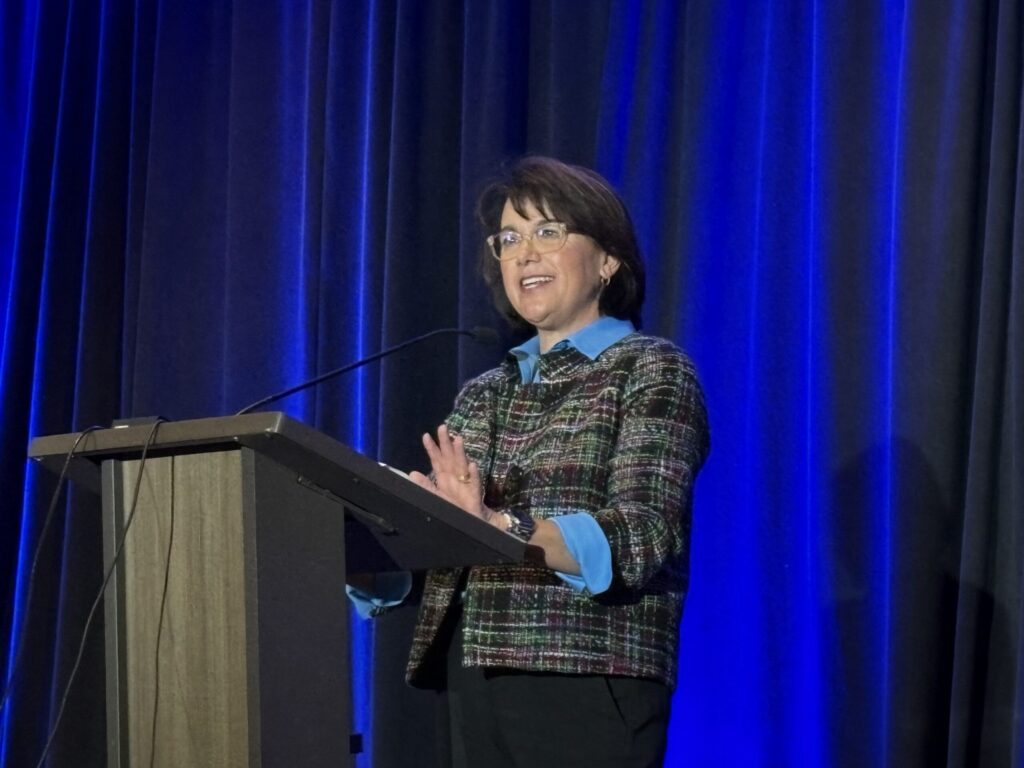
The Democrat hoping to become the next representative of Colorado’s 4th Congressional District on Thursday made her case on the final day of Colorado Water Congress in Steamboat Springs. Eileen Laubacher, who spent 34 years in the U.S. Navy and...

Castle Rock council declines to censure member accused of misconduct
Nicholas Fogleman
nicholas.fogleman@denvergazette.com
Updated 1 day ago
A Castle Rock Town Council meeting Tuesday became consumed by allegations that a councilmember attempted to trade a town policy decision for the withdrawal of a recall effort against him. The allegations against Councilmember Mark Davis surfaced during public comment...
Proposal to cap Colorado income tax rate qualifies for November ballot
Thelma Grimes
thelma.grimes@coloradopolitics.com
Updated 1 day ago
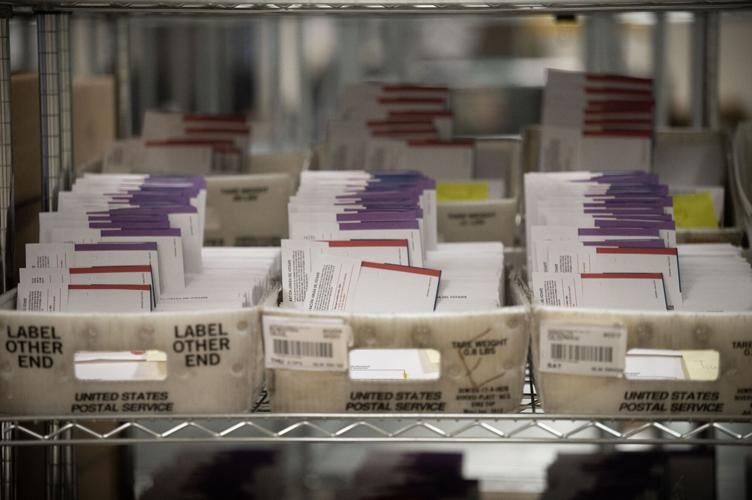
Election officials on Thursday confirmed that the proposal to cap the state’s income tax at the current rate submitted signatures and voters will consequently decide its fate this November. The fight over tax rates is part of the tug and...
Healthcare Freefall: Telluride mother’s roadside birth underscores shrinking access to OB care in Colorado
Rachael Wright, Special to Colorado Politics
rachael.wright@coloradopolitics.com
Updated 7 hours ago
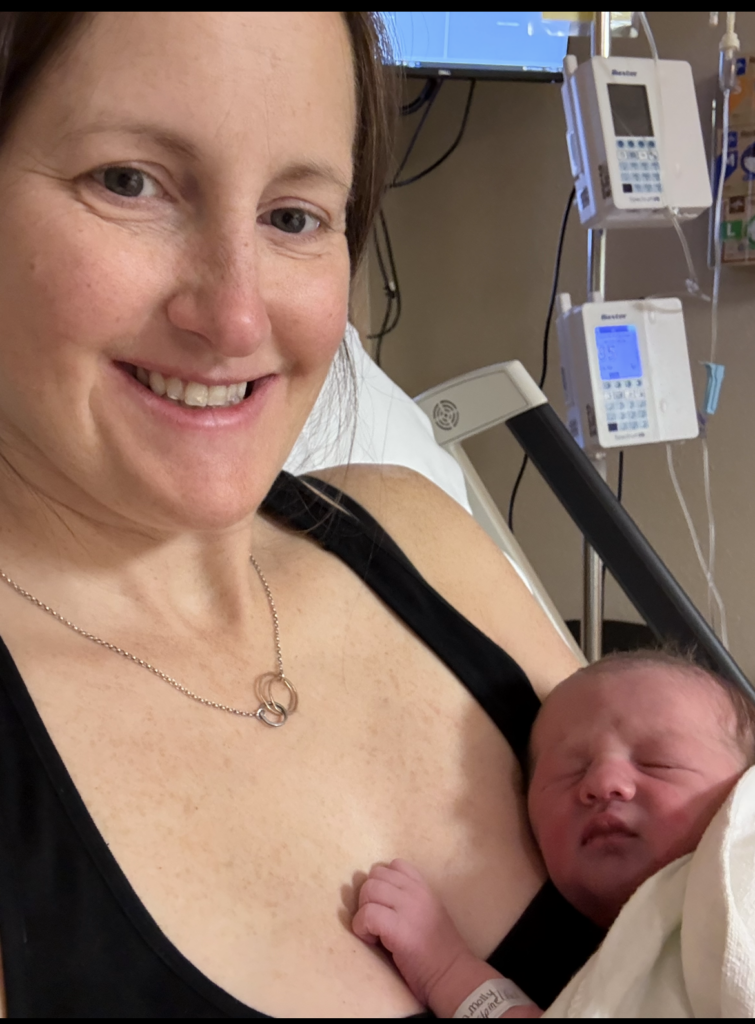
Editor’s Note: Colorado’s healthcare system is entering a period of accelerating instability — a “tsunami,” as multiple leaders describe it — driven by collapsing hospital finances, shrinking Medicaid reimbursements, disappearing services and a political fight over who is responsible for...

Healthcare Freefall: Longer drives, fewer options for maternity care in Colorado
Thelma Grimes
thelma.grimes@coloradopolitics.com
Updated 1 day ago
Editor’s Note: Colorado’s healthcare system is entering a period of accelerating instability — a “tsunami,” as multiple leaders describe it — driven by collapsing hospital finances, shrinking Medicaid reimbursements, disappearing services and a political fight over who is responsible for...
Healthcare freefall: Breast cancer survivor shares strain of rural treatment travel
Hap Fry, Special to The Gazette
hap-fry@gazette.com
Updated 7 hours ago
Editor’s Note: Colorado’s healthcare system is entering a period of accelerating instability — a “tsunami,” as multiple leaders describe it — driven by collapsing hospital finances, shrinking Medicaid reimbursements, disappearing services and a political fight over who is responsible for...

Judge grants partial injunction to GEO in fight against state health inspection law
Kyla Pearce
kyla.pearce@gazette.com
Updated 2 days ago
A judge ruled Thursday that The GEO Group does not have to follow parts of a new state law requiring more frequent health and safety inspections at the U.S. Immigration and Customs Enforcement processing center in Aurora. Under the order...
Parker man faces 20 years to life for serial sexual assaults
Nicholas Fogleman
nicholas.fogleman@denvergazette.com
Updated 2 days ago
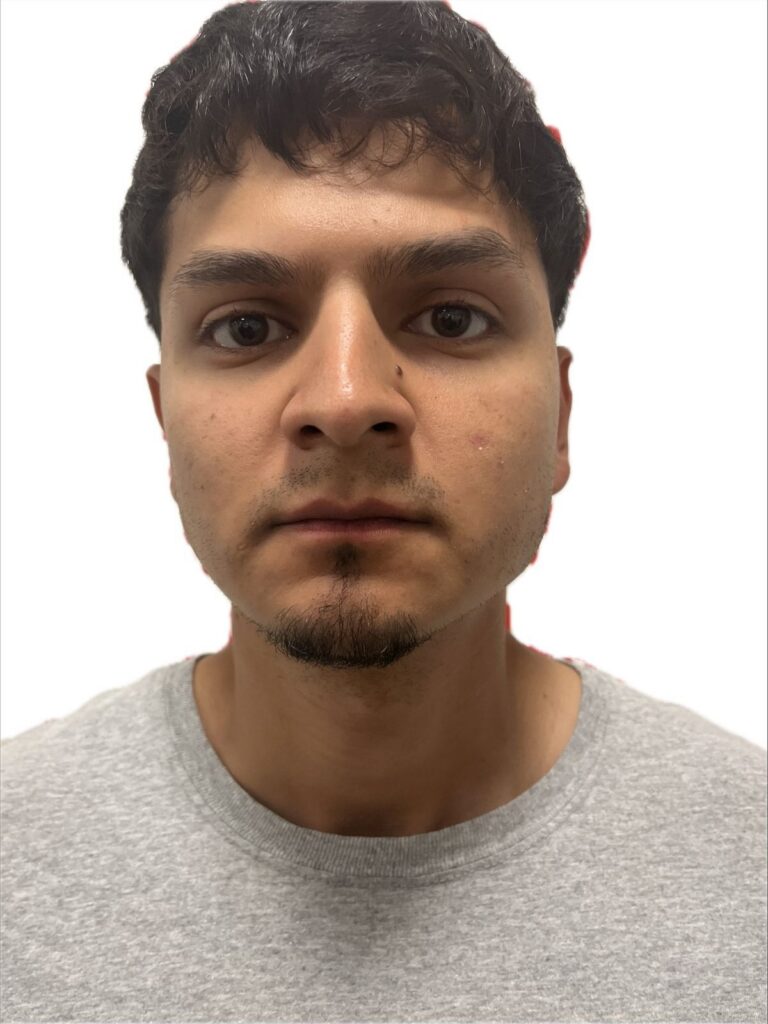
A 25-year-old Parker man who sexually assaulted three women in 2025 pleaded guilty Wednesday and will serve 20 years to life in prison. Javier Rodriguez-Andrade pleaded guilty to charges stemming from three sexual assaults involving women ages 19 to 24. ...
Douglas County moves to Stage 1 fire restrictions following recent rain
Nicholas Fogleman
nicholas.fogleman@denvergazette.com
Updated 2 days ago
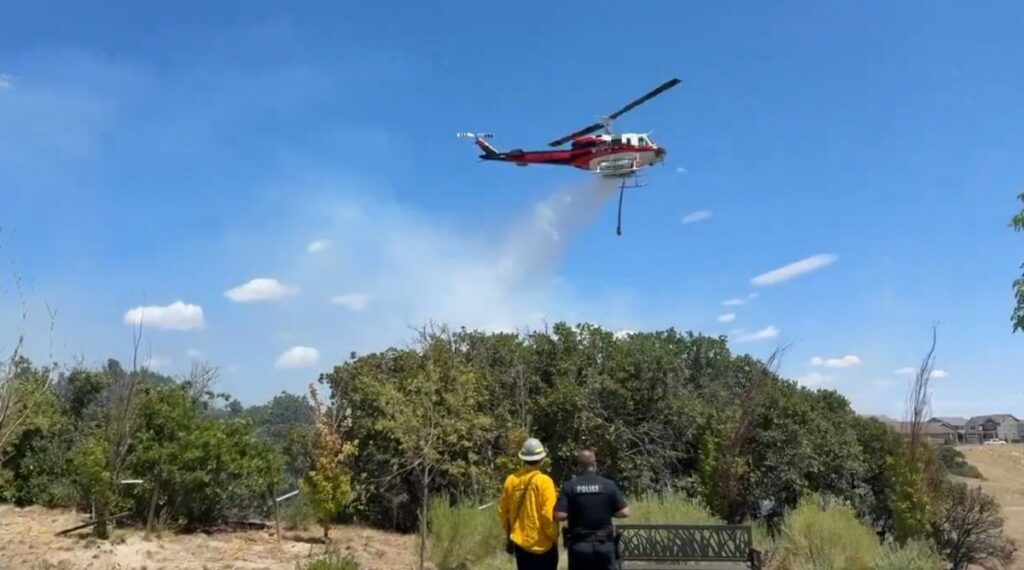
Douglas County has downgraded its fire restrictions from Stage 2 to Stage 1 on Thursday following recent rainfall and moderate fire conditions, according to the Douglas County Sheriff’s Office. The change applies to unincorporated Douglas County, as well as the...
Democratic gubernatorial candidate Phil Weiser promises to appoint rural outreach director, water adviser
Marianne Goodland
marianne.goodland@coloradopolitics.com
Updated 1 day ago
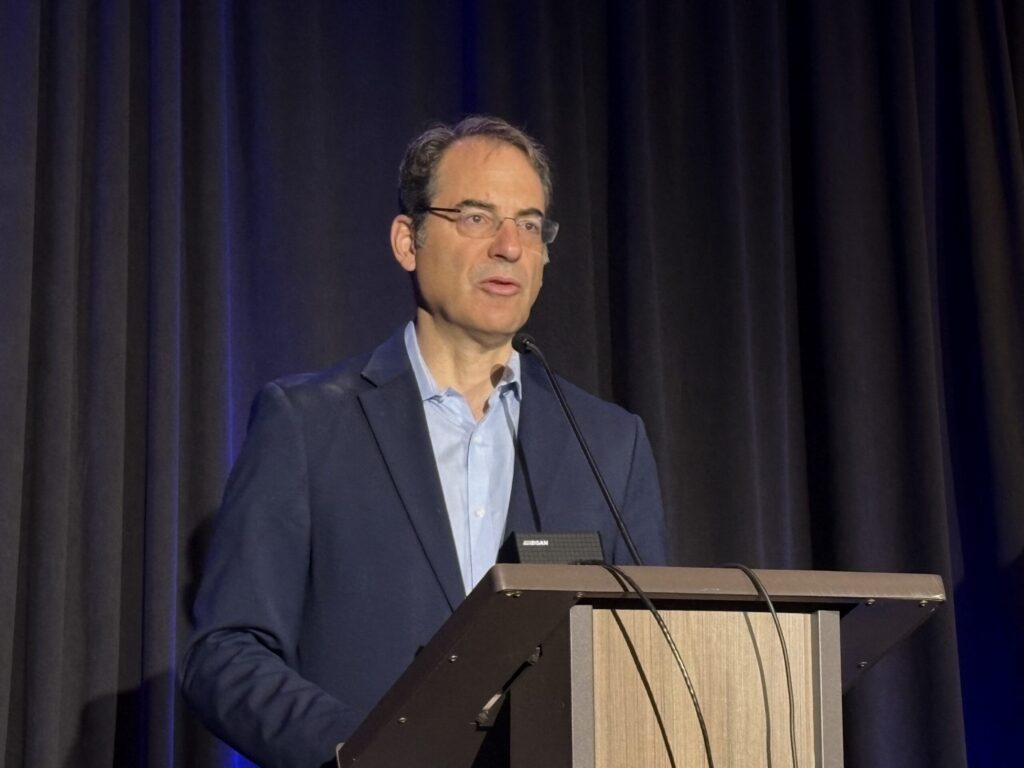
Democratic gubernatorial candidate and current Attorney General Phil Weiser told the Colorado Water Congress Thursday he intends to appoint a rural outreach director and a water policy adviser should he win the election in November. Weiser’s speech at the Steamboat...
PREV
PREVIOUS

George Brauchler on Colorado's 'Jailbreak' | The OpEdge Podcast
We are pleased to introduce the inaugural episode of The OpEdge — The Gazette’s new opinion podcast. District Attorney and law enforcement hawk George Brauchler tells host and investigative columnist Jimmy Sengenberger what lawbreakers can expect in the 23rd Judicial District. Brauchler recaps his recent commentary for The Gazette — “Jailbreak” — detailing legislative Democrats’ efforts to empty Colorado […]
Federal judge finds no constitutional violation by Huerfano County well inspectors
A federal judge concluded last month that two Huerfano County employees did not engage in an unconstitutional search when they approached the plaintiffs’ camper within 40 feet to investigate a potential code violation. In July 2021, the county’s building inspector, Terry Sandoval, received a complaint about improper well construction on property designated for agricultural use. […]