

Set appropriate state guidelines for critical surveillance technology | OPINION

I admit it: I’m worried. I’m hearing a lot about surveillance in the public arena. I hear cameras are capturing my car’s license plate wherever I drive, my face as I go in and out of stores and health facilities, and that it’s all used to compile detailed information about me. I read news articles about our personal data being stored for years, in case we need to be tracked sometime in the future or sold to companies for marketing purposes. Too often, these surveillance technologies are concentrated in communities of color and working-class neighborhoods, amplifying harm for those already facing systemic inequities. It seems as if fear is driving the narrative around public safety: we don’t trust our neighbors, the police, or the government.
I’m worried because this technology has the potential to cause intense distrust between residents and those who work to maintain public safety — if it’s not used properly. For example, apprehending people without a judicial warrant goes against our Fourth Amendment rights. Using the technology to stalk or harass another person is wrong. Using the technology to target certain groups of people perpetuates racist stereotypes. Each of these examples has actually happened — and a lot more besides. Abuse of surveillance technology is the fastest way to destroy the fabric of community, all for want of some ground rules.
That’s what SB26-070 is proposing: ground rules and guidelines for surveillance technology that protect all of us, no matter our race, background, or income.
I’m retired now, but for the past several years I’ve volunteered in training new recruits for the Denver Police Department, helping prepare officers to serve communities of all cultures and races. It is deeply rewarding work. I believe in law enforcement. My brother-in-law is a retired FBI agent and former police officer. I was raised to believe officers stand between us and harm. I know that trust between our communities and those who serve is essential for a society where everyone can feel safe, and that kind of trust is only possible when we all, across race and class, are treated fairly and with dignity.
I know surveillance can be a useful tool in law enforcement’s ability to keep us safe when used responsibly. It has been used to find hit-and-run drivers, to locate abducted children and stolen cars, to catch bank robbers, and to apprehend those who are involved in road rage incidents, just to name a few. When implemented with care and oversight, it has far-reaching potential to enhance our sense of safety as we go about our daily lives.
SB26-070 is about setting appropriate guidelines for critical surveillance technology, and with the same protocols, no matter who is using it. It’s all about the data — how it’s stored and used, not about taking the technology away. When we trust that tools are used properly and fairly, it’s much easier to trust our public safety agencies.
As I re-read the bill, I am confident it does not prohibit the use of surveillance technology (such as Automatic License Plate Readers); instead, it strikes a balance between the need for public safety and personal privacy. It says if law enforcement wants to dig into my historical location data, they must first obtain a warrant — just like if they want to search my house — and with exceptions for exigent circumstances. This bill establishes oversight and accountability. It lays out sensible guardrails. It treats all of us equally. Please encourage your legislators to vote Yes on SB70.
Audrey Elling, Together Colorado leader and member of St. Luke’s United Methodist Church (UMC) in Highlands Ranch.


Colorado Senate committee advances bill increasing overtime threshold for farmworkers
Marianne Goodland
marianne.goodland@coloradopolitics.com
Updated 4 hours ago
The struggle to balance farmworker protections with the survival of Colorado’s family farms took center stage Thursday as senators debated two competing overtime bills. The Senate Business, Labor and Technology Committee held a rare double-bill hearing that led to a...

Colorado bill to fund mental health care with alcohol taxes defeated in House committee
Marissa Ventrelli
marissa.ventrelli@coloradopolitics.com
Updated 2 hours ago
A second measure proposing that alcohol producers and wholesalers in Colorado help fund mental health care treatment in the state was narrowly defeated in the House Health and Human Services Committee on Wednesday. House Bill 1301, sponsored by Rep. Bob...
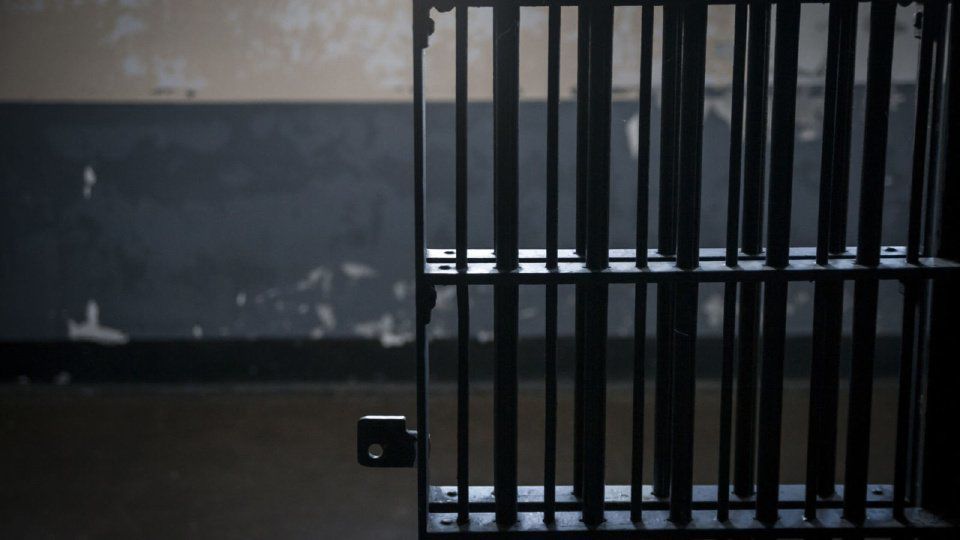
Lawsuit targets Gov. Polis, Colorado officials for holding juveniles after court‑ordered release
Marissa Ventrelli
marissa.ventrelli@coloradopolitics.com
Updated 2 hours ago
Colorado officials are facing a lawsuit alleging the state has kept minors in juvenile detention for days or months after judges ordered them released, largely because appropriate foster or community placements were not available. Two minors involved in Colorado’s criminal...

Trump switches endorsement back to Jeff Hurd, says Hope Scheppelman is ending run in Colorado’s 3rd CD
Ernest Luning
ernest.luning@coloradopolitics.com
Updated 1 hour ago
In a surprise twist, President Donald Trump on Friday said he was again endorsing Republican U.S. Rep. Jeff Hurd after pulling his support from the Grand Junction Republican last month and instead backing Hurd’s primary challenger in Colorado’s 3rd Congressional...

Puppy trafficking bill promotes inhumane breeding | OPINION
Colorado Politics
colorado-politics@coloradopolitics.com
Updated 17 hours ago
By Patti Strand When Justice Thurgood Marshall wrote “The Constitution does not prohibit legislatures from enacting stupid laws,” he wasn’t wrong. He was referring to a political process sometimes ill-equipped to deal with complex issues that require subject-matter knowledge and a...

Conservation Colorado proposes measures aimed at oil and gas companies
Marissa Ventrelli
marissa.ventrelli@coloradopolitics.com
Updated 1 day ago
The environmental group Conservation Colorado has introduced four ballot measures it says are in response to an initiative that aims to enshrine Colorado businesses’ and consumers’ right to purchase and sell natural gas in the state’s Constitution. Filed with the...
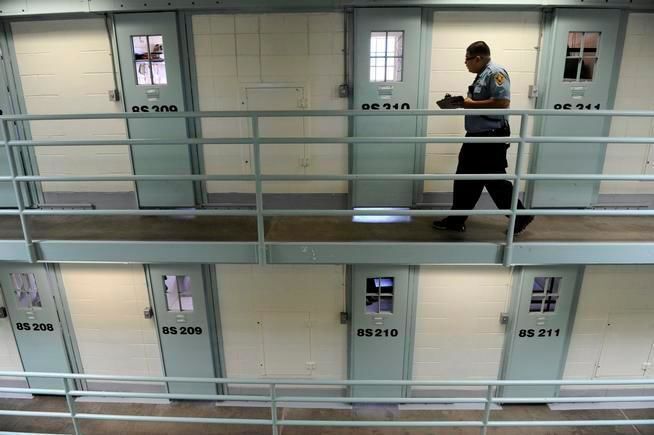
With jails overcrowding, Gov. Jared Polis asks for new prisons as lawmakers face budget shortfall
Marianne Goodland
marianne.goodland@coloradopolitics.com
Updated 1 hour ago
The Polis administration is asking for hundreds of millions of dollars to expand the state’s prison system, just as Colorado’s legislators are bracing for a worsening fiscal outlook. The request sets up a clash over priorities at a time when...
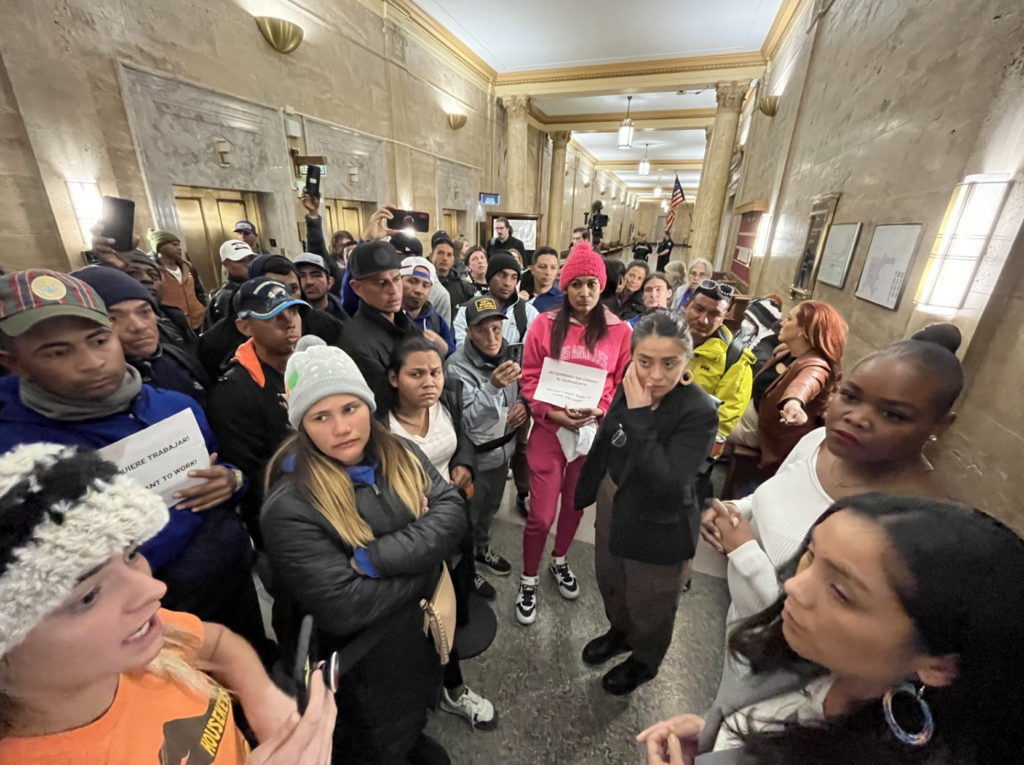
Costs explode for Colorado program covering pregnant women and children living in the U.S. illegally
Marianne Goodland
marianne.goodland@coloradopolitics.com
Updated 1 day ago
A state program providing health care to pregnant women and children living in the country illegally is costing far more than lawmakers expected, with expenses nearly tripling in just a year and threatening to squeeze Colorado’s budget amid a nearly...

Costs explode for Colorado program covering pregnant women and children living in the U.S. illegally
Marianne Goodland
marianne.goodland@coloradopolitics.com
Updated 2 days ago
A state program providing health care to pregnant women and children living in the country illegally is costing far more than lawmakers expected, with expenses nearly tripling in just a year and threatening to squeeze Colorado’s budget amid a $1...
Penny wise but foolish by pounds | Paula Noonan
Paula Noonan
paula-noonan@coloradopolitics.com
Updated 1 day ago
Leadership of Colorado’s General Assembly introduced the Fiscal Year 2026-2027 Legislative Appropriation bill, HB26-1333, at $75.72 million. That will be the budget to run the state legislature next year. About $74 million comes out of the general fund and the...
PREV
PREVIOUS

Puppy trafficking bill promotes inhumane breeding | OPINION
By Patti Strand When Justice Thurgood Marshall wrote “The Constitution does not prohibit legislatures from enacting stupid laws,” he wasn’t wrong. He was referring to a political process sometimes ill-equipped to deal with complex issues that require subject-matter knowledge and a deliberative process. He was concerned politics would supersede evidence-based decision-making, resulting in unjust outcomes. Were […]

Trump switches endorsement back to Jeff Hurd, says Hope Scheppelman is ending run in Colorado’s 3rd CD
In a surprise twist, President Donald Trump on Friday said he was again endorsing Republican U.S. Rep. Jeff Hurd after pulling his support from the Grand Junction Republican last month and instead backing Hurd’s primary challenger in Colorado’s 3rd Congressional District. In a post on his Truth Social platform, Trump said that Hope Scheppelman, the […]