Colorado justices, 4-3, order new murder trial due to wrongfully excluded evidence
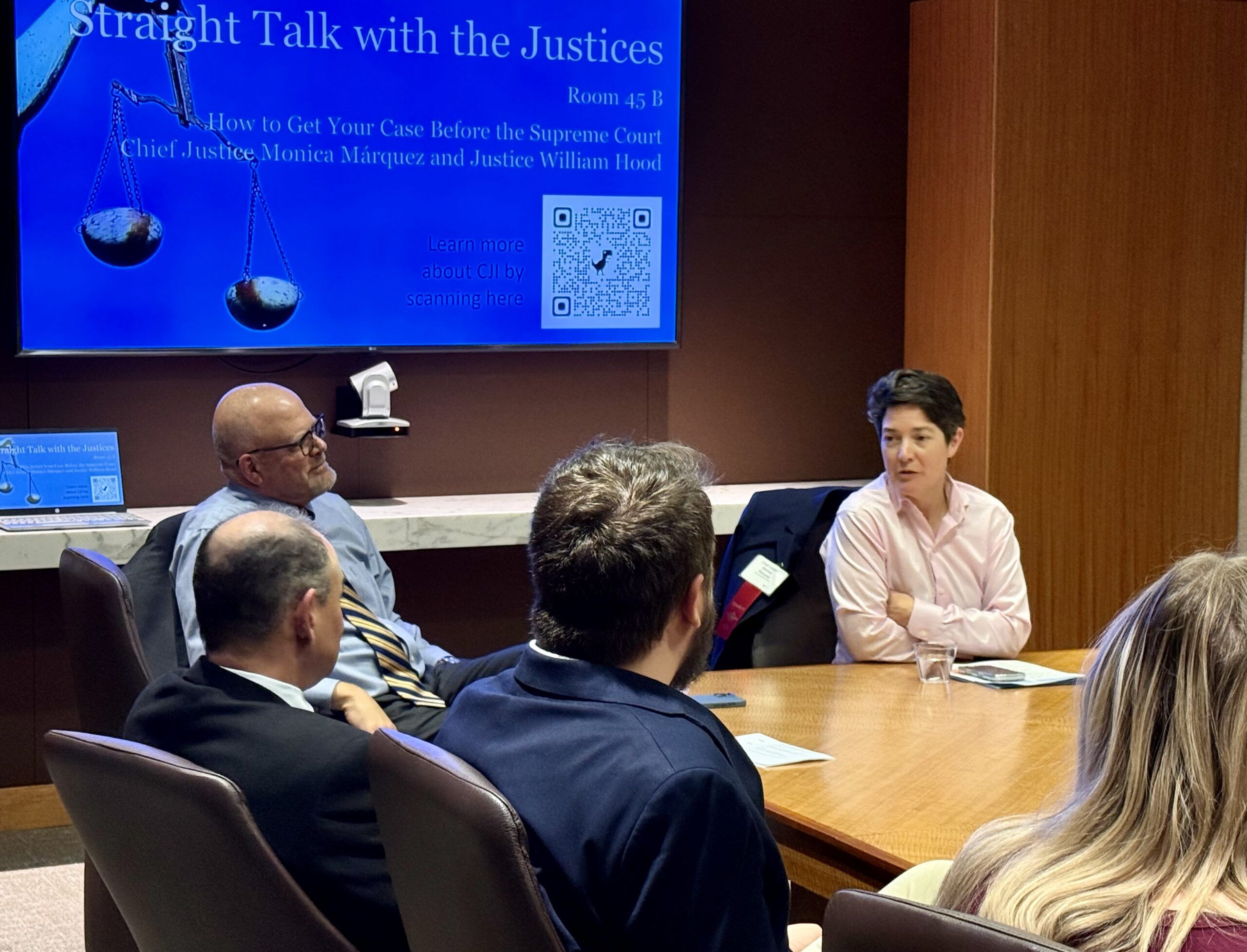
The Colorado Supreme Court agreed on Monday that a trial judge incorrectly faulted a defendant for refusing to cooperate in a mental health examination, even though the state’s hospital was the entity that botched its responsibility to evaluate her during the windows where she was competent.
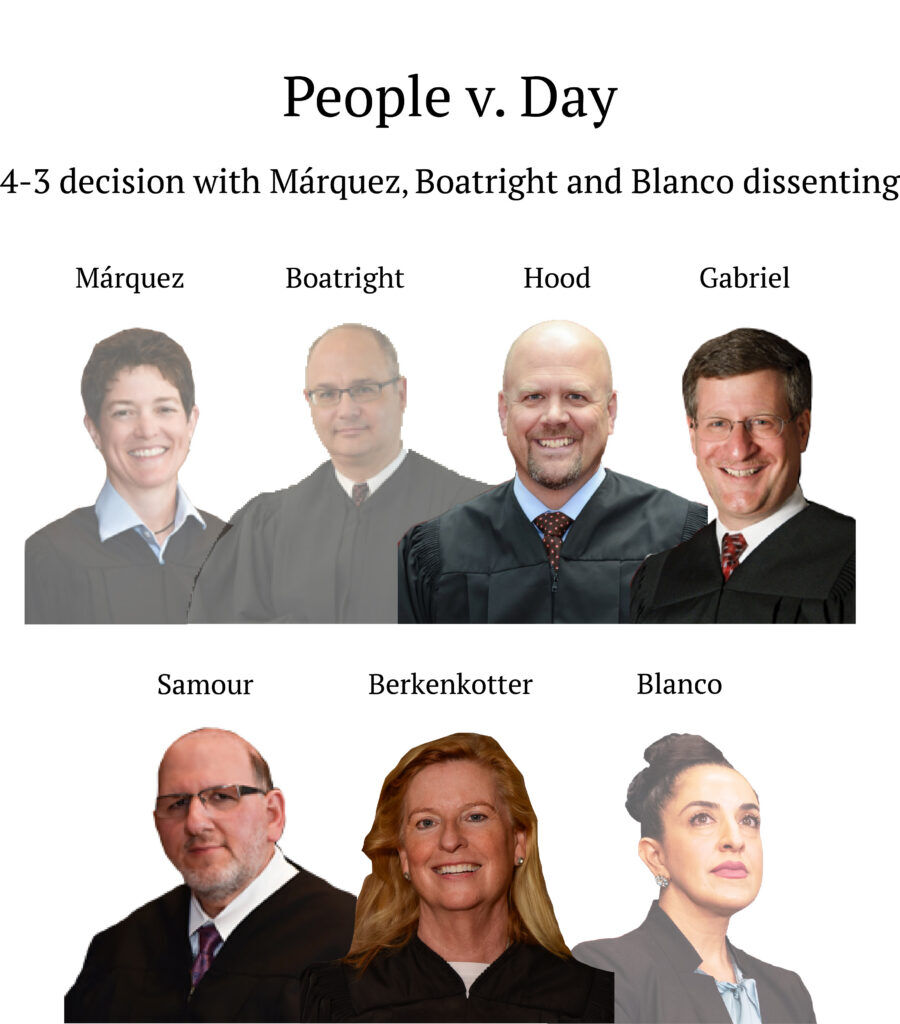
However, by 4-3, the justices concluded that the judge was also wrong to categorically exclude Maria Laida Day’s expert evidence of her mental condition from her murder trial. Although Day was under a court order to receive an evaluation from the Colorado Mental Health Hospital in Pueblo, the majority believed the defense was not obligated to remind everyone of the hospital’s failure to complete the task.
“Before the trial court excluded Day’s expert mental-condition evidence, it should have enforced its order by directing CMHHIP to examine Day while she was competent,” wrote Justice William W. Hood III in the March 16 opinion. “The issue had been front and center literally for years.”
Chief Justice Monica M. Márquez dissented. She wrote that the “frustrating series of events in this case are not the fault of any one party,” but she would have placed the burden to complete Day’s mental evaluation on a different entity — the defense, not the trial judge.
“At a minimum, defense counsel had an obligation to inform the court that the requisite examination had still not taken place and to seek enforcement of the court’s previous order. Defense counsel failed to do so,” Márquez wrote for herself and Justices Brian D. Boatright and Susan Blanco.
In 2015, Day ran over her boyfriend, John Martinez, in Leadville. She left the scene in her vehicle and Martinez later died of his injuries. After a lengthy delay for mental health issues and after the first trial ended in a mistrial, jurors found Day guilty of second-degree murder and other offenses in 2020.
Between the first and second trials, the prosecution sought to bar the testimony of the defense’s expert witness, who opined Day’s mental illness might have accounted for Day’s behavior and affected her judgment on the day of the hit-and-run. State law requires defendants who are not pursuing an insanity defense, but who still intend to introduce expert evidence of their mental condition, to give notice and undergo a court-ordered examination. That exam never happened for Day.
District Court Judge Catherine J. Cheroutes blocked the evidence, reasoning Day failed to cooperate with a state-provided mental health evaluation as a precondition.
However, a three-judge Court of Appeals panel concluded most of the expert’s opinions should have been allowed at Day’s second trial. Judge Terry Fox noted Day’s noncooperation with the state mental hospital was actually attributable to lengthy delays, mental deterioration in jail that affected her competency to proceed, and the facility’s failure to follow the trial judge’s orders.
“While the record reveals that the court and the parties used their best efforts to have an evaluation done,” she wrote, “we cannot hold CMHHIP’s failure to complete the evaluation against Day.”
The government appealed to the Supreme Court, maintaining the mental health evidence was properly omitted because, fundamentally, Day never completed the court-ordered exam required by law.
“It seems to me this statute sort of assumes that by the time the person is undergoing a mental condition examination, they’re competent,” said Justice Carlos A. Samour Jr. during oral arguments, adding that was not the case with Day. “I have a concern about that … when it appears that she was incompetent at that time. Do we hold her noncooperation against her?”
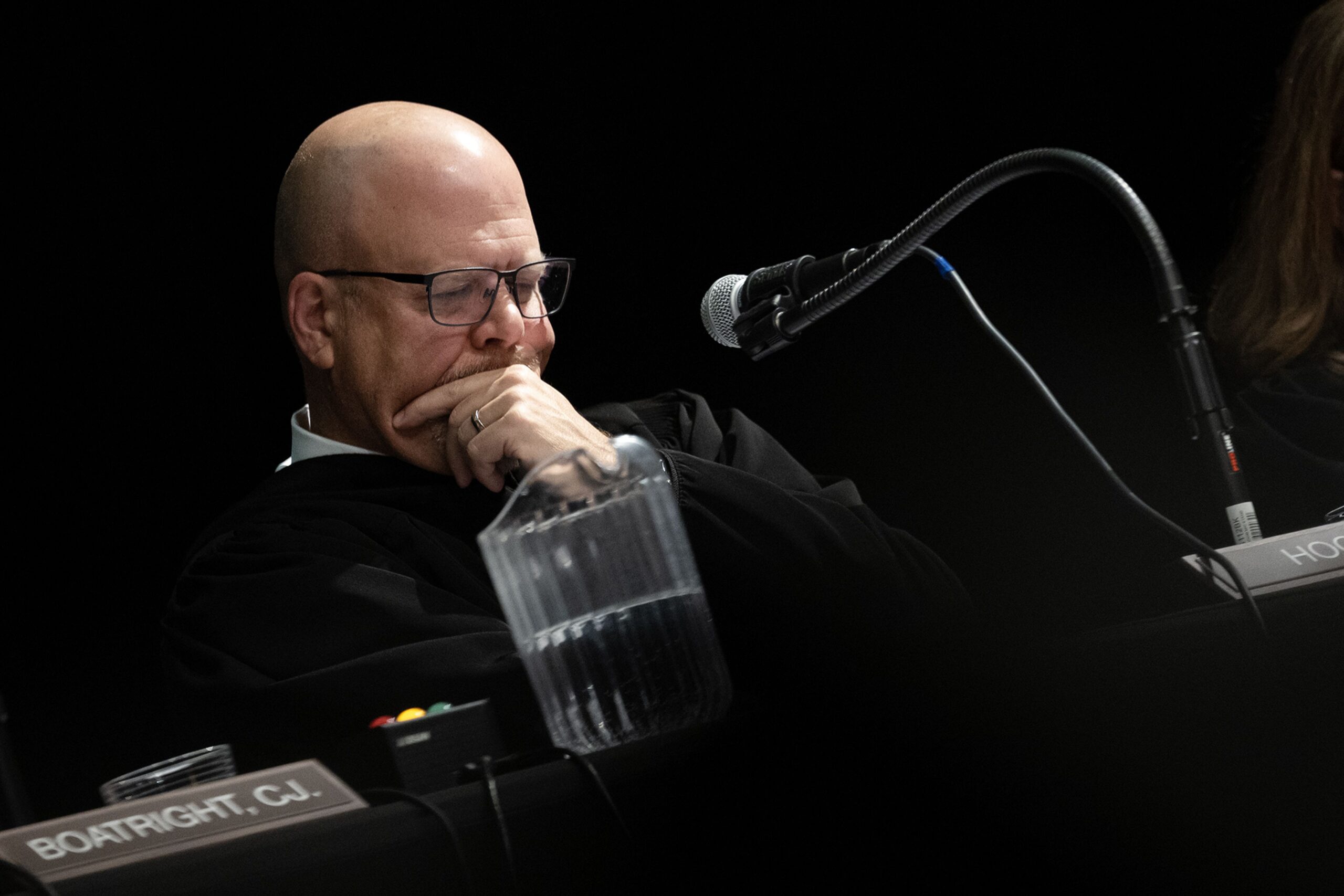
Hood observed that the prosecution relied heavily on Day’s emotionless demeanor after the hit-and-run to prove she knowingly killed Martinez. The blocked expert evidence could have placed her behavior in context for jurors.
“This feels like a ‘gotcha’,” said Hood. The defense made “two written requests, and you’re saying despite practically taking out a billboard that the defense wanted a mental condition evaluation … they should have done it a third time.”
“Nobody liked the way this turned out,” responded Senior Assistant Attorney General Frank R. Lawson.
The Supreme Court agreed with the Court of Appeals that Day could not be faulted for any noncooperation in her own mental health examination while she lacked the competency to proceed in her case.
“A mental-condition examination requires a defendant’s personal participation. And if a defendant can’t meaningfully participate in her defense, she likely can’t meaningfully participate in such an examination either,” wrote Hood.
He added that the state hospital never completed its court-ordered evaluation. Because Day was not at fault, the majority ordered a new trial for her.
Márquez, in dissent, argued the defense should have more forcefully pushed for a mental health examination for Day while she was competent. Márquez believed the law clearly prohibited Day’s expert evidence in the absence of an evaluation, and it was not the trial judge’s responsibility to push the hospital to comply on her own.
“The majority’s ruling today ignores the reality that trial courts rely on notification from the parties to effectively and proactively enforce their orders,” Márquez wrote.
There are five former trial judges currently on the Supreme Court. Three joined the majority opinion and two joined the dissent.
The case is People v. Day.


Overdose deaths from opioids dip in America — but not in Colorado, study says
Jacob Mauk
jacob.mauk@denvergazette.com
Updated 1 hour ago
Overdose deaths from opioids rose in Colorado, diverging from the national trend, which has been decreasing, according to a new study from a think tank. In its new report, the Common Sense Institute said synthetic opioid overdose deaths in Colorado...
Error-prone Douglas County judge triggers another reversal of criminal convictions
Michael Karlik
michael.karlik@coloradopolitics.com
Updated 18 hours ago
Colorado’s second-highest court overturned a defendant’s Douglas County convictions on Thursday due to the error of a judge whose actions have triggered a disproportionate number of reversals to convictions and sentences in recent years. Since 2021, the Court of Appeals...

Federal judge formalizes injunction blocking USDA’s ‘pilot project’ for Colorado food assistance
Michael Karlik
michael.karlik@coloradopolitics.com
Updated 18 hours ago
A federal judge formalized his order on Monday to prevent the U.S. Department of Agriculture from requiring Colorado to participate in a food assistance “pilot project,” finding that it violates the law, the U.S. Constitution, and “the bounds of reasoned...

Colorado justices speak about inner workings of court, analysis of appellate opinions | COURT CRAWL
Michael Karlik
michael.karlik@coloradopolitics.com
Updated 23 hours ago
Welcome to Court Crawl, Colorado Politics’ roundup of news from the third branch of government. Members of the state Supreme Court provided an inside look at the workings of their institution, and a Colorado Politics analysis found that some appellate...
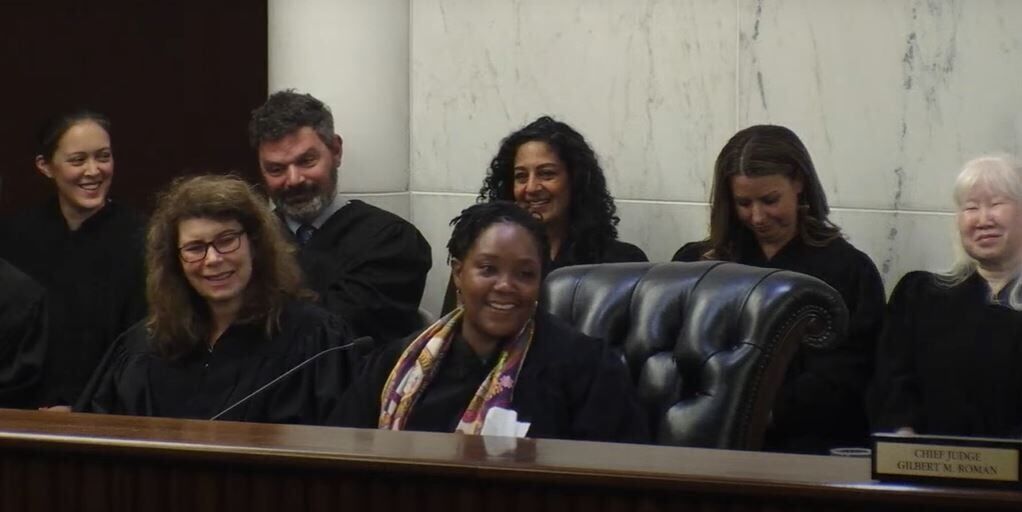
Appeals court finds no requirement for different judge to handle attorney-client conflict hearings
Michael Karlik
michael.karlik@coloradopolitics.com
Updated 24 hours ago
Colorado’s second-highest court rejected a defendant’s argument on Thursday that a judge improperly heard about a potential conflict between himself and his lawyer right before sentencing, and the man’s reaction could have “tainted” the sentencing decision. In September 2023, Anthony...
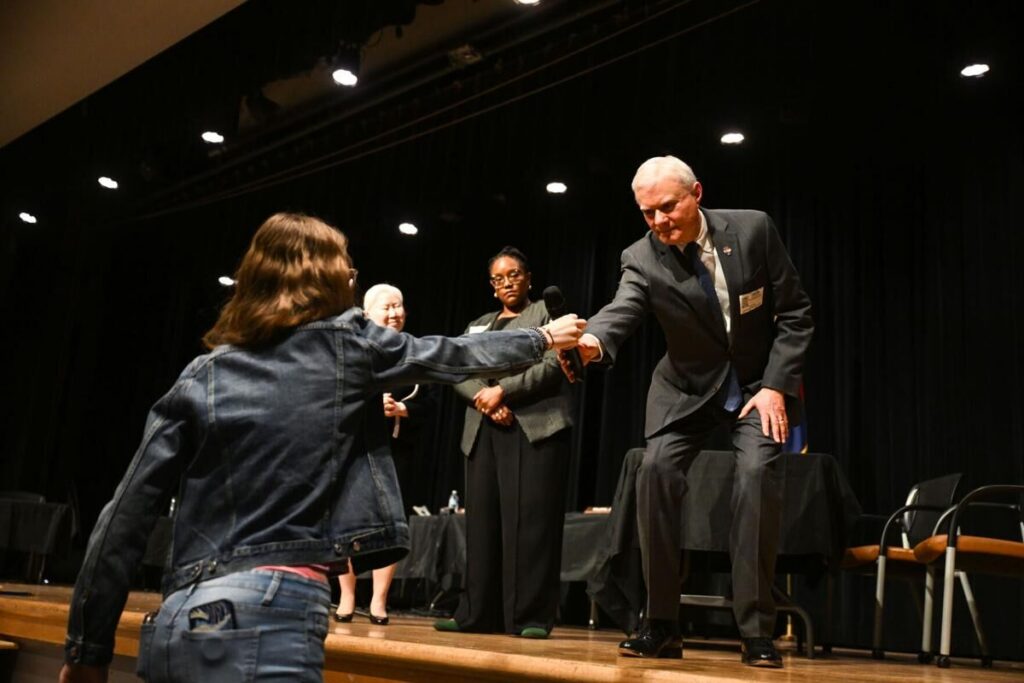
The influencers? Some Colorado appeals judges outpace colleagues in setting legal precedent
Michael Karlik
michael.karlik@coloradopolitics.com
Updated 23 hours ago
A handful of judges on Colorado’s second-highest court are producing substantially more precedent-setting opinions than their colleagues, which create binding interpretations of the law that reach beyond individual cases. The Court of Appeals issues approximately 1,700 opinions each year. A...
Colorado justices weigh fairness concerns after defendant prevailed despite ghosting case
Michael Karlik
michael.karlik@coloradopolitics.com
Updated 2 days ago
Members of the Colorado Supreme Court struggled on Tuesday to balance the need for one defendant to shield itself against a plaintiff’s claim that its employee sexually assaulted her child, and the fact that the employee legally admitted the allegations...
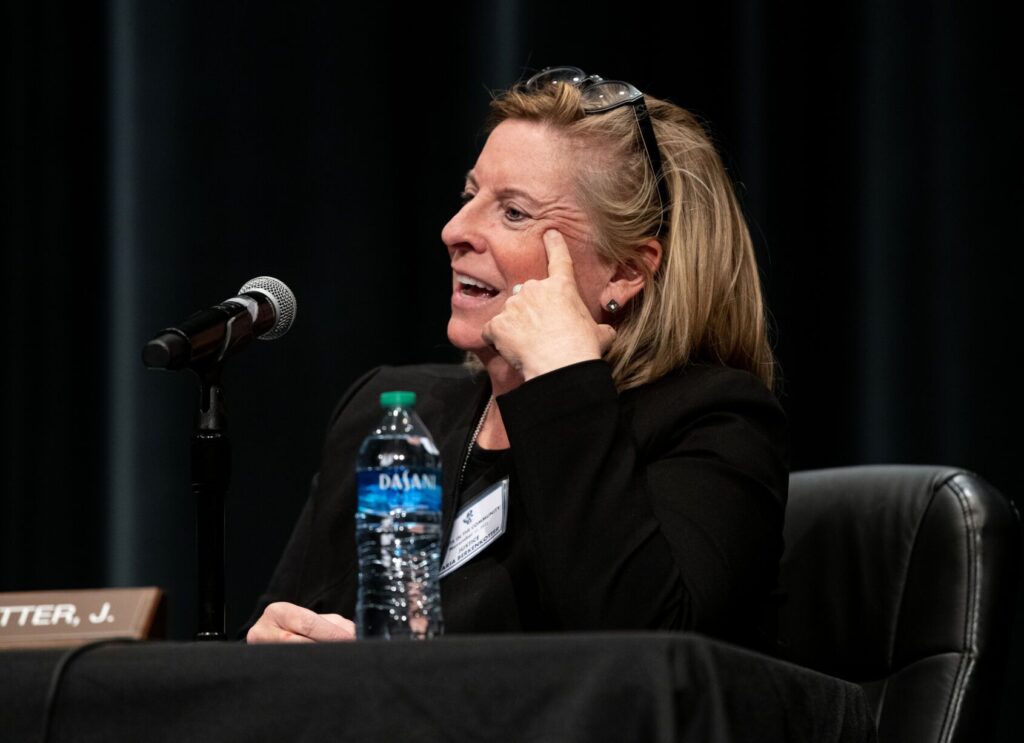
Colorado justices skeptical of appellate court’s limitation on prosecution’s appeal
Michael Karlik
michael.karlik@coloradopolitics.com
Updated 5 days ago
The Colorado Supreme Court seemed skeptical on Tuesday that Denver prosecutors should be barred from appealing a trial judge’s permanent dismissal of a criminal case, based upon the sequence of events after the original ruling. Prosecutors charged Quinn M. Jebe...

Federal judge: Government violated order shielding man from deportation in ‘one-off mistake’
Michael Karlik
michael.karlik@coloradopolitics.com
Updated 3 days ago
A federal judge acknowledged on Thursday that the government violated his order by deporting a man in immigration detention during his pending court case, but it “serves nobody’s interests” to require the government to return him. On Feb. 18, Tesfami...
Colorado Supreme Court lifts curtain on decision-making at legal event
Michael Karlik
michael.karlik@coloradopolitics.com
Updated 5 days ago
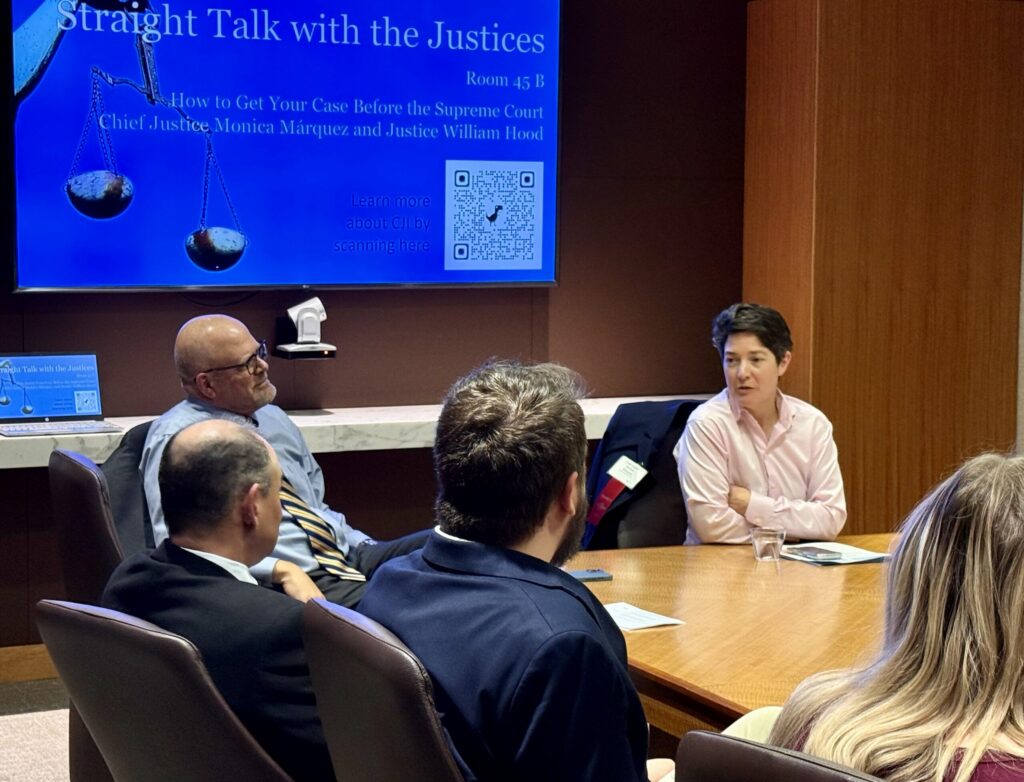
Members of the Colorado Supreme Court sat down with lawyers on Wednesday to answer questions about behind-the-scenes topics, including what happens immediately after an appeal is argued, why they might intervene in an ongoing case, and the consequence of a...