U.S. House probes reports of fraud, waste in Colorado’s Medicaid program
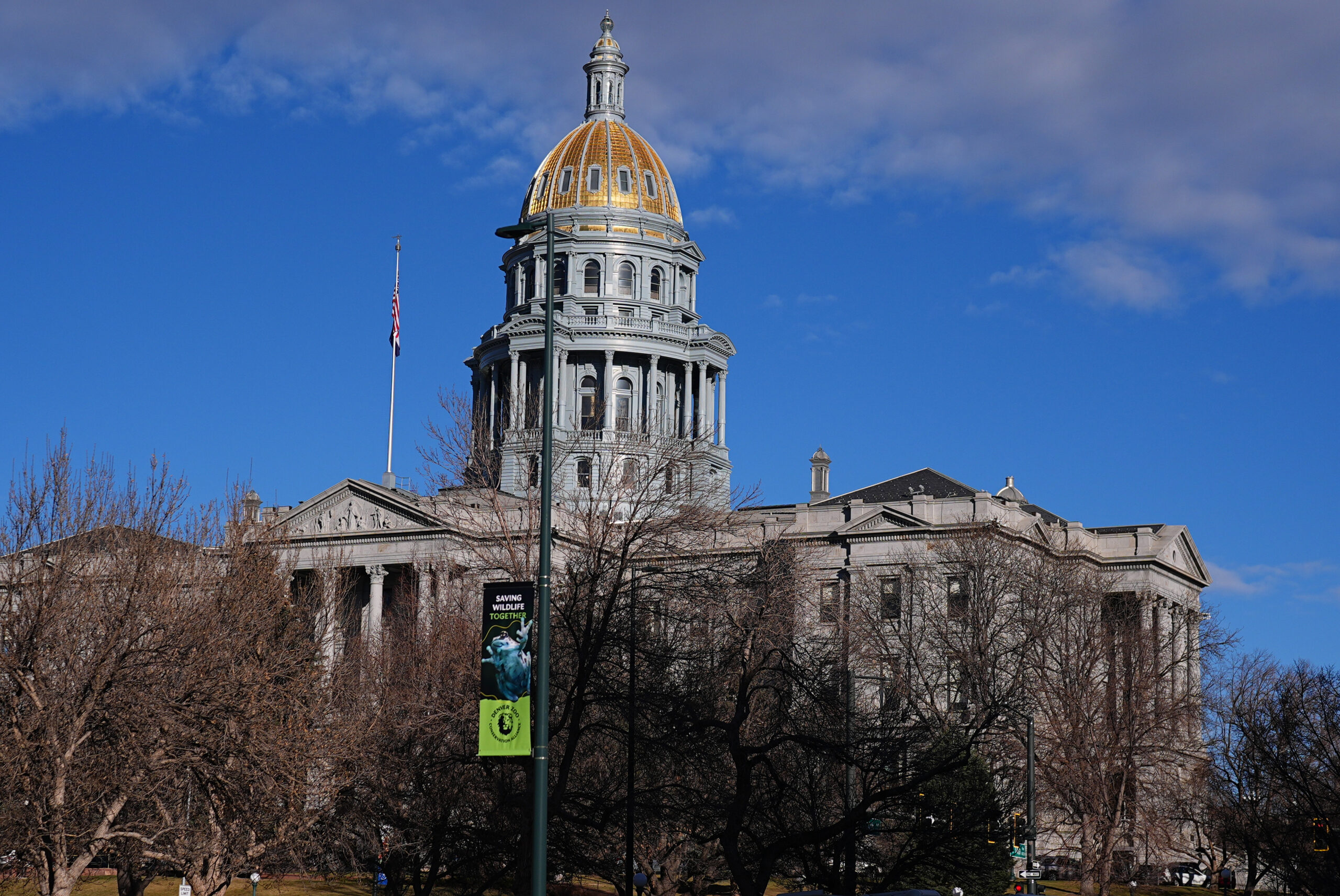
The U.S. House committee on energy and commerce has sent a letter to Gov. Jared Polis and the Colorado Department of Health Care Policy and Finance, seeking information on potential waste, fraud and abuse in Colorado’s Medicaid program.
The March 3 letter, signed by committee Chair Rep. Brett Guthrie, R-Ky. and two subcommittee chairs, pointed to problems that they said surfaced in Minnesota, such as over-billing, falsified records, identity theft and phantom claims in Medicaid social service and health programs for a variety of populations.
The letter said the committee is concerned Colorado’s Medicaid program “may be similarly vulnerable” to fraud, waste and abuse that harms Medicaid enrollees, legislative providers and taxpayers.
The committee set a March 17 deadline for a response from the state.
The letter cited recent data on Colorado Medicaid spending, which it said had surpassed $14.6 billion, with $8.6 billion from the federal government. That spending has doubled in the past decade, despite enrollment growing by only 7%.
The letter zeroed in on Colorado Medicaid programs that they said are high risk for waste, fraud, and abuse, such as non-emergency medical transportation, applied behavioral analysis (ABA) services for children with autism spectrum disorder, and genetic laboratory services.
Spending on non-emergency transport services jumped 436% between 2019 and 2025, the letter claimed, because HCPF provided “incorrect guidance” to non-emergency providers, such as identifying beneficiaries with extra-large wheelchairs as needing specialty ambulances.
The letter noted HCPF has corrected that inaccurate guidance, which could save $60.5 million in fiscal year 2026-27.
There was also fraudulent billing, totaling more than $25 million, in the non-emergency transport program, the letter said, citing a January Denver Post story. The story said NEMT drivers are reported to have “packed their cars with patients, some of whom were homeless, and drove them hundreds of miles to maximize their payouts.”
Those payments have since been halted.
Last month, the U.S. Attorney for Colorado filed criminal charges against two individuals for fraudulent billing in the non-emergency medical transport program.
Colorado has also taken action on the improper payments.
Since Attorney General Phil Weiser took office, the state’s Medicaid Fraud, Abuse and Neglect Unit has recovered more than $50 million through court orders, convicted 62 defendants, and settled more than 100 civil fraud cases, said Lawrence Pacheco, a spokesperson. The unit is funded jointly by state and federal dollars.
The unit has roughly six open investigations into suspected medical transportation fraud.
The surge in abnormal billing was detected almost two years ago, triggering an investigation that led lawmakers to pass a new law allowing HCPF to suspend a provider’s Medicaid enrollment over alleged misconduct, Marc Williams, a spokesperson, said. The legislation expanded the department’s administrative authority during active fraud investigations.
Regarding the ABA program, the U.S. House letter cited a recent investigation by the U.S. Department of Health and Human Services Office of Inspector General, which uncovered at least $77.8 million ($42.6 million in federal funding) in improper payments.
The problems in the program include session notes that didn’t describe the services provided, included unauthorized recreational, academic, and daycare activities, and failed to conduct background checks for some of the behavioral technicians. The inspector general discovered some of the technicians had committed offenses that could put children in danger.
And in September 2024, seven executives of a genetic testing laboratory company were indicted by a federal grand jury for $40 million in alleged fraud to Medicare and Colorado Medicaid, the letter noted.
Defendants allegedly paid kickbacks and bribes in a scheme to defraud public and private health insurance payers.
The committee asked the governor and HCPR to provide written responses to 10 questions, covering the period from Jan. 1, 2021, to the present.
That includes information on improper payments and recovery efforts; how Medicaid providers are screened, in compliance with federal law; steps the state is taking to sanction or disenroll fraudulent Medicaid providers; the process the state is using to send criminal referrals for suspected Medicaid fraud to state, local, and federal law enforcement agencies; and what actions are being taken to identify Medicaid fraud.
Medicaid’s budget in Colorado has ballooned in the past several years, and is now the single largest expenditure in Colorado’s state budget. Overspending by Medicaid, which the state is required to pay, has resulted in shortfalls in the state budget, both in 2025-26 and is expected to occur again in 2026-27.
The Medicaid budget crisis is expected to get worse when the impacts of H.R. 1, the Trump administration’s budget bill, take effect, and the state will be expected to pick up a larger share of both administrative and service costs.
A recent analysis by the Common Sense Institute estimated that HCPF spending reached $16 billion in 2025 — a 101% increase since 2015 — even as Medicaid enrollment returned to nearly its 2015 level.
The report attributed much of the growth to policy expansions, rather than enrollment or medical inflation alone. State officials have previously pointed to Colorado’s Medicaid Sustainability Framework, which argues program growth has outpaced revenue limits under the Taxpayer’s Bill of Rights, creating structural budget pressure.
Gov. Jared Polis’ office has not yet responded to a request for comment.
The Denver Gazette’s Nico Brambila contributed to this report.


Judge declines to block potential Boebert challenger from going through assembly process in Colorado’s 4th CD
Ernest Luning
ernest.luning@coloradopolitics.com
Updated 1 day ago
Congressional candidate Eileen Laubacher, one of the Democrats seeking to challenge Republican U.S. Rep. Lauren Boebert, can participate in the party’s caucuses and assemblies pending a court hearing later this month, a Denver judge ruled Tuesday in response to a...

Gov. Jared Polis, Upper Basin states criticize federal draft plan for managing the Colorado River
Marianne Goodland
marianne.goodland@coloradopolitics.com
Updated 24 hours ago
With no agreement among the seven Colorado River states, which missed multiple federal deadlines, the Upper Colorado River Commission on Monday sharply criticized the U.S. Department of the Interior’s draft plan for managing the river after the current guidelines expire...
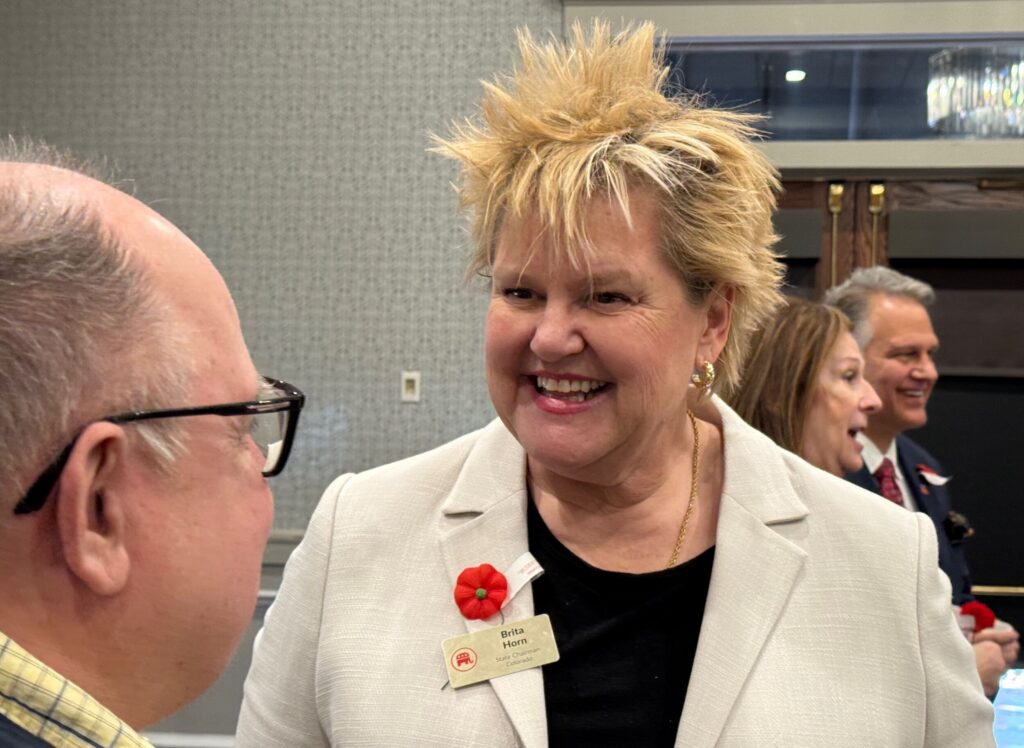
Colorado GOP chair Brita Horn loses ‘no-confidence’ vote, vows to refocus on ‘mending that divide’
Ernest Luning
ernest.luning@coloradopolitics.com
Updated 1 day ago
The Colorado Republican Party’s state central committee approved a resolution expressing “no confidence” in state chair Brita Horn in a landslide late Monday night near the end of an online meeting marked by rancor and confusion. Almost 80% of the...
Primary rival sues to prevent Democrat Eileen Laubacher from going through assembly in Colorado’s 4th CD
Ernest Luning
ernest.luning@coloradopolitics.com
Updated 2 days ago
Democratic congressional candidate Trish Calvarese on Monday asked a judge to prevent one of her primary rivals, Eileen Laubacher, from participating in the caucus and assembly process to seek the nomination to challenge Republican U.S. Rep. Lauren Boebert in Colorado’s...

Democrat Michael Bennet turns in petitions for Colorado’s gubernatorial primary, plans to skip caucuses
Ernest Luning
ernest.luning@coloradopolitics.com
Updated 4 days ago
U.S. Sen. Michael Bennet, a Democratic candidate for governor, submitted nominating petitions for Colorado’s June primary ballot on Friday, his campaign and the Colorado Secretary of State’s Office said. Bennet plans to rely on his petitions to get on the...
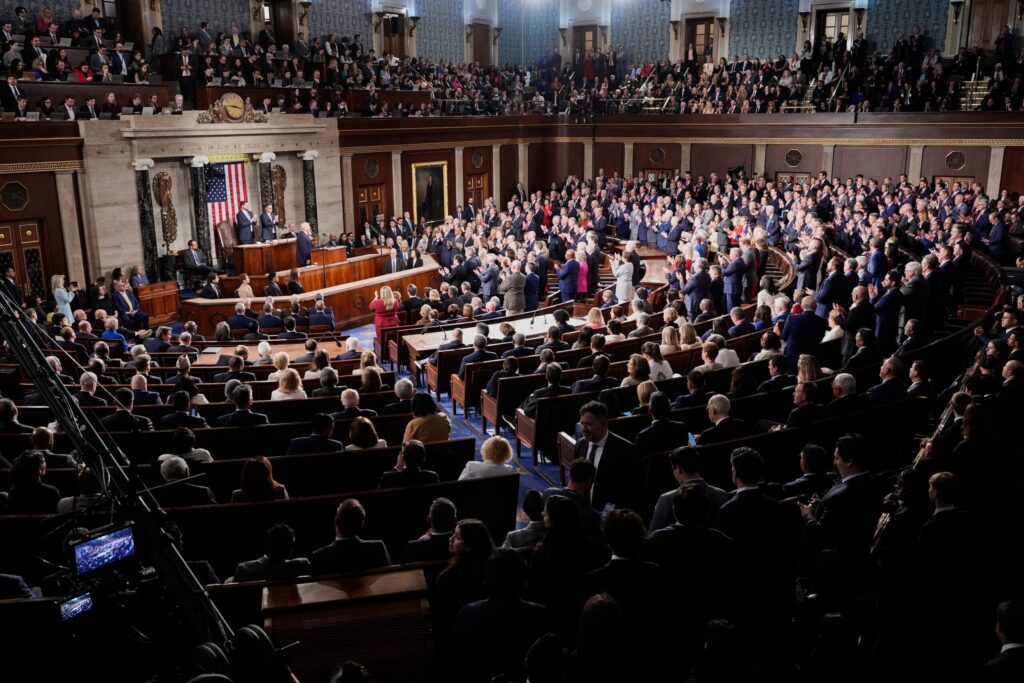
Colorado delegation’s plus-one picks convey messages at Donald Trump’s State of the Union | TRAIL MIX
Ernest Luning
ernest.luning@coloradopolitics.com
Updated 6 days ago
It’s become a tradition for members of Congress to deliver messages of their own at the State of the Union address, though this year none of the Colorado lawmakers shouted at the president during the speech, nor did the delegation...

Colorado Democrat John Hickenlooper becomes first statewide candidate to submit nominating petitions
Ernest Luning
ernest.luning@coloradopolitics.com
Updated 5 days ago
U.S. Sen. John Hickenlooper on Thursday became the first statewide candidate to submit petition signatures for Colorado’s June Democratic primary, according to his campaign and the Colorado Secretary of State’s Office. Seeking reelection to a second term, Hickenlooper is facing...
Colorado lawmakers react along partisan lines to Donald Trump’s State of the Union address
Ernest Luning
ernest.luning@coloradopolitics.com
Updated 1 week ago
President Donald Trump could have been describing two different countries in Tuesday’s State of the Union address — one entering a “Golden Age” and the other enduring daily stress under a “lawless” regime — at least as far as the...

Trump pulls endorsement from Jeff Hurd over tariffs, backs Colorado Republican’s primary challenger
Ernest Luning
ernest.luning@coloradopolitics.com
Updated 1 week ago
President Donald Trump on Saturday rescinded his endorsement of U.S. Rep. Jeff Hurd and threw his support behind the Colorado Republican’s primary challenger, Hope Scheppelman, citing the first-term incumbent’s “lack of support” for the administration’s tariff policy. The move comes...
In a meeting Colorado GOP chair Brita Horn calls ‘illegal,’ Republicans vote to demand her resignation
Ernest Luning
ernest.luning@coloradopolitics.com
Updated 2 weeks ago
Roughly half the membership of the Colorado Republican Party’s state central committee on Saturday voted overwhelmingly to approve a resolution expressing “no confidence” in state GOP Chairman Brita Horn’s leadership and calling for her immediate resignation in an online meeting...