Colorado Supreme Court clarifies restraining order violations can always support burglary charge
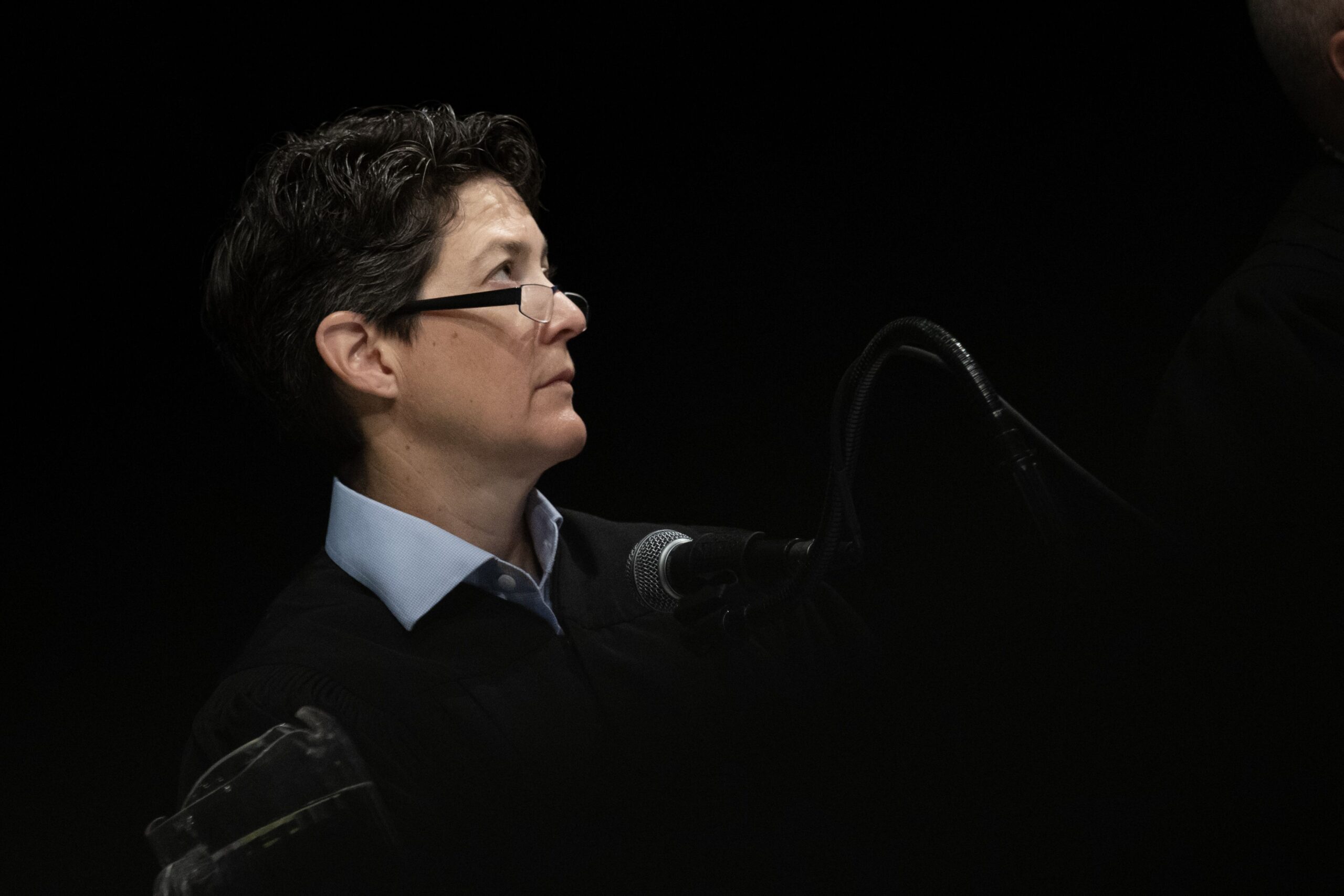
The Colorado Supreme Court’s majority ruled on Monday that a violation of a restraining order can also serve as a basis for finding a defendant guilty of burglary.
Under state law, a person commits second-degree burglary by unlawfully entering or remaining in an occupied structure with the intent to commit “a crime against another person or property.“
Nearly 30 years ago, the Supreme Court addressed whether violating a municipal restraining order, also known as a “protection order,” is a crime that can support a burglary charge. But Weld County defendant Robert Joe Dilka disputed whether that decision, People v. Rhorer, meant that a violation may always lead to a burglary conviction, regardless of whether the defendant did anything “against another person or property.”
By 5-1, the Supreme Court answered in the affirmative.
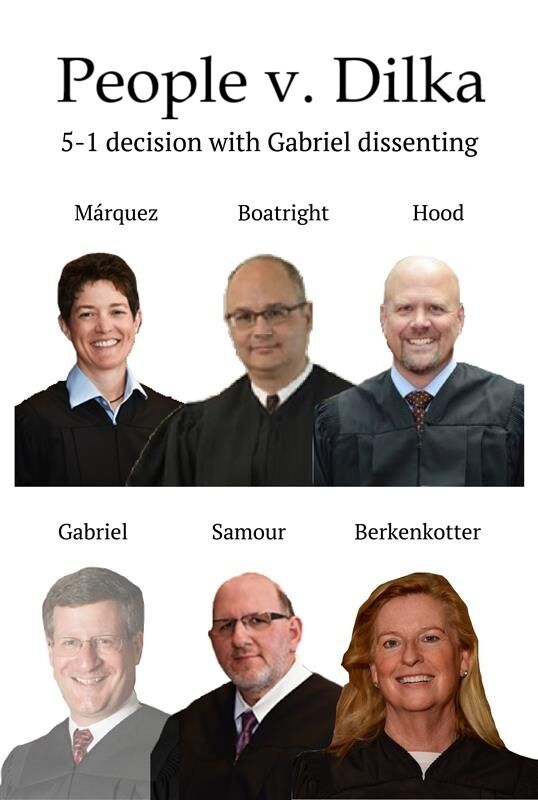
“This categorical statement in Rhorer means what it says: a criminal violation of a protection order is not just a crime, but a requisite predicate ‘crime against another person or property’ for purposes of second degree burglary,” wrote Chief Justice Monica M. Márquez in the March 2 opinion.
Justice Richard L. Gabriel dissented, arguing that Rhorer established only that a violation of a restraining order can support a burglary charge, not that it would in every case.
“For example, a person who is subject to a protection order would likely commit a crime against another person if the perpetrator accosted a protected person and used or threatened to use force,” he wrote. But “a person subject to a protection order might enter a protected space simply by walking into it without using or threatening to use any force and without encountering another person.”
In the latter scenario, “I am hard-pressed to see how such conduct would constitute either a crime against another person or property,” Gabriel added.
Weld County prosecutors charged Dilka with second-degree burglary and other offenses after he allegedly entered the victim’s home in violation of an order prohibiting contact.
Last May, there was a preliminary hearing at which the prosecution needed to show probable cause existed to bring Dilka to trial. Dilka’s defense lawyer argued there was no “crime against another person or property” because the evidence showed Dilka was merely inside the home when he should not have been.
District Court Judge Audrey Galloway then raised the 1998 Rhorer decision, and its broad statement that “a violation of a no-contact order constitutes a predicate crime for purposes of the burglary statute.”
“It’s my opinion that the Colorado Supreme Court in that case specifically and unequivocally states not that a violation of a protection order can be a predicate offense for second-degree burglary, but that it is,” said Galloway in determining probable cause existed for Dilka’s burglary offense.
Appealing her ruling to the Supreme Court, Dilka’s lawyer argued it was problematic to find certain violations of a protection order amount to crimes against a person or property.
“Entering a home, alone, does not indicate force or threat of force to a person’s body or seeking to unlawfully benefit from or do damage to another’s property,” wrote public defender Glenna Gee-Taylor.
“Because the intent behind the protection order statute is to prevent domestic abuse, and because domestic abuse is unequivocally against a person, by its very nature, a protection order violation is a crime against a person,” countered Deputy District Attorney Blake Madone.
The Supreme Court’s majority agreed with Galloway’s interpretation of its prior ruling. Márquez noted that lawmakers have defined restraining orders as protecting people from injury, harassment, and “imminent danger to life or health.”
The law “recognizes that a restrained party’s violation of such protection order provisions innately threatens a protected person’s safety,” she wrote. “Such violations present the very psychological, emotional, and potentially physical harm to the protected party (or to property, including animals) that such protection orders seek to avoid.”
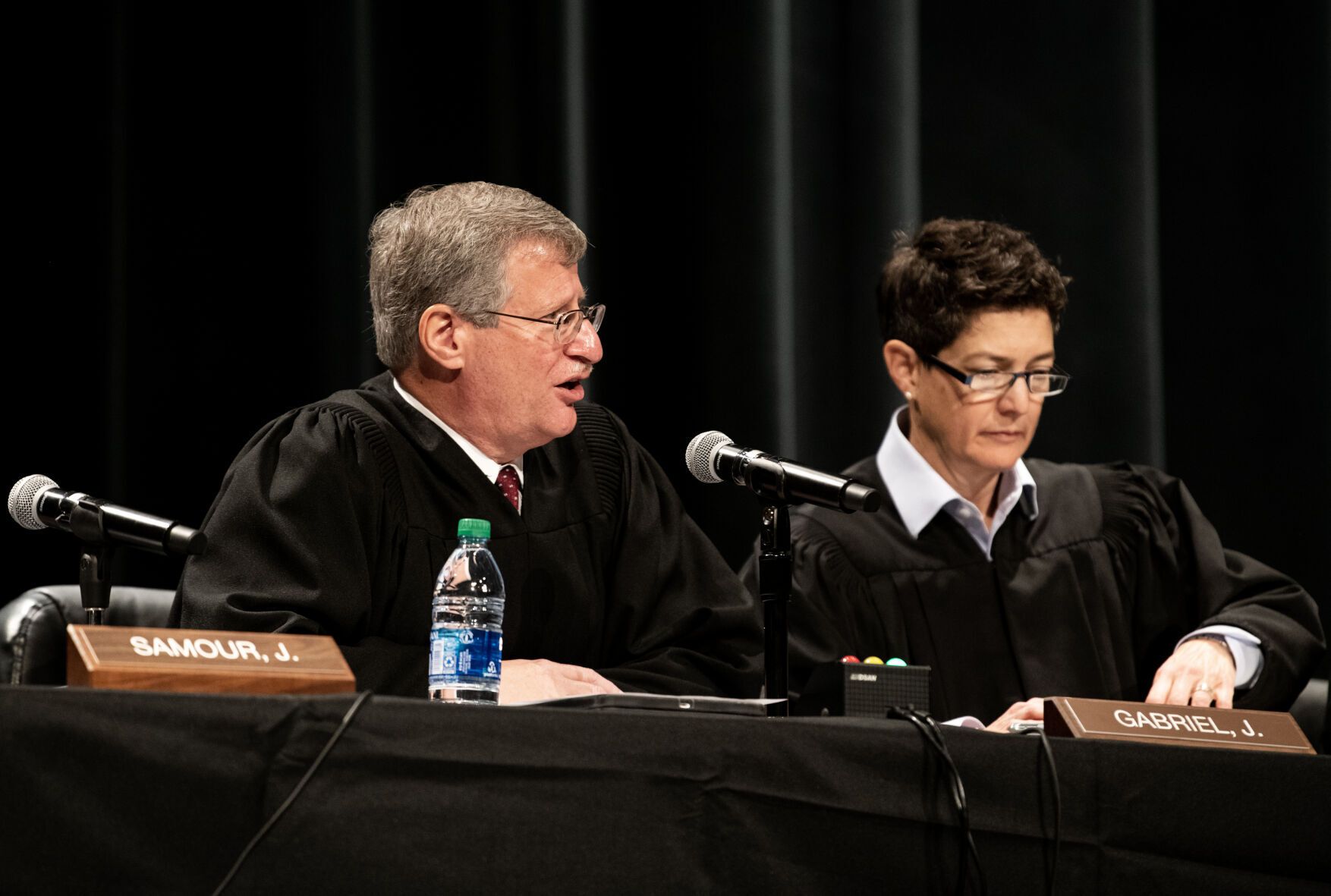
Gabriel argued that the burglary law instead requires a case-by-case assessment to determine whether a defendant’s restraining order violation constituted a crime against a person or property. Under the majority’s decision, prosecutors no longer have to prove those elements.
“I believe that Dilka has presented a credible argument that the district court could not properly have found that he committed a crime against another person or property because no evidence indicated that he had used or threatened to use force against the alleged victim, committed a crime against the alleged victim’s person, or sought to damage the alleged victim’s property without the use of force,” Gabriel wrote.
He would have returned the case to Galloway to consider probable cause in light of Dilka’s actions upon entering the victim’s home.
The case is People v. Dilka.


10th Circuit judge creates vacancy, district court gets new chief judge | COURT CRAWL
Michael Karlik
michael.karlik@coloradopolitics.com
Updated 4 hours ago
Welcome to Court Crawl, Colorado Politics’ roundup of news from the third branch of government. A longtime member of the Denver-based federal appeals court will give the president a vacancy to fill, plus Colorado’s federal trial court will see a...
Gov. Jared Polis moves to end ICE subpoena fight over Colorado workers’ personal data
Marianne Goodland
marianne.goodland@coloradopolitics.com
Updated 3 days ago
The effort by Gov. Jared Polis to comply with an administrative subpoena from U.S. Immigration and Customs Enforcement for information held by several state agencies is over. Polis, in a motion filed Feb. 20, asked for a permanent injunction and...

Ex-Colorado Sen. Sonya Jaquez Lewis avoids prison, gets probation for forged ethics letters
Marianne Goodland
marianne.goodland@coloradopolitics.com
Updated 3 days ago
Former state Sen. Sonya Jaquez Lewis, D-Longmont, was sentenced Friday to two years of supervised probation and 150 hours of community service, and a $3,000 fine, to be waived if she completes an additional 100 hours of community service. The...

Toll to sexual assault survivors rises if they feel blamed and disbelieved
Jenny Deam
jenny-deam@coloradopolitics.com
Updated 3 days ago
Natalie, a single mother, dropped off her son at daycare, went to therapy and then returned home. She swallowed a fistful of pills, washing them down with a six-pack of beer. She was ready to end her life. “I just...

Colorado rape cases rarely result in an arrest and prosecution
Evan Wyloge
evan-wyloge@coloradopolitics.com
Updated 7 minutes ago
Authorities say they are especially difficult cases. In Colorado, most go nowhere. Over the past decade, for every 10 reports of rape, there is only one arrest. Warning: This story contains descriptions of sexual violence. Kiersten May remembered a fuzziness...
10th Circuit upholds finding of no misconduct against Colorado federal judge
Michael Karlik
michael.karlik@coloradopolitics.com
Updated 4 days ago
A judicial committee for the Denver-based federal appeals court upheld the chief judge’s finding last week that a federal judge in Colorado did not engage in misconduct by handling a civil case involving other attorneys and judges in the state....
SCOTUS whisperer? Justice Carlos Samour may get second opportunity to turn state dissent into national precedent
Michael Karlik
michael.karlik@coloradopolitics.com
Updated 3 days ago
For the second time in two years, Justice Carlos A. Samour Jr. occupies an unusual position: Having his dissent in a Colorado Supreme Court case potentially forming the basis of U.S. Supreme Court precedent. Earlier this week, the nation’s highest...

10th Circuit appoints ex-Colorado solicitor general to argue issue after federal government declines
Michael Karlik
michael.karlik@coloradopolitics.com
Updated 3 days ago
The Denver-based federal appeals court took the unusual step earlier this month of appointing an attorney to independently argue a key issue in a criminal sentencing appeal after the government indicated it would not contest the defendant’s view of the...

Daniel Domenico to take over as Colorado’s chief federal judge
Michael Karlik
michael.karlik@coloradopolitics.com
Updated 1 day ago
Daniel D. Domenico will become the new chief judge of Colorado’s federal trial court next week, a role that encompasses the administration of the court as well as a judicial caseload. Under federal law, the chief judge of a U.S....
10th Circuit upholds violations, sanctions against Colorado Springs mental health hospital
Michael Karlik
michael.karlik@coloradopolitics.com
Updated 1 day ago
The Denver-based federal appeals court agreed earlier this month that the government properly cited and penalized a Colorado Springs psychiatric hospital for failing to protect its staff from known risks posed by patients. The Occupational Safety and Health Administration inspected...