The First Amendment protects the Second | Jon Caldara

It’s not an attack on the Second Amendment, but the First Amendment.
I know this is going to sound crazy but, there was a time when liberals, not conservatives, were the champions of free speech.
Today? Now in Colorado it is punishable to “mis-gender” someone. By speaking truthfully, say calling a man, “a man,” when he’d rather you not, you can be brought up on civil charges.
Our Democrats voted for this, and our libertarian governor signed it into law. If any liberal free speech guardians of old (I’m looking at you ACLU) objected, they did it in sign-language so no one could hear.
Remember, the ACLU of old fought for the free speech rights of neo-Nazis in Skokie, Illinois — and won.
You may feel differently, but I think calling a biological man a “man” is a lesser offense than calling for all Jews to be exterminated. But that’s just me.
Enter this year’s House Bill 1144, which would ban making gun parts on a three-dimensional printer.
As any good Star Trek geek knows, in the future we will have “replicators” — machines that create desired objects upon demand.
Captain Picard says, “Tea. Earl grey. Hot.” And presto, it appears. Earlier Trek generations hadn’t perfected replicators yet, otherwise Captain Kirk would be yelling, “Orion girl, Green, Hot.” But I digress.
The closest thing we have to replicators today is 3D printers, which can make little plastic parts, widgets and models of green Orion women.
And what tells the 3D printer what to print? A computer file of course, computer code. Thus House Bill 1144 wisely makes having the computer code to make certain gun parts a crime.
Having ones and zeros, the binary building blocks of code, in a certain order will be a felony.
Code is written. A person wrote it, expressed his thoughts in a manner that could be conveyed to a machine. Code is human expression — speech, protected by the First Amendment. And what it creates here is also protected by the Second.
Colorado is arguably now the most anti-gun state in the country. So much so the state might be rifling through your iCloud account.
They won’t be looking for pornography, but the digital image of some widget, the mere sight of which makes some people lose their minds.
Remember, this is not a physical thing. It’s not really a gun or a gun magazine because it doesn’t even exist. It is basically a computerized picture of something, a digital symbol only existing in photons.
This is how crazed Colorado’s gun-phobes are. They’re outlawing electrons, not guns.
Let’s remember the e-books you read are also only digital files. When you empower the government to outlaw digital files you empower future Trumps to ban books. Ones and zeros are ones and zeros.
So, the computer code to 3D-print a hot, green Orion slave woman — legal. The computer code to 3-D print a gun — a felony. Only in Colorado.
In the 1990s, it was civil rights organizations like the ACLU which fought for free speech in computer code.
The federal government then had a ban on encryption code. Technically, cryptography was considered munition, like a missile or jet fighter. Exporting strong encryption code was treated as arms trafficking.
A brave geek, Phil Zimmermann, wrote a bit of ingenius code called Pretty Good Privacy, PGP. He made this easy-to-use encryption code free online. Regular folks could use it to keep others, including the government, from spying on their electronic communications.
The feds launched a three-year criminal investigation into Zimmermann for allegedly violating export controls. The Clinton administration pushed for backdoor encryption code to decrypt our communications.
To prove code is speech, free speech advocates printed the entire PGP source code as a physical book — legally exportable under free speech protections — and shipped it overseas. Anyone abroad could recompile the code.
The courts later confirmed code is speech and thus protected. And today we have services like WhatsApp, Signal, Apple’s end-to-end encryption thanks to the bravery then of left-leaning civil rights advocates.
Will those advocates today defend speech as they once did and fight HB-1144? Or will pictures of gun parts scare them to inaction?
It is often said the Second Amendment protects the First Amendment. In this case the First protects the Second.
Jon Caldara is president of the Independence Institute in Denver and hosts “The Devil’s Advocate with Jon Caldara” on Colorado Public Television Channel 12. His column appears Sundays in Colorado Politics.


What Gallup polls teach us about presidents | Cronin & Loevy
Tom Cronin Bob Loevy
tom-cronin-bob-loevy@coloradopolitics.com
Updated 18 hours ago
The Gallup organization, founded by George Gallup, announced Feb. 11 they will no longer conduct their well-known polls that rate whether the Americans approve or disapprove the way presidents handle the job. Gallup began these polls in the late 1930s...
In a meeting Colorado GOP chair Brita Horn calls ‘illegal,’ Republicans vote to demand her resignation
Ernest Luning
ernest.luning@coloradopolitics.com
Updated 12 hours ago
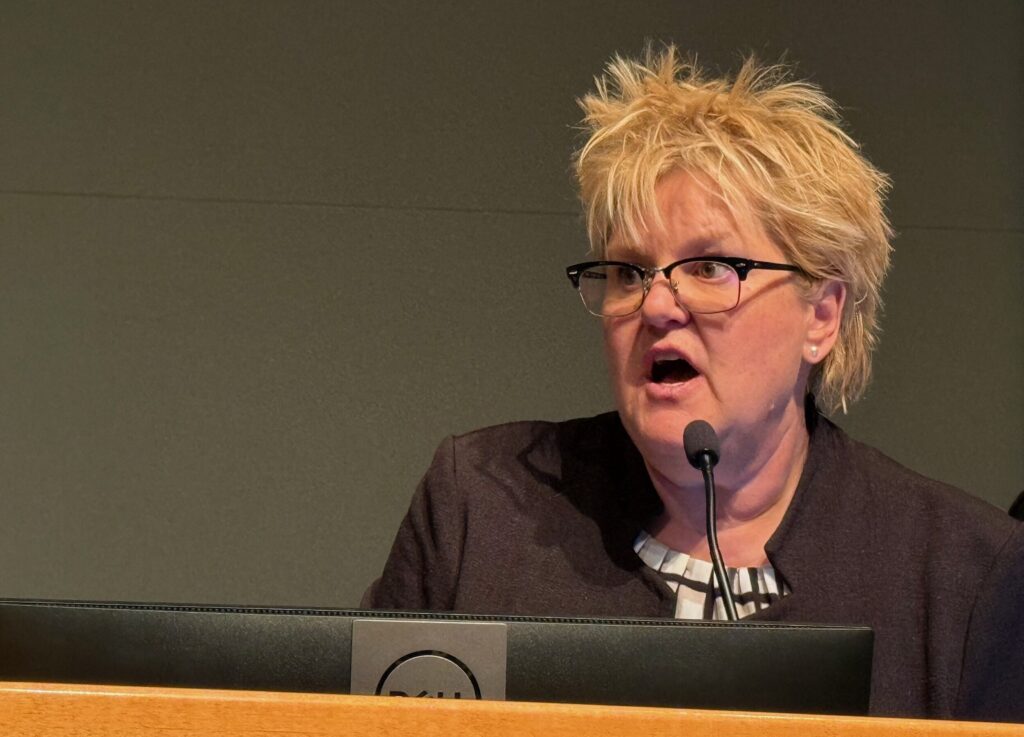
Roughly half the membership of the Colorado Republican Party’s state central committee on Saturday voted overwhelmingly to approve a resolution expressing “no confidence” in state GOP Chairman Brita Horn’s leadership and calling for her immediate resignation in an online meeting...
Meeker rancher leads one of Colorado’s earliest attempts to transfer federal lands | A LOOK BACK
Rachael Wright, Special to Colorado Politics
rachael.wright@coloradopolitics.com
Updated 3 days ago
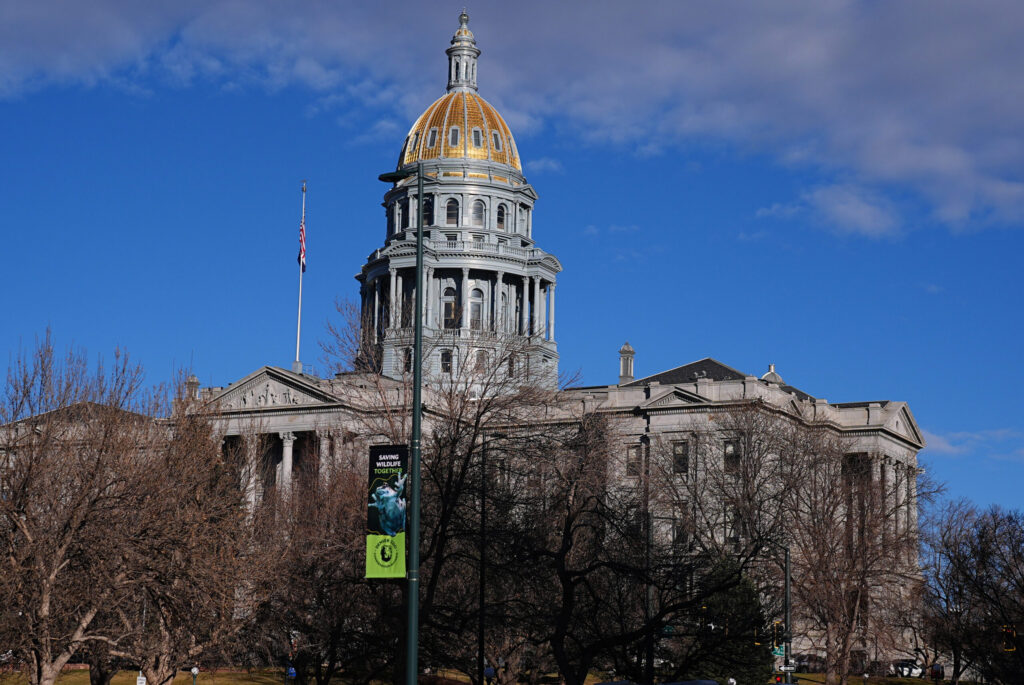
Forty-Five Years Ago This Week: Former state Rep. Nick Theos, R-Meeker, was one of several people testifying before the Senate Agriculture Committee on Senate Bill 81-170, which would transfer ownership of public lands from the federal government to state control....

Democrats Michael Bennet, Phil Weiser make their cases to be Colorado’s next governor ahead of primary
Ernest Luning
ernest.luning@coloradopolitics.com
Updated 2 days ago
Nearly eight months before ballots will be counted in Colorado’s race for the its open gubernatorial seat, voters are lining up behind two of the state’s leading Democrats, who are facing off in a primary that will likely determine which...
Colorado GOP officers set competing meetings to hold ‘no-confidence’ votes on state chair Brita Horn
Ernest Luning
ernest.luning@coloradopolitics.com
Updated 1 day ago
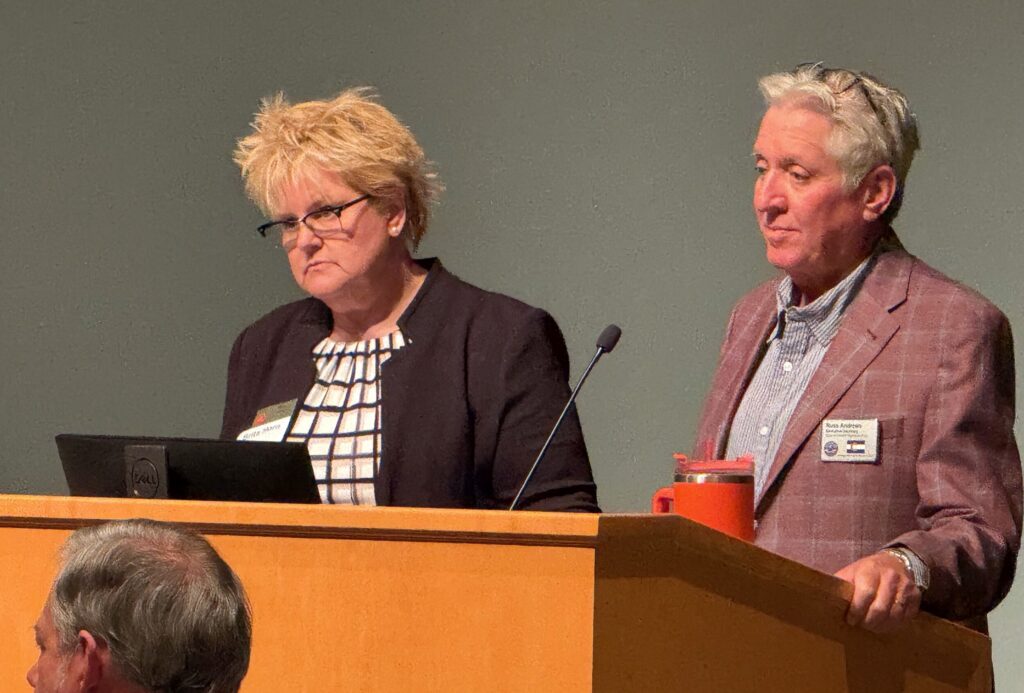
Once again, members of the Colorado Republican Party’s central committee have scheduled separate, competing meetings to consider whether the state GOP’s governing body supports its chair, but this time neither meeting will be held under a bridge. State GOP Chair...
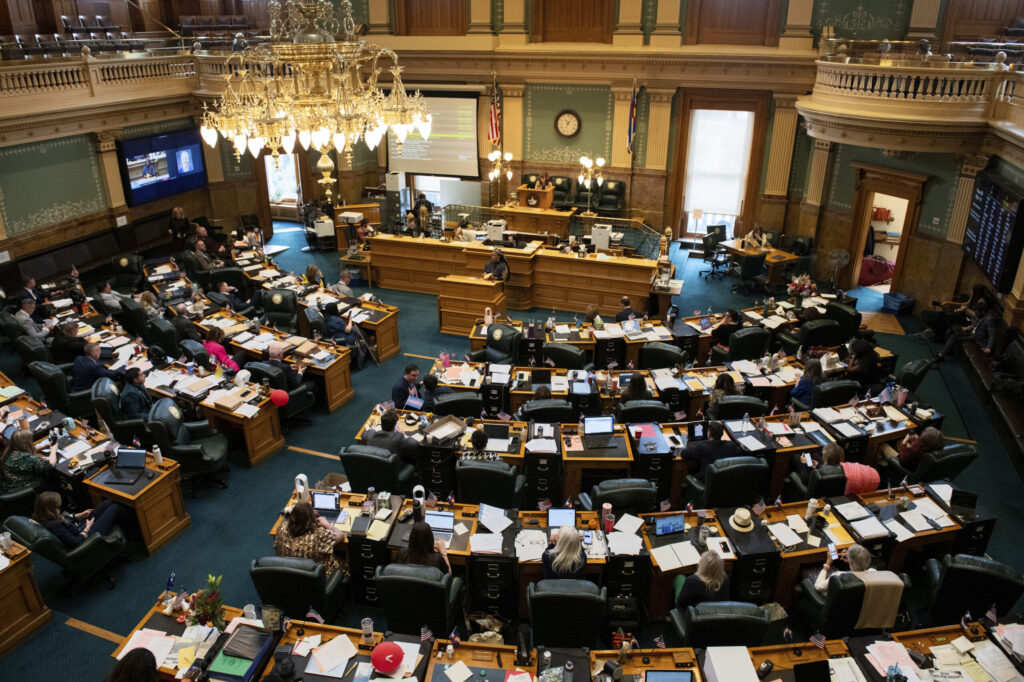
Colorado Democratic candidate submitted 1,600 signatures — only 29 were valid
Marianne Goodland
marianne.goodland@coloradopolitics.com
Updated 12 hours ago
When he turned in some 1,600 signatures last month, Eric Nelson said it demonstrated “strong grassroots support from voters” across the district and a “growing momentum” for his “inclusive, community-centered leadership.” On Thursday, the Secretary of State rejected Nelson’s petition...
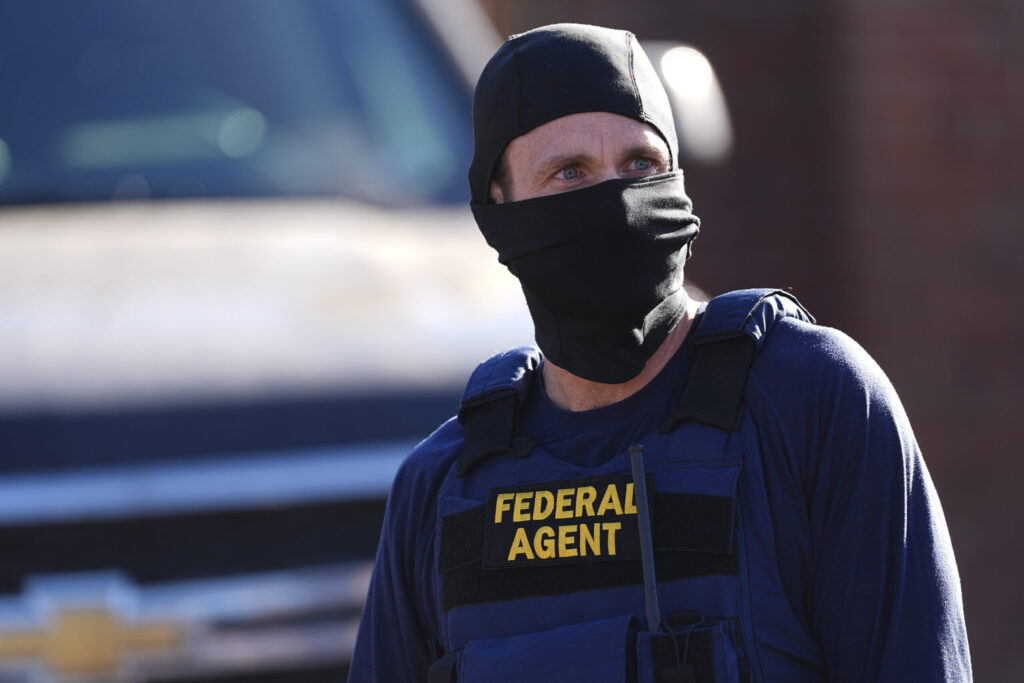
Colorado bill disqualifies former ICE agents from getting job in local law enforcement | Bills in Brief
Marissa Ventrelli
marissa.ventrelli@coloradopolitics.com
Updated 2 days ago
Colorado lawmakers introduce hundreds of bills each year. Bills in brief cuts through the noise by explaining which proposals matter, what’s at stake, and how decisions at the Capitol could affect everyday life across the state. Colorado legislators are pushing legislation to...
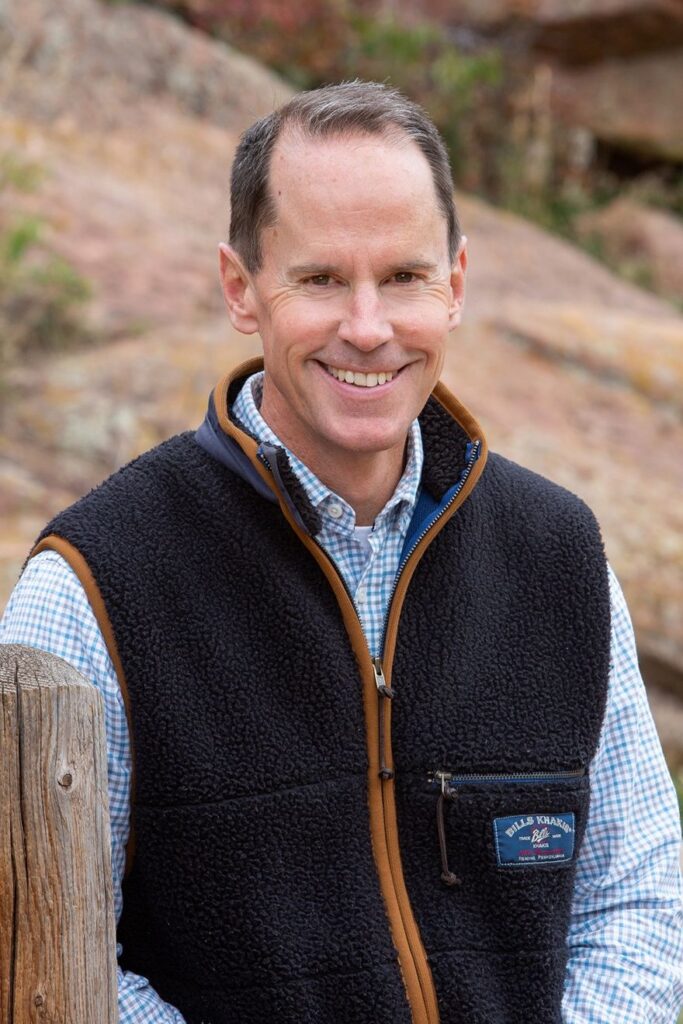
This bill’s bogus title is the real deception | OPINION
Mark Hillman
mark-hillman@coloradopolitics.com
Updated 3 days ago
Among the most absurd bills currently under consideration by the Colorado legislature is House Bill 1012, deceptively titled “Concerning Consumer Protections to Promote Fair Market Pricing.” The first absurdity is the claim this legislation and promoting free-market pricing have anything...
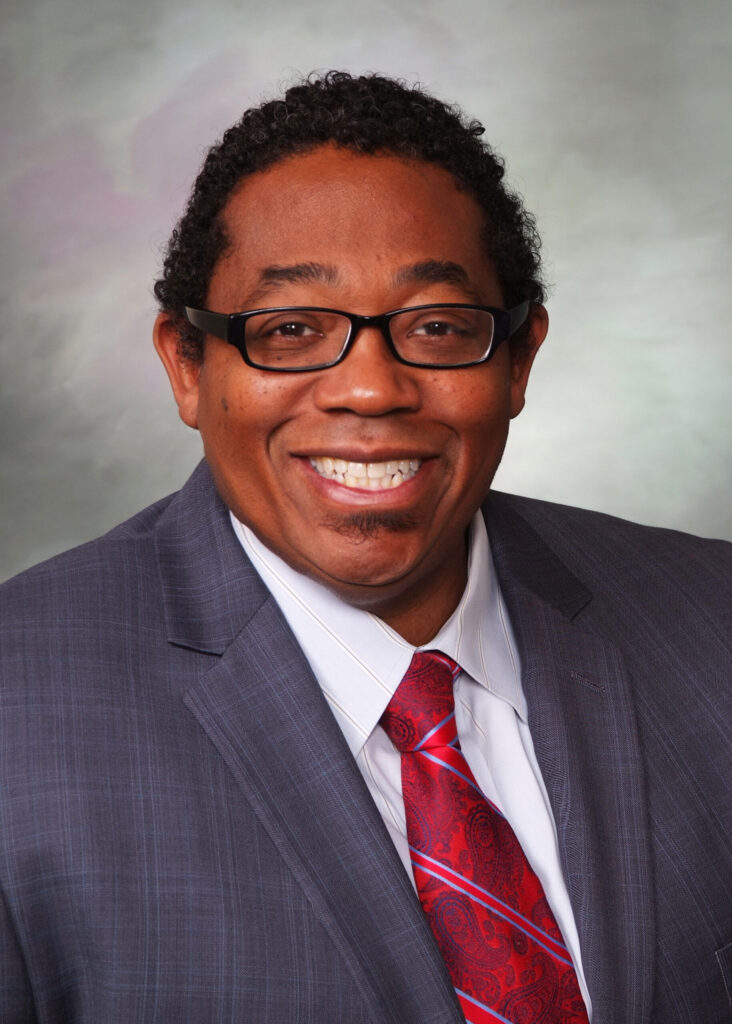
Colorado’s municipal jails should follow same standards as county jails | OPINION
Colorado Politics
colorado-politics@coloradopolitics.com
Updated 3 days ago
By Michael Carter Coloradans have the right to safe, humane and lawful jail facilities, regardless of where they’re held. However, the state law requiring jails in Colorado to meet those basic standards doesn’t apply to all the jail facilities in...

Aurora City Council should narrow retail licensing ordinance | OPINION
Colorado Politics
colorado-politics@coloradopolitics.com
Updated 2 days ago
By Samuel G. Michael Many of my members have voiced concern about the Aurora City Council’s tobacco retail licensing proposal. As the head of the Ethiopian Community of Colorado, EthioCO.org, I share, understand and support the city’s responsibility to protect young people...