

Aurora City Council should narrow retail licensing ordinance | OPINION

By Samuel G. Michael
Many of my members have voiced concern about the Aurora City Council’s tobacco retail licensing proposal. As the head of the Ethiopian Community of Colorado, EthioCO.org, I share, understand and support the city’s responsibility to protect young people and address legitimate community concerns. Retailers have long partnered with enforcement agencies to prevent underage sales, train employees and comply with evolving regulations. That commitment has not changed.
What is difficult to understand, however, is how the current draft of the proposed retail licensing ordinance brings together such a wide range of issues under the banner of youth prevention. The ordinance extends far beyond age-restricted sales to include matters such as loitering, nuisance behavior, unrelated criminal activity, food-assistance enforcement, surveillance requirements, and broad conduct-of-business standards. It is not clear how all of these elements directly relate to youth access, nor why they are being addressed through a single, expansive licensing framework.
During discussions with the City’s Business Advisory Board, retailers were told the ordinance is informed by data and studies. Yet when asked about specific, Aurora-based figures that justify the breadth of the proposal, retailers were told such localized data is not readily available. That raises an important question: if we do not have clear information about the nature or scale of the problem in Aurora, how can we know whether this approach is appropriately tailored or whether it will be effective?
Good public policy is not only about acting — it is also about learning. When new regulatory frameworks are adopted, especially ones that significantly expand oversight and enforcement, cities typically benefit from having a clear way to understand whether those policies are delivering results, creating unintended consequences, or simply layering new requirements without solving the underlying issue. Without that feedback loop, regulations tend to accumulate over time, even when their real-world effect is unclear.
Retailers are asked to absorb new requirements, additional costs and increased enforcement risk, all while operating in an already challenging environment. Many of them are small or family-owned businesses that serve as neighborhood anchors and employers. Without clear reference points for success, it becomes difficult for anyone — policymakers, businesses, or the public — to understand what progress looks like or how future decisions will be made.
This concern is especially relevant given many members of the current City Council were elected on platforms emphasizing support for small businesses, fairness, and practical governance. Retailers took those commitments seriously. We are hopeful those principles will continue to guide decision-making as council considers policies that directly affect local employers and community institutions.
As the City Council considers this proposal in the coming weeks, I respectfully ask members take the time to pause, narrow, and refine the proposal. Specifically, we urge council to ensure the ordinance is grounded in Aurora-specific information, focused on clearly defined objectives, and structured in a way that allows the city to understand in due time whether it is working before additional layers are added. Thoughtful consideration now will help avoid unintended consequences, strengthen compliance and ensure any final framework reflects both the city’s priorities and the realities faced by responsible local businesses.
Samuel G. Michael is president of the Ethiopian Community of Colorado which has more than 3,500 members.


Jena Griswold’s record: corruption, incompetence | Dick Wadhams
Dick Wadhams
dick-wadhams@coloradopolitics.com
Updated 2 days ago
There is no statewide elected official going back decades who is as breathtakingly corrupt and incompetent as Secretary of State Jena Griswold, who is now running for attorney general of all things. And compliant ruling Democrats know it. Their silence...

Kiros exudes why Colorado’s political times are a-changin’ at annual Denver Dems gala | Miller Hudson
Miller Hudson
miller-hudson@coloradopolitics.com
Updated 2 days ago
Among Colorado’s few remaining bipartisan rituals are county and state party dinners. I was particularly intrigued by last week’s Denver Democratic Party’s 2026 Annual Gala, a “New Deal for a New Era.” Their glossy program featured an artist’s Technicolor rendering...

Livestock grazing regulations need flexible updates | Rachel Gabel
Rachel Gabel
rachel-gabel@coloradopolitics.com
Updated 2 days ago
The Bureau of Land Management last updated their livestock grazing regulations the year I graduated from high school. I am 49. Assessing rangeland health can’t be done once and not revisited. This year is a prime example that managers must...

Taxpayers donate to tax increase campaign | Jon Caldara
Jon Caldara
jon-caldara@coloradopolitics.com
Updated 3 days ago
Give the man his due. President Donald Trump has undeniable talents. Colorado politicians are learning. Chief among The Don’s skills is taking the self-serving, ethically dubious behavior of previous politicians and putting it on steroids. Or, to borrow from the...
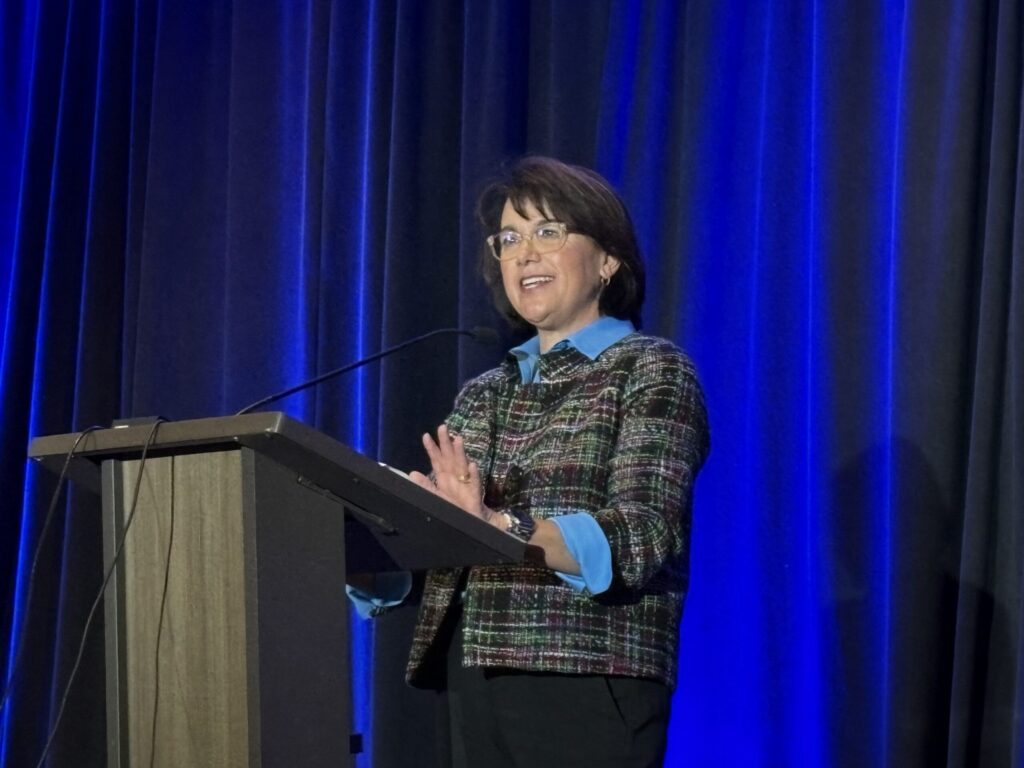
Democratic candidate in Colorado’s 4th CD urges long-term water planning
Marianne Goodland
marianne.goodland@coloradopolitics.com
Updated 1 day ago
The Democrat hoping to become the next representative of Colorado’s 4th Congressional District on Thursday made her case on the final day of Colorado Water Congress in Steamboat Springs. Eileen Laubacher, who spent 34 years in the U.S. Navy and...

Proposal to cap Colorado income tax rate qualifies for November ballot
Thelma Grimes
thelma.grimes@coloradopolitics.com
Updated 15 hours ago
Election officials on Thursday confirmed that the proposal to cap the state’s income tax at the current rate submitted signatures and voters will consequently decide its fate this November. The fight over tax rates is part of the tug and...
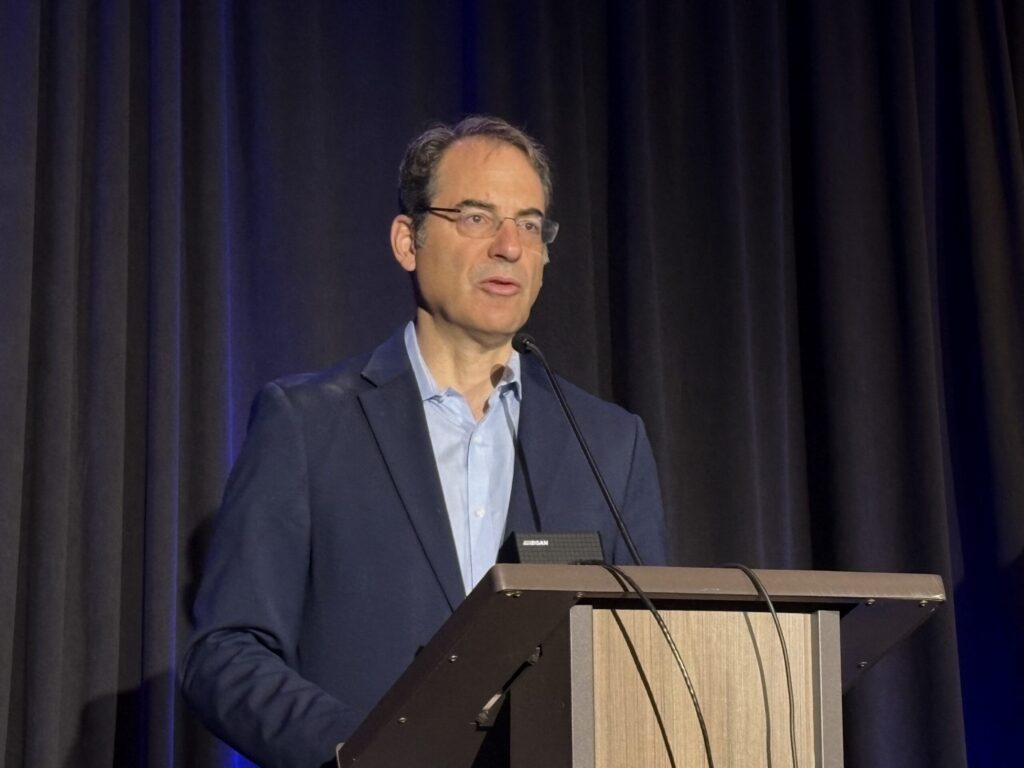
Democratic gubernatorial candidate Phil Weiser promises to appoint rural outreach director, water adviser
Marianne Goodland
marianne.goodland@coloradopolitics.com
Updated 3 days ago
Democratic gubernatorial candidate and current Attorney General Phil Weiser told the Colorado Water Congress Thursday he intends to appoint a rural outreach director and a water policy adviser should he win the election in November. Weiser’s speech at the Steamboat...
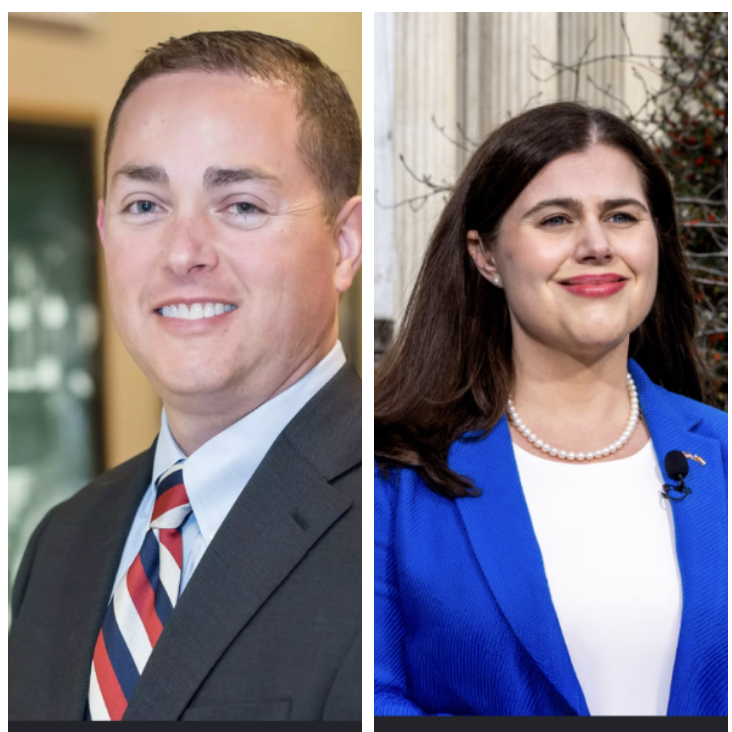
Attorney general candidates present priorities at Colorado Water Congress
Marianne Goodland
marianne.goodland@coloradopolitics.com
Updated 2 days ago
The two major-party candidates for attorney general — Republican Michael Allen, the district attorney for Teller and El Paso counties, and Democratic Secretary of State Jena Griswold — on Thursday outlined their priorities at the Colorado Water Congress. Griswold attended...
State money diversion scheme the unsurprising downfall of ERBOCES scam | Paula Noonan
Paula Noonan
paula-noonan@coloradopolitics.com
Updated 3 days ago
Falcon School District 49, aka El Paso County School District 49, has finally cut bait, thrown the fishing pole into the lake and sunk the canoe. The longtime enabler of the Education Reenvisioned BOCES’ (ERBOCES) schemes to fund private Christian...
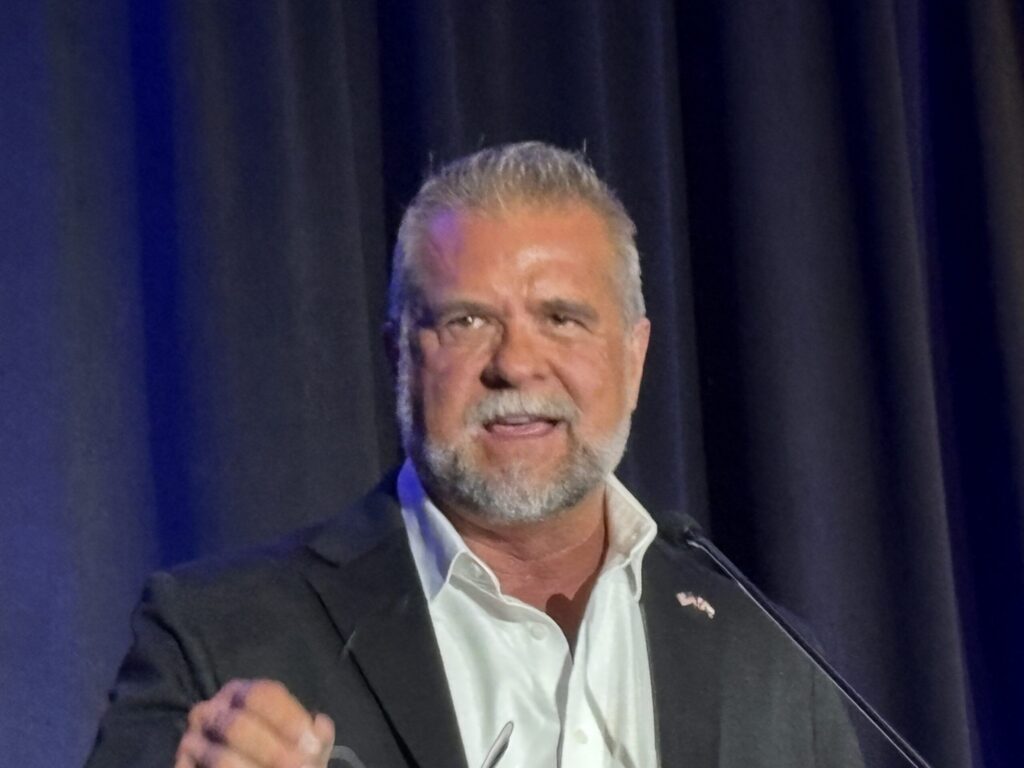
GOP gubernatorial candidate Victor Marx pushes aggressive water-storage expansion at Colorado Water Congress
Marianne Goodland
marianne.goodland@coloradopolitics.com
Updated 4 days ago
Victor Marx, the Republican nominee for governor, took the spotlight Wednesday during the opening day of the Colorado Water Congress, laying out how he says the state should approach its water future. Marx told the standing-room-only audience in Steamboat Springs...
PREV
PREVIOUS

Colorado senators initially push for — then drop 'identity' factor in parenting time decisions
The sponsors of a proposal that would require suppression of records in name-change petitions for minors removed a provision that would have mandated the courts to factor in the issue of “identity” when allocating parenting time. In its original form, Senate Bill 018, included a requirement that family courts consider whether parents recognize their child’s […]

Colorado's municipal jails should follow same standards as county jails | OPINION
By Michael Carter Coloradans have the right to safe, humane and lawful jail facilities, regardless of where they’re held. However, the state law requiring jails in Colorado to meet those basic standards doesn’t apply to all the jail facilities in our state including the jail located in my home city of Aurora. That’s why I’m […]