

Federal judge allows some claims to proceed over denial of cancer meds in El Paso County jail
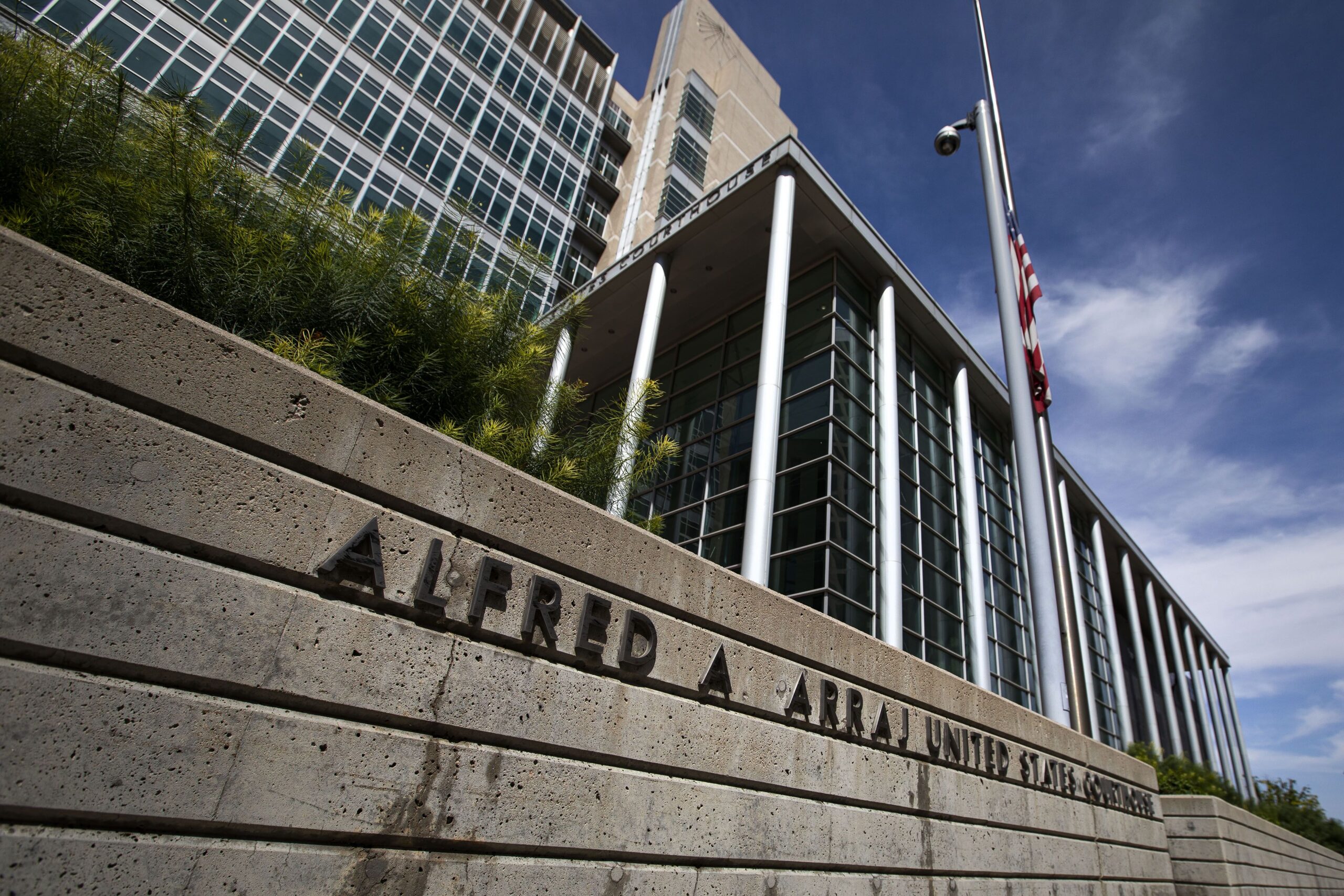
A federal judge allowed claims to proceed last week against some medical and sheriff’s office employees at the El Paso County jail over their alleged failure to ensure a detainee received his cancer medication during four months of incarceration.
Stuart Patrick McLaney was in the county jail between March-July 2023. He has chronic myeloid leukemia, a type of cancer affecting bone marrow, for which he takes daily chemotherapy pills. His lawsuit alleged that immediately after arriving at the jail, he notified sheriff’s employees and medical contractors with Wellpath, LLC about the need to take his medication.
But no one allegedly provided him with his pills during his stay, despite McLaney raising the issue on numerous occasions. He experienced physical pain and a shortened life expectancy as a result, his lawsuit alleged.
McLaney asserted claims of negligence, inadequate medical care, and deliberate indifference to his serious medical needs in violation of the U.S. Constitution.
Two Wellpath employees, two sheriff’s employees, elected Sheriff Joseph Roybal and El Paso County moved to dismiss some or all of McLaney’s claims against them.
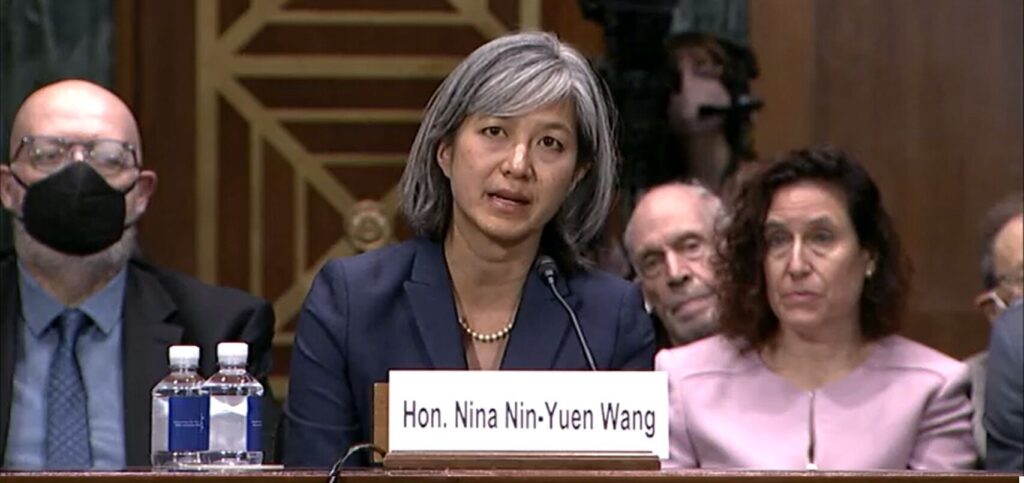
In a Feb. 10 order, U.S. District Court Judge Nina Y. Wang agreed some of McLaney’s allegations were not viable, but others may proceed.
First, McLaney alleged he alerted nurse Donielle Coddington in May 2023 that he was not receiving “my proper meds for my stage two (leukemia). Please help.” Wang concluded that interaction could not support a claim of deliberate indifference, which required that Coddington have known of a serious risk of harm to McLaney and disregarded it.
“There are no facts plausibly establishing that Nurse Coddington knew anything specific about Plaintiff’s condition, what medication Plaintiff was prescribed, how often he needed to take that medication, or how long he had been deprived of the medication,” Wang wrote.
As for nurse Evie Decker, Wang agreed McLaney had stated a claim against her by alleging he put Decker on notice about the progression of his cancer and his need for medication.
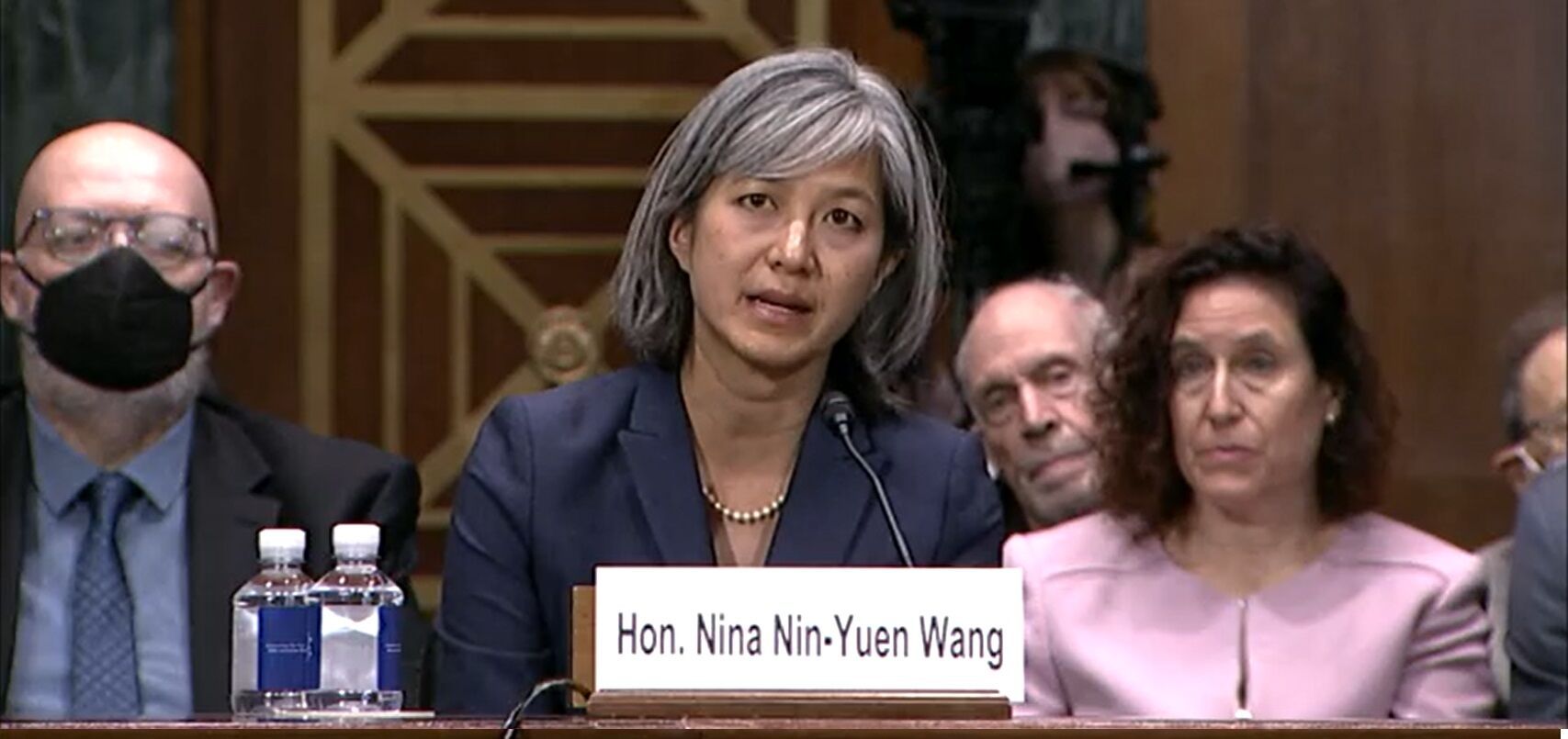
Finally, Wang declined to dismiss McLaney’s negligence claims against the Wellpath employees.
“Assuming that Nurse Decker and Nurse Coddington owed Mr. McLaney a duty to protect and/or a duty to provide medical treatment,” she wrote, “Plaintiff has sufficiently alleged, albeit more strongly with respect to Nurse Decker, that the Wellpath Defendants breached that duty by failing to take any action to help Plaintiff receive his critical and life-saving medical treatment.”
As for the sheriff’s employees, Wang dismissed McLaney’s deliberate indifference claim against Roybal, finding no allegations that the sheriff knew of a serious risk to McLaney. She also dismissed the claim against Deputy Sandra Rincon, whose only interaction with McLaney was upon booking, when he allegedly told Rincon he needed his pills.
Wang allowed McLaney’s claim to proceed against Kayla Zakrzewski, then known as Kayla Whigham, who allegedly responded to one of McLaney’s grievances about his lack of medicine and his feelings of increasing sickness by directing him to talk to medical staff.
“Plaintiff alleges facts sufficient to establish that Ms. Whigham, acting as a gatekeeper, knew that Mr. McLaney had stage-two leukemia, had not received his medication for over a month, and was feeling sicker by the day,” Wang wrote, but Whigham did not respond accordingly.
Finally, Wang allowed McLaney’s deliberate indifference claim to proceed against El Paso County itself for its own policies and practices that allegedly led to the violation of his constitutional rights.
The case is McLaney v. El Paso County et al.


New rules for private judges in Colorado include discipline oversight, campaign contributions
David Migoya
david.migoya@gazette.com
Updated 1 hour ago
The Colorado Supreme Court recently determined the state’s private judges — retired jurists appointed to oversee civil cases that rarely get public scrutiny — can now make political contributions freely and without reserve, overruling a prohibition that had been in...
Appeals court finds Prowers County judge incorrectly analyzed firetruck collision lawsuit
Michael Karlik
michael.karlik@coloradopolitics.com
Updated 5 hours ago
Colorado’s second-highest court directed a Prowers County judge last month to take a second look at whether a firetruck operator and the county itself can be held liable for a collision with a motorist. Donald Williamson was driving through a...
Appeals court reverses assault convictions after jury received no definition of ‘harm’
Michael Karlik
michael.karlik@coloradopolitics.com
Updated 7 hours ago
Colorado’s second-highest court reversed an Arapahoe County defendant’s assault convictions last week, concluding the trial judge neglected to define a key, ambiguous term for jurors. Police officers arrested David Cristobal Aragon at a house party for allegedly violating a restraining...
Colorado counties cannot challenge state law restricting immigration contracts, appeals court says
Michael Karlik
michael.karlik@coloradopolitics.com
Updated 3 hours ago
Colorado’s second-highest court ruled on Thursday that counties lack standing to challenge a 2023 state law that restricts their ability to contract with the federal government or private entities for immigration detention. A three-judge Court of Appeals panel agreed with...

Colorado lawmakers propose changes to family court procedures | Bills in Brief
Marissa Ventrelli
marissa.ventrelli@coloradopolitics.com
Updated 1 day ago
Colorado lawmakers introduce hundreds of bills each year. Bills in brief cuts through the noise by explaining which proposals matter, what’s at stake, and how decisions at the Capitol could affect everyday life across the state. Colorado lawmakers from both parties are...
Federal judge partially allows second World Cup trafficking lawsuit to move forward
Michael Karlik
michael.karlik@coloradopolitics.com
Updated 1 day ago
A federal judge allowed some claims to move forward last month against companies operating out of Colorado that allegedly participated in a human trafficking venture involving Filipino laborers who constructed facilities for the 2022 World Cup in Qatar. There are...
Federal judge dismisses lawsuit seeking to force Colorado secretary of state to screen out scam filings
Michael Karlik
michael.karlik@coloradopolitics.com
Updated 22 hours ago
A federal judge dismissed a lawsuit last week that sought to require Colorado’s secretary of state to verify corporate filings in the state’s database to reduce the risk of future fraud. Bernard Butts of Florida, who was 83 when he...

Federal judge finds no constitutional violation by Huerfano County well inspectors
Michael Karlik
michael.karlik@coloradopolitics.com
Updated 1 day ago
A federal judge concluded last month that two Huerfano County employees did not engage in an unconstitutional search when they approached the plaintiffs’ camper within 40 feet to investigate a potential code violation. In July 2021, the county’s building inspector,...

Federal judge warns of increasingly inadequate immigration bond hearings
Michael Karlik
michael.karlik@coloradopolitics.com
Updated 18 minutes ago
A federal judge ordered the immediate release of a man in immigration custody last week and, seemingly for the first time in Colorado, warned that the government is increasingly conducting inadequate bond hearings for detainees. Colorado’s federal trial court is facing...

10th Circuit upholds dismissal of Barry Morphew’s civil lawsuit against prosecutors, investigators
Michael Karlik
michael.karlik@coloradopolitics.com
Updated 2 days ago
The Denver-based federal appeals court agreed on Monday that Barry Morphew, who now stands accused for a second time of murdering his wife, failed to state viable claims against the government officials involved in his first, unsuccessful prosecution. Morphew was...
PREV
PREVIOUS

Potential clues? Palantir shares several risks of doing business in Colorado
When Palantir announced it moved its headquarters from Denver to Miami, it gave little reason for its decision. All it sent out was a short post on X. It came as a shock that the major company known for its federal contracts with U.S. military and immigration forces had been preparing a new place to […]

Colorado bill seeks to limit surveillance tech to 'lawful' public safety purposes
A Republican legislator is pushing legislation on surveillance technology that, she said, is designed to achieve a balance between aiding law enforcement and protecting people’s private rights. Her proposal is drawing support from both sides of the ideological aisle, though for different reasons. Senate Bill 071, sponsored by Sen. Lynda Zamora Wilson, R-Colorado Springs, would […]