

Colorado District Attorneys unveil 2026 legislative priorities | WHAT’S YOUR AGENDA?

Welcome to What’s Your Agenda?: The Colorado Politics’ weekly publication of trade association priorities for the state’s 2026 legislative session.
The Colorado District Attorneys’ Council provides training, resources, and legislative support to every prosecutor in the state. In order to take a position on an issue, all 23 elected district attorneys must be in agreement. These are the priorities they set for the 2026 legislative session:
Fix Colorado’s broken competency system
Under current Colorado law, when a defendant is found incompetent and unlikely to be restored in the near future, the judge must dismiss the case almost immediately. This is resulting in dangerous situations across Colorado as people accused of murder, violent crimes, and sex offenses are turned
loose without any oversight. Many have reoffended, only to be let right back into the community. Colorado needs a responsible competency system, one designed to both protect the community and make sure defendants get the treatment they need. This includes a new pathway to
move cases from criminal courts into the civil competency system before dismissal, but only after exhausting efforts to restore competency and seek accountability for criminal acts.
Protecting homicide victims
Vehicular-related deaths must be treated seriously if we are to keep drivers, cyclists, and pedestrians safe on Colorado streets, but it’s an area where some of Colorado’s laws are weakest. Vehicular homicides and assaults devastate countless Colorado families every year, but current law in this area
does not always provide for a sentence that adequately reflects the severity of the crime. Aligning Colorado’s laws to treat severe driving crimes as the serious offenses that they are would not only bring relief to those victims’ families but also make Colorado’s roads safer at the same time.
Sex offender sentencing
It is essential that individuals convicted of sex offenses face consequences that are proportional to the severity and lasting harm of their crimes, while ensuring they are not released from prison before it is safe for them to be reintroduced into the community. A fair and effective sentencing framework must establish meaningful prison terms to ensure victims receive the justice they deserve. Indeterminate sentencing remains a critical tool in this process to protect the public, as it allows the release decision to be based on demonstrated rehabilitation and risk rather than arbitrary timelines.
Ensuring victim voices are heard
Reliable and certain sentences are essential for justice to function. Victims must be able to trust a judge’s ruling about how long a perpetrator will remain incarcerated while they look to rebuild their sense of safety, closure, and their lives. Sentencing outcomes shape perceptions of justice and finality.
Reopening those decisions re-litigates the seriousness of the crime and destabilizes the sense of resolution. So-called “Second look” proceedings also retraumatize victims through notifications, media attention, and the expectation that they relive their experiences through testimony for a situation many have spent years trying to overcome. Criminal sentencing and parole decisions are most effective when they account not only for institutional behavior or rehabilitation metrics, but also the lasting impact and
The profound impact the crime had on the victims.
Protect legal law enforcement tools
Modern crime is mobile, digital, and fast-moving. Law Enforcement must have access to modern tools in order to quickly corroborate information, verify alibis, locate witnesses, and eliminate suspects. Preventing or limiting only law enforcement from using publicly available data from surveillance cameras,
automatic license plate readers or public databases doesn’t eliminate the data itself – it just creates dangerous information black holes, delays justice for victims, and decreases a police officer’s ability to
obtain the truth.

An April Fool’s Day to remember | Capitol M | Week of April 4, 2026
Marianne Goodland
marianne.goodland@coloradopolitics.com
Updated 2 days ago
The lighter side of the Capitol, and if light were weight, the Capitol would have lifted off better than the Artemis II rocket on April Fool’s Day. There was a plethora of Fools at the Capitol for April Fool’s Day...

Kentucky Gov. Andy Beshear set to headline Colorado Democrats’ annual fundraising dinner
Ernest Luning
ernest.luning@coloradopolitics.com
Updated 1 day ago
Kentucky Gov. Andy Beshear, one of the Democrats’ top 2028 presidential prospects, is scheduled to deliver the keynote address at the Colorado Democratic Party’s annual fundraising dinner in June in Denver, the party said Friday. Serving his second term as...
Gov. Polis names new leaders for Colorado health agencies in wake of Medicaid turmoil
Marianne Goodland
marianne.goodland@coloradopolitics.com
Updated 1 day ago
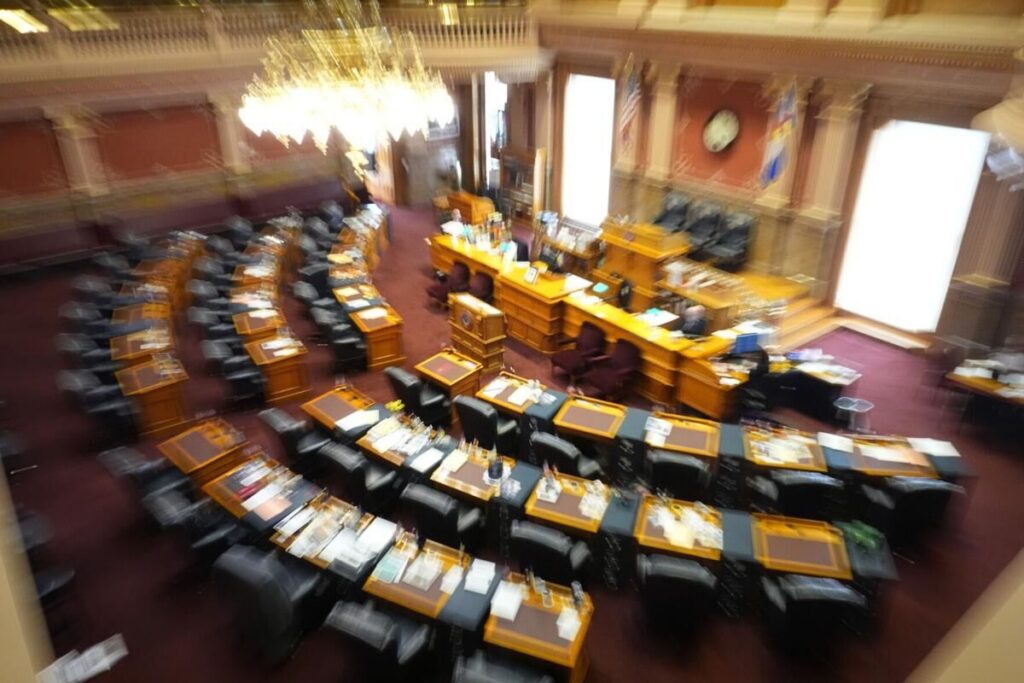
Gov. Jared Polis, on Thursday, announced he was appointing Gretchen Hammer to serve as acting executive director of the Colorado Department of Health Care Policy and Financing, and deputy executive director Stephanie Beasley to become the next commissioner of the...
Denver Democrat Neal Walia lands endorsement from Ro Khanna in Colorado’s state House District 9
Ernest Luning
ernest.luning@coloradopolitics.com
Updated 1 day ago
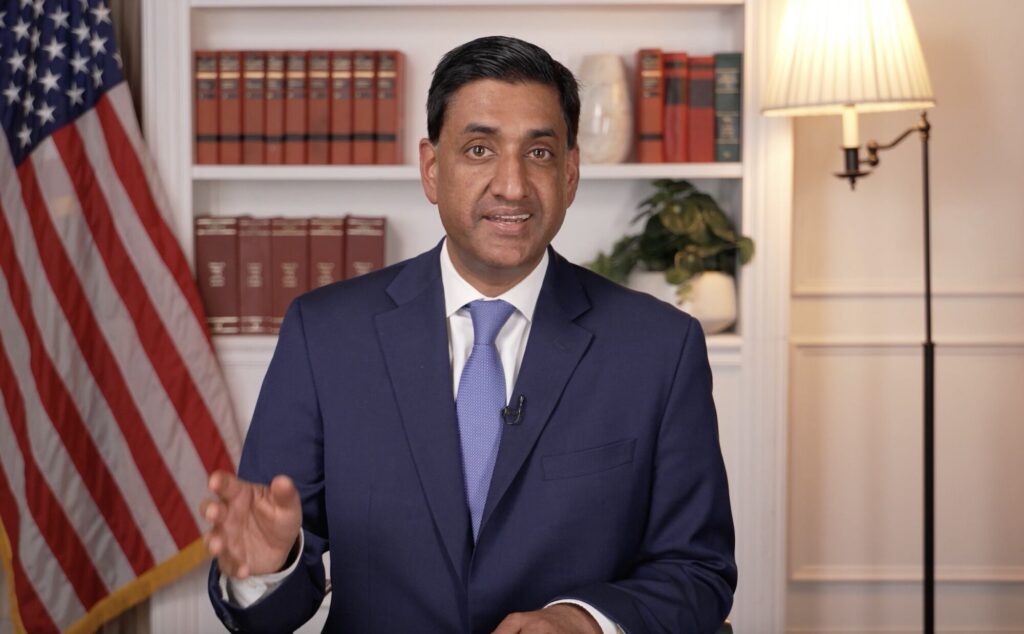
California Rep. Ro Khanna on Friday endorsed legislative candidate Neal Walia in the race for an open state House seat, praising the Denver Democrat’s commitment to public service and progressive goals. Walia, who mounted an unsuccessful challenge against U.S. Rep....
Gov. Lamm challenges Congress to stop ‘decontrol’ of natural gas | A LOOK BACK
Rachael Wright, Special to Colorado Politics
rachael.wright@coloradopolitics.com
Updated 3 days ago
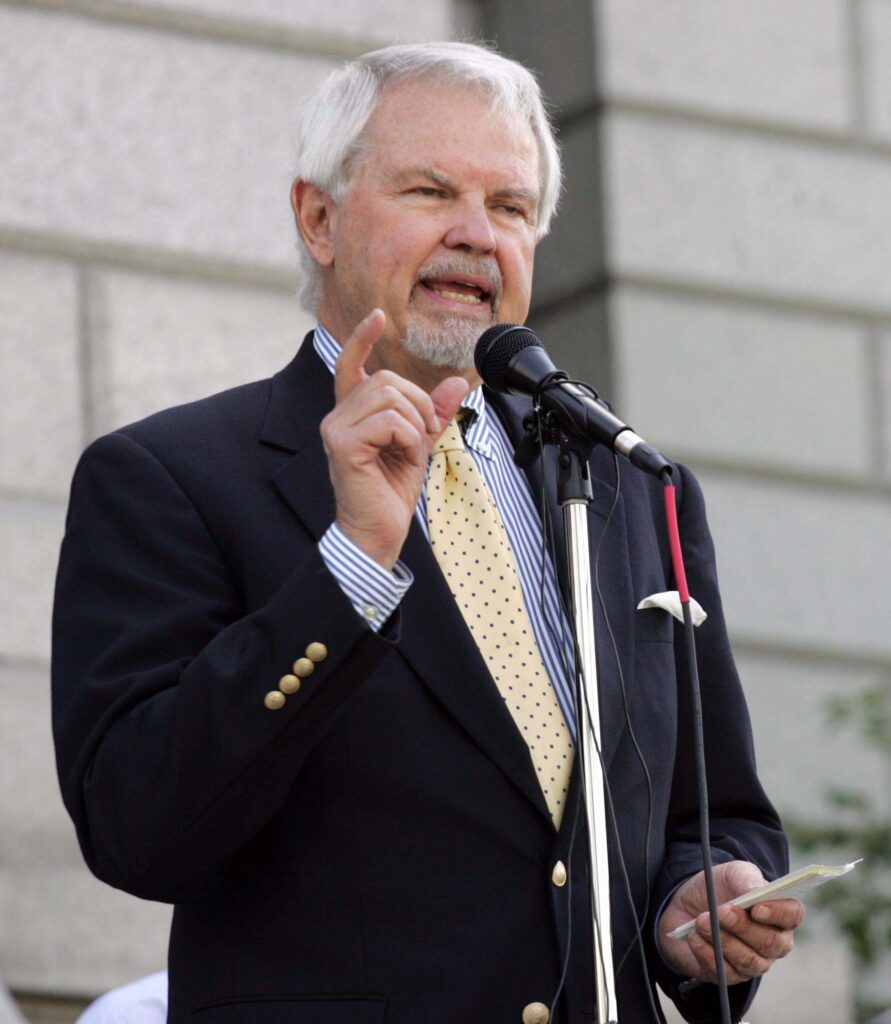
Forty-Five Years Ago This Week: In a memo to Colorado’s congressional delegation, Gov. Dick Lamm urged them to vote against the phased pricing deregulation provisions in the Natural Gas Policy Act, a measure introduced in Congress in 1978 and still...
Proposal outlines $300M deal separating Pinnacol from Colorado state government
Marianne Goodland
marianne.goodland@coloradopolitics.com
Updated 2 days ago
Colorado lawmakers are weighing a proposal that would allow Pinnacol Assurance to sever its remaining ties to the state in exchange for a $300 million payment, a long‑debated shift that supporters say could stabilize the insurer’s future and help plug...
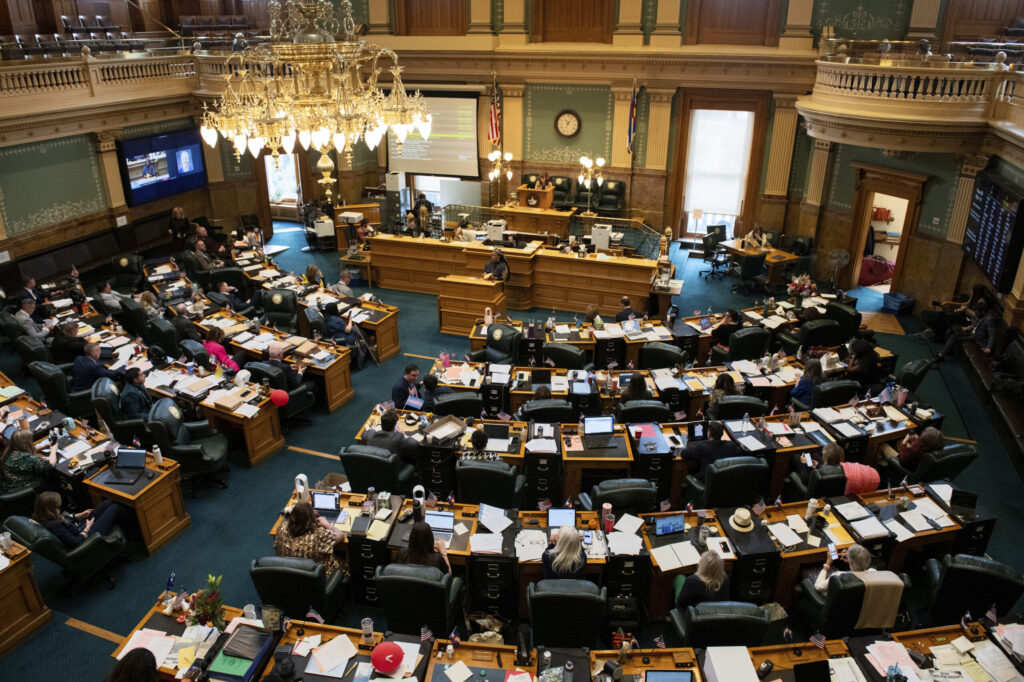
Bill requiring employers to grant unpaid leave to Colorado lawmakers heads to governor’s desk
Marissa Ventrelli
marissa.ventrelli@coloradopolitics.com
Updated 2 days ago
Colorado lawmakers are one step away from securing guaranteed unpaid leave from their day jobs during the legislative session after the House narrowly approved the proposal Thursday. Senate Bill 087 would require businesses to allow employees who are members of...

Colorado lawmakers propose deep cuts to close $1.2B budget gap
Marianne Goodland
marianne.goodland@coloradopolitics.com
Updated 1 day ago
The panel of Colorado legislators in charge of crafting next year’s budget has finalized the 2026–27 spending plan built on deep cuts and one‑time cash transfers in an attempt to close a shortfall of more than $1.2 billion. The plan...
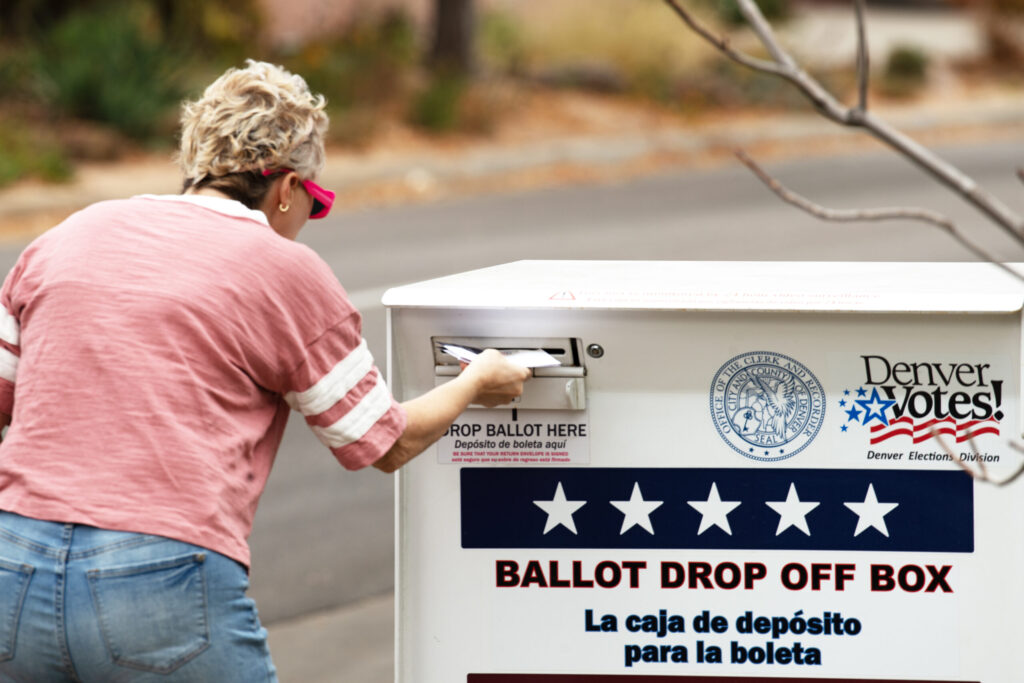
Judge rules that Colorado law makes it too hard for parties to bar unaffiliated voters from primaries
Ernest Luning
ernest.luning@coloradopolitics.com
Updated 2 days ago
A federal judge ruled in favor of the Colorado Republican Party late Tuesday, saying that a portion of the state law that allows unaffiliated voters to cast ballots in party primaries is unconstitutional because it imposes an unrealistic burden on...
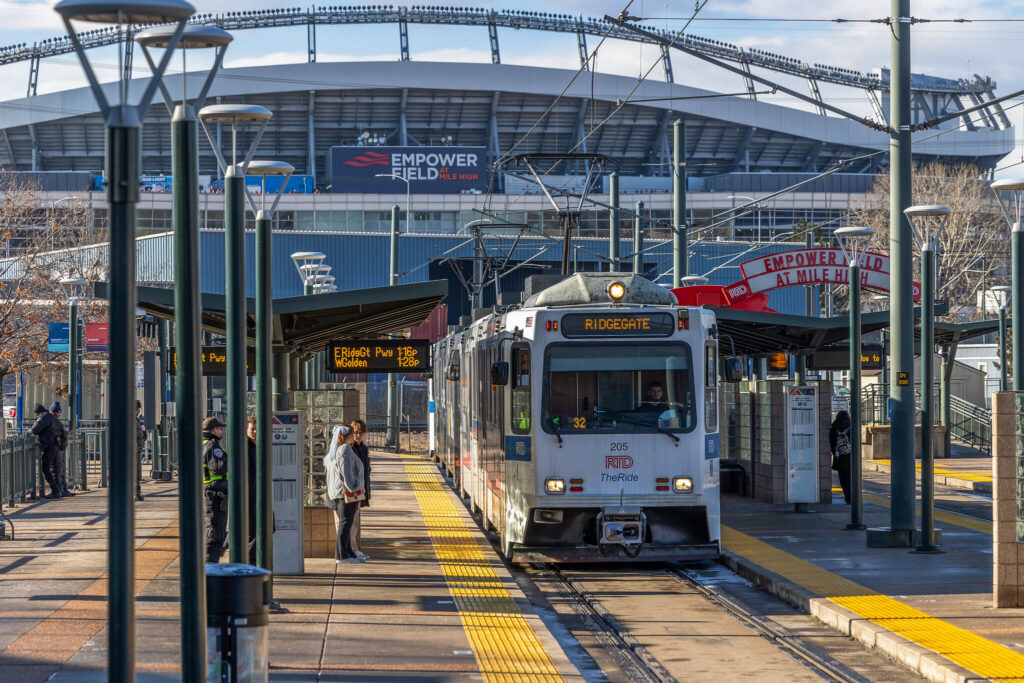
Colorado lawmakers push legislation to shrink RTD board, increase pay as ridership struggles persist
Marissa Ventrelli
marissa.ventrelli@coloradopolitics.com
Updated 3 days ago
Colorado lawmakers are advancing a new push to overhaul the Regional Transportation District, proposing to shrink the board, raise member pay and boost ridership back to pre-pandemic levels. While some stakeholders see the effort as a step forward, others warn...
PREV
PREVIOUS

Michael Bennet and 'the question' | SONDERMANN
The train usually runs only one way. The route goes from the state Capitol to Washington, D.C. State legislators become members of Congress; governors become senators. See Hickenlooper, John. Including our junior senator, no matter his years, a total of 12 current U.S. senators arrived there after first serving stints as governors of their respective […]

A day in the life of the Capitol: Capitol M | Week of Feb. 14, 2026
The lighter side of the Capitol, usually. If you were walking around the Capitol on Feb. 12, there was plenty to see and to be amused (or delighted) by. Let’s start with the high school kids from Greeley’s District 6. Their teachers, both old enough to remember, gave them a tour of the basement phone […]