

Colorado Democrats propose changes to juvenile corrections, jail searches, municipal courts | Bills in brief
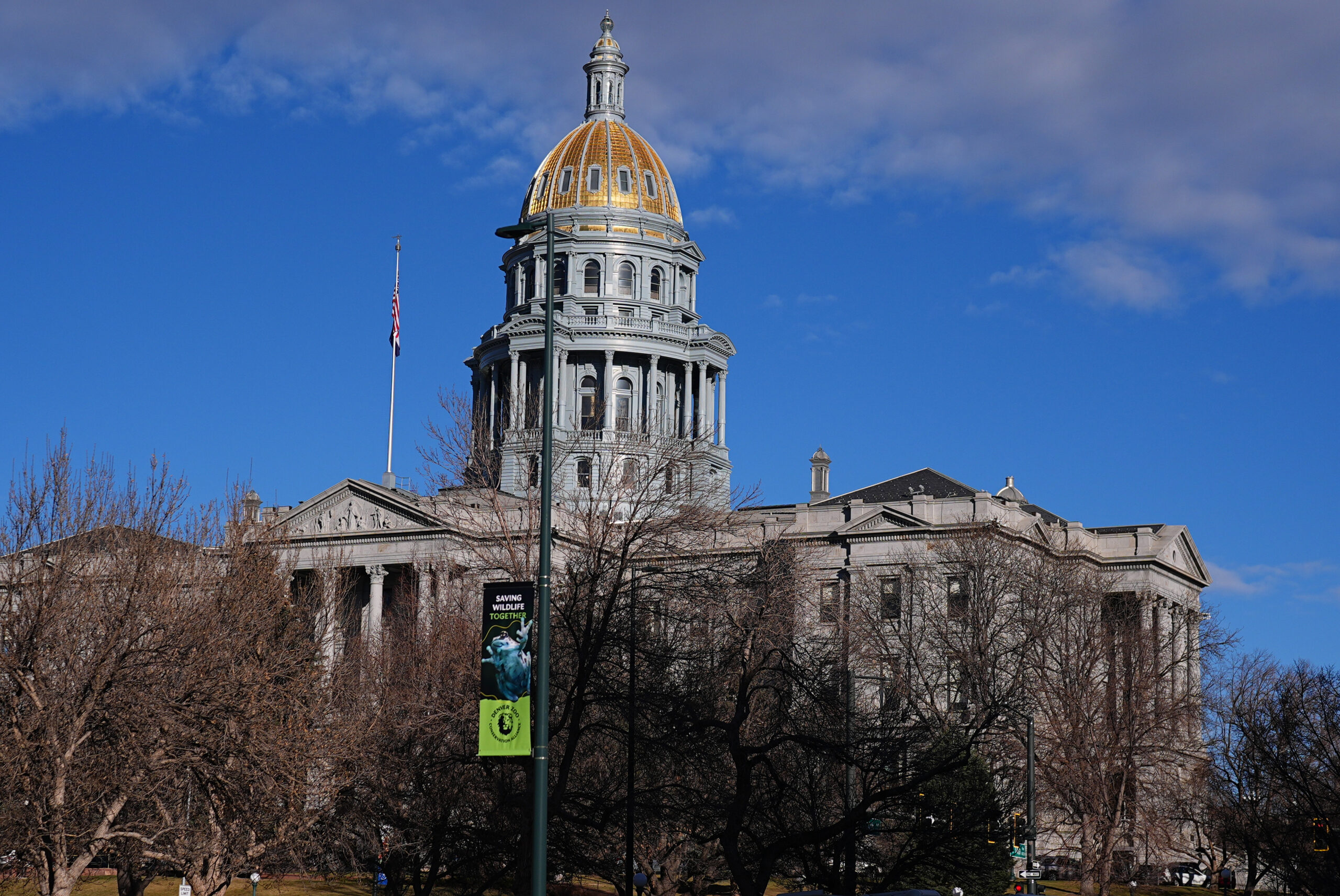
Colorado lawmakers introduce hundreds of bills each year. Bills in brief cuts through the noise by explaining which proposals matter, what’s at stake, and how decisions at the Capitol could affect everyday life across the state.
Colorado lawmakers are advancing a slate of bills dealing with crime and corrections this session that would reshape how the state treats young offenders, jail detainees, and municipal court defendants.
The sponsors said the proposals would expand mental and behavioral health protections, reduce sexual abuse in jails, and strengthen defendants’ rights in local courts.
Juveniles
House Bill 1064 would make several changes to the youthful offender system within the Department of Corrections, including adding requirements for “evidence-informed rehabilitative treatment,” life skills programming, individual therapy, family therapy, and substance abuse treatment. The bill aims to expand certain protections for offenders with mental or behavioral health conditions or intellectual or developmental disabilities.
A bill imposing changes to the state’s juvenile justice system, particularly for individuals with mental or behavioral health conditions, will be heard in committee this week.
The bill is sponsored by Reps. Jamie Jackson, D-Aurora, and Gretchen Rydin, D-Littleton, and Sens. Judy Amabile, D-Boulder, and Dafna Michaelson Jenet, D-Commerce City. It will be heard by the House Health and Human Services on Feb. 10.
Sexual abuse in jails
House Bill 1123 would implement a number of provisions that sponsors said are aimed at reducing sexual abuse in jails, including requiring two law enforcement officers to both determine that there is “reasonable belief” to conduct a strip search and prevents the use of body cameras during strip searches.
The bill also requires detention facilities to have a policy on staff protocol for responding to allegations of sexual abuse. It additionally requires jail staff to report any suspected, alleged, or witnessed sexual abuse, and implements whistleblower protection policies.
Also, the bill mandates the removal of the Peace Officer Standards and Training (POST) certification of any officer found to have sexually abused a prisoner at a local jail.
HB 1123 — sponsored by Reps. Katie Stewart, D-Durango, and Javier Mabrey, D-Denver, and Sens. Judy Amabile, D-Boulder, and Mike Weissman, D-Aurora — has been assigned to the House Judiciary Committee. No hearing date has been set.
Sentencing
Sponsors of last year’s House Bill 1147, which was vetoed by Gov. Jared Polis, have introduced a narrower version of the bill this year in House Bill 1134.
At its core, House Bill 1147 would have prevented municipalities from imposing harsher sentences than the state for the same crimes. In his veto letter, Polis said he wanted to wait for the state Supreme Court’s ruling on a pair of related cases.
That ruling came in December, when the Colorado Supreme Court determined that municipalities could not impose harsher sentences than the state.
“For the longest time, what I remembered is if you got charged in municipal court, you were glad because that meant it was a lower-level offense with lesser penalties,” said Justice Carlos A. Samour Jr. during oral arguments for one of the cases last spring. “Now, it feels like the other way around, where if you get charged in municipal court, you’re really in trouble.”
This year’s bill includes provisions from HB 1147 not covered in the Supreme Court case, including clarifying that municipal court defendants have the same right to counsel as state-level defendants and requiring that all municipal court proceedings be open to the public.
House Bill 1134 is sponsored by Reps. Javier Mabrey, D-Denver, Elizabeth Velasco, D-Glenwood Springs, and Sens. Judy Amabile, D-Boulder, and Mike Weissman, D-Aurora. It has been assigned to the House Judiciary Committee, but no hearing date has been announced yet.

Denver Democrat Diana DeGette trails challenger Melat Kiros at assembly as both qualify for primary
Ernest Luning
ernest.luning@coloradopolitics.com
Updated 22 minutes ago
U.S. Rep Diana DeGette, a Denver Democrat, qualified for Colorado’s June primary by the skin of her teeth Friday at the party’s district assembly, where the 15-term incumbent received fewer than half as many delegate votes as her challenger, 28-year-old...
Seligman, Bridges, Gonzales lead downballot races heading into Colorado Democrats’ state assembly
Ernest Luning
ernest.luning@coloradopolitics.com
Updated 17 hours ago
As Colorado Democrats prepare to designate candidates to the June primary ballot at the party’s state assembly in Pueblo on Saturday, three candidates appear poised to win top-line designation in downballot statewide races, according to data compiled by the state...

Democratic US Sen. John Hickenlooper qualifies for Colorado primary by petition, will skip assembly
Ernest Luning
ernest.luning@coloradopolitics.com
Updated 2 days ago
U.S. Sen. John Hickenlooper has qualified for Colorado’s Democratic primary after the first-term incumbent submitted enough valid petition signatures to make the ballot, state officials said. Hickenlooper is facing primary challenges from state Sen. Julie Gonzales, D-Denver, and university professor...
Pinnacol separation bill delayed as Colorado budget remains in flux due to $1.5B deficit
Marianne Goodland
marianne.goodland@coloradopolitics.com
Updated 2 days ago
A bill that would allow Pinnacol Assurance to formally sever its remaining ties with the state appears unlikely to emerge anytime soon, as House leaders juggle a massive budget shortfall, unresolved negotiations with key stakeholders, and growing doubts about whether...
Colorado legislators consider $500 million in general fund cuts amid $1.5 billion deficit
Marianne Goodland
marianne.goodland@coloradopolitics.com
Updated 3 days ago
The legislature’s Joint Budget Committee is working through a list Wednesday of about 150 suggestions to cut as much as $1.5 billion in general fund dollars out of next year’s budget. The largest on the list prepared by JBC staff...
Gov. Jared Polis signs housing bills amid push for ‘affordability’
Marissa Ventrelli
marissa.ventrelli@coloradopolitics.com
Updated 2 days ago
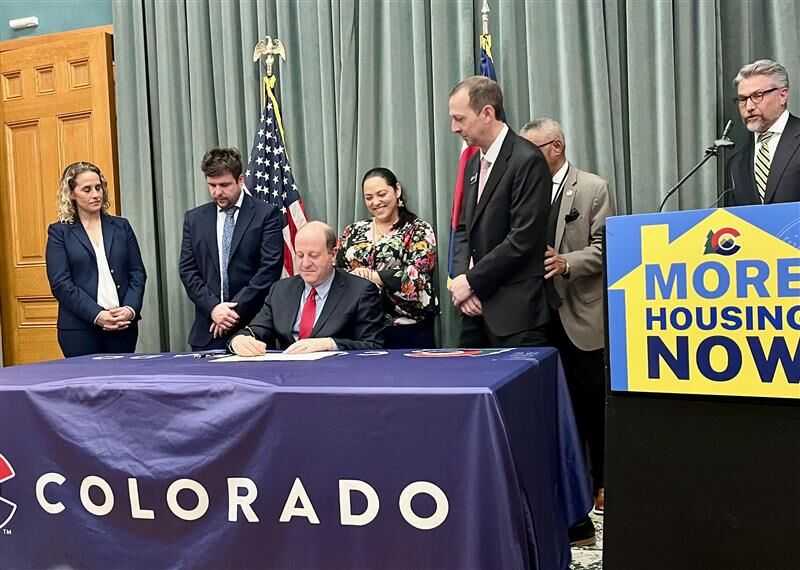
Gov. Jared Polis held the first public bill signing of the 2026 legislative session on Wednesday on a pair of housing measures that, sponsors said, are aimed at affordability. Part of Democrats’ “affordable” housing package this year, the bills —...
Colorado Democrats want large corporations to pay fee if employees are on Medicaid
Marianne Goodland
marianne.goodland@coloradopolitics.com
Updated 3 days ago
Democrats are seeking to require Colorado’s largest corporations to pay thousands of dollars for each employee that relies on the Medicaid program for health insurance. They don’t have to pay the fee if they can demonstrate offering an “affordable health...

Farmworker overtime bill advances after lengthy debate in Colorado Senate
Marianne Goodland
marianne.goodland@coloradopolitics.com
Updated 4 days ago
The Colorado Senate on Tuesday narrowly advanced a bill to raise the overtime threshold for agricultural workers, defeating more than a dozen amendments from its leading opponent aimed at rewriting the measure. As introduced, Senate Bill 121 would raise the threshold for...

Colorado Agriculture Day: A feast for the ears, eyes and stomachs
Marianne Goodland
marianne.goodland@coloradopolitics.com
Updated 4 days ago
Gov. Jared Polis, legislators and friends of agriculture gathered at the state Capitol on Tuesday to celebrate Colorado Agriculture Day. The annual recognition of the contributions of Colorado farmers, ranchers and agribusiness drew hundreds to the Capitol’s west foyer, where...
Wildlife agency asks for $450,000 to bring more wolves to Colorado
Marianne Goodland
marianne.goodland@coloradopolitics.com
Updated 4 days ago
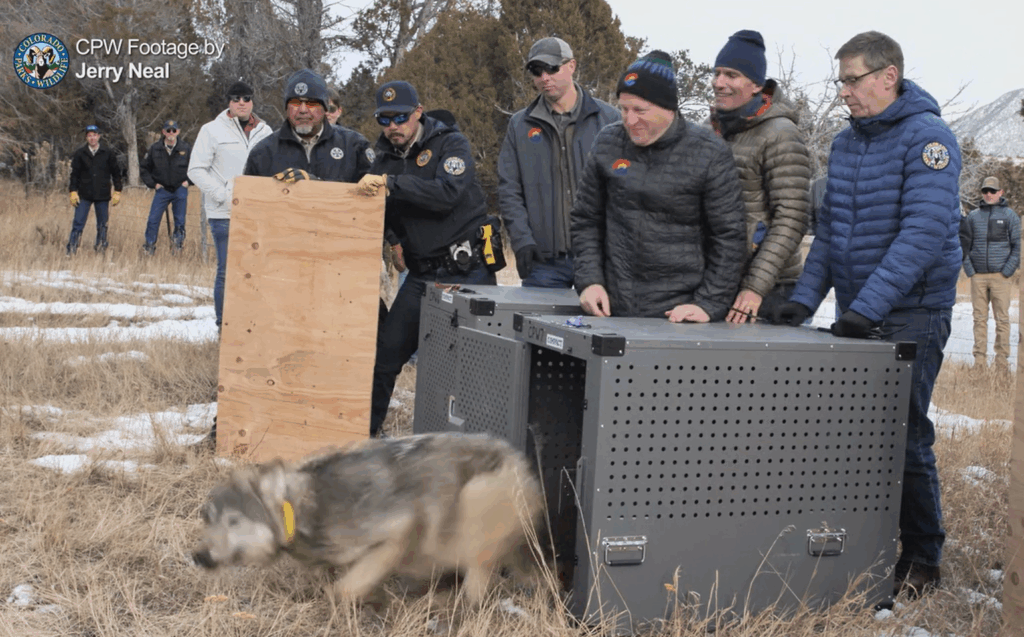
The panel of legislators charged with crafting the budget on Monday rejected a proposal that proponents said would increase transparency around how much Colorado Parks and Wildlife spends to bring additional wolves into the state. At the same time, the...
PREV
PREVIOUS

Colorado's legislative activity has increased 56% since 2012, report finds
The Colorado General Assembly has adopted increasingly more bills in the last several years, even as the proposals have also become more complex. The legislature passed 487 bills during the 2025 legislative session, representing a 56% growth in legislative output since 2012. That growth represents the fourth-highest in the country, behind only Wyoming, Utah, and […]

Supreme Court finalists selected, federal judges slash backlogs | COURT CRAWL
Welcome to Court Crawl, Colorado Politics’ roundup of news from the third branch of government. Coloradans learned who the three finalists are for a state Supreme Court vacancy, and new data show that Colorado’s federal trial judges reduced their backlog of motions in civil cases. Supreme Court vacancy • With the unexpected departure of Justice Melissa […]