

A step in the right direction for Taiwan | Kelly Sloan
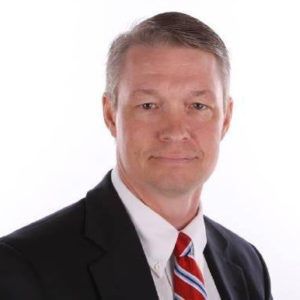
Earlier this week, amid the chaos, bustle, tension and constant movement of a legislative session in full swing, a short ceremony took place in the east foyer on the first floor of the State Capitol, just steps from the governor’s office. Gov. Jared Polis himself was in fact present, as was the states’ Lieutenant Gov., Diane Primavera, and the Director General of the Taipei Economic and Cultural Office in Denver (which is what we must call, with just a hint of diplomatic absurdity, the Taiwanese consulate) Debbie Huang. They were there to sign a Memorandum of Understanding (MOU) between the State of Colorado and the Republic of China (Taiwan).
Unlike much of what happens in that building, it was a happy affair, a gesture of international solidarity and cooperation, attended by several members of the local Taiwanese community, a few folks from various executive agencies, and a handful of Taiwan-supporting legislators. Included in this latter group was Rep. Anthnoy Hartsook, who, along with Sen. Dafna Michaelson Jenet and Rep. Dusty Johnson, embarked on an official visit to the island nation last fall, and helped gestate the MOU. Hartsook, it should be noted, receives nearly as much joy from tweaking the noses of the petulant communist monsters who run the People’s Republic of China, as does yours truly. On this occasion, however, he limited his remarks to the economic benefits of the MOU and the tireless generosity of the Taiwanese people, a generosity which is as inherently definitive of Taiwan as pineapple cake and TSMC.
An MOU, of course, is not a comprehensive trade deal, nor is it generally a legally binding document, but this is significant, nonetheless. Its purpose is to increase economic cooperation between Colorado and Taiwan, and potentially reveal opportunities for mutual investment in critical and emerging technologies (such as quantum, photonics, precision agriculture and semiconductors), and shore up some supply chains. There are only a few other countries with which the state has entered into a similar MOU — Finland, Austria and the United Kingdom come to mind — and none of those share Taiwan’s unique situation. None of those countries, for instance, is facing a daily existential threat from a large revanchist neighbor (Finland potentially shares that distinction, but Russia is rather preoccupied on other aggressive ventures at the moment, and Finland is a member of the NATO alliance, as long as that lasts); and none labor under the diplomatic constraints that Taiwan does — that is, the lack of official international recognition due in large part to weak American foreign policy in the 1970s.
What Taiwan most desires, given the threat it lives under, is international inclusion. At the very least, it desires the cooperation and support of its friends, or those in the free world who ought to be their friends. Colorado stepping up to ostentatiously offer that friendship is meaningful, especially given the fact the current federal administration seems to be taking the perennial concept of “strategic ambiguity” to extremes.
Taipei and Washington did arrive at an agreement on reciprocal tariffs last month, which brought Taiwan’s tariffs down to a more reasonable level (truly reasonable, for those of us who are disciples of Adam Smith, is zero.) But there remains among friends of liberty and China hawks the persistent nagging worry President Donald Trump may be willing to throw Taiwan under the bus in pursuit of what he sees as a favorable trade deal with Beijing. In other words, the fear is Donald Trump may connect fatally with his inner Mark Carney.
And the signs are indeed worrisome; the Pentagon’s just-released unclassified version of the National Defense Strategy seems to take pains to avoid using clear language describing the threat from communist China and fails to mention Taiwan at all; though it does refer instead to the “first island chain”, of which Taiwan is the keystone.
It is understandable the president does not want to needlessly antagonize China, and in any case his attention may be diverted at more immediate activities, like those taking place in Venezuela and Iran (both of whom happen to be Red Chinese allies, and both of whom Beijing has made great use of). But it would be a critical mistake for the Trump administration to abandon the security of the Formosa Strait, for reasons economic, political, moral and especially strategic.
There are things the U.S. government can do, short of the official recognition of Taiwan as an independent country which, while perhaps the right thing morally, would be dangerously provocative. The administration can, for instance, deliver to Taipei the weapons they were already promised and paid for; perhaps include Taiwan in the long-overdue critical minerals trade bloc the administration established a few days ago; and include Taiwan in a regional free trade agreement.
In the meantime, while the president is distracted by figuring out what he wants to do with Greenland, and whether or not he will deploy the might of the U.S. military to finally liberate the people of Iran, Colorado took a good step in the right direction. Whatever the economic benefits of the MOU, and they are promising, it will add at least a modicum of security and legitimacy to what is for all purposes the West Berlin of the South China Sea, and that made Tuesday a good day.
Kelly Sloan is a political and public affairs consultant and a recovering journalist based in Denver.

The outrages mount | Hal Bidlack
Hal Bidlack
hal-bidlack@coloradopolitics.com
Updated 6 hours ago
My kindly and forgiving editors understand that, from time to time, I can’t help myself from leaping atop my rickety soapbox to vent. And, like many other political commentators have already done, I could easily fill this entire missive with...

Rural Colorado deserves a tax holiday | GUEST COLUMN
Eric Mulder
jstooksberry@gmail.com
Updated 6 hours ago
Spend enough time in Colorado’s Eastern Plains, the San Luis Valley, or the Western Slope, and you’ll see boarded-up storefronts, schools consolidating classrooms, and small rural communities stretching every dollar to keep basic services afloat. Once the backbone of Colorado’s...
Colorado board permits state to appeal injunction against arthritis drug price cap
Marissa Ventrelli
marissa.ventrelli@coloradopolitics.com
Updated 10 hours ago
A Colorado board voted Friday to allow the Attorney General’s Office to fight an injunction against a price cap on a drug that treats arthritis. A U.S. district court judge had granted the company Amgen a preliminary injunction, temporarily blocking...

Colorado schools receive $24 million for free meals program
Marissa Ventrelli
marissa.ventrelli@coloradopolitics.com
Updated 10 hours ago
The Colorado Department of Education is providing Colorado schools with nearly $24 million in grant funding to implement a free lunch program. Approved by voters in 2022, the Healthy School Meals for All provides free breakfast and lunch to all...

‘Be prepared to march in the streets’ | Miller Hudson
Miller Hudson
miller-hudson@coloradopolitics.com
Updated 3 days ago
It was early in 1974 when I first met Tim Wirth as he announced his candidacy for Congress, challenging Republican incumbent Don Brotzman. Although I had only resided in Colorado two years, I was drafted to serve as a Democratic...

Colorado districts prepare for school year amid mental health cuts. But will less cellphone distractions help?
Marissa Ventrelli
marissa.ventrelli@coloradopolitics.com
Updated 4 days ago
The signs of a new school year are everywhere — buses in the shop, teachers unpacking boxes, families ticking through supply lists — but behind the familiar rituals, Colorado districts are preparing for a year defined less by routine than...
Surprise candidate Shimon Blau cleared to face off against Melat Kiros in November
Ernest Luning
ernest.luning@coloradopolitics.com
Updated 3 days ago
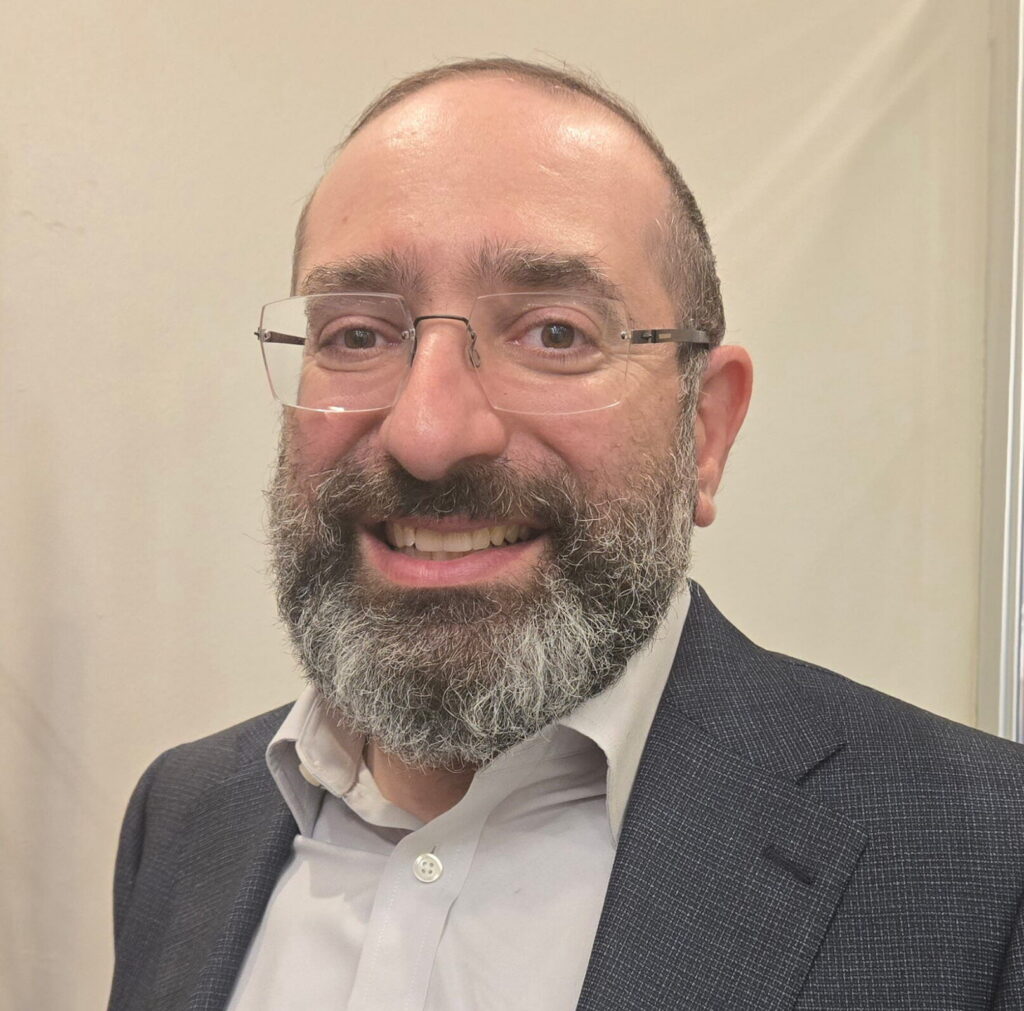
Unaffiliated congressional candidate Shimon Blau, a Denver doctor, has qualified by petition for the general election in Colorado’s 1st District, where Democrat Melat Kiros defeated 15-term U.S. Rep. Diana DeGette in last month’s primary, the Colorado Secretary of State’s Office...

UNC opens College of Osteopathic Medicine
Marissa Ventrelli
marissa.ventrelli@coloradopolitics.com
Updated 3 days ago
The University of Northern Colorado held a grand opening for its new College of Osteopathic Medicine on Friday, with Gov. Jared Polis in attendance to celebrate the culmination of a two-year, $127.5 million project. The project was funded through legislation...
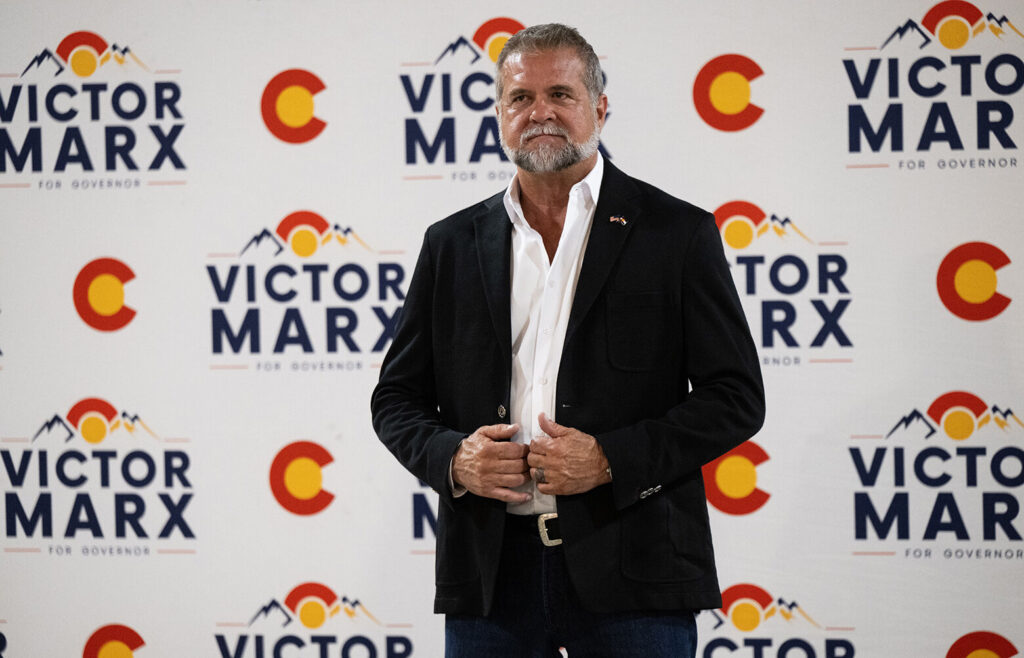
Victor Marx, GOP candidate for governor, faces 100-plus campaign finance complaints
Marianne Goodland
marianne.goodland@coloradopolitics.com
Updated 9 hours ago
Victor Marx’s gubernatorial campaign has been hit with more than 140 campaign finance complaints, although most have been consolidated by the state’s election office because they follow similar alleged violations. Marx faces Attorney General Phil Weiser, who won the Democratic...

Primary voters rejected big money in politics | Paula Noonan
Paula Noonan
paula-noonan@coloradopolitics.com
Updated 3 days ago
While we’re in an election campaign lull between now and Labor Day, we have time to consider the impact of $102 million in campaign contributions in the primary. In the general election, more money will fill candidate campaign coffers, and...
PREV
PREVIOUS

Proposal targets dual office-holding by Colorado legislators | Bills in brief
Colorado lawmakers introduce hundreds of bills each year. Bills in brief cuts through the noise by explaining which proposals matter, what’s at stake, and how decisions at the Capitol could affect everyday life across the state. A bill set for its first hearing later this month would bar Colorado lawmakers from holding more than one […]

Boebert’s top Dem challengers set fundraising, spending pace heading into election year | TRAIL MIX
As multiple candidates across Colorado have demonstrated in recent years, challenging US Rep. Lauren Boebert could be the most lucrative campaign fundraising pitch yet discovered in the state. For the umpteenth time, Democrats hoping to unseat the Republican congresswoman have buried the state’s other U.S. House candidates’ fundraising totals for the most recent quarter — […]