

Big Marijuana in Colorado is all about spin, denial | PODIUM

Where there’s weed smoke, there’s fire. In Leadville last month, this was literally the case, as a pot shop incinerated along with its mind-altering wares. The acrid smoke was so harmful to residents that homes were evacuated. The local public health agency told people to stay indoors or wear masks for a half-mile around town.
This is yet another underreported harm of allowing mass commercialized weed dealing in our state. It should be uncontroversial to acknowledge it, even for industry folks.
Or so one would think.
High Times, one of the marijuana industry’s largest national propaganda outlets, couldn’t bring itself to admit the obvious. On Jan. 12, it published a bizarre piece running cover for the industry on the Leadville pot shop fire. And even though the town is more than 10,000 feet in elevation, you’d have to be even higher than that to buy what High Times is selling here.
The magazine took serious issue with the way the story was reported locally, as well as with how people talked about it online. It headlined its glaze-job: “A Dispensary Burned. If This Was a Pharmacy Fire, Nobody Would Be Joking.”
“(L)anguage matters,” it argued. “When the headline centers the marijuana instead of the fire, it invites a different reading. The building fades into the background. The emergency response becomes secondary. Cannabis becomes the subject, and the smoke becomes a wink.”

When we legalized marijuana back in 2012, nobody had in mind the multibillion-dollar machine we would create. Additionally — and critically here — we didn’t realize the industry would follow in the footsteps of Big Tobacco, one of its largest investors, by setting up a media propaganda machine to scold local reporters for daring to speak about the harms of their products.
In a way, we should be grateful: High Times is blowing away all the smoke and saying the quiet part out loud here. For them, it’s not about the people, families and communities hurt by the industry. It’s about making sure no one talking about the harm — an actual fire in this case — makes “cannabis” the “subject,” to put it in their words. For this addiction industry, good optics take precedence over the personal, social and environmental damage it does — at any cost.
This move from the “Ministry of Truth” of pot should not surprise anyone paying attention. Even as the endless drumbeat of studies about the dangers of marijuana gets ever louder, the industry by and large still pretends marijuana isn’t a heart-damaging, brain-changing psychotropic but an all-natural good time and wonder drug. Indeed, High Times Chief Executive Josh Kesselman just put out a video mocking people worried about cannabinoid hyperemesis syndrome, suggesting the concern is “ludicrous.” This is a well-documented condition (also known as “scromiting,” short for scream-vomiting), which is caused by using marijuana and sends sufferers to the hospital in paroxysms of pain. CHS incidence rates rose more than 400% between 2016 and 2022, per a widely shared recent study. CHS is so serious the World Health Organization just gave the disease its own diagnostic code.
Crying foul when people object to a flaming, toxic health hazard is part of that sick posture. Whatever harm weed does, the industry can be trusted for one thing: to deny, deny, deny. Even when Main Street Coloradans have to all but call in the hazmat teams to deal with marijuana-industry fallout.
Luke Niforatos, of Lone Tree, is executive vice president of Smart Approaches to Marijuana and the Foundation for Drug Policy Solutions.


Colorado’s hunting and fishing traditions rest on science, conservation and a proven heritage | IN RESPONSE
Colorado Politics
colorado-politics@coloradopolitics.com
Updated 2 hours ago
By John Howard Eric Washburn’s recent column warns Coloradans the right to hunt and fish amendment is a Trojan horse designed to resurrect “cruel” practices voters have already banned and to elevate killing above every other form of wildlife management....
Why does Colorado limit who can safeguard taxpayer dollars? | GUEST COLUMN
Colorado Politics
colorado-politics@coloradopolitics.com
Updated 2 hours ago
By Devin Camacho Recently, PNC Bank announced its purchase of FirstBank Colorado. Not only did Colorado lose a local banking option, but nearly 1,000 people lost jobs, with more job losses coming as the big bank now closes branches too....
Gubernatorial candidates Phil Weiser, Greg Lopez spar, as Marx skips debate
Deborah Grigsby
deborah.smith@denvergazette.com
Updated 5 hours ago
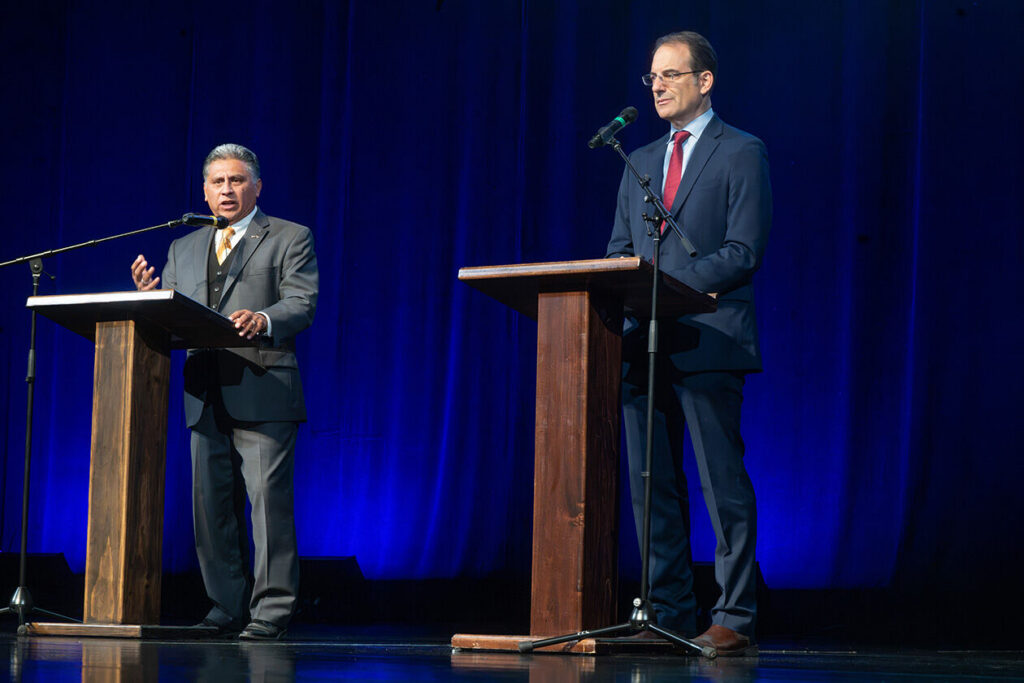
Two of the candidates for Colorado governor squared off in a televised debate on Thursday night, when Attorney General Phil Weiser, the Democratic nominee, and former U.S. Rep. Greg Lopez, an unaffiliated candidate, delved into issues of affordability, data center...
Troops, taxes, war dominate Colorado’s 5th CD debate between Jeff Crank, Jessica Killin
Deborah Grigsby
deborah.smith@denvergazette.com
Updated 6 hours ago
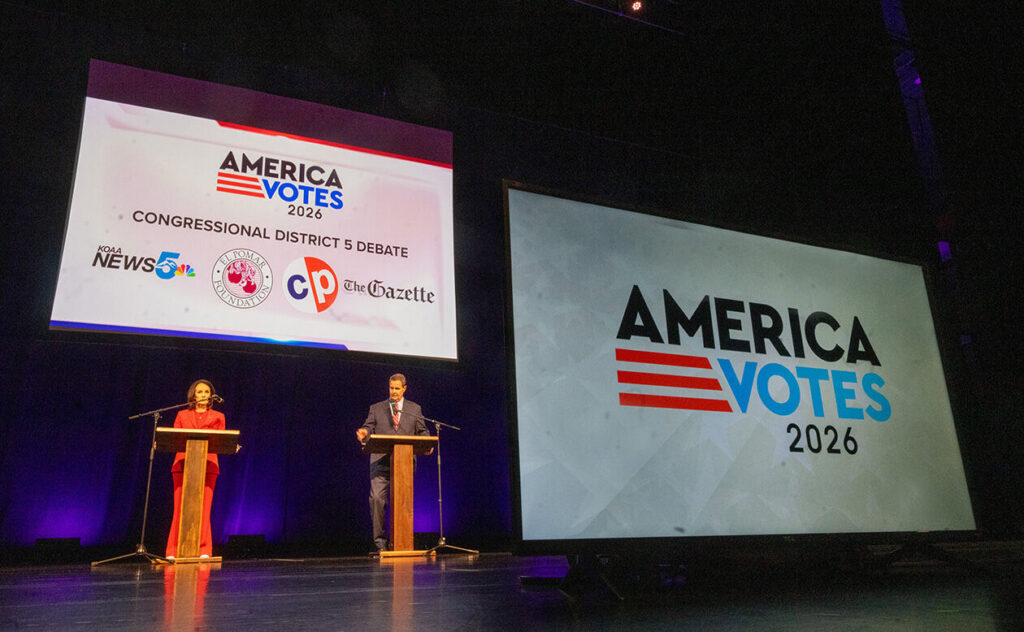
Republican U.S. Rep. Jeff Crank and Democratic challenger Jessica Killin on Thursday night clashed over the war in Iran, the federal budget and healthcare when they took the stage in Colorado Springs for a sold-out debate in the race to...

WATCH: Colorado gubernatorial candidates Phil Weiser, Greg Lopez face off Thursday in televised debate
Ernest Luning
ernest.luning@coloradopolitics.com
Updated 7 hours ago
Two of the candidates for governor of Colorado are set to square off in a televised debate for the first time Thursday night, when Attorney General Phil Weiser, the Democratic nominee, and former U.S. Rep. Greg Lopez, an unaffiliated candidate,...

WATCH: Republican US Rep. Jeff Crank, Democratic challenger Jessica Killin debate in Colorado’s 5th CD
Ernest Luning
ernest.luning@coloradopolitics.com
Updated 9 hours ago
Republican U.S. Rep. Jeff Crank and Jessica Killin, his Democratic challenger, are scheduled to meet for a televised debate in the race to represent Colorado’s 5th Congressional District on Thursday night. The candidates are set to take the stage at...
Colorado State Fair youth golf tournament celebrates 11 years
Marianne Goodland
marianne.goodland@coloradopolitics.com
Updated 11 hours ago
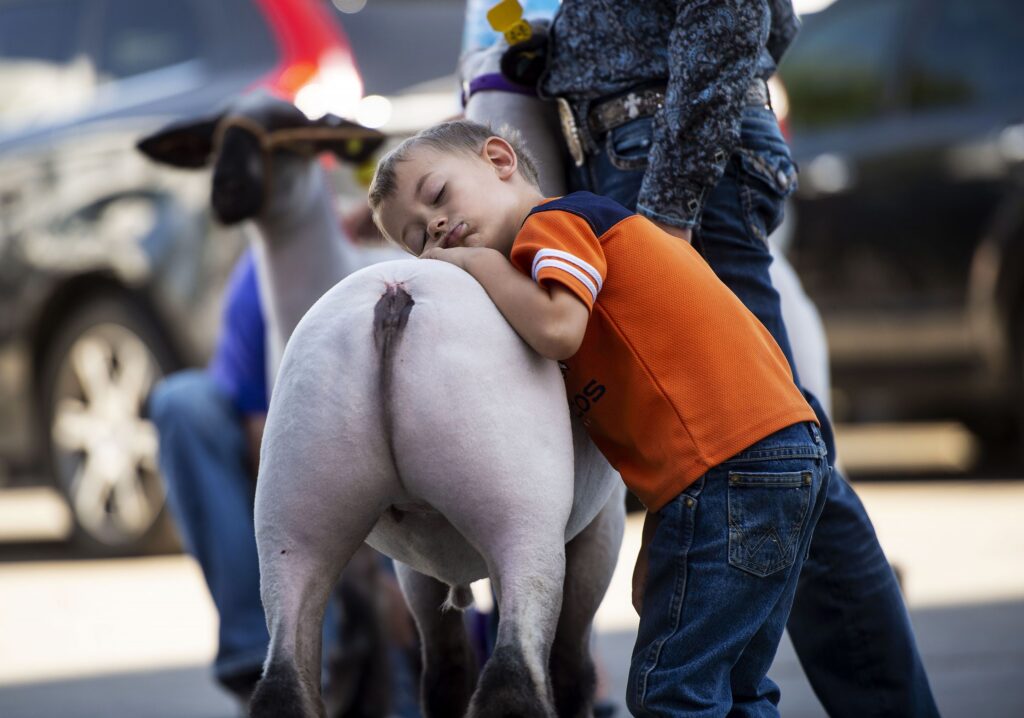
Twenty-eight teams tee off Friday at Walking Stick Golf Course in Pueblo for a tournament supporting 4-H, Future Farmers of America and capital improvements at the Colorado State Fair. Now in its 11th year, the Partners of Youth in Ag...

Controversial two-bag furbearer limit heads to CPW meeting under legal threat
Marianne Goodland
marianne.goodland@coloradopolitics.com
Updated 11 hours ago
Next week’s Colorado Parks and Wildlife Commission meeting in La Junta is likely to open under the cloud of threatened legal action. Safari Club International and the Sportsmen’s Alliance Foundation warned the commission this month that its July vote imposing...
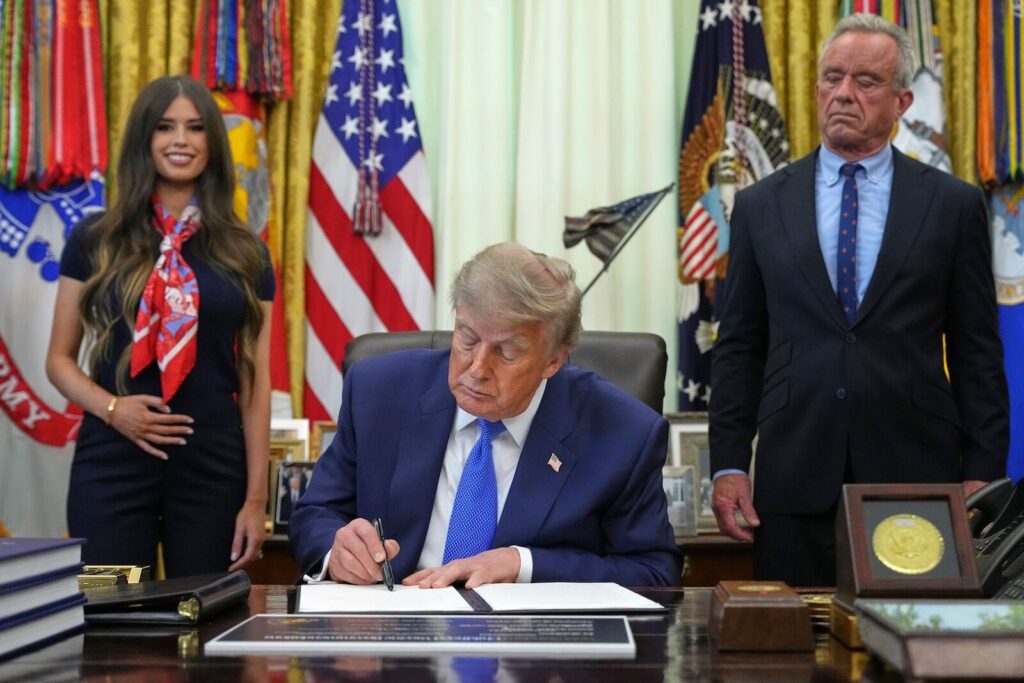
Democratic-aligned poll shows big majority of swing-seat voters support routine childhood vaccines
Ernest Luning
ernest.luning@coloradopolitics.com
Updated 14 hours ago
A new poll conducted by Democratic-aligned groups found that voters in competitive U.S. House districts — including a battleground seat in Colorado — support routine childhood vaccinations by a wide margin and oppose a recent order by President Donald Trump...
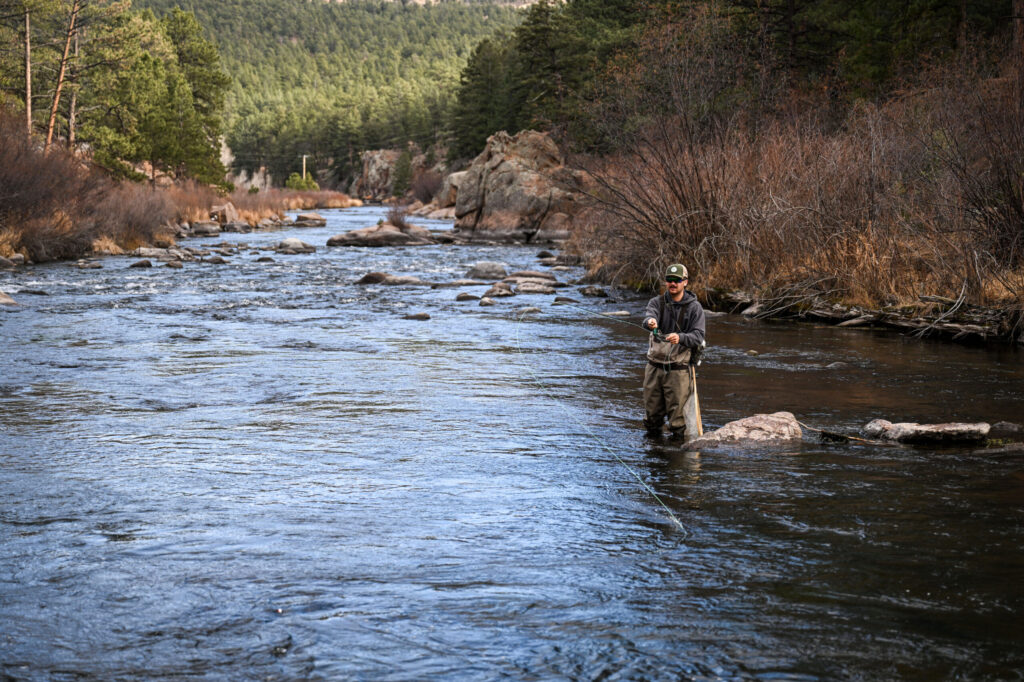
Some Colorado hunters oppose measure establishing constitutional right to hunt, fish proposal, group says
Marissa Ventrelli
marissa.ventrelli@coloradopolitics.com
Updated 8 hours ago
A group that says it represents hunters and anglers from across Colorado announced its opposition to a ballot measure that would establish the right to hunt and fish in Colorado’s constitution, saying it could result in the overturning of bans...
PREV
PREVIOUS
U.S. careening off the rails under Trump's stewardship | Paula Noonan
Does anyone in Colorado or the United States feel like life is anywhere near normal anymore? Our aberration is not from a pandemic. It’s from our government. It’s at war with us, the people. Let’s take Renée Good’s tragic fate. She dropped off her son at school. She stopped where ICE agents were standing on […]

Douglas County Sheriff, DA sue Polis administration over immigration policy
Douglas County Sheriff Darren Weekly and District Attorney George Brauchler filed a lawsuit against Colorado Gov. Jared Polis, challenging the constitutionality of a state statute on immigration visas. Filed on Wednesday, the suit also named Colorado Attorney General Phil Weiser, Director of Public Safety Stan Hilkey, and Division of Criminal Justice Director Matt Luan as […]