

New Aurora councilmembers to host meetings about creating civilian oversight of police
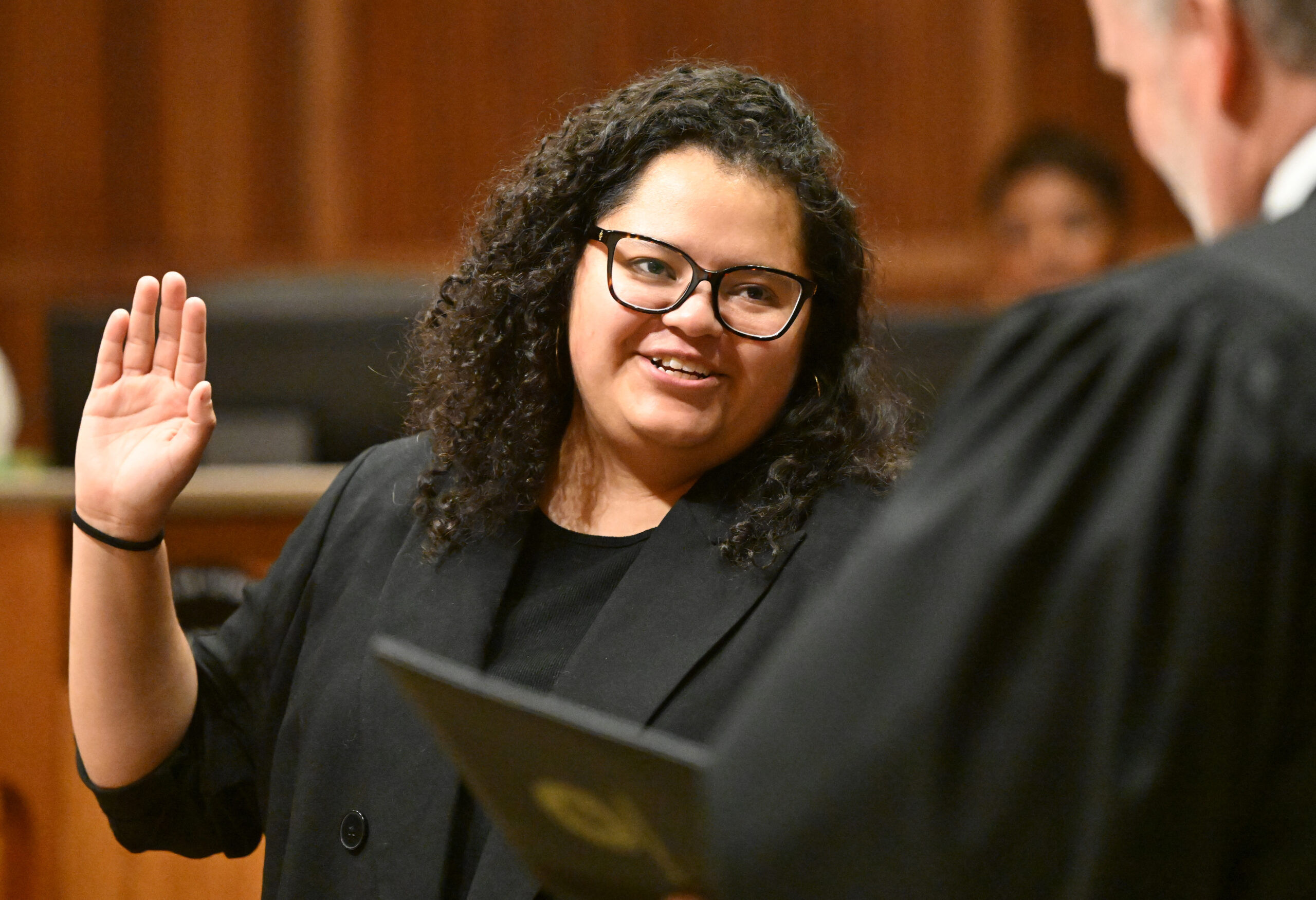
Two of Aurora’s new councilmembers plan to hold listening sessions with community members to talk about establishing an independent civilian oversight committee for Aurora police.
Gianina Horton and Amy Wiles, who were both elected to the Aurora City Council in November, are hosting sessions on Tuesday and Jan. 29 at the Aurora Center for Active Adults, 30 W. Del Mar Circle in Aurora.
The sessions have different agendas, Horton wrote on social media about the upcoming meetings.
On Jan. 13, the session will focus on what independent civilian oversight of law enforcement means and historical efforts that have been taken in Aurora, Horton said.
On Jan. 29, they will talk more in depth about what that oversight committee might look like, her post said.
Both sessions are free and will include a “light dinner.” Attendees are asked to RSVP on Eventbrite.
Talk of creating an independent oversight group for the Aurora Police Department is not new. For more than a year, protesters have attended every Aurora City Council meeting to demand action from the council following the police shooting death of Kilyn Lewis, who was unarmed and wanted on an attempted murder warrant.
In the first meeting under the new City Council, multiple people during the public comment session asked for the creation of an independent oversight group.
Both Horton and Wiles included the creation of such a group in their campaign goals when they ran for the City Council.
APD is also still under a consent decree.
The decree, which the city entered into with the Colorado Attorney General’s Office in 2021 to implement sweeping changes to policing — notably in the use of force and how officers engage with residents — came after the death of 23-year-old Elijah McClain in 2019 while being arrested by three officers.
Aurora agreed to make changes after an investigation by the Attorney General’s Office found patterns of bias and excessive force in policing. The investigation also found a pattern of using the sedative ketamine in violation of the law by the fire department, which has since stopped using the drug but has to comply with related mandates in the consent agreement if it ever resumes use.
Aurora police officials did not respond to a request for comment on this story as of its publishing.


Denver mayor says city police will detain ICE officers using ‘excessive force’
Deborah Grigsby
deborah.smith@denvergazette.com
Updated 17 minutes ago
Denver Mayor Mike Johnston on Thursday outlined his city’s response to immigration enforcement operations, including intervening to stop federal officers when local police observe them using “excessive” force. Johnston also said the city will not allow federal authorities to “stand...

Greeley voters halt landmark development project
Hap Fry, Special to The Gazette
hap-fry@gazette.com
Updated 19 hours ago
GREELEY – The landscape-altering Cascadia development project has been put on ice, according to unofficial results of a city referendum on the project Tuesday. The proposed development would have included an 8,600-seat multiuse arena and ice center that would be home to the Colorado Eagles,...
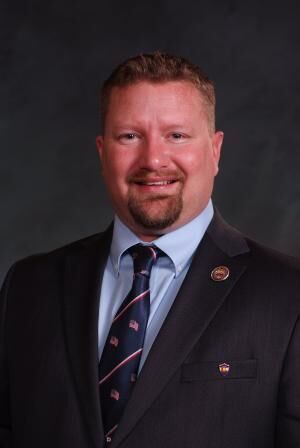
House Ethics Committee dismisses some claims, advances others against Rep. Ron Weinberg
Marianne Goodland
marianne.goodland@coloradopolitics.com
Updated 1 day ago
The House Ethics Committee voted on Wednesday to accept three allegations filed against Rep. Ron Weinberg, R-Loveland, but combined two into one subject area. The two issues involve inappropriate comments made to female lawmakers in two separate incidents and the...

‘We’re winning so much.’ Trump delivers State of the Union address
Michelle L. Price
michelle.l..price@associatedpress.com
Updated 2 days ago
WASHINGTON • President Donald Trump said America has been “winning so much” during Tuesday’s State of the Union, touting a jobs and manufacturing boom at home and promising a “Golden Age” as the U.S. prepares to celebrate the 250th anniversary of its...
Watch Live: 2026 State of the Union Address
Will Weissert
will.weissert@associatedpress.com
Updated 2 days ago
WASHINGTON (AP) — President Donald Trump will use Tuesday’s State of the Union address to champion his immigration crackdowns, his slashing of the federal government, his push to preserve widespread tariffs that the Supreme Court just struck down and his...
Senate committee kills bill to track education violations
Sage Kelley
sage.kelley@denvergazette.com
Updated 1 day ago
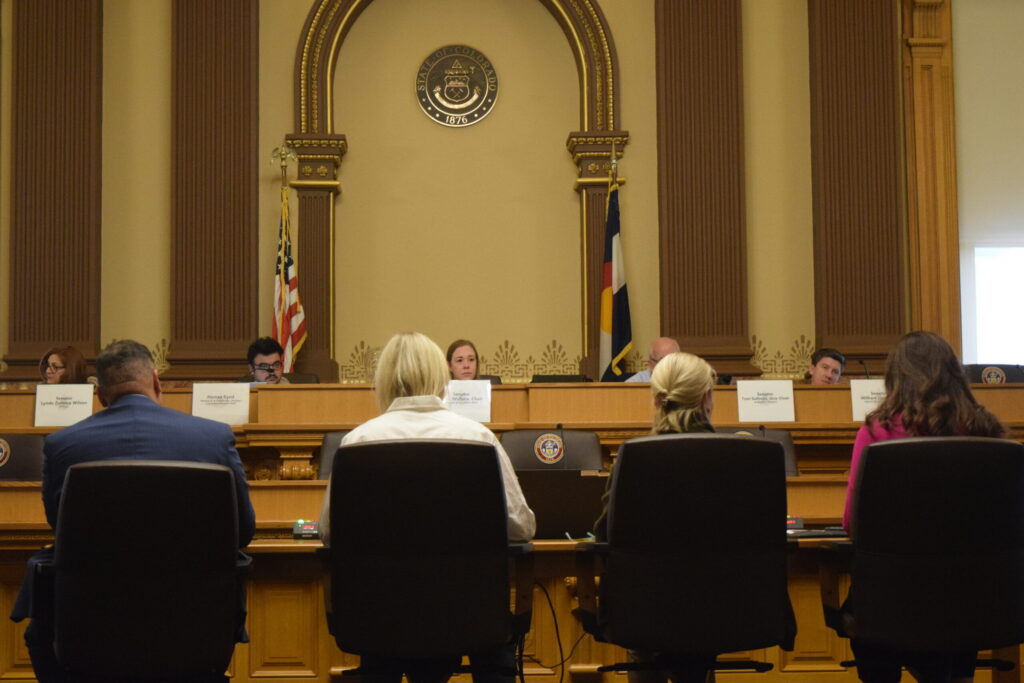
A proposed bill following in the wake of multiple Jeffco Public Schools sexual misconduct cases won’t make it to the Senate floor. The Colorado Senate State, Veterans and Military Affairs committee denied proposed Senate Bill 26-055 on Tuesday afternoon with...
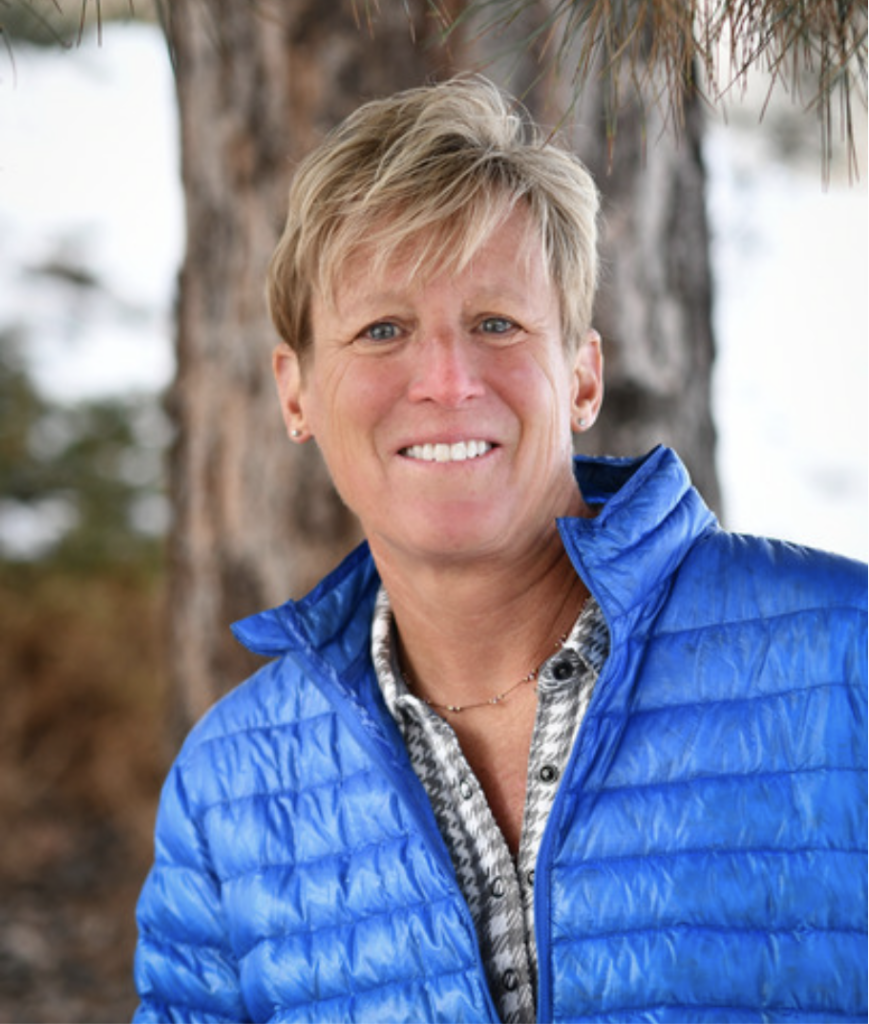
Laura Clellan officially named director of Colorado Parks and Wildlife
Marianne Goodland
marianne.goodland@coloradopolitics.com
Updated 2 days ago
Laura Clellan, who has been acting director of Colorado Parks and Wildlife since Nov. 25, was named the agency’s permanent director Monday by the Colorado Parks and Wildlife Commission. She replaced Jeff Davis, who resigned in lieu of termination weeks...

Colorado group files 6 ballot measures to counter redistricting proposals backed by Democrats
Marianne Goodland
marianne.goodland@coloradopolitics.com
Updated 4 hours ago
A half-dozen congressional redistricting ballot measures were filed Friday by a Colorado advocacy group in response to proposals filed last week from a group seeking to flip three Republican-held U.S. House seats in two years. “The gist of it is...
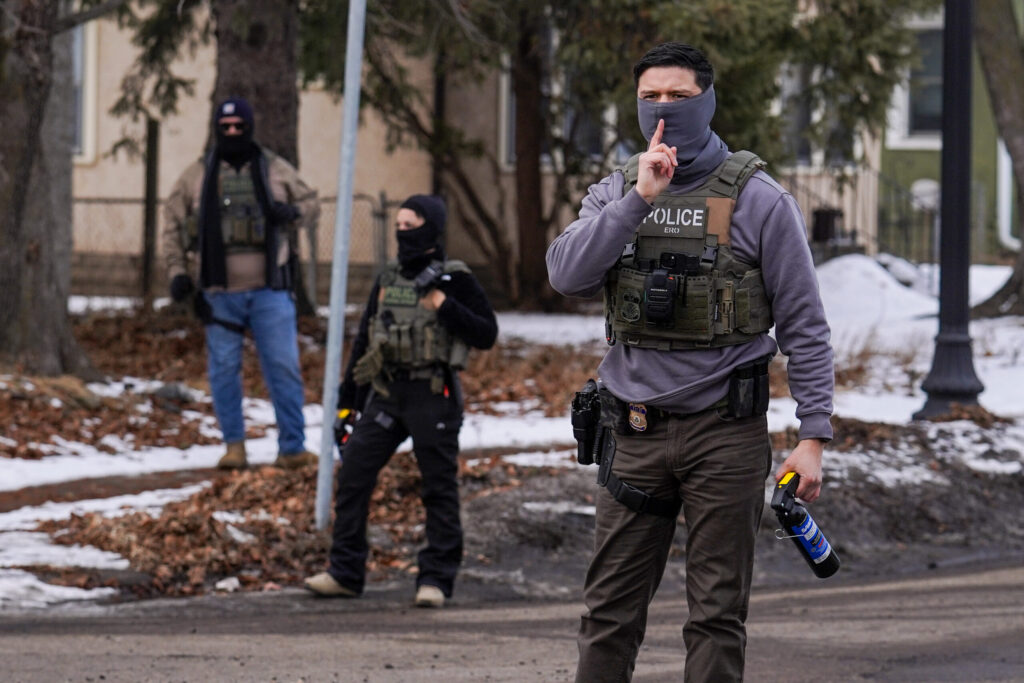
Colorado senators hold heated debate on latest immigration bill
Marianne Goodland
marianne.goodland@coloradopolitics.com
Updated 2 days ago
A bill that would allow individuals who get injured during an immigration action to sue federal agents in state court won preliminary approval from the Colorado Senate on Monday. The bill would permit a “cause of action” by such individuals...
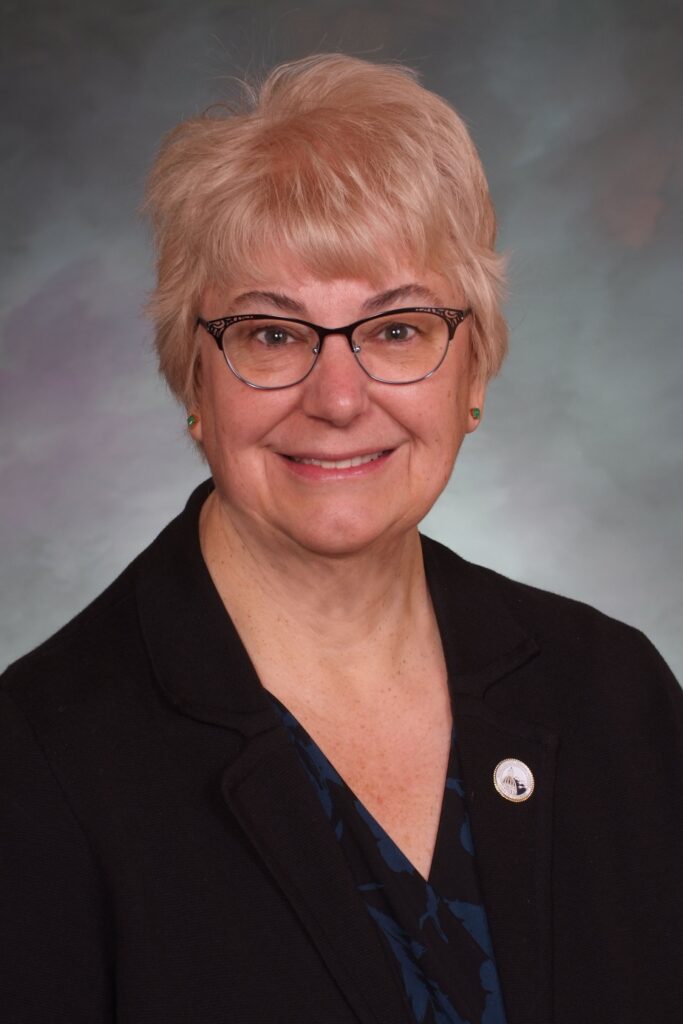
Colorado Senate Democrats choose Sen. Cathy Kipp as president pro tempore
Marianne Goodland
marianne.goodland@coloradopolitics.com
Updated 3 days ago
Senate Democrats on Monday elected Sen. Cathy Kipp, D-Fort Collins, as the next president pro tempore. Kipp replaced former Sen. Dafna Michaelson Jenet, D-Commerce City, who resigned her seat earlier this month. Kipp faced off against Sen. Tony Exum, D-Colorado...
PREV
PREVIOUS

Final lap: Gov. Jared Polis outlines his 2026 agenda for Colorado as he nears the end of his term
A year from now, Gov. Jared Polis will wrap up eight years as the state’s chief executive officer and go back to private life. When Polis took office in January 2019, no one could have predicted what was to come. “I don’t think when I was elected I imagined any of those curveballs,” such as […]

Denver Auditor: Office of Social Equity and Innovation risks mismanaging or losing taxpayer money
Denver’s Office of Social Equity and Innovation has yet to implement half of the 14 recommendations made by auditors in 2024, leaving the city and the Colorado Youth Detention Continuum Program at risk of misusing small-dollar funds. A follow-up report released by City Auditor Tim O’Brien on Thursday noted that, while the office has made […]