

Aurora Mental Health and Recovery opens ‘one-stop’ facility for health, substance use care

Aurora Mental Health and Recovery is opening a new facility that the organization said will provide “one-stop access” to mental healthcare and substance use care.
AMHR’s Potomac Pavilion, a new 48,000-square-foot facility at 1290 S. Potomac St. in Aurora, is opening services to the public later this month.
Kathie Snell, AMHR’s chief strategy and operations officer, told The Denver Gazette on Tuesday that the facility is an exciting upgrade for the organization, providing a space for people to come if they are having a mental health or substance abuse crisis where all of the services they need are in one place.
AMHR’s Connect to Care program, which offers walk-in mental health services, will open at the Potomac Pavilion on Jan. 26, according to the organization’s website. Its 24-hour programs, including a crisis walk-in clinic, crisis stabilization unit and withdrawal management, will open to the public at the facility on Jan. 31.
The facility has 16 crisis stabilization beds for people who need additional support. It also has a 45-bed unit for withdrawal management.
AMHR’s current facility at 2206 Victor St., Aurora, will close to the public on Jan. 26.
Currently, AMHR has crisis services in an old army barracks on the Anschutz Medical Campus, Snell said. The building, built as a bunker, “isn’t the most healing,” she said, and they haven’t been able to refresh it.
Almost five years ago, AMHR acquired the land for $7.3 million to build a new facility, and have since made the dream happen, she said.
“This has been a project and dream we’ve been working on for a long time to provide our community with easy access to services,” Snell said. “We want to be here to serve the community in a way people feel welcomed.”
The building cost $38.5 million, and about $24 million of the total project cost was covered through local and federal grants, according to AMHR officials.
Having so many services in one place benefits everyone, Snell said, including staff — who can better support each other when they’re working nearby, and other local partners like law enforcement — who can bring people to the facility if they don’t know what services they need and let mental health professionals figure it out from there.
“It takes those decisions out of the hands of people who have a lot of other things on their plate,” she said.
Staff will likely work closely with staff at the city’s new Regional Navigation Campus, Snell added, saying she anticipates doing “a lot of transportation back and forth” as homeless people with mental health and substance issues come into the campus.
AMHR serves about 20,000 people each year, and anticipates serving about 10,000 people at the new facility over the next year.
“We’re super proud of this achievement and it means a lot to the community as a whole to have a new state-of-the-art facility,” Snell said.
More information about the new facility and its services is available on AMHR’s website.


Colorado Medicaid probe uncovers millions of dollars in alleged transport fraud ring
Nico Brambila
nico.brambila@denvergazette.com
Updated 5 days ago
Colorado Medicaid officials detected $25 million in abnormal billing over just four months two years ago — a surge that prompted a new state law and the suspension of dozens of providers in what authorities now describe as an organized...

Colorado Medicaid spending doubled over the past decade, study finds
Nico Brambila
nico.brambila@denvergazette.com
Updated 6 days ago
Spending by Colorado’s Department of Health Care Policy and Financing reached $16 billion in 2025 — a 101% increase from 2015 — while Medicaid enrollment has returned to nearly its 2015 level, according to an analysis by a think tank....

Colorado lawmakers target ‘ghost networks’ to expand access to mental health care
Marissa Ventrelli
marissa.ventrelli@coloradopolitics.com
Updated 2 weeks ago
A few years ago, the U.S. Senate Committee on Finance conducted a “secret shopper” survey on health insurance plans across six states, including Colorado. Of the 120 providers called, one-third were either inaccurately listed in the carrier database, out of...
Trump administration plans to hold back grant money from Colorado, 3 other states
Thelma Grimes
thelma.grimes@coloradopolitics.com
Updated 2 weeks ago
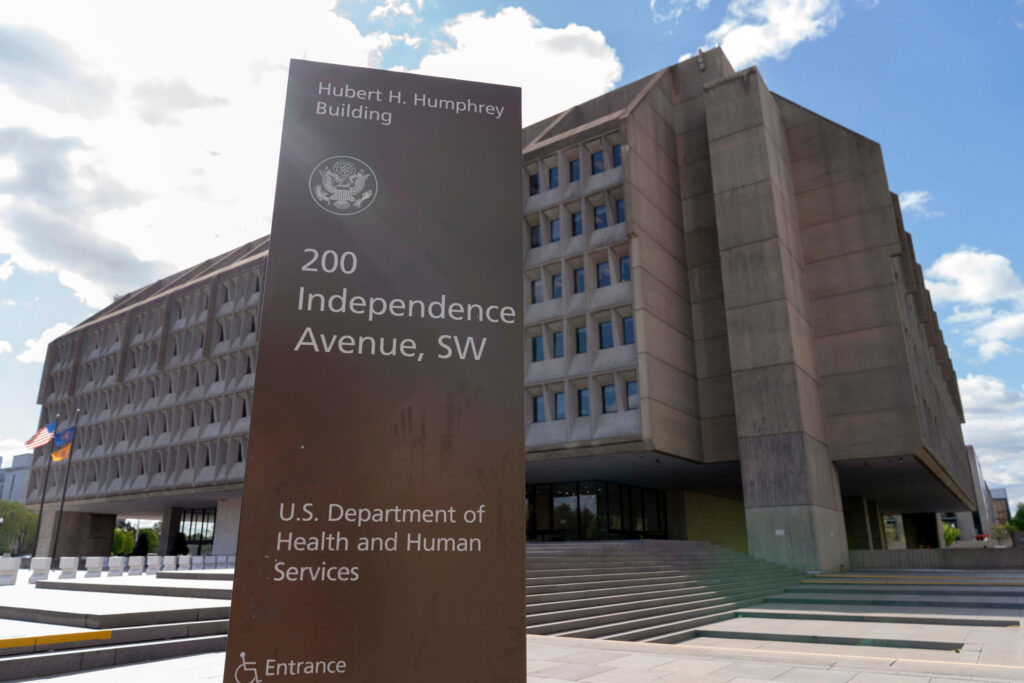
The Trump’s administration is planning to withhold some public health and transportation money from a group of Democratic-led states, including Colorado. The other states are California, Illinois and Minnesota. Full details have not been released, including whether the states could...

Colorado budget writers put Medicaid caregiver pay cuts on hold
Marissa Ventrelli
marissa.ventrelli@coloradopolitics.com
Updated 2 weeks ago
The Colorado General Assembly’s budget decision-makers have put proposed pay cuts on hold for people who care for a family member with a disability who receives Medicaid. The Joint Budget Committee made the decision after hours of testimony from family...
As federal vaccine guidance shifts, Colorado legislator favor recommendations from pediatric groups
Marianne Goodland
marianne.goodland@coloradopolitics.com
Updated 2 weeks ago
Colorado legislators are pushing to codify a practice adopted by some 20 states to use guidance from the American Academy of Pediatrics and other medical associations when setting vaccine policies and immunization schedules. In some cases, the move supplements or...

We tested vapes in Colorado for signs of hemp. This is what we found.
Christopher Osher
chris.osher@gazette.com
Updated 4 weeks ago
This article was produced for ProPublica’s Local Reporting Network in partnership with The Denver Gazette. Sign up for Dispatches to get our stories in your inbox every week. Leaders in the Colorado marijuana industry have complained in recent years that...

ACA enrollment in Colorado sees slight dip amid rising costs
Nico Brambila
nico.brambila@denvergazette.com
Updated 1 month ago
Despite handwringing over enhanced federal subsidies going away for many Coloradans enrolled in health insurance on the state’s marketplace, officials reported Friday just a 2% enrollment dip. More than 277,000 Coloradans enrolled in health insurance through the Affordable Care Act...

Colorado Coalition for the Homeless workers rally, citing low pay, high turnover
Deborah Grigsby
deborah.smith@denvergazette.com
Updated 1 month ago
Dozens of Colorado Coalition for the Homeless frontline workers and members of the Service Employees International Union (SEIU) Local 105 rallied Thursday outside of a downtown CCH office building on north Broadway, calling on the nonprofit to address low wages...
Governor, legislators, advocates seek changes after cases expose gaps in Colorado’s competency system
Marissa Ventrelli
marissa.ventrelli@coloradopolitics.com
Updated 1 month ago
After a series of high-profile crimes throughout the state last spring and summer exposed gaps in Colorado’s legal system for individuals declared incompetent to stand trial, lawmakers and an advocacy organization are pushing for changes this year. Extensive media coverage...
PREV
PREVIOUS

Former Colorado wildlife director heads to Wyoming
Jeff Davis, the former director of Colorado Parks and Wildlife who oversaw the introduction of wolves in Colorado, is headed to Wyoming, where he will take on a new job as deputy director for that state’s game and fish agency. The Polis administration replaced Davis as head of Colorado Parks and Wildlife after Washington’s wildlife […]

Denmark and Greenland seek talks with Rubio over US interest in taking the island
Denmark and Greenland are seeking a meeting with U.S. Secretary of State Marco Rubio after the Trump administration doubled down on its intention to take over the strategic Arctic island, a Danish territory. President Donald Trump has argued that the U.S. needs to control the world’s largest island to ensure its own security in the […]