

Former U.S. Rep. Greg Lopez leaves GOP, will run for governor in Colorado as an independent
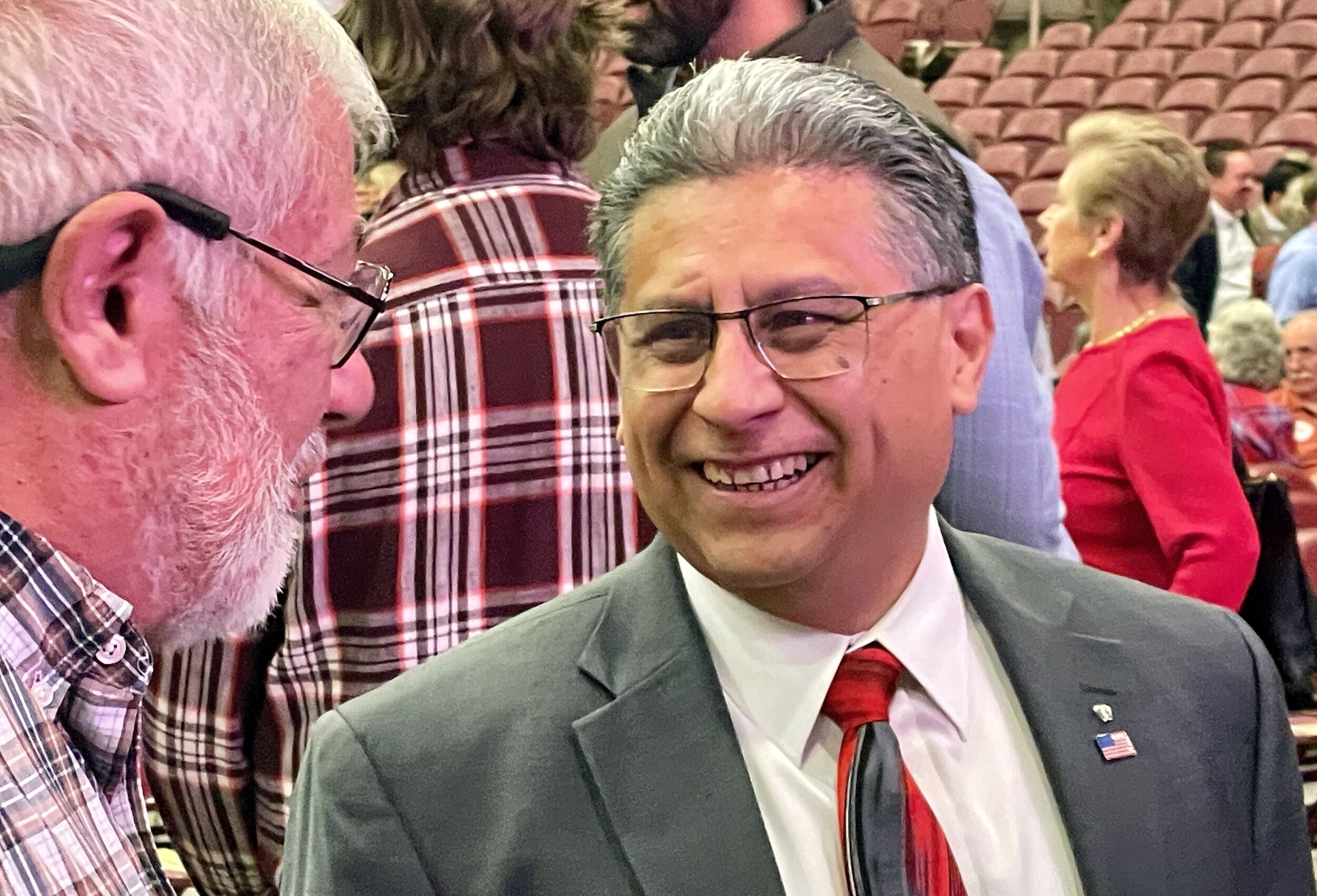
Former U.S. Rep. Greg Lopez, a candidate for governor of Colorado, has left the Republican Party and plans to run as an unaffiliated candidate for the office held by term-limited Democratic Gov. Jared Polis.
Lopez, who served six months in the U.S. House of Representatives in 2024 after winning a special vacancy election, announced Saturday in an online video that he and his wife changed their voter registration a few days earlier because he believes neither political party has a corner on the answers to the state’s problems.
“The system itself is broken. Both parties raise money better than they solve problems. They divide better than they listen,” Lopez said in the video.
“The fastest growing group in our state, unaffiliated voters, feel politically homeless,” he said. “I want you to know I see you because today I am one of you. On Dec. 30, 2025, my wife Lisa and I changed our party affiliation to unaffiliated, not because it was convenient, not because it was safe, but because it was honest.”
His departure from the primary leaves 20 Republicans running in this year’s election for an office the party hasn’t held since 2007, when the only GOP governor elected in the last 50 years, Bill Owens, finished his second term.
On Monday, state Sen. Mark Baisley, R-Woodland Park, who along with Lopez was one of the leading Republican gubernatorial candidates, withdrew from the race and joined the primary for the U.S. Senate seat held by Democrat John Hickenlooper.
The field of Republicans still running for governor includes state Sen. Barb Barb Kirkmeyer, R-Brighton; state Rep. Scott Bottoms, R-Colorado Springs; Teller County Sheriff Jason Mikesell; Colorado Springs-based ministry leader Victor Marx; former congressional candidate Joshua Griffin; and conservative podcaster Joe Oltmann.
Two of the state’s leading Democrats are running for the job: three-term U.S. Sen. Michael Bennet and Attorney General Phil Weiser, who faces term limits.
Lopez’s announcement came a day after formerly independent congressional candidate Matt Cavanaugh said he had affiliated with the Democratic Party for his bid to challenge Republican U.S. Rep. Jeff Crank in the 5th Congressional District.
Lopez is making his third run for governor after losing in the Republican primaries in 2018 and 2022.
Announcing his party switch, Lopez acknowledged that his new status is double-edged.
“This means I won’t appear in a primary ballot. I won’t have party machines behind me. I will have to earn every ounce of trust directly from you, and I’m willing to do that, and it’s a little bit scary,” he said.
Added Lopez: “Colorado doesn’t need another politician who answers to party bosses or national talking points. Colorado needs a governor who wakes up every day asking one question: what actually works for the people of this state.”
Without a political party to nominate him, Lopez will need to collect the signatures of at least 8,000 registered voters — with 1,000 coming from each of the state’s congressional districts — to qualify for the November ballot.
It’s an easier hurdle for an independent candidate than Republicans and Democrats face to reach their primaries for the same office, since state law requires major-party candidates to gather 12,000 signatures — 1,500 from each congressional district — from voters who belong to their party.
Noting that he left the Democratic Party to become a Republican more than 30 years ago when he was mayor of the then-small town of Parker, Lopez said he hasn’t changed his values, just his team colors.
“I’m staying true to who I’ve always been; I’m simply changing who I answer to,” he said. “Why now? Because unaffiliated voters are now the largest voice in Colorado, and the problems we face won’t wait for another cycle of partisan excuses.”
While the state’s electorate was nearly evenly divided between Democrats, Republicans and unaffiliated voters as recently as a dozen years ago, the ranks of the unaffiliated have swollen in recent years, bringing the category to just under 50% of the state’s active, registered voters.
Among voters who are affiliated with a party, Democrats maintain a slight edge over Republicans, with minor-party members accounting for a tiny fraction of the total.
Colorado voters have never elected an unaffiliated governor, though a handful of states have in recent decades, including Alaska’s Bill Walker, who was endorsed by the state’s Democrats and was elected to a single term in 2014.
Former Republican U.S. Sen. Lincoln Chaffee was elected governor of Rhode Island as an independent in 2011 and became a Democrat two years later. Another often-cited example, former Minnesota Gov. Jesse Ventura, was elected in 1998 on the Reform Party ticket and switched to the Independence Party of Minnesota while in office.

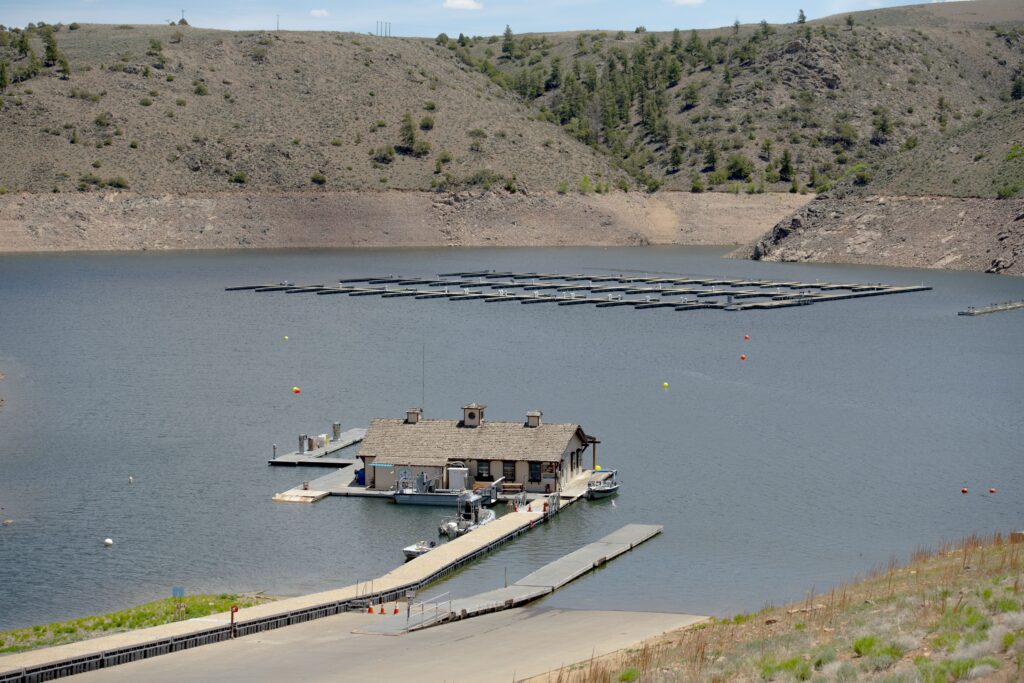
Gov. Polis, Upper Basin states criticize federal draft plan for managing the Colorado River
Marianne Goodland
marianne.goodland@coloradopolitics.com
Updated 17 hours ago
With no agreement among the seven Colorado River states and federal deadlines now passed, the Upper Colorado River Commission on Monday sharply criticized the U.S. Department of the Interior’s draft plan for managing the river after current guidelines expire this...
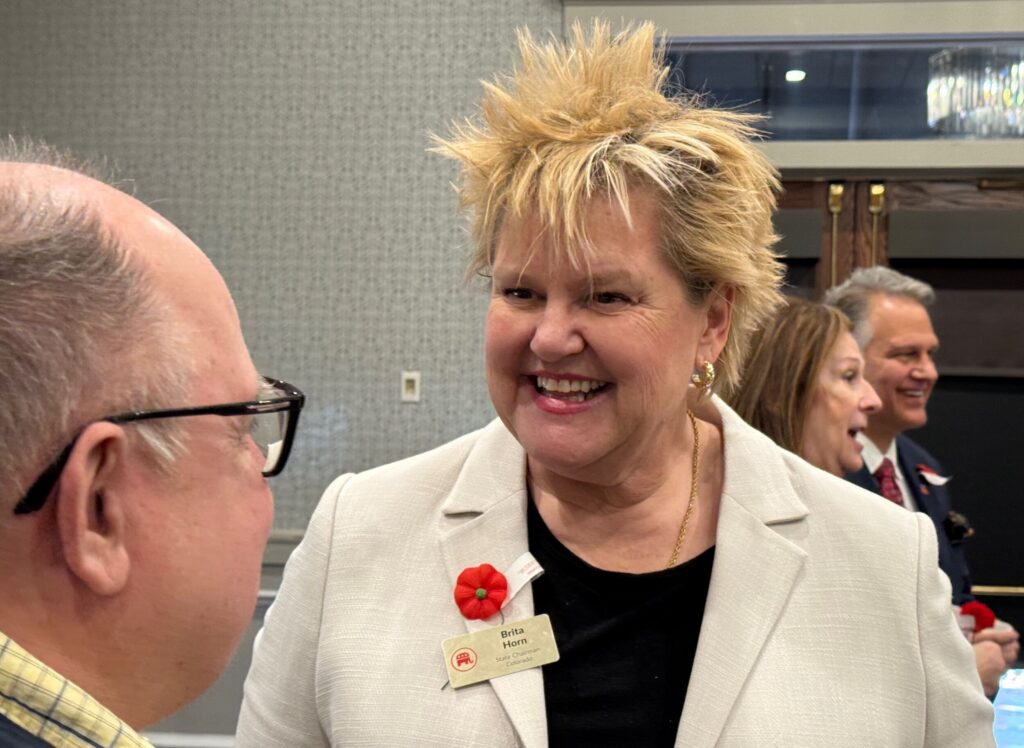
Colorado GOP chair Brita Horn loses ‘no-confidence’ vote, vows to refocus on ‘mending that divide’
Ernest Luning
ernest.luning@coloradopolitics.com
Updated 1 hour ago
The Colorado Republican Party’s state central committee approved a resolution expressing “no confidence” in state chair Brita Horn in a landslide late Monday night near the end of an online meeting marked by rancor and confusion. Almost 80% of the...
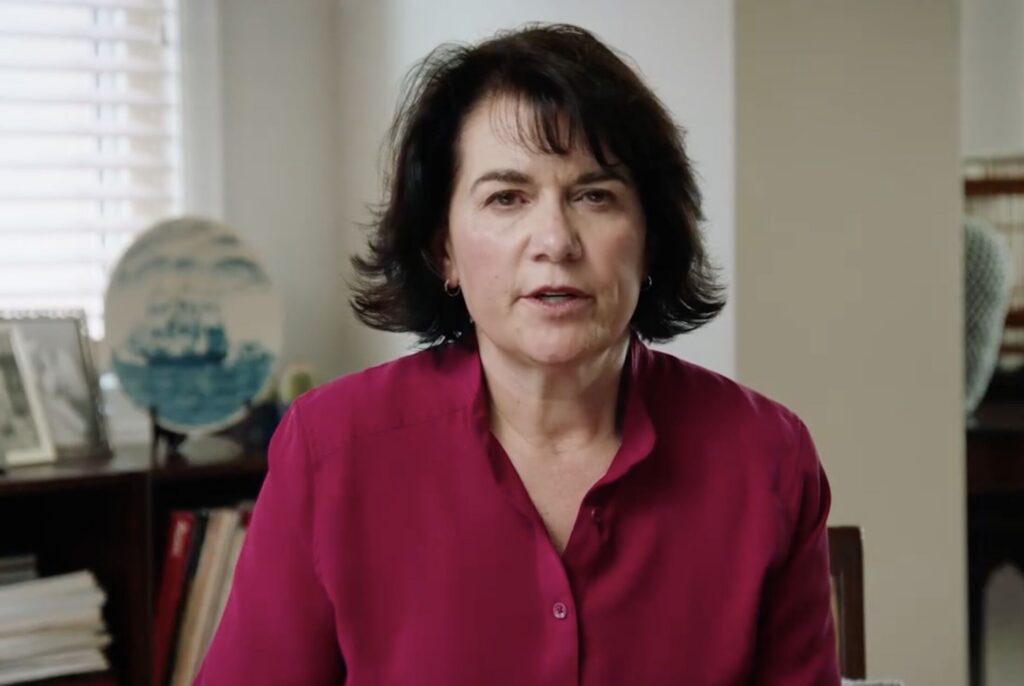
Primary rival sues to prevent Democrat Eileen Laubacher from going through assembly in Colorado’s 4th CD
Ernest Luning
ernest.luning@coloradopolitics.com
Updated 22 hours ago
Democratic congressional candidate Trish Calvarese on Monday asked a judge to prevent one of her primary rivals, Eileen Laubacher, from participating in the caucus and assembly process to seek the nomination to challenge Republican U.S. Rep. Lauren Boebert in Colorado’s...
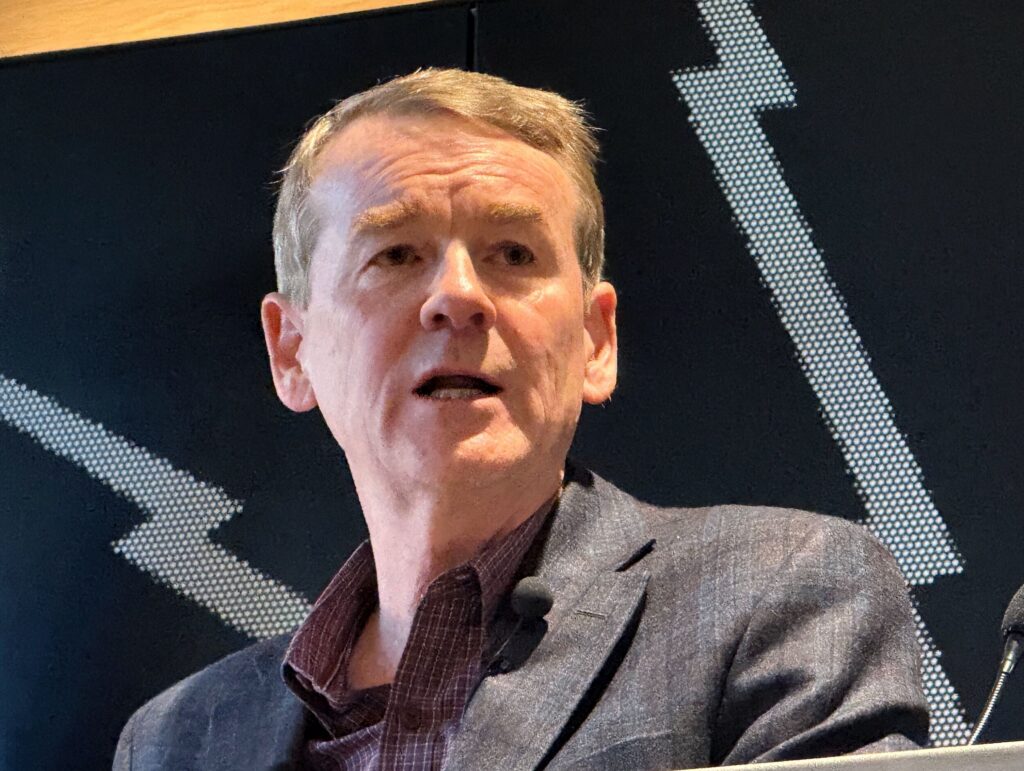
Democrat Michael Bennet turns in petitions for Colorado’s gubernatorial primary, plans to skip caucuses
Ernest Luning
ernest.luning@coloradopolitics.com
Updated 3 days ago
U.S. Sen. Michael Bennet, a Democratic candidate for governor, submitted nominating petitions for Colorado’s June primary ballot on Friday, his campaign and the Colorado Secretary of State’s Office said. Bennet plans to rely on his petitions to get on the...
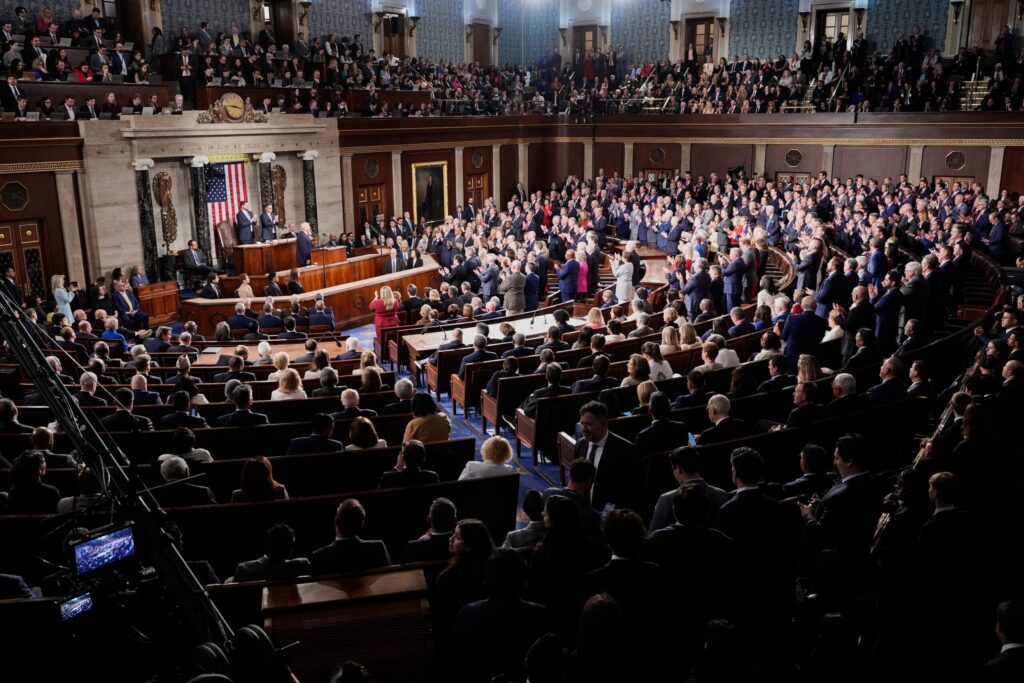
Colorado delegation’s plus-one picks convey messages at Donald Trump’s State of the Union | TRAIL MIX
Ernest Luning
ernest.luning@coloradopolitics.com
Updated 5 days ago
It’s become a tradition for members of Congress to deliver messages of their own at the State of the Union address, though this year none of the Colorado lawmakers shouted at the president during the speech, nor did the delegation...
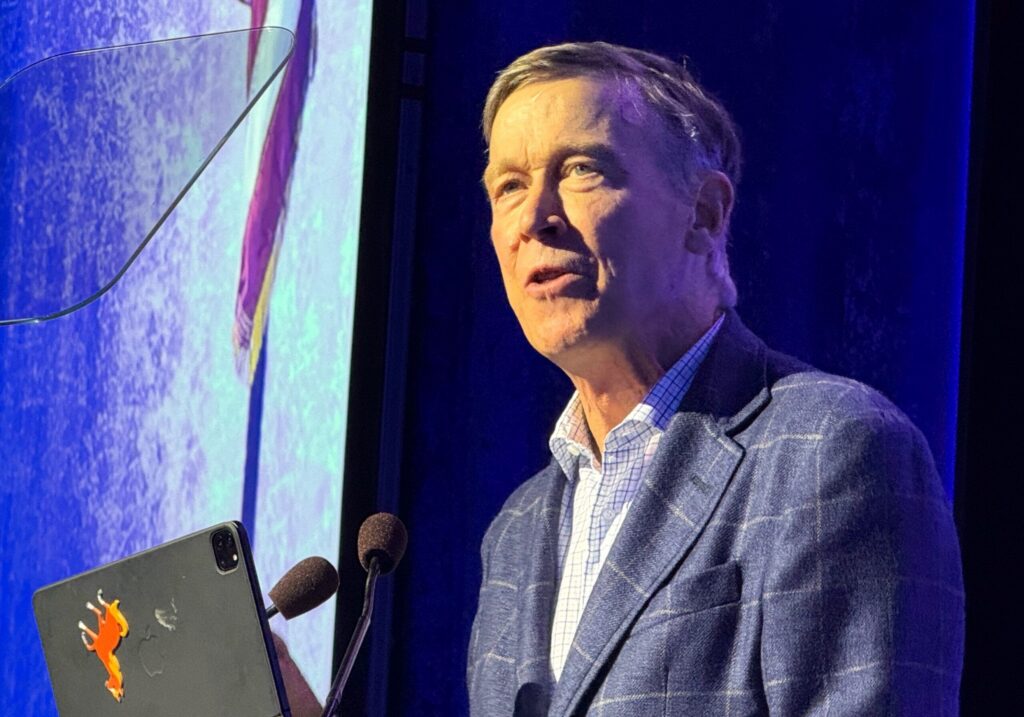
Colorado Democrat John Hickenlooper becomes first statewide candidate to submit nominating petitions
Ernest Luning
ernest.luning@coloradopolitics.com
Updated 4 days ago
U.S. Sen. John Hickenlooper on Thursday became the first statewide candidate to submit petition signatures for Colorado’s June Democratic primary, according to his campaign and the Colorado Secretary of State’s Office. Seeking reelection to a second term, Hickenlooper is facing...
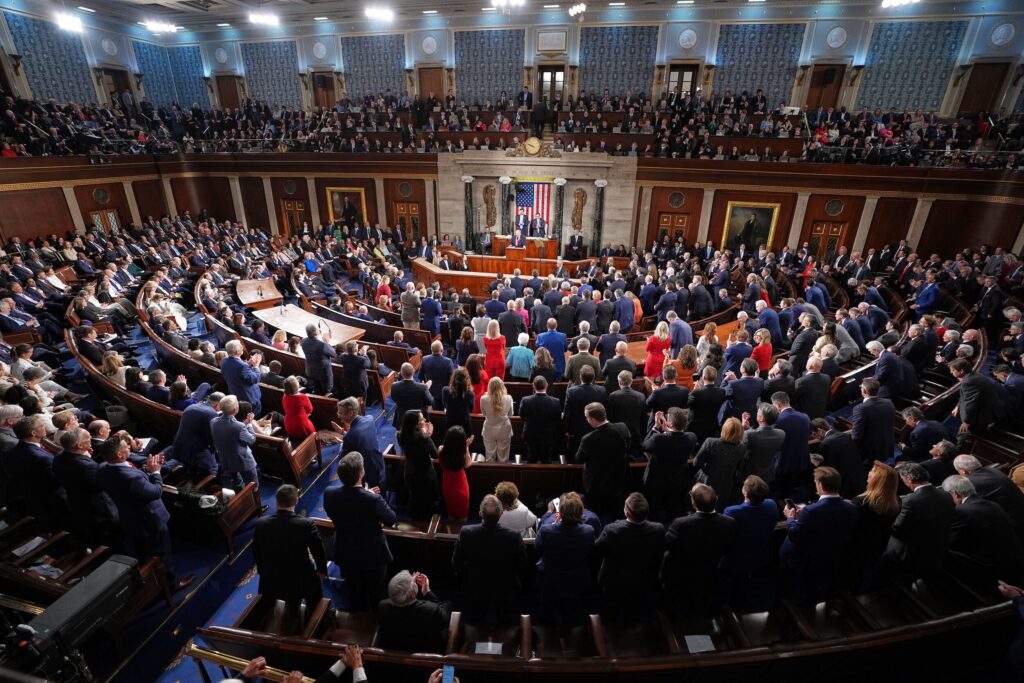
Colorado lawmakers react along partisan lines to Donald Trump’s State of the Union address
Ernest Luning
ernest.luning@coloradopolitics.com
Updated 7 days ago
President Donald Trump could have been describing two different countries in Tuesday’s State of the Union address — one entering a “Golden Age” and the other enduring daily stress under a “lawless” regime — at least as far as the...
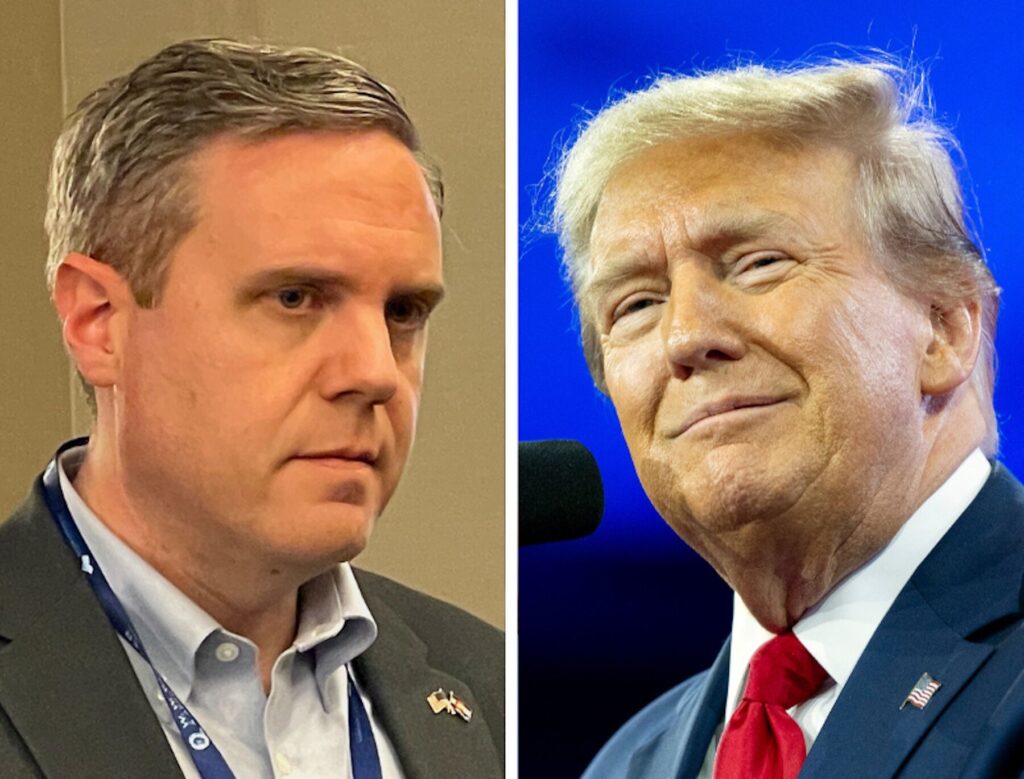
Trump pulls endorsement from Jeff Hurd over tariffs, backs Colorado Republican’s primary challenger
Ernest Luning
ernest.luning@coloradopolitics.com
Updated 1 week ago
President Donald Trump on Saturday rescinded his endorsement of U.S. Rep. Jeff Hurd and threw his support behind the Colorado Republican’s primary challenger, Hope Scheppelman, citing the first-term incumbent’s “lack of support” for the administration’s tariff policy. The move comes...
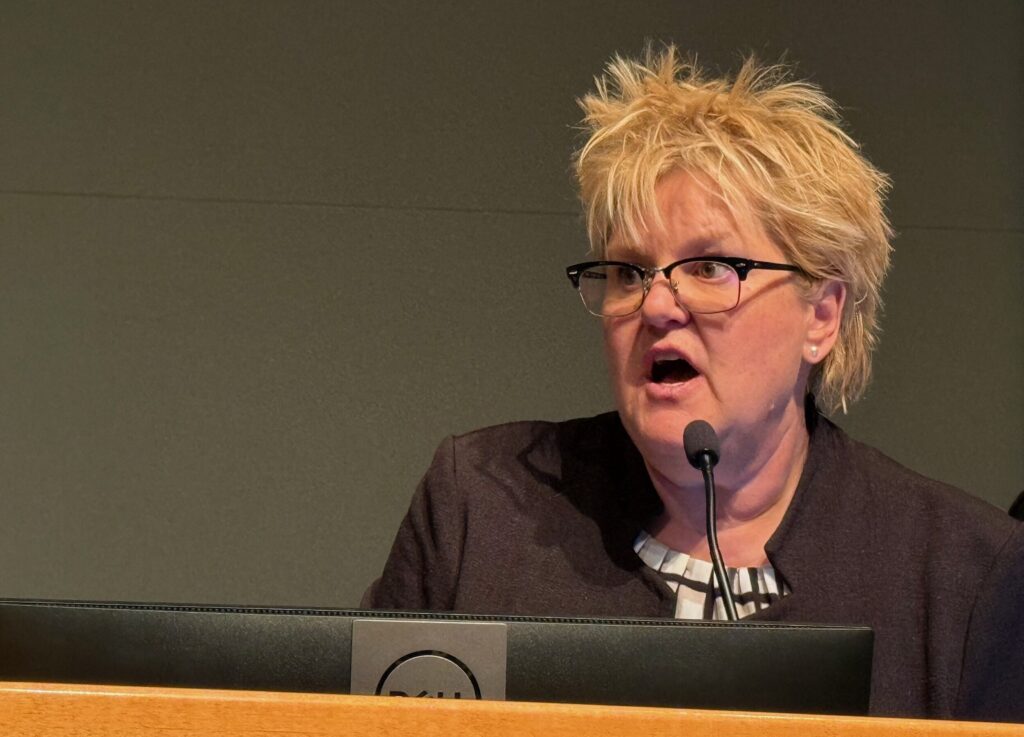
In a meeting Colorado GOP chair Brita Horn calls ‘illegal,’ Republicans vote to demand her resignation
Ernest Luning
ernest.luning@coloradopolitics.com
Updated 2 weeks ago
Roughly half the membership of the Colorado Republican Party’s state central committee on Saturday voted overwhelmingly to approve a resolution expressing “no confidence” in state GOP Chairman Brita Horn’s leadership and calling for her immediate resignation in an online meeting...
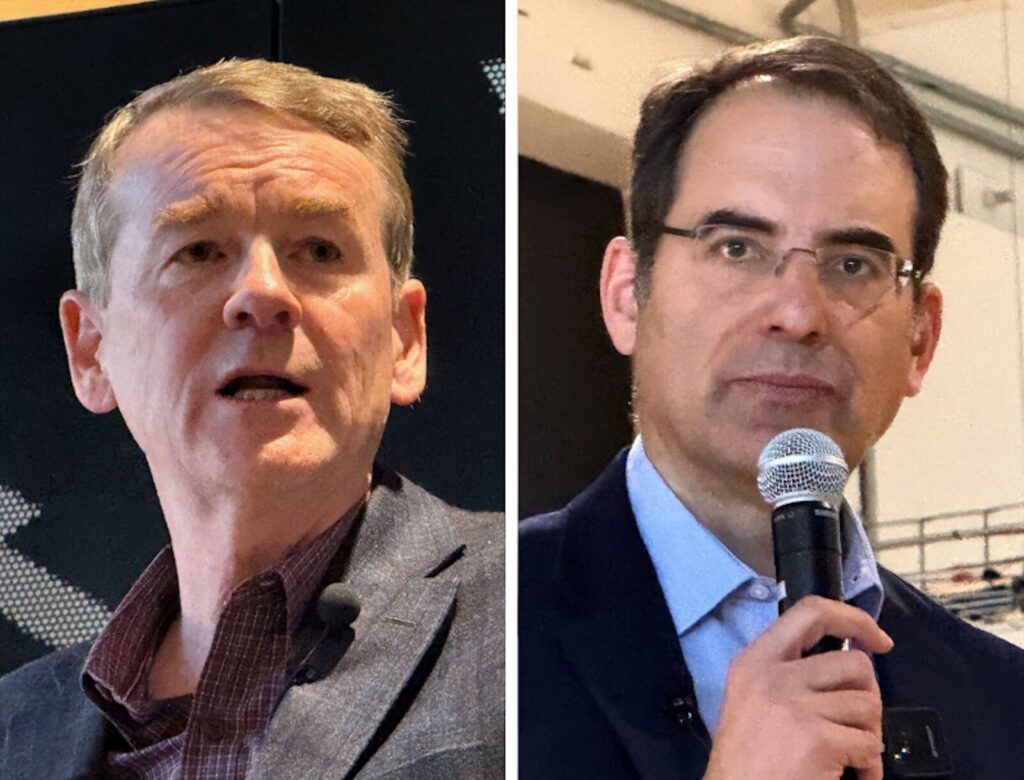
Democrats Michael Bennet, Phil Weiser make their cases to be Colorado’s next governor ahead of primary
Ernest Luning
ernest.luning@coloradopolitics.com
Updated 1 week ago
Nearly eight months before ballots will be counted in Colorado’s race for the its open gubernatorial seat, voters are lining up behind two of the state’s leading Democrats, who are facing off in a primary that will likely determine which...
PREV
PREVIOUS

Aurora City Council Q&A: affordable housing
In November’s election, Aurora voters flipped what was previously a seven-to-three conservative majority on the City Council to a six-to-four progressive majority. With the significant shift of the council’s political leaning could come policy changes and reversals. The Denver Gazette asked both new and old councilmembers about their thoughts on specific hot-button issues in Aurora […]

Trump and House Republicans are meeting to talk about their election year agenda
WASHINGTON (AP) — President Donald Trump is meeting with House Republicans on Tuesday to ensure they’re aligned on their agenda at the start of a critical midterm election year that could alter the course of his final two years in office. The Republicans are facing a sudden narrowing of their already-thin majority, with the death […]