

Aurora City Council Q&A: affordable housing

In November’s election, Aurora voters flipped what was previously a seven-to-three conservative majority on the City Council to a six-to-four progressive majority.
With the significant shift of the council’s political leaning could come policy changes and reversals. The Denver Gazette asked both new and old councilmembers about their thoughts on specific hot-button issues in Aurora and whether or not they plan to attempt to reverse certain policies.
Newly elected progressive Councilmembers Rob Andrews, Amy Wiles, Alli Jackson and Gianina Horton are still in their first official month on the council. Other progressive councilmembers include Alison Coombs and Ruben Medina. Conservative councilmembers include Angela Lawson, Stephanie Hancock, Curtis Gardner and Francoise Bergan.

Gardner, Lawson and Medina did not respond to multiple attempts by The Denver Gazette asking them to participate.
Aurora adopted a housing strategy in 2020, which identified gaps in affordable housing and laid out a plan to improve affordability.
At the time, city officials presented data showing the city short about 7,500 affordable rental units for households earning under $25,000 a year and 12,000 families below half of the Area Median Income (AMI).
Based on that data, they set 11 goals for the housing strategy and have updated the council annually.

In Aurora, more than 600 homeless people were counted in the annual point in time count last year.
The Denver Gazette asked each councilmember about their plans to address affordable housing in Aurora. Their answers are below in alphabetical order by last name.
The Denver Gazette: How specifically do you plan to address affordability in Aurora?
Andrews: Affordability is my top priority. I’ll work to increase the supply of attainable housing, reduce red tape that drives up costs, and support smart growth near jobs and transit. I also want stronger partnerships to preserve existing affordable units, expand pathways to homeownership, and boost economic opportunity – because housing costs and household income have to be addressed together.
Bergan: I don’t think I can adequately address affordability in response to your question. Honestly, it is very complex, and many economic factors must be considered. First, there’s supply and demand. Not enough supply drives up prices when demand is high. Less competition drives up prices. Taxes affect affordability. Regulations can add cost and slow down housing units as an example. Subsidizing demand can result in prices rising to compensate for the subsidy. Zoning policies can contribute to less supply of housing, but changing zoning must also weigh the consequences to existing neighborhoods. One-size policy can worsen affordability, without considering the uniqueness of cities or neighborhoods. A well-intended intervention often backfires when it constrains supply, inflates costs, or distorts incentives —making affordability worse instead of better. Aurora has actually done a lot to reduce regulations, streamline processes and approve different housing products and small lots to meet customer demand.
Coombs: I plan to address affordability through 1) substantial investments in public housing through land banking and housing trusts, 2) to support community wealth-building initiatives like entrepreneurship programs and the growth of worker-owned cooperatives, and 3) by building more effective local supply chains, particularly in our food systems. Food deserts and increasing grocery cost are harming our residents, and we can begin address these problems by supporting local entrepreneurs, farmers, and community groups seeking to address these issues.
Hancock: Affordability in Aurora isn’t just about housing — it’s about opportunity. We must continue to bring high-paying jobs to the city, train our workforce for today and tomorrow, and invest in energy innovation to power growth responsibly.
By doing this, Aurora can be the gold standard for how municipalities are run— smart, efficient, and focused on creating prosperity for everyone who calls our city home.
Horton: I am learning much about the different ways other municipalities across the United States are addressing affordability that could be considered for Ward 1 and Aurora overall. As I have stated publicly, a lot of this work will be new and I have been doing my due diligence to learn. So I am open to ideas that could make effective policy of affordability in Aurora. I encourage folks to reach out so we can have that discussion or send me any information that has peaked their interest! My email is Ghorton@auroragov.org.
Jackson: I plan to find ways to raise the minimum wage in Aurora. I plan to work off of Aurora’s current plan with retail to ensure we’re providing top quality at realistic costs. I also will prioritize working with local entrepreneurs who bring something to our community in Aurora.
Wiles: When it comes to housing, we must explore the development of smaller-lot homes to help fill the gap in mid-range housing prices, which are currently lacking in our city. Not every resident can afford a first home priced at $500,000 or more, and it is critical that we provide attainable options for community members who wish to purchase a home in Aurora rather than being forced to relocate elsewhere. I also encourage collaboration with our state legislative partners to address shortcomings in the Colorado Construction Defect Reform Act, which has created significant barriers to the construction of condominiums and townhomes. Removing these obstacles would expand housing diversity and affordability. In addition, we should pursue partnerships to increase the supply of affordable rental housing. Expanding rental options is essential to addressing the current shortfall of available units and ensuring that all residents have access to safe, stable, and affordable housing.


Vance announces new assistant attorney general position to focus on fraud
Christian Datoc, Washington Examiner
christian.datoc.washington.examiner@gazetteedit.wpenginepowered.com
Updated 2 hours ago
Vice President JD Vance announced Thursday that President Donald Trump is creating a new attorney general position to lead government efforts to investigate and prosecute fraud cases. Vance joined White House press secretary Karoline Leavitt at an unscheduled briefing Thursday...

US House rejects effort to override presidential veto for Colorado Water Project
Marianne Goodland
marianne.goodland@coloradopolitics.com
Updated 1 hour ago
The U.S. House of Representatives on Thursday rejected a Colorado-led effort to override a Dec. 30 presidential veto that would have helped finance the Arkansas Valley conduit. The bipartisan measure, known as H.R. 131 and sponsored by U.S. Rep. Lauren...
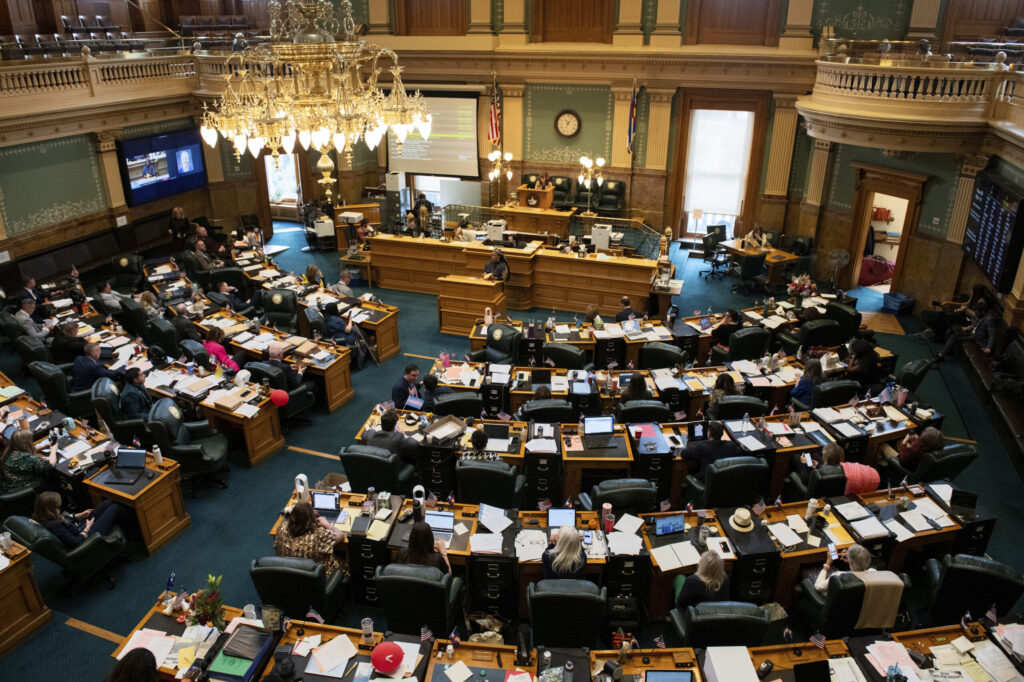
As lawmakers return, federal pressure and fiscal stress could shape Colorado’s 2026 session
Marissa Ventrelli
marissa.ventrelli@coloradopolitics.com
Updated 5 hours ago
The eight months since lawmakers wrapped up the 2025 legislative session have been anything but quiet. Federal funding cuts, a flurry of presidential executive orders, an election year fast approaching, and a projected $1.2 billion budget shortfall are all converging...
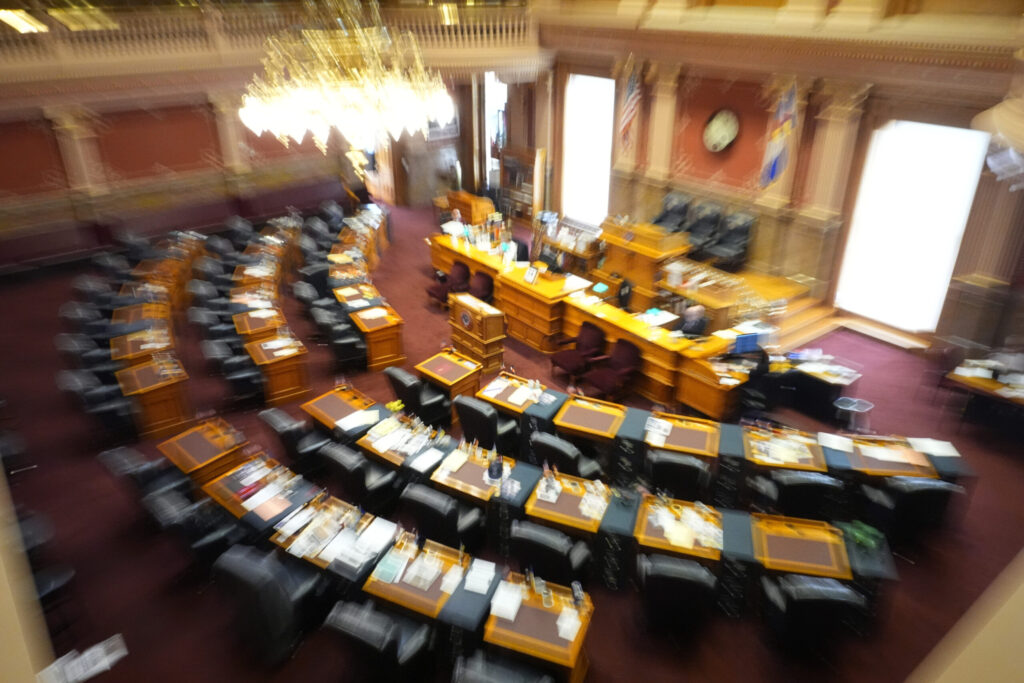
Senate Democrats announce committee assignments for 2026 session
Marissa Ventrelli
marissa.ventrelli@coloradopolitics.com
Updated 6 hours ago
Democratic Senate Majority Leader Robert Rodriguez, D-Denver, announced committee assignments for the 2026 legislative session on Wednesday. “Committees are crucial to the legislative process – they’re where we deliberate, hear from the public, and fine-tune policies so that they can...
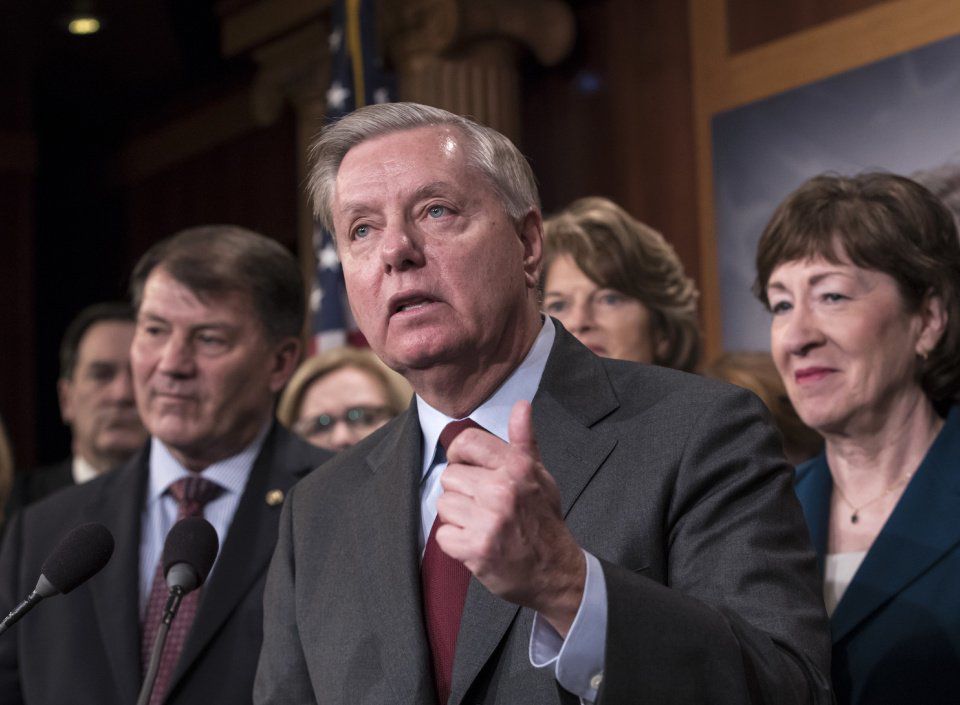
Senate advances resolution to limit Trump’s war powers after Venezuela raid
Joey Cappelletti
joey.cappelletti@associatedpress.com
Updated 6 hours ago
WASHINGTON (AP) — The Senate advanced a resolution Thursday that would limit President Donald Trump’s ability to conduct further attacks against Venezuela, sounding a note of disapproval for his expanding ambitions in the Western Hemisphere. Democrats and five Republicans voted...
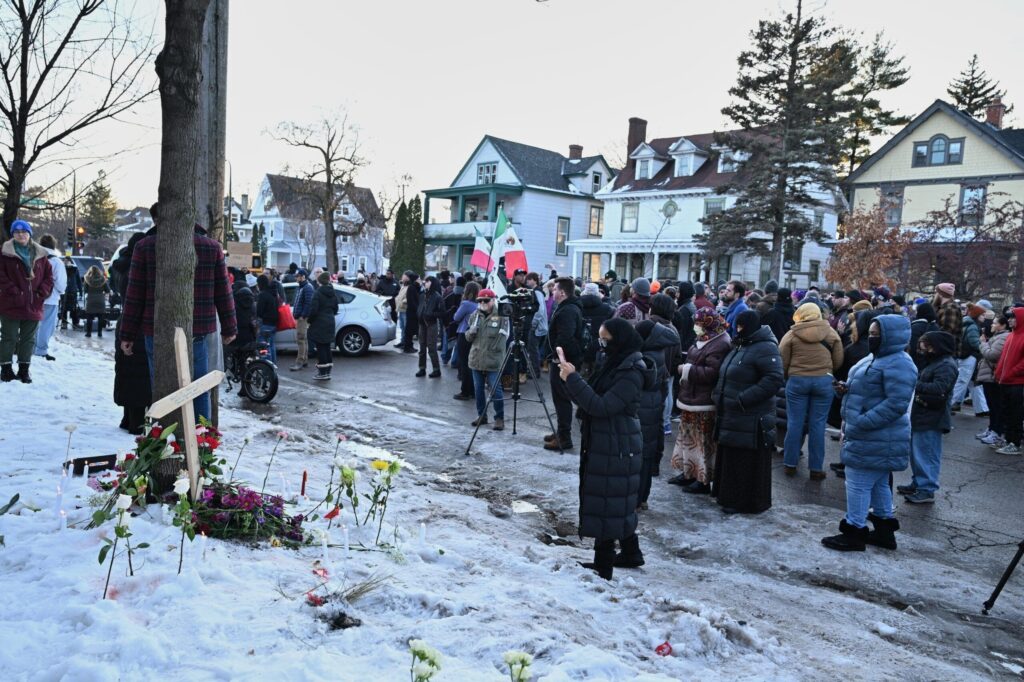
Jared Polis calls Minnesota ICE shooting ‘deeply disturbing,’ wants full investigation
Dan Boniface
dan.boniface@denvergazette.com
Updated 4 hours ago
Colorado Gov. Jared Polis on Wednesday characterized a fatal shooting involving federal immigration agents in Minnesota that took the life of a mother from Colorado as “deeply disturbing” and called for a full investigation. The shooting, captured on video in...
Lack of accountability in state standardized testing system | NOONAN
Paula Noonan
paula-noonan@coloradopolitics.com
Updated 16 hours ago
The General Assembly kicks up its heels this month along with the National Western Stock Show. Both should offer some exciting bull rides. Last General Assembly produced one interesting bill on K-12 public education. It’s HB25-1278 on the education accountability...
Don’t punish the stores playing by the rules | OPINION
Colorado Politics
colorado-politics@coloradopolitics.com
Updated 17 hours ago
By Mary Szarmach My family has been in business in this state for decades serving some of the hardest working Coloradans. And, yes, they buy tobacco products, and, yes, my staff and I card them every single time. We know the law, we...

Denver may revise animal bite penalties to consider criminal intent
Deborah Grigsby
deborah.smith@denvergazette.com
Updated 7 hours ago
Denver pet owners are responsible for bites and injuries caused by their animals, facing both civil penalties and criminal charges of up to $999 and 300 days in jail. However, some city officials have suggested that the city consider revisions...
Colorado lawmakers hear from chief justice about security needs, new judges
Michael Karlik
michael.karlik@coloradopolitics.com
Updated 22 hours ago
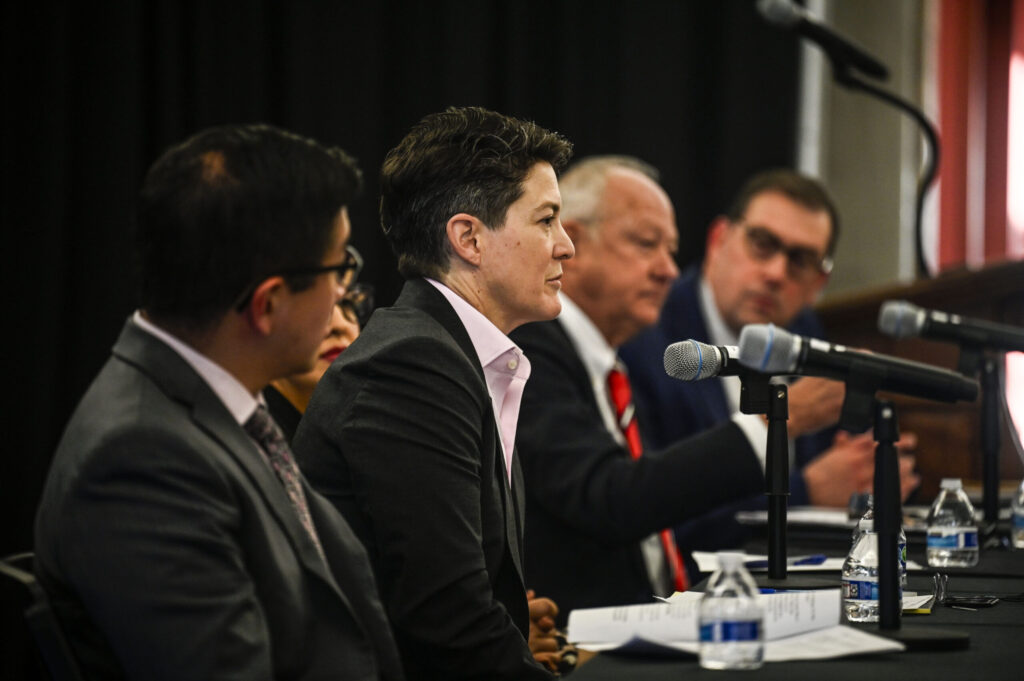
Chief Justice Monica M. Márquez asked members of the legislature’s Joint Budget Committee on Tuesday to stay the course and fund the 10 new trial judgeships that Colorado lawmakers approved last year, and also explained her vision for enhancing judicial...