

Q&A with the Greater Pueblo Chamber of Commerce | A resilient growth in manufacturing | FISCAL ROCKIES
| Editor’s Note: Once among the nation’s fastest-growing economies, Colorado today confronts mounting challenges that threaten its momentum. This series reveals how a state once defined by prosperity is navigating economic cliffs and ridges. We explore the impact that increased regulations, tariffs, shifting tax policies, the high cost of living and widening urban–rural divides have on businesses, workers, and communities. The series also highlights the push to leverage Colorado’s outdoor economy — one of its most valuable assets — for renewed growth, while working to attract industries like quantum and aerospace. |

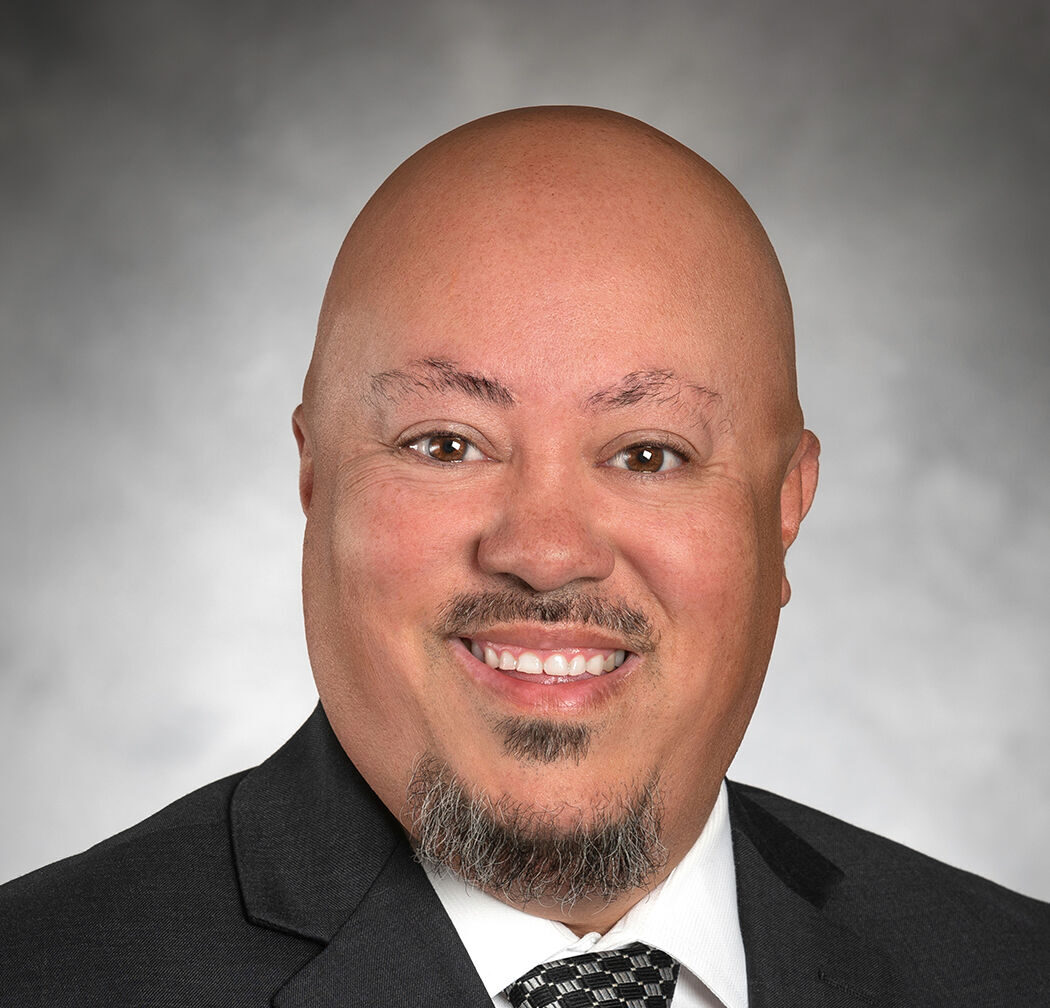
As part of a series examining Colorado’s economy, the Greater Pueblo Chamber of Commerce CEO Duane Nava answered questions about rural Colorado and what he is seeing regionally that helps and hurts the local economy.
The Pueblo Chamber of Commerce is the largest business organization in Southern Colorado with more than 1,300 members.
Colorado Politics: Can you reflect on the last decade in terms of the Colorado economy and business health in your region?
Duane Nava: Over the past decade, Pueblo has experienced steady, resilient growth rooted in its manufacturing heritage and expanding service sectors. Anchored by the steel industry, healthcare, and education, Pueblo’s economy has shown consistent gains in diversification and innovation. Major infrastructure investments and downtown revitalization have strengthened the community’s business environment, while tourism and cultural events – from the Colorado State Fair to the Chile & Frijole Festival – continue to boost local commerce and pride.
Although Pueblo’s unemployment rate typically trends slightly higher than the state average, the region’s strong community spirit and affordable cost of living have made it an attractive place for small business startups and expansion projects alike.
CP: Colorado is ranked sixth as the most regulated state in the nation. How does that affect existing, new, and prospective businesses in your region?
Nava: Colorado is currently ranked as one of the most regulated states in the nation, and that reality presents both challenges and opportunities. For Pueblo, this means that existing and new businesses often face extended timelines for permitting, environmental reviews and compliance.
Larger employers have the resources to navigate the regulatory landscape, but small and mid-sized businesses feel the weight of those layers most acutely. The Chamber continues to advocate for commonsense reform that balances public interest with economic vitality, ensuring that regulation does not stifle entrepreneurship or slow job creation in Southern Colorado.
CP: Are businesses in your region seeing the trickle-down effects of the Trump administration tariffs?
Nava: The ripple effects of federal trade tariffs, particularly those imposed during the Trump administration, have reached Pueblo’s business community. The steel tariffs benefited primary producers, such as the Pueblo mill, by stabilizing prices and protecting domestic output. However, they also increased costs for downstream industries – such as fabrication, construction, and manufacturing – which rely heavily on steel as an input.
Similarly, tariffs on imported goods and retaliatory trade measures affected sectors tied to agriculture, packaging and retail distribution. While the local economy remains strong, many Pueblo-area businesses have had to adjust pricing strategies and sourcing to absorb these higher costs.
CP: How would you rate the performance in terms of the economy and business support from Gov. Jared Polis, and, in recent years, the Democratic-led legislature?
Nava: Gov. Jared Polis and the Democratic-led legislature have maintained a pro-innovation and clean-industry focus, which aligns with Pueblo’s renewable energy and advanced manufacturing growth. The state’s push toward green technology and sustainability has directly benefited Pueblo’s steel industry and positioned the region as a leader in low-emission industrial production.
However, employers continue to face challenges related to rising costs, labor regulations, and housing affordability. While progress has been made in workforce development and business recruitment, many chamber members believe more can be done to simplify compliance and reduce operational costs that weigh heavily on smaller enterprises.
CP: What are some of the biggest issues businesses in your region are facing?
Nava: Small Businesses
• Rising costs of goods, insurance, and utilities
• Difficulty attracting and retaining employees
• Navigating evolving labor and regulatory requirements
• Managing limited access to affordable capital
Medium-Sized BusinessesWorkforce development, particularly in skilled trades
• Affordable health care and employee benefits
• Supply chain disruptions and high input costs
• Permitting and infrastructure hurdles
Large Businesses
• Long-term energy reliability and cost predictability
• Housing for incoming professionals
• Balancing statewide policy changes with long-term growth strategies
• Continued investment in transportation and logistics infrastructure
CP: How is Colorado’s cost of living impacting businesses regarding workforce, housing, and other issues?
Nava: Colorado’s high cost of living continues to be a major factor in workforce recruitment and retention. While Pueblo remains one of the most affordable cities in the state, the rising cost of housing and everyday expenses is beginning to put pressure on both employers and employees.
Businesses are adapting with higher wages, remote work options, and creative benefits packages — but the challenge remains ensuring that Pueblo can attract and retain talent without losing its cost-of-living advantage. Affordable housing development and continued economic diversification are key to maintaining balance.
CP: Describe the Colorado economy in your region pre-COVID, during COVID, and post-COVID. What issues still linger? What has improved?
Pre-COVID: Pueblo entered 2020 with steady growth, driven by expansions in health care, education, and industrial manufacturing. Downtown development and tourism were on the rise, and the region was seeing renewed business confidence.
During COVID: Like the rest of the nation, Pueblo businesses faced unprecedented disruption. The hospitality and retail sectors were hit hardest, though the community’s strong spirit and local support helped many survive. Federal relief and the chamber’s outreach efforts played a crucial role in stabilizing the local economy.
Post-COVID: Recovery has been strong but uneven. Workforce shortages, rising costs, and inflation remain significant challenges. On the positive side, Pueblo has seen a renewed emphasis on “buy local” initiatives, industrial reinvestment, and community-driven economic collaboration. The foundation laid before the pandemic — rooted in grit, resilience, and innovation — continues to drive Pueblo’s economic momentum today.


Daniels Fund awards $450K to three outstanding organizations | NONPROFIT REGISTER
Joanne Davidson Special to Colorado Politics
joanne-davidson-special-to-colorado-politics@coloradopolitics.com
Updated 4 hours ago
You know the old saying about how it’s an honor just to be nominated? In the case of the Daniels Fund and its annual $250,000 Medal of Excellence Award, it wasn’t just an honor to be considered; it was also quite profitable. ...

Colorado joins lawsuit against Trump energy emergency order
Scott Weiser
scott.weiser@gazette.com
Updated 3 hours ago
Colorado Attorney General Phil Weiser joined a multistate lawsuit challenging an executive order invoking the National Emergencies Act that President Donald Trump issued on the day of his inauguration. The order fast-tracks fossil fuel projects by bypassing or shortening environmental...

So … why do we care about Bad Bunny?
Isabelle Rosewater, Special to The Gazette
Isabelle-Rosewater@gazette.com
Updated 1 day ago
Puerto Rican superstar’s selection to headline first Super Bowl halftime show in Spanish has sparked global conversation and controversy Puerto Rican superstar Bad Bunny’s selection as the first artist to headline a Super Bowl halftime show performing entirely in Spanish...
More people are now leaving Colorado than moving here from other states | Vince Bzdek
Vince Bzdek
vince.bzdek@gazette.com
Updated 4 days ago
By Vince Bzdek It’s finally happened. Buried in all the self-congratulatory reports about Colorado reaching the 6 million mark in population last year was news that should be keeping our political leaders up at night. For the first time in...
Xcel gets an earful from public for power shutoffs in Colorado
Scott Weiser
scott.weiser@gazette.com
Updated 6 days ago
Residents, business owners and local officials gave Xcel Energy an earful during a hearing convened by Colorado’s utility regulators on Wednesday, accusing the power company of using power shutoffs as a liability dodge that burdens communities. Xcel’s ability to trigger...

Colorado hit a population milestone in 2025; numbers ‘don’t lie,’ but what do they say?
Stephanie Earls
stephanie-earls@coloradopolitics.com
Updated 7 days ago
Colorado is: full Standing room only How ‘bout, More crowded than it was but less crowded than we thought? Local takeaways from the U.S. Census Bureau’s most recent data drop are too complex for bumper sticker treatment, but here’s the...

We tested vapes in Colorado for signs of hemp. This is what we found.
Christopher Osher
chris.osher@gazette.com
Updated 7 days ago
This article was produced for ProPublica’s Local Reporting Network in partnership with The Denver Gazette. Sign up for Dispatches to get our stories in your inbox every week. Leaders in the Colorado marijuana industry have complained in recent years that...
Gov. Polis highlights Colorado’s business climate and affordability during annual gathering
Marissa Ventrelli
marissa.ventrelli@coloradopolitics.com
Updated 6 days ago
Gov. Jared Polis used his annual meeting with Colorado business leaders on Wednesday to take stock of his time in office, highlighting the state’s pandemic response, ongoing challenges facing downtown economies, and what he described as continued efforts to balance...

$200M in federal funds to be deployed in Denver area for heat pumps aimed at reducing emissions
Sage Kelley
sage.kelley@denvergazette.com
Updated 6 days ago
The Denver Regional Council of Governments (DRCOG) has officially launched a $200 million program to help reduce carbon emissions with heat pumps. The regional organization announced its new initiative, “Power Ahead Colorado,” which also includes partnerships with the Colorado Energy...

Colorado’s unemployment rate fell again in December
Bernadette Berdychowski
bernadette.berdychowski@denvergazette.com
Updated 1 week ago
Colorado’s unemployment rate fell to 3.8% in December, according to new data released Tuesday. The rate dropped one-tenth of a percentage point, following a monthslong trend of declining unemployment in the state, according to the Colorado Department of Labor and...
PREV
PREVIOUS

Trump highlights accomplishments in White House speech
By Steve Holland, Jeff Mason and Trevor Hunnicutt, Reuters WASHINGTON • In a rare evening address from the White House, U.S. President Donald Trump on Wednesday touted his accomplishments, saying his administration has ended wars, drastically reduced illegal border crossings and brought down the prices of some consumer goods. America is now poised for a full comeback as […]

China sues after Missouri seeks to collect on $25 billion court judgment, prosecutor says
KANSAS CITY, Mo. (AP) — Missouri’s top prosecutor said China is suing after the state pressed federal officials for help collecting on a roughly $25 billion court judgment related to the COVID-19 pandemic. Attorney General Catherine Hanaway said Tuesday in a news release that China is demanding a public apology from the state in a […]