

Colorado justices splinter over approach to sentencing review

Members of the Colorado Supreme Court were divided on Monday about whether vehicular homicide stemming from intoxicated driving is “grave and serious” in every possible scenario, with two justices suggesting the court reconfigure its approach for determining the proportionality of criminal sentences.
The Eighth Amendment’s prohibition on cruel and unusual punishment means sentences cannot be grossly disproportionate to the crime.
When judges in Colorado examine the constitutionality of a sentence, they first consider whether the offense was grave and serious, then assess the harshness of the punishment. The Supreme Court has recognized that, if an offense is “per se” grave and serious — meaning serious in all scenarios — and the sentence is within the authorized limits, it is “nearly impervious” to a challenge.
In a Dec. 15 decision, all participating justices agreed that defendant Kari Mobley Kennedy’s 24-year sentence for killing another driver was within constitutional bounds. However, there was disagreement over whether DUI-based vehicular homicide is categorically grave and serious.
In the majority opinion, Justice William W. Hood III concluded it is not, citing the fact that the crime encompasses defendants who may act with a variety of mental states.
“In reaching this conclusion, we don’t mean to diminish the significance of vehicular homicide-DUI. To state the obvious, the harm is enormous because it necessarily involves death,” Hood wrote. “But that harm alone — no matter how tragic — is insufficient to make the offense per se grave or serious.”
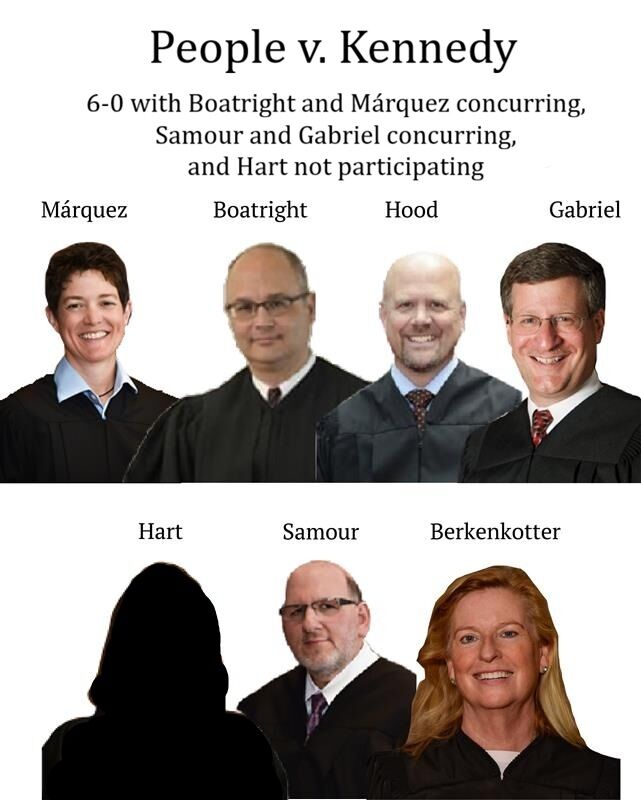
Justice Brian D. Boatright, writing separately, argued that a defendant’s decision to get behind the wheel while intoxicated is necessarily grave and serious when someone else dies as a result.
“Of course, a vehicular homicide-DUI defendant may not have intended to kill the victim in the moment when a crash occurs. But the defendant voluntarily chose to ingest an intoxicant and then drive a motor vehicle, knowing the intoxicant impairs both their judgment and reaction time,” Boatright wrote for himself and Chief Justice Monica M. Márquez.
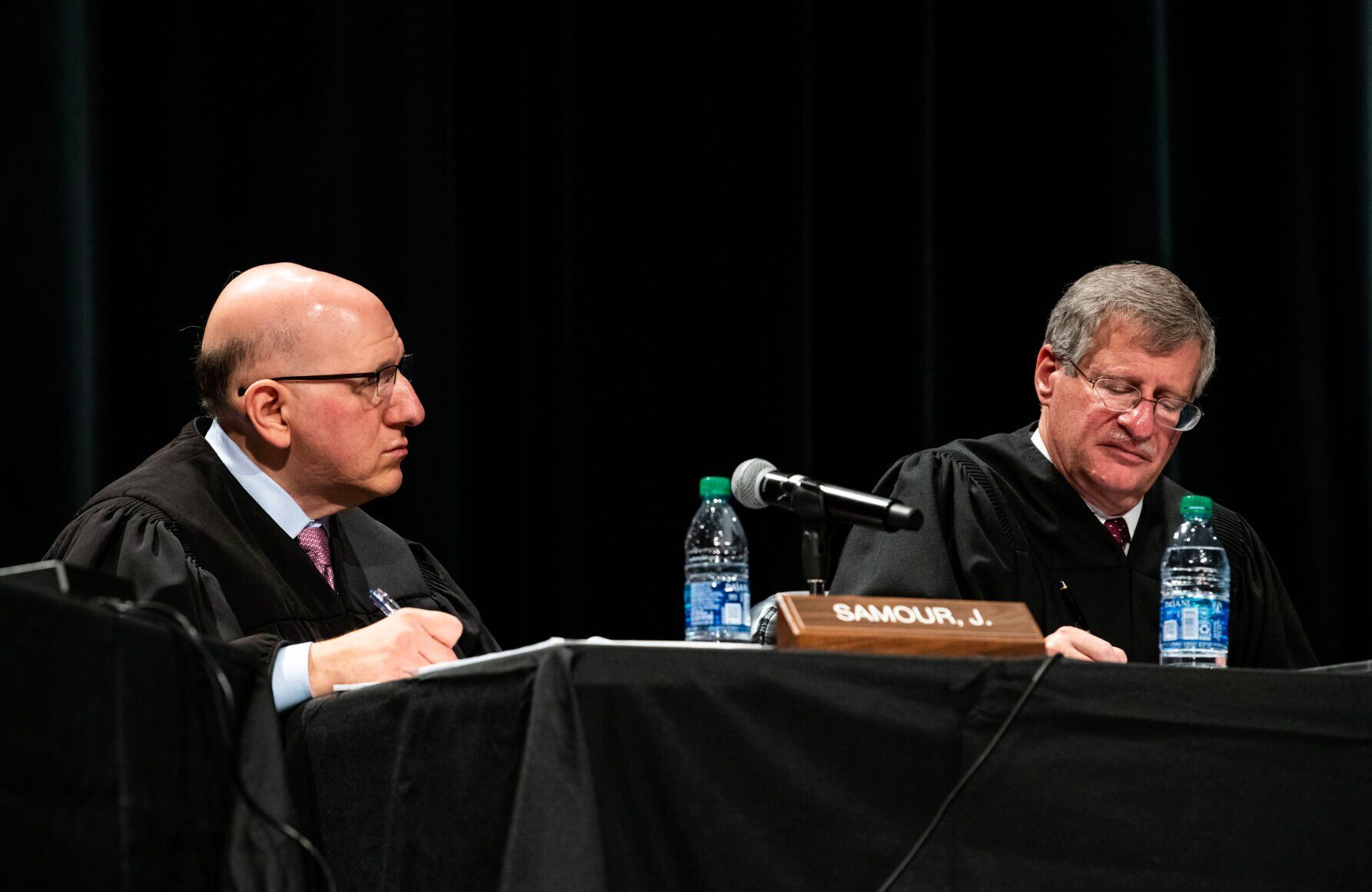
Finally, two justices addressed a topic that arose at oral argument: Is Colorado’s unique practice of labeling crimes “per se grave and serious” really necessary? Justice Carlos A. Samour Jr., writing for himself and Justice Richard L. Gabriel, suggested it is not.
Although the process of giving certain crimes that designation will speed up judges’ considerations of whether a sentence is constitutionally problematic, “easier and faster isn’t always better,” noted Samour.
Justice Melissa Hart did not participate in the decision. The Judicial Department has provided little insight into her unusual leave of absence, which officially began on Oct. 28. Hart has not participated in three consecutive months of oral arguments and three published opinions, and her whereabouts are unclear.
Kennedy was driving extremely intoxicated in Larimer County when she hit another car head on and killed Benjamin Shettsline. She pleaded guilty to DUI-based vehicular homicide and vehicular assault, with the prosecution and defense agreeing that Kennedy’s maximum sentence for both counts would be 33 years in prison.
Chief Judge Susan Blanco sentenced Kennedy to 24 years for vehicular homicide, plus five years for vehicular assault, citing Kennedy’s prior drunk driving offenses, her repeated bond violations and the danger she presented to the community. Kennedy then petitioned for Blanco to reconsider, alleging the sentence was unconstitutional.
Blanco responded that vehicular homicide caused by intoxication is a per se grave and serious offense because it involves a person’s death. She further concluded the 24-year sentence imposed for the crime was not grossly disproportionate.
A three-judge panel for the Court of Appeals partly agreed. It parted ways with Blanco’s characterization of the vehicular homicide charge, believing it is “not one of those rare crimes” that is always grave and serious.
“By way of example, imagine an individual who exceeds the prescribed dosage of a prescription medication and then crashes a golf cart into an infirm, elderly man thereby causing his death,” wrote Judge Terry Fox. “Now imagine another individual with a history of drinking and driving who intentionally drinks to the point of severe intoxication before driving his car and fatally running over that same man.”
She elaborated that the different ways of committing the same crime weighed against deeming it grave and serious in all circumstances. The panel concluded, however, Kennedy’s particular offense was extremely serious and the sentence Blanco imposed was constitutional.
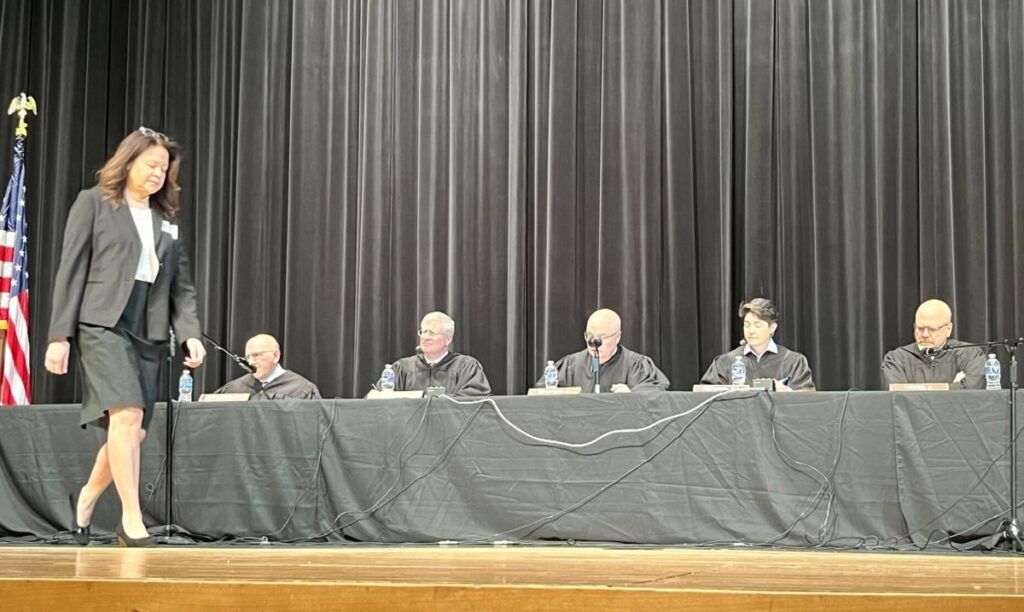
During oral arguments in September, the justices wondered whether it is wise to continue labeling certain offenses as always grave and serious. The government conceded it is a “weird concept anyway” that made more sense in the context of three-strikes sentences — and less so in Kennedy’s situation, where the same judge who imposed the sentence also reviewed its proportionality.
“One issue with per se analysis is the sentence is gonna be upheld as constitutional in virtually every case,” said Gabriel. “I’m not sure what the harm would be to say, ‘You know what? The defendant has rights here. Make the court go through the analysis to say this is not grossly disproportionate.’”
Hood, in the majority opinion, cautioned that the designation of per se grave and serious “should rarely be used.” Although robbery, burglary and the sale or distribution of narcotics are per se grave and serious in Colorado, the majority declined to extend that label to DUI-based vehicular homicide.
Because the Supreme Court did not take up Kennedy’s appeal with an eye toward eliminating the step of designating crimes per se grave and serious, it did not address that issue. But Samour, in his concurrence, pointed to the lack of agreement about whether Kennedy’s crime merited that label, and argued that a straightforward review of her specific offense was reasonable.
“Those are less challenging considerations that are hardly time-consuming,” he wrote.
The case is People v. Kennedy.

Colorado justices accept appeals on Netflix taxation, children pursuing neglect cases
Michael Karlik
michael.karlik@coloradopolitics.com
Updated 7 hours ago
The Colorado Supreme Court announced on Monday that it will decide whether Netflix subscriptions are subject to the state’s sales tax as “tangible personal property.” At least three of the court’s seven members must agree to hear an appeal. The...

Denver judge denies Gov. Polis request to dismiss ICE-related records case
Marianne Goodland
marianne.goodland@coloradopolitics.com
Updated 10 hours ago
A year after blocking the release of state records to federal immigration agents, a Denver judge has now denied Gov. Jared Polis’ effort to end the lawsuit at the center of the dispute. The lawsuit filed against the governor in...

10th Circuit grants rare all-judges’ review of Colorado banking regulation
Michael Karlik
michael.karlik@coloradopolitics.com
Updated 12 hours ago
The Denver-based federal appeals court announced on Thursday that it will hold a rare all-judges review of a recent decision that permits Colorado to require out-of-state banks to abide by the state’s maximum interest rates when they lend to in-state...
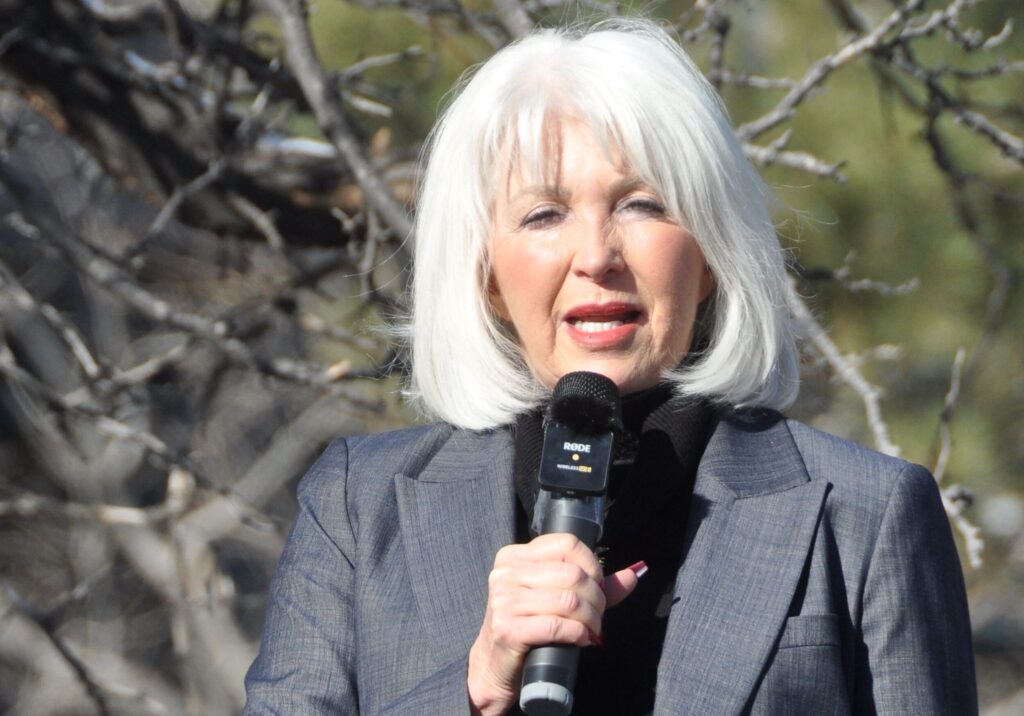
Colorado appeals court orders new sentencing for Tina Peters, upholds convictions
Michael Karlik
michael.karlik@coloradopolitics.com
Updated 6 hours ago
Colorado’s second-highest court determined on Thursday that a trial judge improperly sentenced former Mesa County clerk Tina Peters based upon her exercise of protected speech, while at the same time upholding her convictions. The three-judge Court of Appeals panel also...
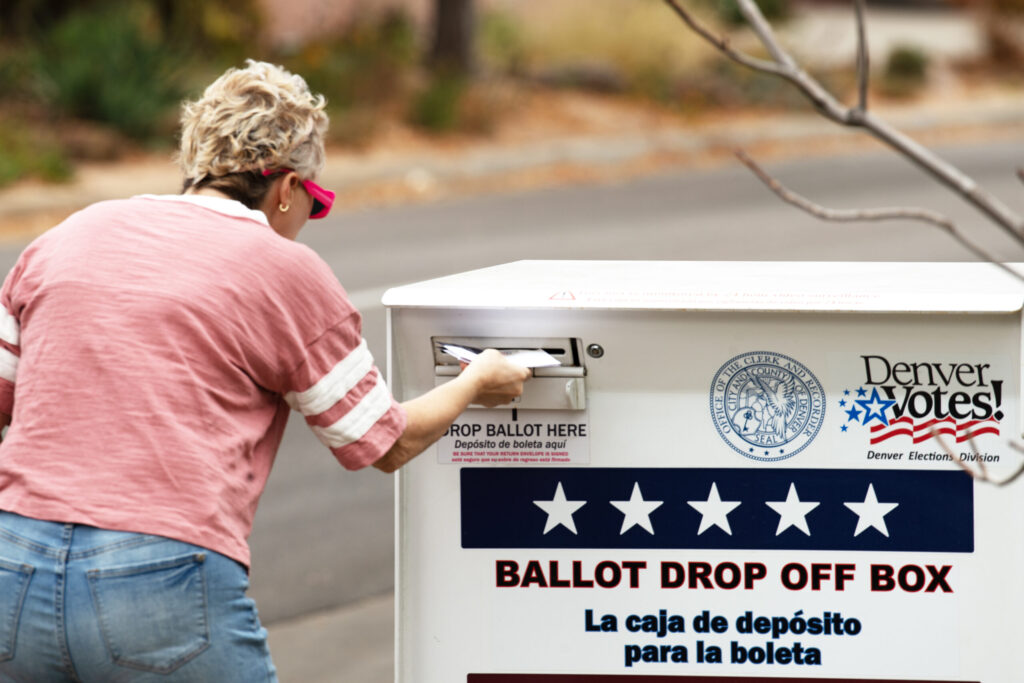
Judge rules that Colorado law makes it too hard for parties to bar unaffiliated voters from primaries
Ernest Luning
ernest.luning@coloradopolitics.com
Updated 13 hours ago
A federal judge ruled in favor of the Colorado Republican Party late Tuesday, saying that a portion of the state law that allows unaffiliated voters to cast ballots in party primaries is unconstitutional because it imposes an unrealistic burden on...
10th Circuit upholds regulator’s methodology for Tri-State exit fees
Michael Karlik
michael.karlik@coloradopolitics.com
Updated 13 hours ago
The Denver-based federal appeals court upheld a regulatory agency’s methodology for calculating the fee owed by entities seeking to withdraw from Tri-State Generation and Transmission Association last week. Tri-State is a Westminster-based cooperative that provides and transmits electricity to member...
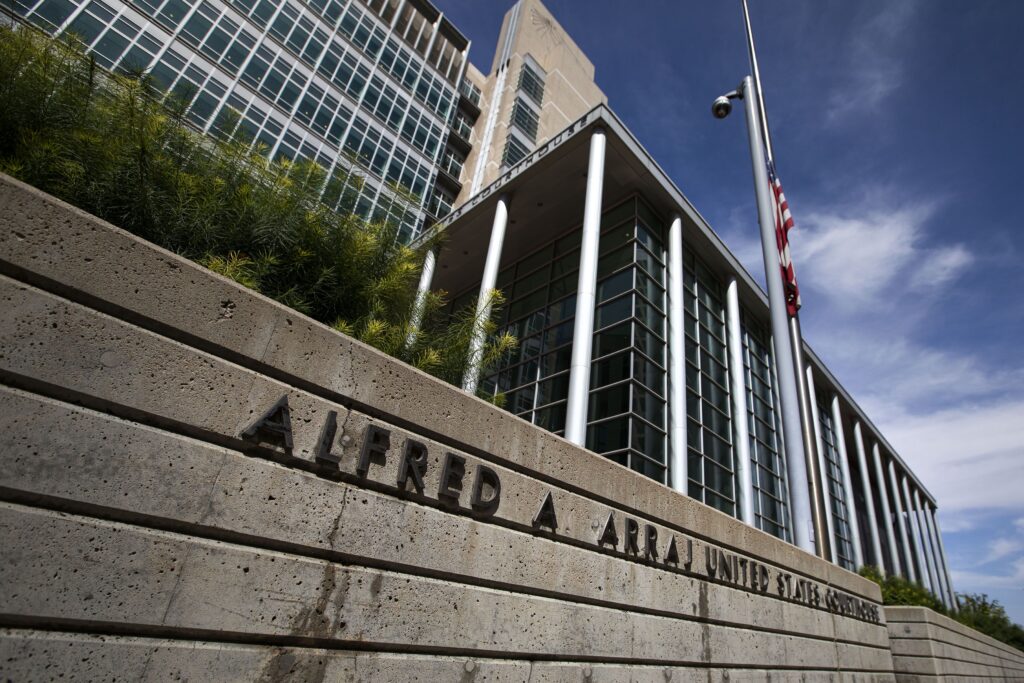
Federal judge proposes sanctions against Mike Lindell’s lawyers for continued fake citations
Michael Karlik
michael.karlik@coloradopolitics.com
Updated 1 day ago
A federal judge is once again pursuing sanctions against lawyers for MyPillow CEO Mike Lindell for continuing to cite to court cases that do not exist, likely based on the faulty output of artificial intelligence tools. Last year, a jury...
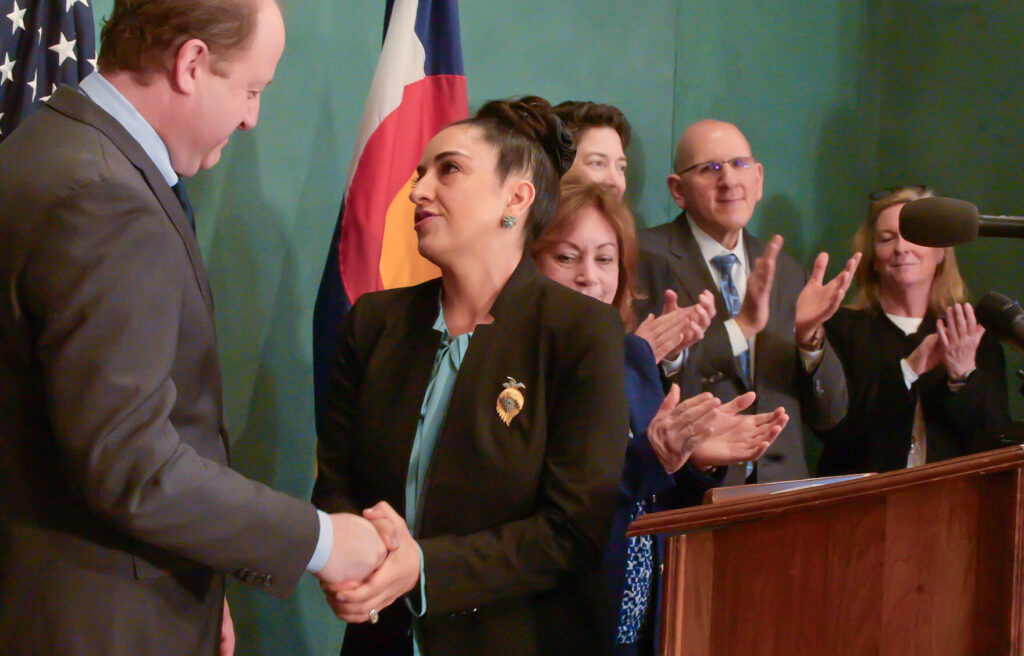
Susan Blanco signals views on role of appellate courts in first opinion as Colorado justice
Michael Karlik
michael.karlik@coloradopolitics.com
Updated 1 day ago
Justice Susan Blanco’s first solo opinion as a new member of the Colorado Supreme Court made clear her view of the guardrails that keep the state’s highest court tethered to the issues it is asked to decide. On Monday, the...
Colorado leaders weigh next steps after Supreme Court rejects state ban on ‘conversion therapy’
Marissa Ventrelli
marissa.ventrelli@coloradopolitics.com
Updated 2 days ago
Colorado leaders said they are weighing next steps after the U.S. Supreme Court on Tuesday rejected the state’s ban on “conversion therapy” for children, as critics and supporters cheered or lambasted the ruling. The court’s near-unanimous decision called the Colorado...
Federal judge dismisses U.S. government lawsuit against Colorado, Denver’s ‘sanctuary’ laws
Michael Karlik
michael.karlik@coloradopolitics.com
Updated 2 days ago
A federal judge dismissed the U.S. government’s lawsuit against Colorado and Denver on Tuesday, which alleged that various local policies impermissibly infringed on federal immigration enforcement. U.S. District Court Judge Gordon P. Gallagher followed the lead of judges in Illinois...
PREV
PREVIOUS

Colorado campaign debt collection efforts aren't much of an effort
It was only weeks after the U.S. military in September 2011 repealed its “don’t ask, don’t tell” policy barring openly gay men and women from serving in the armed forces that Army veteran Brian Carroll announced his candidacy for a seat in the Colorado General Assembly. Carroll, then a member of the state’s National Guard, […]

Trump signs executive order that could reclassify marijuana as a less dangerous drug
WASHINGTON (AP) — President Donald Trump signed an executive order Thursday that could reclassify marijuana as a less dangerous drug and open new avenues for medical research, a major shift in federal drug policy that inches closer to what many states have done. The switch would move marijuana away from its current classification as a […]